The Sablon — French speakers know it as Sablon, Dutch speakers as Zavel — is among the most refined districts in Brussels. Antique shops, two well-known chocolatiers, a 15th-century Gothic church, and one of Europe’s most charming weekend antique markets cluster around two adjoining squares. This Sablon Brussels guide for 2026 covers what to see, where to eat, where to shop, and how to spend a perfect afternoon in one of Brussels’ most photogenic neighbourhoods.
For travellers using this Sablon Brussels guide, the district’s key feature is that it packs chocolatiers, antique galleries and art dealers into a few streets. The Sablon Brussels guide essentials all sit close together: the Pierre Marcolini flagship, the Wittamer Royal Warrant chocolate house, the 15th-century Notre-Dame du Sablon church, and the weekend antiques market. This Sablon Brussels guide section explains how to combine them all in a perfect afternoon.
Why Visit Sablon Brussels?
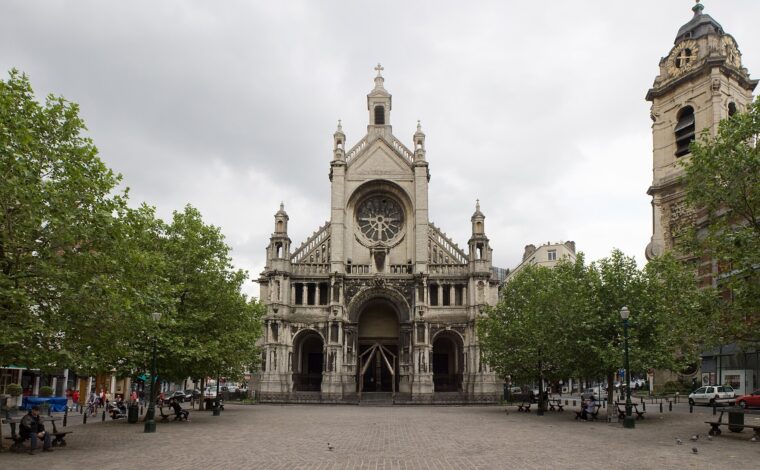
The Sablon embodies Brussels at its most timeless and elegant. Between the upper city’s Royal Quarter and the bohemian Marolles, Sablon occupies a sweet spot — quiet enough to feel like a discovery, central enough to walk to from Grand Place. The Sablon Brussels guide essentials cluster around two adjoining squares: the larger Grand Sablon (Place du Grand Sablon) and the smaller Petit Sablon (Place du Petit Sablon), divided by the Church of Our Lady of the Sablon.
Sablon attracts three distinct types of visitor: chocolate enthusiasts pilgrimaging to Pierre Marcolini and Wittamer, antique collectors browsing the weekend market, and travellers seeking refined Brussels dining and afternoon coffee in a less touristy setting than Grand Place.
The Two Squares of Sablon Brussels
Place du Grand Sablon (Grote Zavel)
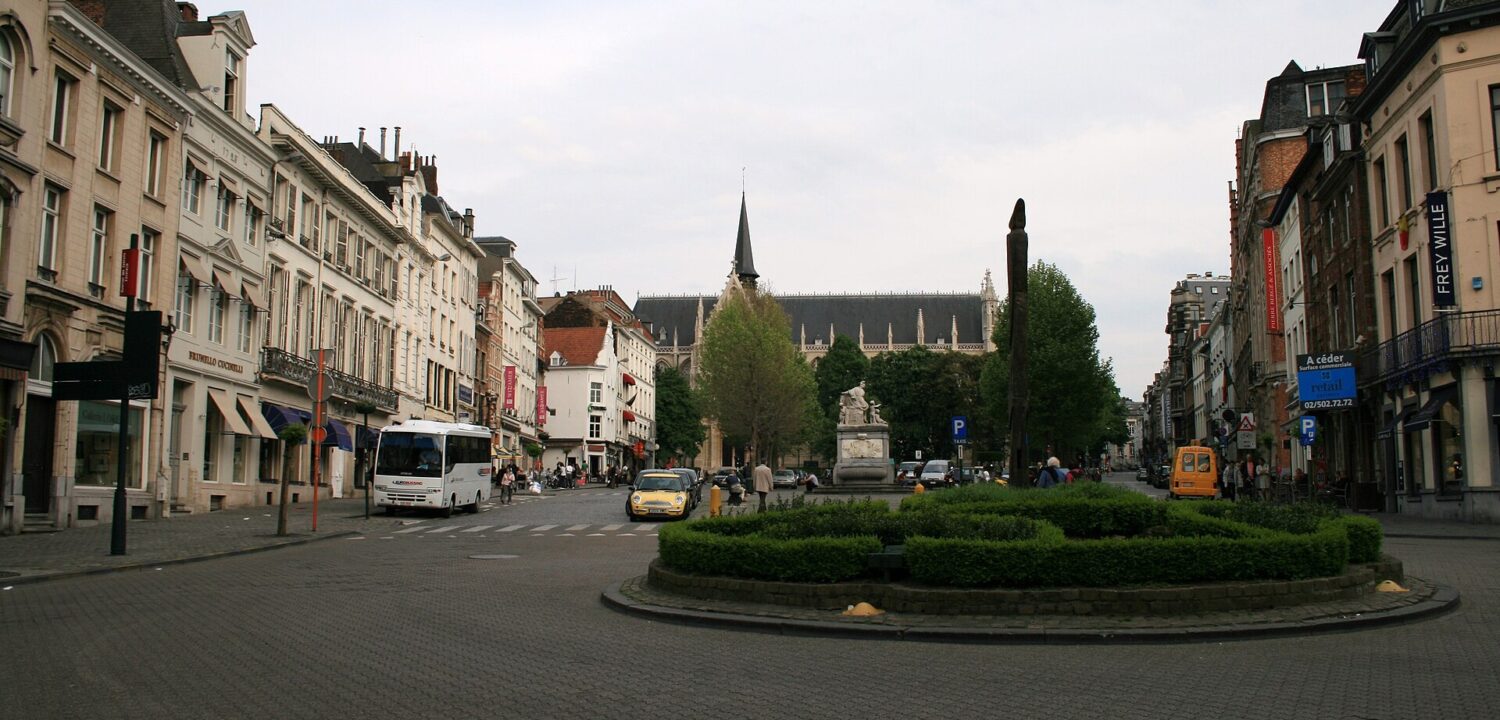
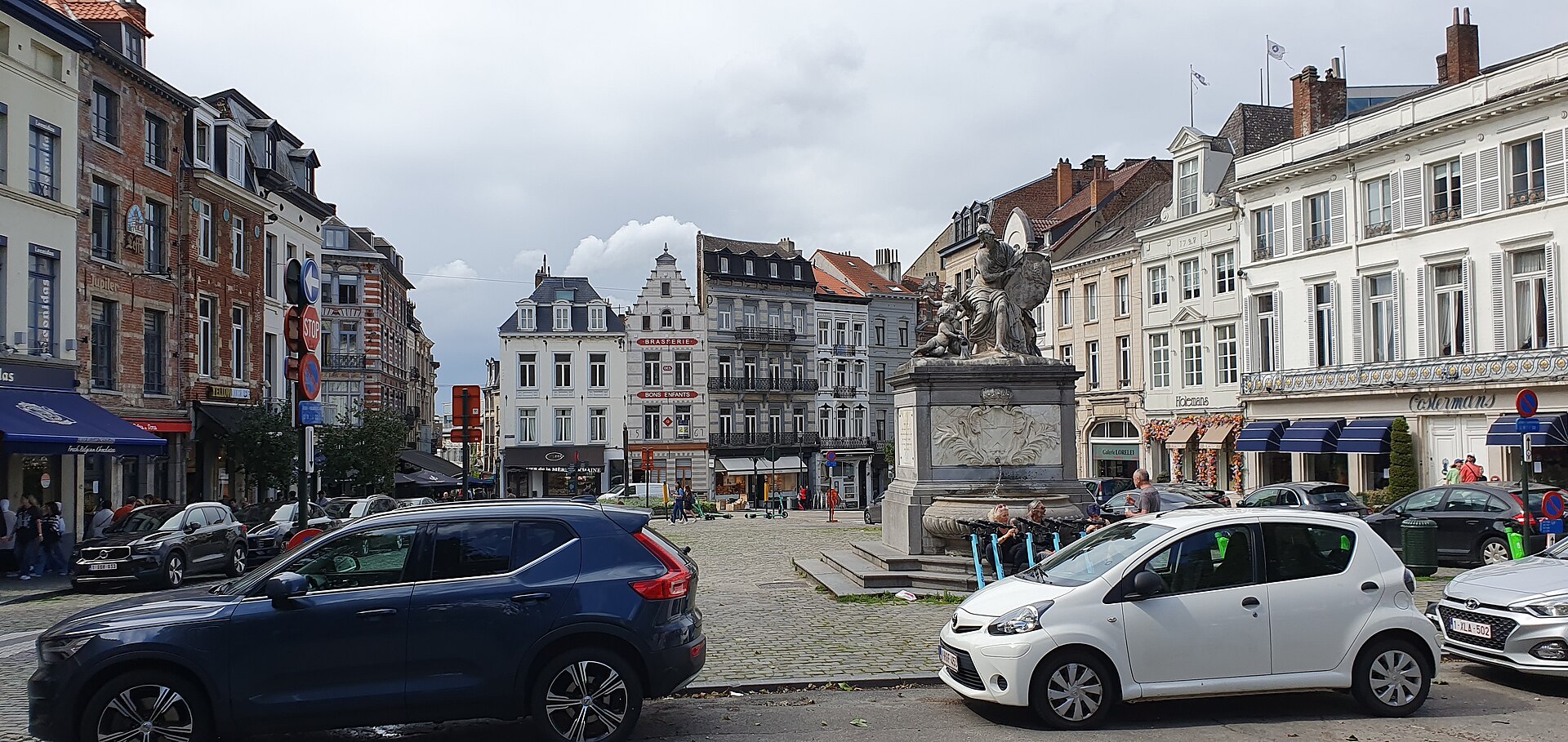
The larger of the two squares, sloping gently down toward the lower town. Surrounded by chocolatiers, antique galleries, restaurants, and cafés. The square hosts the famous weekend antiques market and serves as the pedestrian heart of the Sablon.
Place du Petit Sablon (Kleine Zavel)
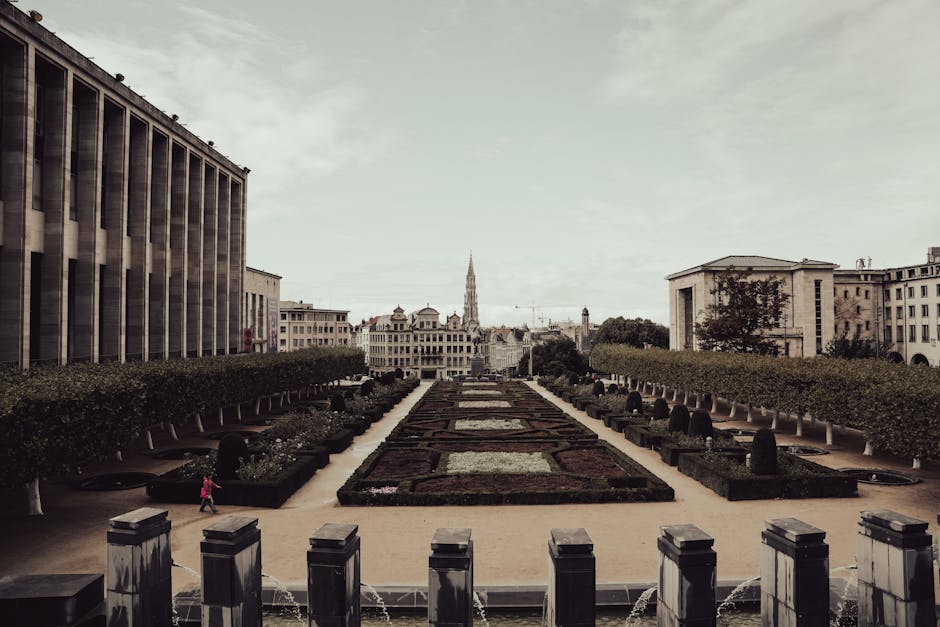
A smaller, more formal garden square just uphill, designed in the late 19th century with 48 small bronze statues representing medieval Brussels guilds. The garden is a quiet contrast to the busier Grand Sablon. The square is public and particularly lovely in spring.
Top Things to Do in Sablon Brussels
1. Church of Our Lady of Sablon (Église Notre-Dame du Sablon)
The 15th-century Gothic church between the two squares is the spiritual heart of the neighbourhood. Stunning stained-glass windows, ornate side chapels, and a crypt dedicated to the Thurn und Taxis family (who controlled Brussels’ postal service for centuries).
Address: Rue de la Régence, at the corner of Rue des Sablons.
2. Sablon Antiques Market
Every weekend, Grand Sablon transforms into the Marché des Antiquaires — antique dealers, booksellers, and old-coin and stamp specialists. Saturday 9:00 AM – 5:00 PM and Sunday 9:00 AM – 3:00 PM. Even non-buyers enjoy browsing the stalls.
3. Pierre Marcolini Flagship
Pierre Marcolini operates two Sablon shops, with the flagship at Place du Grand Sablon 39. See our best chocolate shops in Brussels.
4. Wittamer (Royal Warrant Chocolate)
Founded in 1910, Wittamer is the official chocolate supplier to the Belgian Royal Household. The corner shop on Place du Grand Sablon also operates a serious patisserie — the lemon tart, éclairs, and signature pralines all merit a visit.
Address: Place du Grand Sablon 12.
5. Antique and Art Galleries
The streets around the Sablon (Rue Lebeau, Rue Bodenbroek, Rue de la Régence) host dozens of antique galleries and art dealers. Specialities range from 18th-century French furniture to medieval religious art, Asian antiquities, and 20th-century Belgian design.
6. Petit Sablon Garden
The 48 medieval-guild statues, the central monument to Egmont and Hornes, and the formal flower beds make Petit Sablon one of the prettiest small gardens in central Brussels. Best for a quiet sit-down between chocolate stops.
7. Magritte Museum (5 minutes from Sablon)
The Magritte Museum at Place Royale is a short uphill walk from Sablon. The world’s largest collection of works by the Belgian Surrealist René Magritte. Combine with a Sablon visit for a half-day cultural agenda.
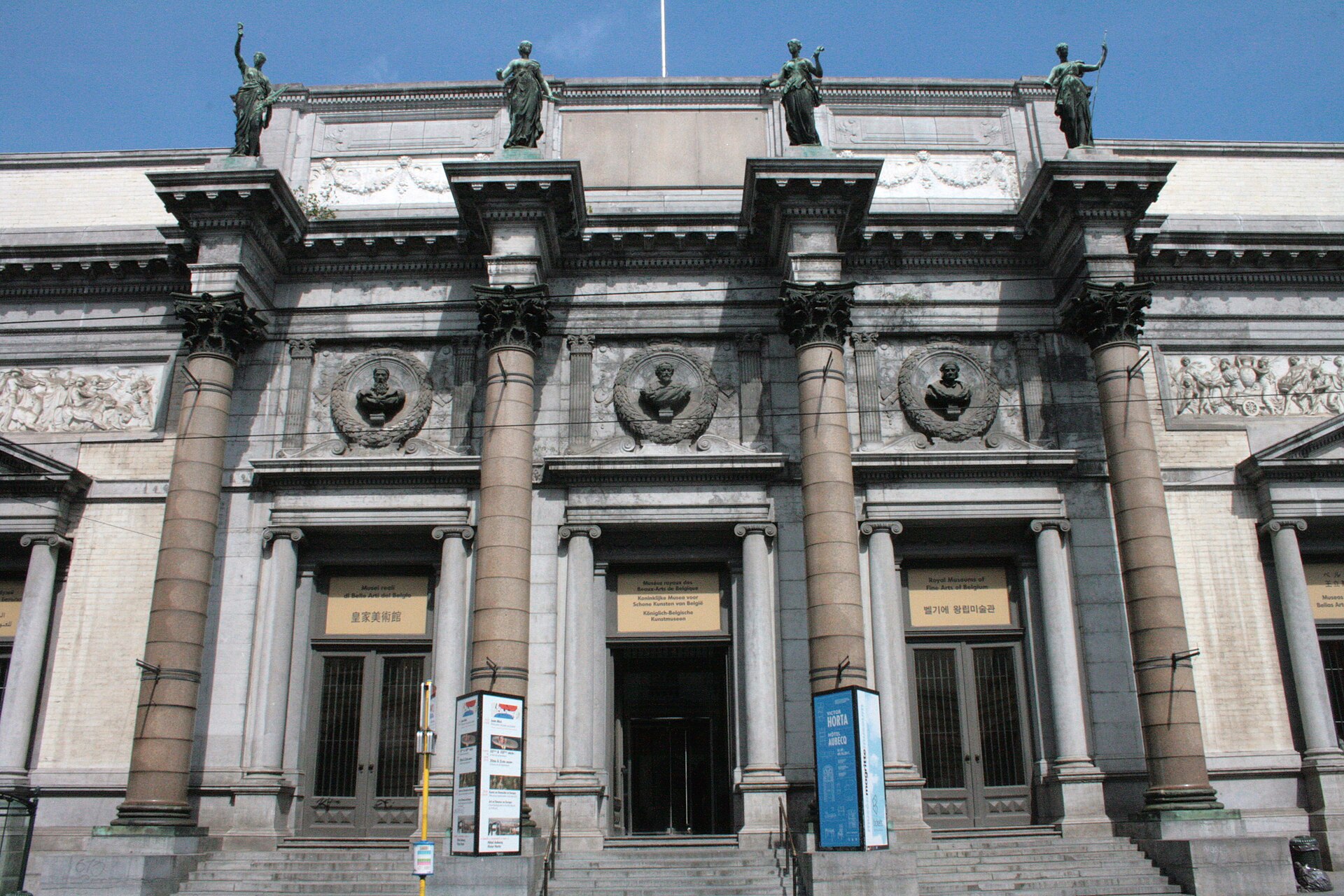
8. Royal Museums of Fine Arts
Adjacent to the Magritte Museum at Place Royale. Brussels’ main fine arts collection — Bruegel, Rubens, David, and a strong 19th-20th century Belgian collection. The Old Masters and Modern wings are separately ticketed.
Where to Eat in Sablon Brussels
Brasserie Belga (at The Dominican): Modern Belgian seasonal cooking inside the atmospheric Dominican hotel. Three-course lunch around €38.
Le Pain Quotidien Sablon: The original Brussels chain, with a particularly atmospheric Sablon location for breakfast and lunch.
NH Collection Brussels Grand Sablon Restaurant: Hotel-style brasserie with reliable lunch menus.
Aux Armes de Bruxelles (Rue des Bouchers 13): Traditional Belgian classics from 1921. See our traditional Belgian dishes Brussels guide.
Café Léopold: A Sablon institution for coffee and Belgian beer with an old-school clientele.
Liu Lin: Vegan Taiwanese street food, a recent and welcome addition to the neighbourhood.
Mokafé (Galerie du Roi 9, Galeries Royales Saint-Hubert): Best for traditional Brussels waffles and tea-room atmosphere.
Where to Stay in Sablon Brussels
Several boutique and luxury hotels make Sablon their base:
NH Collection Brussels Grand Sablon: Newly refurbished, mid-range chain in the heart of Sablon. From €170.
9HOTEL Sablon: French pop-art design boutique with a small spa. From €165.
The Dominican: A short walk from Sablon. Atmospheric cloister courtyard hotel. From €230.
For deeper coverage, see our where to stay in Brussels and boutique hotels in Brussels.
How to Get to Sablon Brussels
Walking: Uphill from Grand Place via Rue de la Madeleine and Rue de la Putterie.
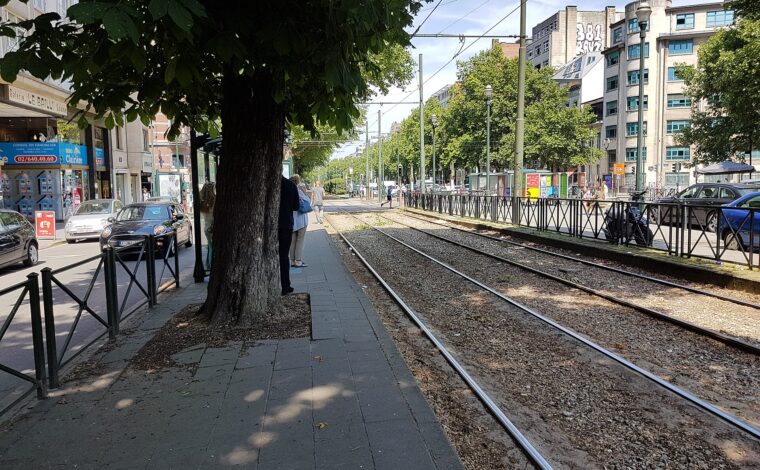
Tram: Tram lines 92 and 93 stop at Petit Sablon; check STIB’s journey planner for your route.
Metro: Closest stations are Gare Centrale and Louise.
Bus: Bus 95 stops at Grand Sablon directly.
Best Time to Visit Sablon
Saturday and Sunday mornings for the antiques market.
Weekday afternoons for chocolate shopping without crowds.
Spring and autumn for the most pleasant outdoor café atmosphere.
December for Christmas market crossover; Sablon hosts a smaller Christmas market separate from Grand Place.
Sablon vs. Marolles: Two Different Worlds
Sablon and the neighbouring Marolles district share a history but feel completely different today. Sablon is refined, upscale, and antique-collector territory. Marolles, just downhill, is bohemian, cheaper, and home to the daily Jeu de Balle flea market. Many Brussels visitors combine the two for a full half-day. See our Marolles Brussels guide for the contrast.
Sablon Brussels: Quick Reference
| Detail | Information |
|---|---|
| Walking from Grand Place | Uphill |
| Antiques market | Sat 9:00-17:00, Sun 9:00-15:00 |
| Church admission | Free |
| Top chocolate shops | Pierre Marcolini, Wittamer |
| Closest tram | Petit Sablon (lines 92, 93) |
| Closest metro | Gare Centrale, Louise |
| Best for | Antiques, chocolate, art galleries |
Related Brussels Guides
Keep planning with these companion guides:
- Ixelles Brussels Guide — Trendy Cafés & Art Nouveau
- Saint-Gilles Brussels Guide — Bohemian & Art Nouveau District
- European Quarter Brussels Guide — EU Institutions & Parks
Useful Resources for Sablon Visitors
- Sablon-Zavel Brussels — official neighbourhood association website.
- visit.brussels Sablon Guide — official tourism office’s Sablon coverage.
- Pierre Marcolini — official site of the Sablon flagship.
- Wittamer — Royal Warrant chocolate house.
Frequently Asked Questions
Why is Sablon famous?
Sablon is famous for two things: its chocolatiers (Pierre Marcolini and Wittamer have flagship Sablon shops) and the weekend antiques market. The 15th-century Gothic church between the two squares adds historical heft.
How do I get from Grand Place to Sablon?
Walk uphill via Rue de la Madeleine and Rue de la Putterie. Or take tram 92 or 93 to Petit Sablon.
When is the Sablon antiques market?
Saturdays 9:00 AM – 5:00 PM and Sundays 9:00 AM – 3:00 PM. The market sets up in front of the Church of Our Lady on Place du Grand Sablon.
Is Sablon worth visiting?
Yes. Even visitors who don’t buy chocolate or antiques find Sablon’s atmosphere — its squares, gardens, and refined cafés — among the most pleasant parts of Brussels. Plan 2-3 hours for a full visit.
Is Sablon expensive?
The shops are upmarket, but you can spend nothing and still enjoy the area. The church is free, the antiques market is free to browse, and the Petit Sablon garden is free. Coffee and a chocolate at Marcolini or Wittamer runs €10-€15.
Can I do Sablon and Marolles in one afternoon?
Yes — they’re directly adjacent. Start at Sablon for chocolate and antiques, then walk downhill to Marolles for the Jeu de Balle flea market and bistro lunches. Half a day total.
Final Thoughts
The Sablon Brussels guide rewards travellers who slow down. Spend an hour at the Saturday antiques market, splurge at Pierre Marcolini, or simply enjoy a coffee with a view of the Gothic church spire, and Sablon offers a distilled version of Brussels’ refinement. For more on the city’s neighbourhoods, see our Brussels neighbourhoods guide, Marolles Brussels guide, and Grand Place Brussels guide.
This Sablon Brussels guide brings together everything Brussels offers in one walkable district. Bookmark this Sablon Brussels guide for chocolate hunting, antique browsing, and refined café afternoons.
Photo Credits
-
The Grand Sablon and its church: Grand Sablon Square Brussels by Luu, Public domain, via Wikimedia Commons.
-
The Minerva Fountain on the Grand Sablon: Grand Sablon Square by Yair Haklai, CC BY-SA 4.0, via Wikimedia Commons.
-
The Royal Museums facade: Musées Royaux des Beaux-Arts Belgique 1101 by Michel wal, CC BY-SA 3.0, via Wikimedia Commons.