Laeken is the surprise neighbourhood that most Brussels visitors arrive at without realising it — because the Atomium and Mini-Europe both sit in Laeken. The 6-square-kilometre district north-west of the Pentagon is also home to the Belgian Royal Estate, the seasonally opened Royal Greenhouses, an Asian-inspired Japanese Tower and Chinese Pavilion, and Brussels Expo. This Laeken Brussels guide for 2026 covers the famous attractions, the lesser-known royal gardens, and how to plan a perfect day in Brussels’ most green and unusual district.
Why Visit Laeken Brussels?
Laeken hosts Brussels’ two most famous tourist attractions — the Atomium and Mini-Europe — plus the Royal Estate, the Royal Greenhouses (open three weeks a year), and an unusual Japanese Tower and Chinese Pavilion complex commissioned by King Leopold II (both closed to visitors). The Laeken Brussels guide essentials cover these flagship sites along with several lesser-known parks and gardens that turn Laeken into the greenest district in Brussels.
For families with kids, Laeken is the most efficient half-day in Brussels — Mini-Europe and the Atomium can both be done in 4-5 hours and they sit next to each other. For garden enthusiasts and royal-history visitors, the Royal Estate offers a quieter, more reflective experience.
Top Things to Do in Laeken Brussels
1. Visit the Atomium
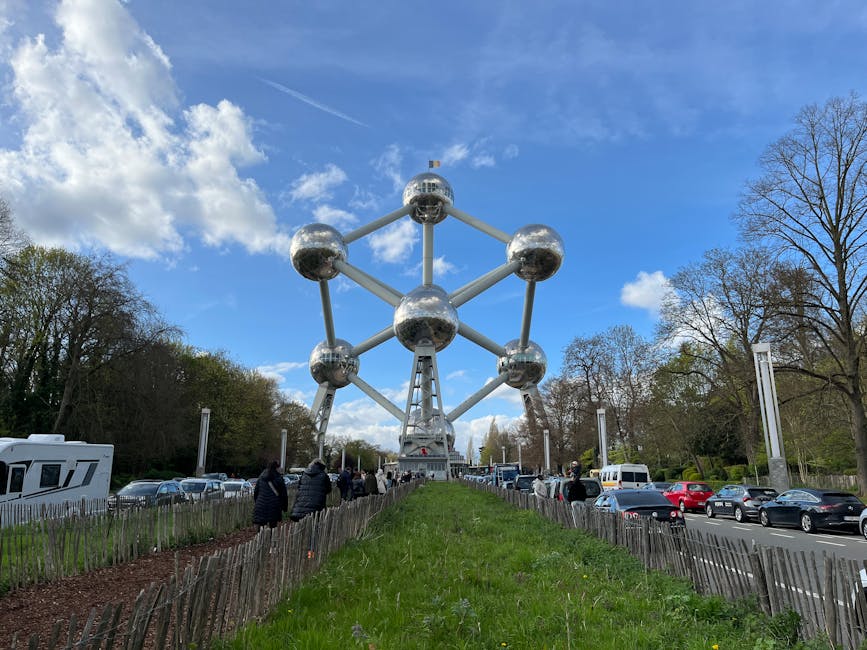
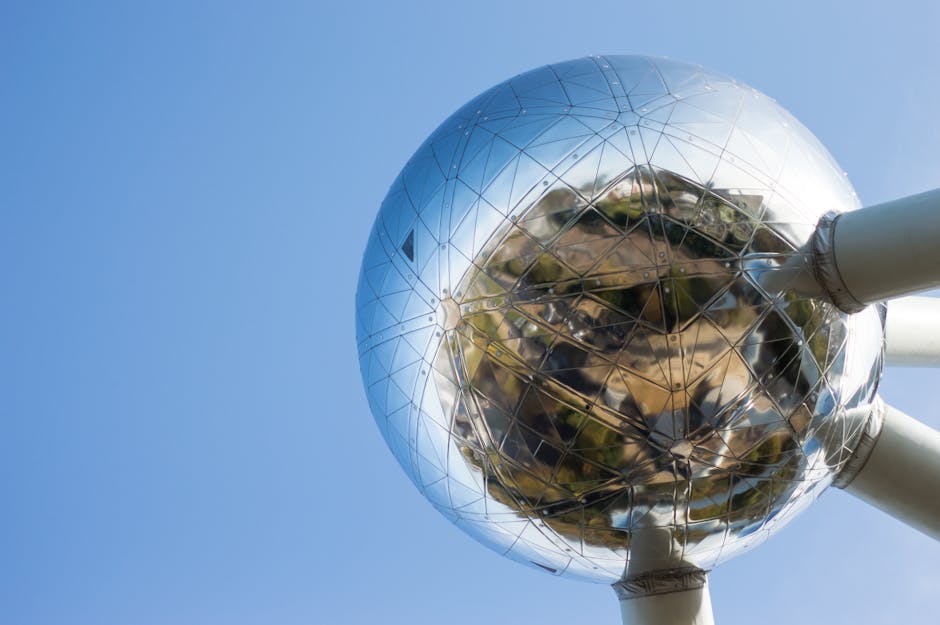
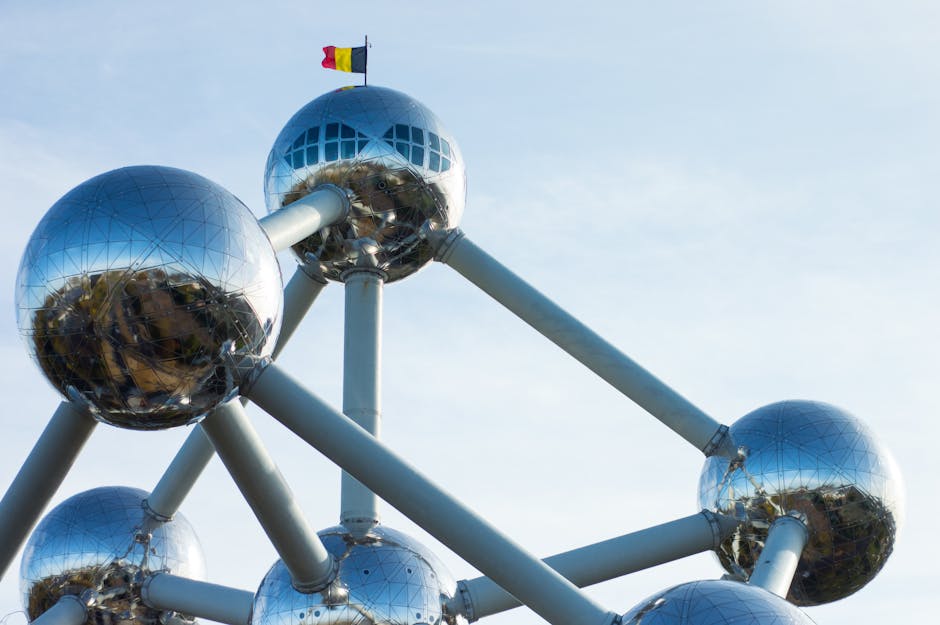
The Atomium is Brussels’ iconic 1958 World’s Fair monument — 9 stainless-steel spheres representing an iron crystal magnified 165 billion times, designed by André Waterkeyn. Climb inside via lifts and escalators connecting the spheres; the top sphere offers a panoramic restaurant and 360-degree city views.
Admission: €17 (combined ticket with Mini-Europe €35).
Hours: Daily 10:00 AM – 6:00 PM (extended summer hours).
2. Mini-Europe
The 10-acre park next to the Atomium hosts 350 miniature reconstructions of European landmarks — Big Ben, Eiffel Tower, San Marco, Acropolis, the Brandenburg Gate. Two to three hours of slow walking. Particularly engaging for kids 4-12.
Admission: from €21.70 online, €25 on site (combined with Atomium €35).
3. Royal Greenhouses of Laeken
The massive Royal Greenhouses adjacent to the Royal Castle are open to the public for just three weeks each year (typically late April to early May). The 19th-century glass-and-iron architecture houses tropical and subtropical plants, including some specimens dating to the original 1873 plantings. The 2026 summer visit cost €10 for ages 13 and over and was free for 12 and under; check the official Royal Palace website for the next opening dates.
4. Japanese Tower and Chinese Pavilion (Museum of the Far East)
Both the Japanese Tower (a 1900 pagoda-style tower) and the Chinese Pavilion (a 1909 Chinese-inspired pavilion) were commissioned by King Leopold II. They sit under the Museum of the Far East banner (operated by the Royal Museums of Art and History), but both are closed to visitors.
5. Royal Estate Park (Parc de Laeken)
The wider Royal Estate park is partially open to the public year-round — winding paths, manicured gardens, and the exterior of the Royal Castle (where the Belgian royal family resides). Free entry to the public sections.
6. Osseghem Park
The 22-hectare landscape park designed for the 1935 World’s Fair, sitting between the Atomium and the city centre. Walking trails, Belgian flora, and significantly fewer crowds than the Atomium plaza.
7. Brussels Expo (Heysel)
Belgium’s largest exhibition centre — 12 halls hosting trade fairs, concerts, and major events. Useful for tourists primarily during specific events; most halls are closed otherwise.
8. Notre-Dame de Laeken Church
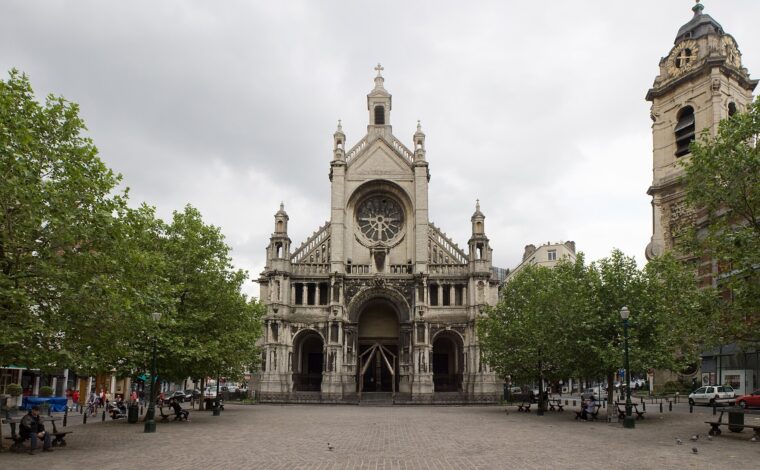
The neo-Gothic 1854-1872 royal church, partially funded by Queen Marie-Louise. Belgian royals are interred in the crypt. Free entry.
9. Stade Roi Baudouin
Belgium’s national stadium, host to Belgian football matches and major concerts.
10. Trade Mart Brussels
One of Europe’s largest design and retail trade buildings, occasionally hosting public design events.
Where to Eat in Laeken Brussels
Laeken’s restaurant scene is thinner than the Pentagon. Most visitors eat at the Atomium’s panoramic restaurant or in nearby Heysel cafés.
Atomium Panoramic Restaurant: Inside the top sphere, with 360-degree views. Refined modern Belgian; expensive but the location justifies it.
Mini-Europe Restaurant: Casual on-site dining for park visitors.
Brussels Expo casual dining: Several casual eateries near Brussels Expo halls during events.
For deeper food coverage, see our best restaurants in Brussels.
Where to Stay Near Laeken
Hotels near Laeken concentrate around Brussels Expo for trade-show visitors:
Pullman Brussels Centre Midi: 25 minutes by metro from Heysel.
Atomium-area hotels: Several mid-range hotels cater to Mini-Europe family visitors. See our family hotels in Brussels.
Most travellers don’t stay in Laeken proper — they base themselves in central Brussels and visit Laeken as a half-day excursion via metro Line 6.
How to Get to Laeken Brussels
Metro: Line 6 to Heysel (or Houba-Brugmann for Royal Greenhouses) — 20-25 minutes from De Brouckère.
Tram: Trams 7, 51 also reach Laeken.
Walking from Brussels-Nord: 25-30 minutes; not recommended.
Atomium-Mini-Europe combo: The €35 combined ticket includes both attractions; allow 4-5 hours total.
Best Time to Visit Laeken
Late April to early May: The Royal Greenhouses opening is the single most distinctive Laeken experience.
Summer: Best for Atomium-Mini-Europe combo; longer hours and outdoor café options.
Spring: Royal Estate park gardens at peak bloom.
Avoid Brussels Expo trade-show days: Heysel area gets crowded during major events.
Laeken Brussels Half-Day Family Itinerary
10:00 AM: Take metro Line 6 to Heysel.
10:30 AM: Mini-Europe (allow 2 hours).
12:30 PM: Lunch at Mini-Europe restaurant or Atomium café.
13:30 PM: Atomium (allow 2 hours including the panoramic top sphere).
15:30 PM: Optional walk through Osseghem Park.
16:30 PM: Return to central Brussels via Line 6.
Laeken Brussels: Quick Reference
| Detail | Information |
|---|---|
| Metro from Grand Place | 20-25 min (Line 6 to Heysel) |
| Atomium admission | €17 |
| Mini-Europe admission | From €21.70 online, €25 on site |
| Combined ticket | €35 |
| Royal Greenhouses | €10 for ages 13+, free for 12 and under (2026) |
| Best for | Families, Atomium photos, royal gardens |
Useful Resources for Laeken Visitors
- Atomium — official site with tickets and combined Mini-Europe passes.
- Mini-Europe — official site for the miniature park.
- Royal Greenhouses — official Belgian Royal Palace site with Greenhouse opening dates.
- Laeken Visitors — neighbourhood tourism portal.
Frequently Asked Questions
Is Laeken worth visiting?
Yes — particularly for families (Mini-Europe and the Atomium combo) and travellers interested in the Belgian royal family or unusual gardens. The Laeken Brussels guide essentials are different from any other Brussels neighbourhood.
How do I get from Grand Place to the Atomium?
Metro Line 6 from De Brouckère to Heysel — 20-25 minutes. Walk 5 minutes from the metro station to the Atomium entrance.
How much does it cost to visit the Atomium and Mini-Europe?
The combined ticket costs €35. Individual tickets are €17 (Atomium) and from €21.70 online (Mini-Europe).
Can I visit the Royal Castle of Laeken?
The Royal Castle itself is closed to the public (Belgian royals reside there). However, the Royal Greenhouses adjacent to the castle are open three weeks each year (typically late April to early May), with 2026 tickets at €10 for ages 13 and over and free for 12 and under.
What’s the best time to visit Laeken?
Late April to early May for the Royal Greenhouses opening; summer for the Atomium-Mini-Europe combo with extended hours; spring and autumn for the Royal Estate parks.
Are the Japanese Tower and Chinese Pavilion open?
No. Both are closed to visitors; the Royal Museums of Art and History website is the place for any reopening news.
Laeken Brussels Guide: Where to Eat and Drink
Laeken’s food scene reflects its character — a mix of traditional Belgian brasseries, international restaurants, and indie cafés. The laeken Brussels guide eating shortlist:
- Local brasserie classics: Belgian comfort food (carbonnade flamande, waterzooi, vol-au-vent) at €18-€28 per main. Most Laeken streets have at least one solid traditional brasserie.
- Indie coffee: Specialty coffee culture is strong across Laeken. Single-origin pour-overs, oat-milk lattes, and brunch boards at €10-€18.
- International eats: Laeken’s population diversity translates into excellent Vietnamese, Turkish, Moroccan, and Sicilian options. Often the best value in the neighbourhood at €12-€20.
- Belgian beer cafés: The good ones serve 100+ beer menus including Trappist, Lambic, and seasonal artisans. Order from a glass-trained server.
- Sunday brunch culture: Reservations essential for the popular spots from 11:00-14:00.
- Late-night options: Most kitchens close at 22:00 in Brussels neighborhoods. For after-22:00 food, head to the Pentagon or Sainte-Catherine.
Laeken Brussels Guide: Best Photo Spots
Laeken offers distinctive photography opportunities beyond standard tourist shots:
- Royal Greenhouses: The neighbourhood’s central square — best at golden hour (45 minutes before sunset) for warm light on facades.
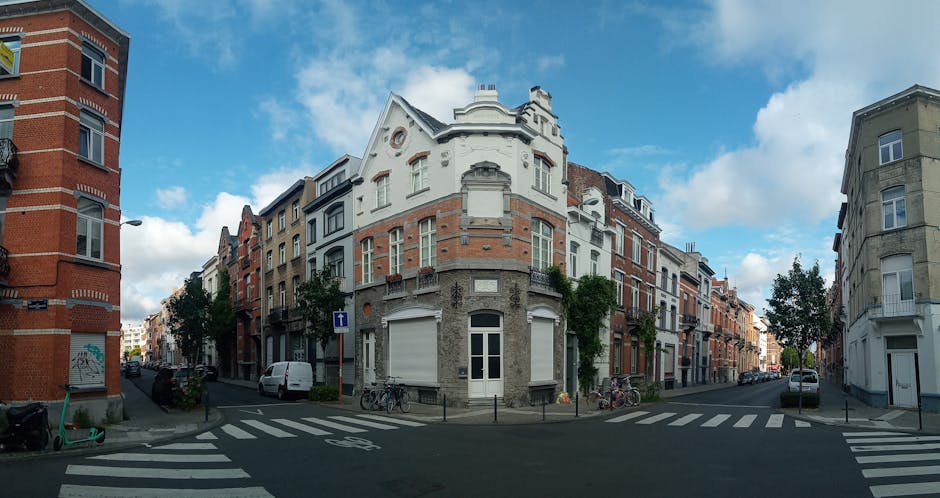
- Side streets and back lanes: Brussels’ character lives in its side streets — look for laundry on balconies, Art Nouveau ironwork, vintage shop windows.
- Street art and murals: Most Brussels neighborhoods include several large wall murals — check the official tour map at parcoursbd.brussels.
- Café terraces: A small espresso on a Laeken terrace makes for an authentic shot — better than crowded Grand Place tourist images.
- Architecture details: Door knockers, balcony ironwork, original stained glass over entry doors — the small details photograph beautifully.
- Local markets: If your visit includes a market day, get there at 09:30 — the morning light is photogenic and the crowds are still manageable.
Laeken Brussels Guide: Half-Day Itinerary
A focused 4-hour Laeken Brussels guide afternoon route:
- 13:00: Lunch at a local brasserie or café. €15-€25.
- 14:30: Visit Royal Greenhouses — the neighbourhood centre.
- 15:00: Walk a designated street loop (typically 1.5-2 km) to absorb the architecture and street life.
- 16:00: Coffee break at a specialty café.
- 16:30: Browse independent shops, vintage stores, or local bookstores.
- 17:30: Aperitif on a terrace.
- 18:30: Return to central Brussels or stay for dinner.
For more on neighborhood-by-neighborhood Brussels exploration, see our Brussels neighbourhoods guide covering all 19 communes.
Laeken Brussels Guide: Local Shopping Highlights
Laeken hosts some of Brussels’ most distinctive small retailers — far from the chain-store-dominated Avenue Louise corridor. Shopping highlights:
- Vintage and second-hand: Curated thrift and vintage shops with quality 1960s-1990s clothing, jewelry, and homewares. Browse 11:00-18:00 most days; some closed Mondays.
- Independent fashion designers: Brussels has a strong indie fashion scene — small ateliers with sustainable, locally-produced pieces. Expect €100-€400 per item.
- Bookstores: A mix of French-language general bookshops, English-language specialists, and antiquarian dealers. Tropismes (Galeries Royales) is the city’s most beautiful.
- Belgian chocolate: Skip the airport-style chocolate boutiques. Local artisan chocolatiers in Laeken offer the same quality without the tourist markup. €15-€25 per 250g box.
- Vinyl records: Brussels has a vibrant vinyl culture; several Laeken-area shops specialise in jazz, electronic, and Belgian rock.
- Concept stores: Brussels-specific genre — design objects, home accessories, plants, books, coffee under one roof. Typically €20-€200 price points.
- Local markets: Most Brussels neighbourhoods host a weekly market — check the day and time; arrive early for the best produce.
- Antique dealers: Quality varies. The Sablon antique cluster is the most concentrated; smaller dealers throughout Laeken can yield finds at lower prices.
Laeken Brussels Guide: Hidden Corners Locals Love
Beyond the standard tourist trail, Laeken hides several local-favourite spots that rarely make English-language guides:
- Small parks and squares: Brussels neighborhoods are dotted with small public gardens — sometimes just half a block — that locals use as informal social spaces. Ideal for a quiet 15-minute pause.
- Quiet street art: Beyond the official comic strip mural trail, Laeken hosts dozens of smaller-scale street art and political pieces — particularly along railway-adjacent walls and underpasses.
- Old-school cafés (cafés-bruns): Wood-panelled traditional cafés where regulars play cards and drink draft beer. €2.50-€3.50 a pint. Often the cheapest authentic Brussels experience.
- Neighbourhood swimming pools: Brussels’ communal pools (Bains de Bruxelles, etc.) are affordable (€4-€6 entry) and offer a slice of local life rarely shown in tourist material.
- Local sports clubs: Football and field hockey clubs welcome casual visitors to weekend matches — free or €5 entry.
- Community gardens: Brussels has a growing urban farming movement; several Laeken-area gardens are open to walk-through visitors during gardening hours.
- Architectural details: Pause to notice door knockers, original 19th-century gas lamp posts (some still functional), and Art Nouveau house numbers — every Laeken street has them.
- Tram terminus mini-cafés: Some Brussels tram terminus stations host small kiosks selling coffee and pastries — a non-touristy authentic experience.
Laeken Brussels Guide: Connecting to Other Brussels Neighborhoods
One of Laeken’s practical advantages is its location — most other Brussels neighbourhoods are 15-25 minutes away by metro, tram, or bike. Connections worth knowing for the laeken explorer:
- To Grand Place / Pentagon: Direct metro or tram routes — typically 5-15 minutes.
- To Avenue Louise / Châtelain (Ixelles): 10-20 minutes by tram or metro.
- To European Quarter (Schuman): 15-20 minutes via metro Line 1 or 5.
- To Atomium / Heysel: 20-30 minutes via metro Line 6.
- Brussels-Midi station: 10-15 minutes — convenient if pairing day-trip plans.
- Brussels-Central station: 5-15 minutes for Pentagon access.
- Cycling to nearby neighborhoods: Villo! bike share has docking stations across Laeken (€1.50 for a 24-hour ticket, with the first 30 minutes of each ride free).
For deeper Brussels neighborhood exploration, see our Brussels neighbourhoods guide.
Laeken Brussels Guide: Seasonal Visit Planning
Laeken feels different across Brussels’ four distinct seasons — knowing what to expect helps you time your visit:
- Spring (March-May): Daffodils and tulips bloom across Laeken’s parks. Terraces start opening late March; full outdoor café culture by mid-April. Cherry blossom photogenic peak: 2nd week of April.
- Summer (June-August): Long daylight (sunset 22:00 in late June), outdoor concerts, neighborhood festivals. Laeken terraces packed evenings; book restaurants 1-2 weeks ahead.
- Autumn (September-November): Lower tourist numbers, gold-and-amber foliage in parks, peak mussel season (“moules-frites”) at brasseries. Cozy café culture begins.
- Winter (December-February): Christmas markets (late November-early January) bring sparkle. Indoor museum and café culture dominant. Cold but not extreme (typically 0-7°C).
For the most photogenic Laeken Brussels guide experience, target late April (spring blossom + outdoor terraces opening) or early October (autumn foliage + lower tourism). For more on Brussels by month, see our best time to visit Brussels guide.
Laeken Brussels Guide: Where to Stay
Staying in Laeken versus the Pentagon historic centre trades immediate Grand Place access for authentic neighbourhood feel and (typically) 20-30% lower hotel rates. Laeken accommodation considerations:
- Hotel quality: Mostly 3-4 star independent and boutique properties. International chains (Marriott, Pullman) cluster in the Pentagon and at Brussels-Midi rather than residential neighborhoods.
- Best transport links: Choose Laeken accommodation within 5 minutes’ walk of a metro or tram stop — saves time daily.
- Neighborhood character: Each Laeken property reflects local character — Art Nouveau facades, refurbished townhouses, residential streets.
- Breakfast: Local cafés often beat hotel breakfast for both quality and price. Many Laeken hotels are dropping breakfast inclusion in favor of local partnerships.
- Best for: Repeat Brussels visitors, slower-paced travellers, those wanting authentic neighborhood feel.
- Less ideal for: Tight-schedule first-time visitors who’ll spend all day at Grand Place sights.
For more on Brussels accommodation by neighborhood, see our where to stay in Brussels guide.
Laeken Brussels Guide: Final Practical Notes
A few last practical laeken brussels guide pointers gathered from regular travellers and locals to round out your planning:
- Download offline maps before exploring — Brussels’ newer pedestrianised areas can confuse GPS navigation, particularly near Bourse.
- Carry an umbrella regardless of forecast — Brussels sees rain on about 190 days a year, often unexpectedly.
- Belgian beer pacing — local Trappist tripels run 9-10% ABV, far stronger than standard lager. Two of these equals four typical beers.
- Sunday closures apply broadly — most shops and many restaurants close Sundays. Plan Sunday-friendly activities (markets in Sainte-Catherine, walks, free museums).
- Tipping convention: Service is included on bills by Belgian law. A 5-10% top-up for excellent service is appreciated but optional.
- Card payment everywhere — contactless tap-to-pay works at almost all venues including small cafés and friteries.
- Public toilets typically cost €0.50-€1 in train stations and shopping centres; free at most museums.
For more practical laeken brussels guide advice, see our Brussels first time visitor tips.
Final Thoughts
The Laeken Brussels guide rewards travellers willing to take a 25-minute metro ride for some of Brussels’ most distinctive attractions. Whether you climb to the top of the Atomium, walk among Mini-Europe’s 350 miniatures, or catch the rare Royal Greenhouses opening, you’ll find Laeken offers Brussels at its most monumental and most green. For more on Brussels’ neighbourhoods, see our Brussels neighbourhoods guide and things to do in Brussels.
The Royal Castle itself stays closed to visitors all year, which surprises plenty of people who arrive expecting a tour. If it’s castles you’re after, Belgium has dozens you can actually walk into, from the Gravensteen in Ghent to Beersel, a moated brick fortress a short train ride south of Brussels. Our guide to Belgium’s best castles separates the ones worth a day from the ones you can only photograph.
The Royal Greenhouses are the best reason to time a visit to Laeken, and they only open for about three weeks each spring, usually from mid-April into early May. Tickets sold out entirely in 2026, so they need booking the day sales open. Our Brussels in April guide explains how to fit them in alongside the Hallerbos bluebells and the other spring highlights.