Ixelles is the Brussels neighbourhood expats refuse to leave. It contains five distinct sub-districts — Flagey, Matongé, Châtelain, the lakes (Étangs d’Ixelles), and Place Brugmann — each with its own character. Together they form the most cosmopolitan, café-rich, architecturally diverse part of Brussels. This Ixelles Brussels guide for 2026 covers what to see, where to eat, and how to navigate one of Brussels’ most rewarding neighbourhoods to visit or live in.
Why Visit Ixelles Brussels?
Ixelles is the cultural and culinary engine of modern Brussels. The Ixelles Brussels guide essentials cover Art Nouveau architecture by Victor Horta, the African diaspora district of Matongé, Saturday and Wednesday food markets, two artificial lakes for picnic afternoons, and the highest concentration of independent restaurants, brunch spots, and concept stores in the city. If you’ve already done Grand Place and the Sablon, Ixelles is what you visit next.
Ixelles sits south-east of the Pentagon. Tram 81 connects it to the centre in 12 minutes; metro line 2/6 also serves the eastern edges. Most Brussels-based expats live or wish they lived here.
The Five Districts of Ixelles Brussels
1. Flagey — The Cultural Hub
Place Eugène Flagey is dominated by the 1935 Art Deco “Steamship” Flagey building — originally the National Broadcasting Institute, now home to the Brussels Philharmonic and a major concert venue. The square hosts a daily morning food market (best Saturday-Sunday) and is surrounded by cafés that fill with locals and expats every weekend. Tram 81 stops here.
2. Matongé — Brussels’ African Quarter
Matongé takes its name from a neighbourhood in Kinshasa, Democratic Republic of Congo, and is the historic centre of Brussels’ African diaspora. After Congolese independence in 1960, immigrants shaped the area to resemble their home neighbourhood. Today Matongé hosts African restaurants, hair salons, fabric shops, and a vibrant nightlife. Located around Chaussée de Wavre and Rue Longue Vie.
3. Châtelain — Designer Boutiques and Art Nouveau
The Châtelain district is Brussels’ answer to a trendy Parisian arrondissement — designer boutiques, independent cafés, gourmet food shops, and several Victor Horta Art Nouveau masterpieces. The Wednesday afternoon Châtelain market (2:00 PM – 7:00 PM) is one of the city’s best social events.
4. Étangs d’Ixelles (Ixelles Ponds)
Two artificial lakes between Flagey and Place du Châtelain, surrounded by elegant 19th and early 20th-century townhouses. Locals walk the perimeter, picnic in summer, and skate on the larger pond during cold winters. One of the prettiest urban walks in Brussels.
5. Place Brugmann — Quiet and Refined
Place Brugmann is the upmarket residential corner of Ixelles — quieter, more architectural, and home to humus x hortense (Belgium’s first vegan Michelin star) and several other top restaurants.
Top Things to Do in Ixelles Brussels
1. Visit Victor Horta’s Hôtel Tassel and Maison Horta Museum
The Maison Horta Museum (Rue Américaine 25) is the home and studio of Victor Horta, the most important Art Nouveau architect in history. Hôtel Tassel (Rue Paul Emile Janson 6, exterior only) was built by Horta in 1893 and is widely considered the first true Art Nouveau building. UNESCO listed several Horta buildings together in 2000.
2. Marché du Châtelain (Wednesday Afternoon)
Brussels’ most social weekly market — gourmet food stalls, oysters, Belgian beer, and an aperitivo crowd that arrives straight from work. See our Brussels food markets guide.
3. Walk the Étangs d’Ixelles
An afternoon loop around the two ponds takes 30-45 minutes and passes some of Brussels’ prettiest townhouses. Spring and autumn are particularly photogenic.
4. Concert at Flagey
The Flagey building’s main concert hall hosts the Brussels Philharmonic and visiting international classical and jazz acts. Acoustics are exceptional. Tickets €15-€60 depending on seating.
5. Brunch at Chyl, Cliff, or Crème
Ixelles is Brussels’ brunch capital. See our best brunch in Brussels guide for the full list.
6. Coffee at Or Espresso or Café Capitale
Brussels’ specialty coffee scene concentrates in Ixelles. Or Espresso has multiple locations; Café Capitale is a single-location standout.
7. Designer Shopping on Rue du Bailli and Rue de l’Aqueduc
Independent Belgian and international designer boutiques. Less touristy than Avenue Louise; better selection.
8. Dinner at humus x hortense
Belgium’s first vegan Michelin-starred restaurant. See our Michelin restaurants in Brussels guide.
9. Cinema at Cinéma Vendôme
An independent art-house cinema near Porte de Namur showing international films with French and Dutch subtitles.
10. Bois de la Cambre (Adjacent)
The forested park at the south end of Avenue Louise sits adjacent to Ixelles. Rowboats on the small lake, Belle Époque “Chalet Robinson” café, and forest walking trails.
Where to Eat in Ixelles Brussels
humus x hortense: Vegan Michelin star.
Le Pigeon Noir: One Michelin star, terroir cuisine.
Tero: Locavore Belgian.
Pois Chiche: Plant-based Lebanese.
Mo Mo: Tibetan vegan dumplings.
Souls: Vegan brunch and bistro.
Café Belga (at Flagey): A neighbourhood institution with reliable Belgian-Mediterranean fare and outdoor seating in summer.
African restaurants in Matongé: Inzia (Congolese), Le Petit Chez Soi (Senegalese), and Nutsuami (Ghanaian) for Sub-Saharan African cuisine.
Where to Stay in Ixelles
Made in Louise: Boutique with unique wallpaper rooms.
The Augustin (in Saint-Gilles, adjacent): Art Nouveau townhouse boutique.
Hotel Manos Premier: Belle Epoque mansion.
Vintage Hotel: Mid-century modern boutique.
For more, see our where to stay in Brussels guide.
How to Get to Ixelles Brussels
Tram 81: The Ixelles workhorse — connects Châtelain, Flagey, and the lakes to the Pentagon in 12-15 minutes.
Metro Line 2/6: Stops at Porte de Namur (Matongé) and Louise (Châtelain).
Bus 71: Connects Place Flagey to the Pentagon.
Walking: 25-30 minutes uphill from Grand Place.
Best Time to Visit Ixelles
Wednesday afternoon for the Châtelain market.
Saturday and Sunday mornings for the Flagey market and brunch.
Spring and early autumn for the lakes and outdoor café atmosphere.
Any weekday for quieter neighbourhood walking and shopping.
Ixelles Brussels: Quick Reference
| Detail | Information |
|---|---|
| Walking from Grand Place | 25-30 min |
| Tram from Bourse | 12 min (line 81) |
| Sub-districts | Flagey, Matongé, Châtelain, Étangs, Brugmann |
| Best market | Châtelain (Wed afternoon), Flagey (weekend) |
| Top attraction | Maison Horta + Hôtel Tassel |
| Top restaurant | humus x hortense (Michelin vegan) |
| Best for | Art Nouveau, brunch, Michelin dining, walking |
Useful Resources for Ixelles Visitors
- visit.brussels Ixelles Walk — official tourism office’s Ixelles walking guide.
- Maison Horta Museum — official site of the Victor Horta home museum.
- Flagey — concert venue and cultural centre.
- UNESCO Major Town Houses Victor Horta — UNESCO inscription.
Frequently Asked Questions
Why is Ixelles famous?
Ixelles is famous for its Art Nouveau architecture (Victor Horta), the cosmopolitan Matongé African quarter, the Wednesday-afternoon Châtelain food market, and being Brussels’ most café-rich, brunch-heavy neighbourhood.
How do I get from Grand Place to Ixelles?
Tram 81 from Bourse to Place du Châtelain or Place Flagey takes 12-15 minutes. Or walk uphill 25-30 minutes.
What’s the best part of Ixelles to visit?
For first-time visitors: Châtelain (Wednesday afternoon market) and the Étangs d’Ixelles (lakes). For African food culture: Matongé. For concerts: Flagey. For Art Nouveau architecture: around Hôtel Tassel and Maison Horta Museum.
Is Ixelles a good area to stay in Brussels?
Yes — particularly for repeat visitors and travellers wanting a more residential, less touristy base. Allow extra transit time for sightseeing in the Pentagon. See our best areas to stay in Brussels guide.
Are there Michelin restaurants in Ixelles?
Yes — humus x hortense (vegan Michelin) and Le Pigeon Noir both hold one star. Several other Ixelles restaurants are Bib Gourmand recommended.
Is Ixelles safe?
Yes. Ixelles is generally safe day and night. Like any urban area, exercise standard precautions around Porte de Namur metro after dark.
Ixelles Brussels Guide: Where to Eat and Drink
Ixelles’s food scene reflects its character — a mix of traditional Belgian brasseries, international restaurants, and indie cafés. The ixelles Brussels guide eating shortlist:
- Local brasserie classics: Belgian comfort food (carbonnade flamande, waterzooi, vol-au-vent) at €18-€28 per main. Most Ixelles streets have at least one solid traditional brasserie.
- Indie coffee: Specialty coffee culture is strong across Ixelles. Single-origin pour-overs, oat-milk lattes, and brunch boards at €10-€18.
- International eats: Ixelles’s population diversity translates into excellent Vietnamese, Turkish, Moroccan, and Sicilian options. Often the best value in the neighbourhood at €12-€20.
- Belgian beer cafés: The good ones serve 100+ beer menus including Trappist, Lambic, and seasonal artisans. Order from a glass-trained server.
- Sunday brunch culture: Reservations essential for the popular spots from 11:00-14:00.
- Late-night options: Most kitchens close at 22:00 in Brussels neighborhoods. For after-22:00 food, head to the Pentagon or Sainte-Catherine.
Ixelles Brussels Guide: Best Photo Spots
Ixelles offers distinctive photography opportunities beyond standard tourist shots:
- Place Flagey: The neighbourhood’s central square — best at golden hour (45 minutes before sunset) for warm light on facades.
- Side streets and back lanes: Brussels’ character lives in its side streets — look for laundry on balconies, Art Nouveau ironwork, vintage shop windows.
- Street art and murals: Most Brussels neighborhoods include several large wall murals — check the official tour map at parcoursbd.brussels.
- Café terraces: A small espresso on a Ixelles terrace makes for an authentic shot — better than crowded Grand Place tourist images.
- Architecture details: Door knockers, balcony ironwork, original stained glass over entry doors — the small details photograph beautifully.
- Local markets: If your visit includes a market day, get there at 09:30 — the morning light is photogenic and the crowds are still manageable.
Ixelles Brussels Guide: Half-Day Itinerary
A focused 4-hour Ixelles Brussels guide afternoon route:
- 13:00: Lunch at a local brasserie or café. €15-€25.
- 14:30: Visit Place Flagey — the neighbourhood centre.
- 15:00: Walk a designated street loop (typically 1.5-2 km) to absorb the architecture and street life.
- 16:00: Coffee break at a specialty café.
- 16:30: Browse independent shops, vintage stores, or local bookstores.
- 17:30: Aperitif on a terrace.
- 18:30: Return to central Brussels or stay for dinner.
For more on neighborhood-by-neighborhood Brussels exploration, see our Brussels neighbourhoods guide covering all 19 communes.
Ixelles Brussels Guide: Local Shopping Highlights
Ixelles hosts some of Brussels’ most distinctive small retailers — far from the chain-store-dominated Avenue Louise corridor. Shopping highlights:
- Vintage and second-hand: Curated thrift and vintage shops with quality 1960s-1990s clothing, jewelry, and homewares. Browse 11:00-18:00 most days; some closed Mondays.
- Independent fashion designers: Brussels has a strong indie fashion scene — small ateliers with sustainable, locally-produced pieces. Expect €100-€400 per item.
- Bookstores: A mix of French-language general bookshops, English-language specialists, and antiquarian dealers. Tropismes (Galeries Royales) is the city’s most beautiful.
- Belgian chocolate: Skip the airport-style chocolate boutiques. Local artisan chocolatiers in Ixelles offer the same quality without the tourist markup. €15-€25 per 250g box.
- Vinyl records: Brussels has a vibrant vinyl culture; several Ixelles-area shops specialise in jazz, electronic, and Belgian rock.
- Concept stores: Brussels-specific genre — design objects, home accessories, plants, books, coffee under one roof. Typically €20-€200 price points.
- Local markets: Most Brussels neighbourhoods host a weekly market — check the day and time; arrive early for the best produce.
- Antique dealers: Quality varies. The Sablon antique cluster is the most concentrated; smaller dealers throughout Ixelles can yield finds at lower prices.
Ixelles Brussels Guide: Hidden Corners Locals Love
Beyond the standard tourist trail, Ixelles hides several local-favourite spots that rarely make English-language guides:
- Small parks and squares: Brussels neighborhoods are dotted with small public gardens — sometimes just half a block — that locals use as informal social spaces. Ideal for a quiet 15-minute pause.
- Quiet street art: Beyond the official comic strip mural trail, Ixelles hosts dozens of smaller-scale street art and political pieces — particularly along railway-adjacent walls and underpasses.
- Old-school cafés (cafés-bruns): Wood-panelled traditional cafés where regulars play cards and drink draft beer. €2.50-€3.50 a pint. Often the cheapest authentic Brussels experience.
- Neighbourhood swimming pools: Brussels’ communal pools (Bains de Bruxelles, etc.) are affordable (€4-€6 entry) and offer a slice of local life rarely shown in tourist material.
- Local sports clubs: Football and field hockey clubs welcome casual visitors to weekend matches — free or €5 entry.
- Community gardens: Brussels has a growing urban farming movement; several Ixelles-area gardens are open to walk-through visitors during gardening hours.
- Architectural details: Pause to notice door knockers, original 19th-century gas lamp posts (some still functional), and Art Nouveau house numbers — every Ixelles street has them.
- Tram terminus mini-cafés: Some Brussels tram terminus stations host small kiosks selling coffee and pastries — a non-touristy authentic experience.
Ixelles Brussels Guide: Connecting to Other Brussels Neighborhoods
One of Ixelles’s practical advantages is its location — most other Brussels neighbourhoods are 15-25 minutes away by metro, tram, or bike. Connections worth knowing for the ixelles explorer:
- To Grand Place / Pentagon: Direct metro or tram routes — typically 5-15 minutes.
- To Avenue Louise / Châtelain (Ixelles): 10-20 minutes by tram or metro.
- To European Quarter (Schuman): 15-20 minutes via metro Line 1 or 5.
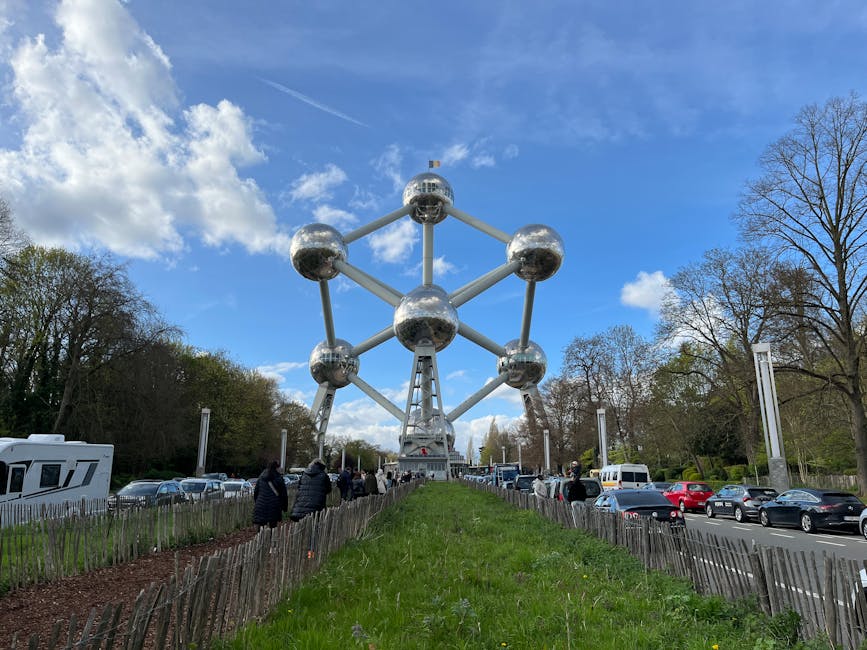
- To Atomium / Heysel: 20-30 minutes via metro Line 6.
- Brussels-Midi station: 10-15 minutes — convenient if pairing day-trip plans.
- Brussels-Central station: 5-15 minutes for Pentagon access.
- Cycling to nearby neighborhoods: Villo! bike share has docking stations across Ixelles (€1.65/day pass).
For deeper Brussels neighborhood exploration, see our Brussels neighbourhoods guide.
Ixelles Brussels Guide: Seasonal Visit Planning
Ixelles feels different across Brussels’ four distinct seasons — knowing what to expect helps you time your visit:
- Spring (March-May): Daffodils and tulips bloom across Ixelles’s parks. Terraces start opening late March; full outdoor café culture by mid-April. Cherry blossom photogenic peak: 2nd week of April.
- Summer (June-August): Long daylight (sunset 22:00 in late June), outdoor concerts, neighborhood festivals. Ixelles terraces packed evenings; book restaurants 1-2 weeks ahead.
- Autumn (September-November): Lower tourist numbers, gold-and-amber foliage in parks, peak mussel season (“moules-frites”) at brasseries. Cozy café culture begins.
- Winter (December-February): Christmas markets (late November-early January) bring sparkle. Indoor museum and café culture dominant. Cold but not extreme (typically 0-7°C).
For the most photogenic Ixelles Brussels guide experience, target late April (spring blossom + outdoor terraces opening) or early October (autumn foliage + lower tourism). For more on Brussels by month, see our best time to visit Brussels guide.
Ixelles Brussels Guide: Where to Stay
Staying in Ixelles versus the Pentagon historic centre trades immediate Grand Place access for authentic neighbourhood feel and (typically) 20-30% lower hotel rates. Ixelles accommodation considerations:
- Hotel quality: Mostly 3-4 star independent and boutique properties. International chains (Marriott, Pullman) cluster in the Pentagon and at Brussels-Midi rather than residential neighborhoods.
- Best transport links: Choose Ixelles accommodation within 5 minutes’ walk of a metro or tram stop — saves time daily.
- Neighborhood character: Each Ixelles property reflects local character — Art Nouveau facades, refurbished townhouses, residential streets.
- Breakfast: Local cafés often beat hotel breakfast for both quality and price. Many Ixelles hotels are dropping breakfast inclusion in favor of local partnerships.
- Best for: Repeat Brussels visitors, slower-paced travellers, those wanting authentic neighborhood feel.
- Less ideal for: Tight-schedule first-time visitors who’ll spend all day at Grand Place sights.
For more on Brussels accommodation by neighborhood, see our where to stay in Brussels guide.
Final Thoughts
The Ixelles Brussels guide rewards travellers who want to see Brussels as locals see it. Whether you sample African cuisine in Matongé, browse Châtelain’s designer boutiques, walk the Ixelles lakes, or splurge at humus x hortense, you’ll discover why so many Brussels-based expats refuse to live anywhere else. For more on the city’s neighbourhoods, see our Brussels neighbourhoods guide, Sablon Brussels guide, and Marolles Brussels guide.