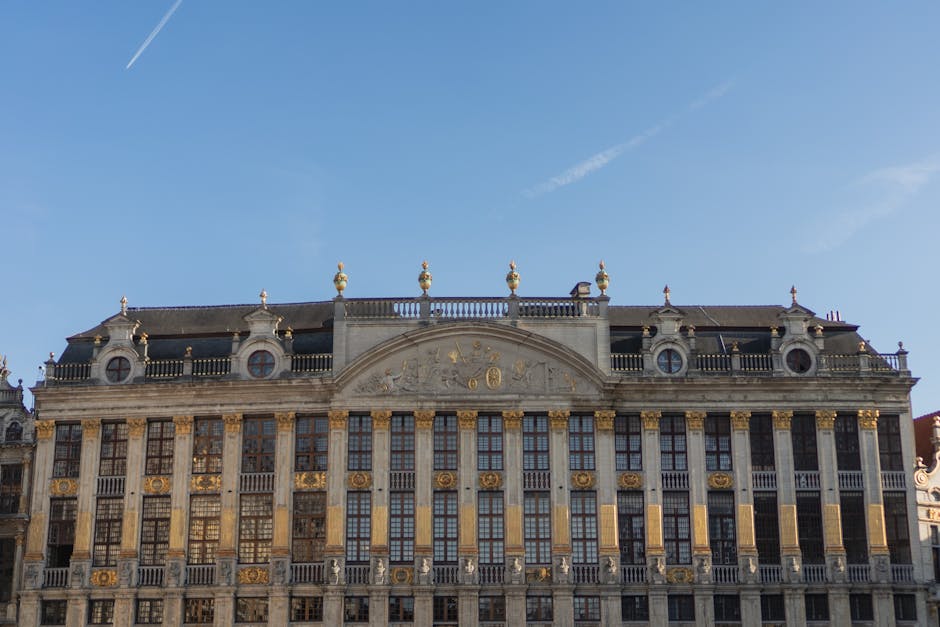
Choosing where to stay in Brussels can make or break your trip. The Belgian capital is a patchwork of 19 distinct communes — each with its own mayor, personality, and vibe — sprawling outward from the medieval core around Grand Place. Pick the right neighbourhood and you’ll wake up steps from world-class chocolate shops, Art Nouveau masterpieces, or the beating heart of European democracy. Pick the wrong one and you might find yourself in a soulless business district or an area that feels unsafe after dark.
Having spent years exploring every corner of this endlessly fascinating city, I’ve put together this complete guide to where to stay in Brussels in 2026. Whether you’re a first-time visitor looking for convenience, a foodie chasing the best restaurant scene, a budget traveller stretching every euro, or a family needing space and safety, this guide covers the best neighbourhoods, what to expect from each, realistic price ranges, and practical tips to help you book the perfect base for your Brussels adventure.
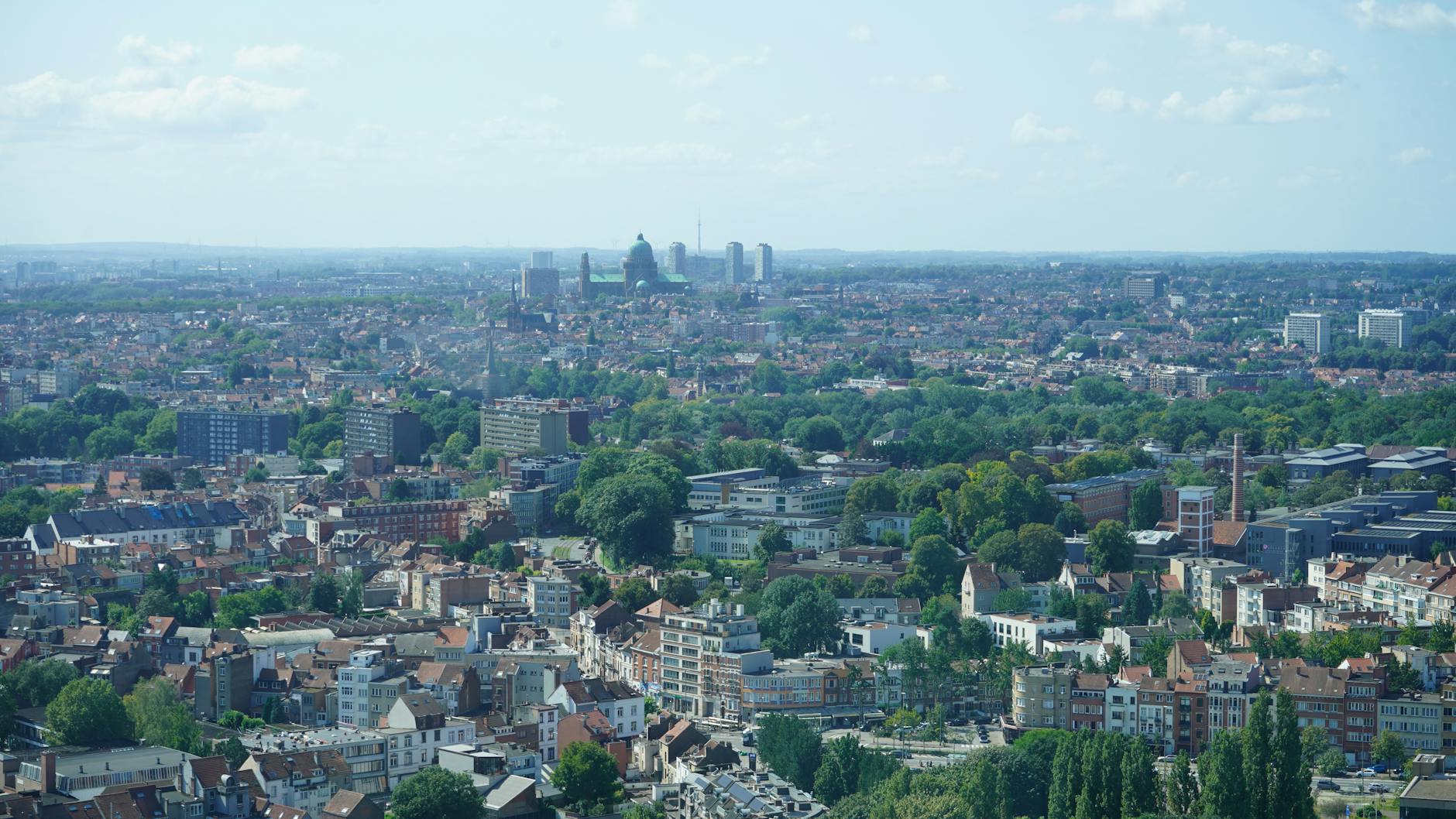
Quick Guide: Best Areas to Stay in Brussels at a Glance
Short on time? Here’s a quick summary of the best areas to stay in Brussels by traveller type before we dive into the detail:
Best for first-time visitors: City Centre (Grand Place area) — walk to every major landmark
Best for foodies: Sainte-Catherine — Brussels’ seafood and restaurant heartland
Best for nightlife: Saint-Géry / Dansaert — the trendiest bar and club district
Best for culture: Sablon — antiques, galleries, and world-class chocolate
Best for local atmosphere: Ixelles — Art Nouveau streets and vibrant multicultural life
Best for hipsters and creatives: Saint-Gilles — bohemian cafés and art galleries
Best for families: Ixelles or Woluwe — parks, space, and a residential feel
Best for business: European Quarter — walking distance to EU institutions
Best for budget travellers: Marolles or Saint-Josse — lower prices, bags of character
Best for luxury: Avenue Louise / Upper Town — designer shopping and five-star hotels
1. City Centre (Grand Place / Îlot Sacré) — Best for First-Time Visitors
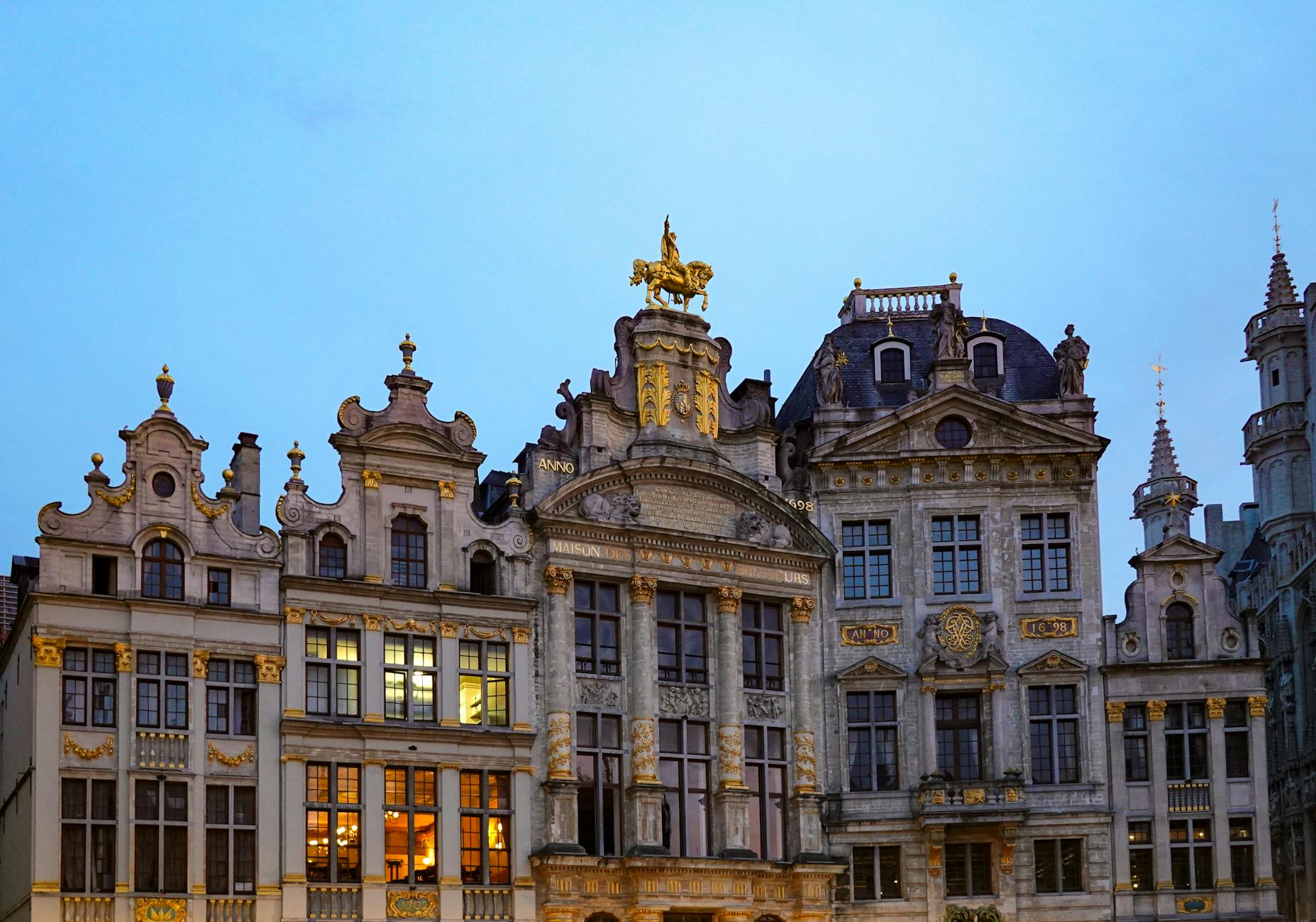
If this is your first time in Brussels, the city centre is the obvious choice and for good reason. The historic core — centred on the UNESCO-listed Grand Place and the tangle of pedestrianised streets known as the Îlot Sacré — puts you within walking distance of virtually every major attraction. Manneken Pis, the Royal Museums, the Magritte Museum, the Belgian Comic Strip Center, the Cathedral of St. Michael and St. Gudula, and dozens of chocolate shops are all minutes away on foot.
The area around Brussels Central Station (Bruxelles-Central / Brussel-Centraal) is particularly convenient if you’re arriving by train from the airport, Bruges, Ghent, or other Belgian cities. The station sits at the edge of the historic centre, making it an ideal anchor point for accommodation.
What to Expect in the City Centre
Streets are busy from morning through late evening, especially around Rue des Bouchers (the famous “restaurant row”), Rue Neuve (the main shopping street), and the Grand Place itself. You’ll find a dense concentration of restaurants, waffle shops, chocolate boutiques, and tourist services. The architecture is stunning — ornate guildhalls, baroque facades, and centuries-old passages like the Galeries Royales Saint-Hubert, one of Europe’s oldest shopping arcades.
The trade-off is that this is the most touristy part of Brussels. Restaurants on Rue des Bouchers are generally overpriced and mediocre — locals avoid them. Noise can be an issue, especially on weekend nights when the bar-hopping crowd from nearby Saint-Géry spills over. And prices for accommodation here are the highest in the city.
Price Range
Expect to pay €120–200/night for a well-reviewed mid-range hotel, €80–120 for a budget option, and €250+ for luxury properties. Weekend rates are often lower than weekday rates because the business traveller crowd disappears. During major EU summits and events like the Brussels Christmas market (Winter Wonders), prices spike significantly — book well in advance for November through January.
Who Should Stay Here
First-time visitors on short trips (1–3 nights), anyone who wants walkability above all else, and travellers who prefer the energy of a busy city centre. Not ideal for those seeking a quiet, residential feel or authentic local dining.
Insider tip: Look for hotels on the quieter eastern side of the centre near Place Royale and Mont des Arts. You still get walkability to Grand Place but escape most of the noise, and you’re closer to the Royal Museums and Magritte Museum.
2. Sainte-Catherine — Best for Foodies
Just northwest of Grand Place, the Sainte-Catherine (Sint-Katelijne) neighbourhood centres on the Place Sainte-Catherine, a broad square that was once Brussels’ fish market and still reflects that heritage today. This is widely considered the best neighbourhood in Brussels for eating out, with an outstanding concentration of seafood restaurants, bistros, wine bars, and some of the city’s most acclaimed fine-dining establishments.
The area has a wonderful mix of old and new. The imposing Church of Sainte-Catherine anchors the square, while surrounding streets blend traditional Brussels brown cafés with sleek modern restaurants and cocktail bars. The nearby Quai aux Briques and Quai au Bois à Brûler — named after the quays of the now-covered canal — are lined with some of the best fish restaurants in the city.
What to Expect
Sainte-Catherine feels like a sweet spot between tourist convenience and local authenticity. You’re still only a 5–10 minute walk from Grand Place, but the atmosphere is noticeably more relaxed and genuinely Belgian. The daily food market on the square is a highlight, and the neighbourhood hosts some of Brussels’ best-loved institutions: Noordzee/Mer du Nord (a legendary standing-only seafood bar), Bij den Boansen, and numerous contemporary restaurants that regularly appear in food guides.
Price Range
€100–170/night for mid-range hotels. You’ll find good value compared to the Grand Place area, with generally higher quality restaurants at lower prices. Boutique hotels and design-forward properties are increasingly common here.
Who Should Stay Here
Food lovers, couples on romantic breaks, and anyone who wants to be close to the centre without being in the thick of the tourist crowds. Also excellent for those who enjoy evening dining — the neighbourhood comes alive after 7pm.
3. Saint-Géry / Dansaert — Best for Nightlife and Trendy Vibes
The Saint-Géry district, centred on the Place Saint-Géry and extending into the Rue Antoine Dansaert corridor, is where Brussels gets its edge. Once a run-down area around a covered market hall, it has transformed over the past two decades into the city’s trendiest quarter — packed with craft cocktail bars, independent fashion boutiques, vinyl design studios, and some genuinely excellent restaurants.
The Halles Saint-Géry, the beautiful iron-and-glass market hall on the square, now hosts exhibitions, pop-up events, and a lively bar scene. The streets radiating from it — particularly Rue du Pont de la Carpe and Rue de Flandre — are dense with bars that stay open late into the night. Rue Antoine Dansaert, running parallel, is Brussels’ answer to a designer shopping street: Belgian fashion labels like Dries Van Noten and Ann Demeulemeester have flagship stores here.
What to Expect
Vibrant, youthful energy that peaks from Thursday through Saturday nights. During the day, the area has a quieter, creative feel with galleries and coffee shops. It’s well-positioned: Grand Place is a 5-minute walk east, Sainte-Catherine a 3-minute walk north, and the Marolles flea market a 10-minute walk south. Accommodation options lean toward boutique hotels and stylish apartments rather than big chains.
Price Range
€90–160/night for mid-range options. Good-value boutique hotels and apartments are readily available. This is one of the better value-for-money areas given its central location and character.
Who Should Stay Here
Young travellers, nightlife enthusiasts, fashion-conscious visitors, and anyone who prefers a trendy, creative atmosphere over a traditional tourist experience. Not ideal if you need quiet nights — weekend noise from bars can carry.
4. Sablon — Best for Culture, Antiques, and Chocolate
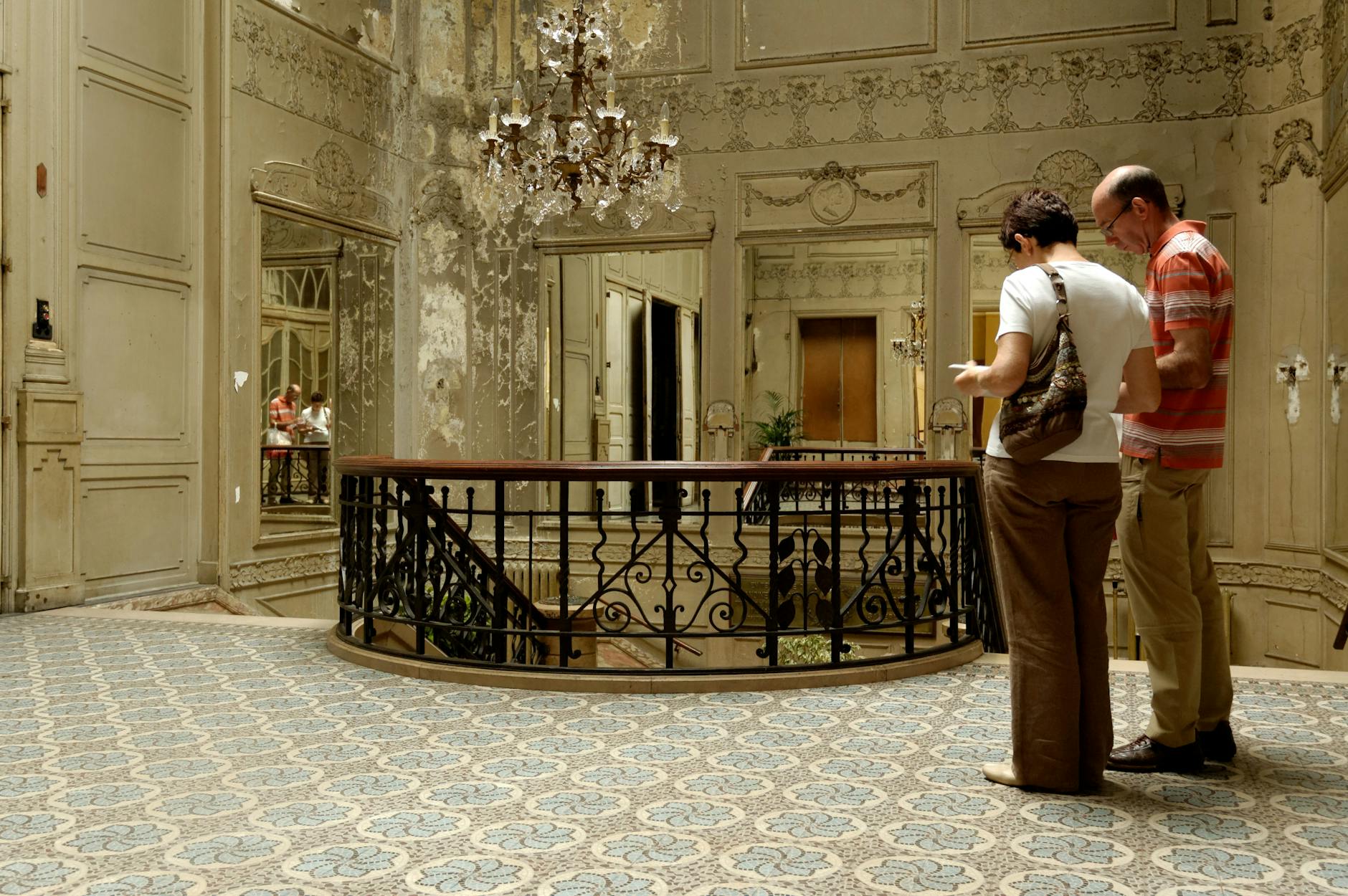
Perched on the hill between the lower city centre and the Upper Town, the Sablon (Zavel) is Brussels at its most elegant. This is where you’ll find the city’s finest chocolate shops — including Pierre Marcolini, Wittamer, and Passion Chocolat — alongside antique dealers, art galleries, and refined restaurants. The neighbourhood revolves around two connected squares: the Grand Sablon and the intimate Petit Sablon, which is surrounded by a beautiful garden with 48 bronze statues representing the medieval guilds.
Every weekend, the Grand Sablon hosts one of Europe’s most prestigious antiques and book markets (Saturday 9am–6pm, Sunday 9am–2pm), drawing collectors from across the continent. Even if you’re not buying, it’s a wonderful atmosphere — browsing old maps, vintage jewellery, and art deco objects while sipping coffee from one of the surrounding terraces.
What to Expect
A quieter, more upscale pace than the city centre. The streets are clean, the architecture is beautiful, and the general atmosphere is refined without being stuffy. You’re a 10-minute walk downhill to Grand Place, and a 5-minute walk to the Royal Museums and Magritte Museum in the Upper Town. The Church of Notre-Dame du Sablon, a masterpiece of Brabantine Gothic architecture, is one of Brussels’ most beautiful buildings.
Price Range
€130–220/night for mid-range to upscale hotels. The Sablon skews toward the higher end, reflecting its upscale character. Boutique hotels here tend to be among the most charming in Brussels.
Who Should Stay Here
Couples, culture lovers, antique enthusiasts, and anyone who appreciates a more refined, quieter atmosphere. Excellent for chocolate lovers — you’re literally surrounded by the best chocolatiers in Belgium. Also a great choice for art lovers given the proximity to the Royal Museums.
5. Ixelles — Best for Local Atmosphere and Young Travellers
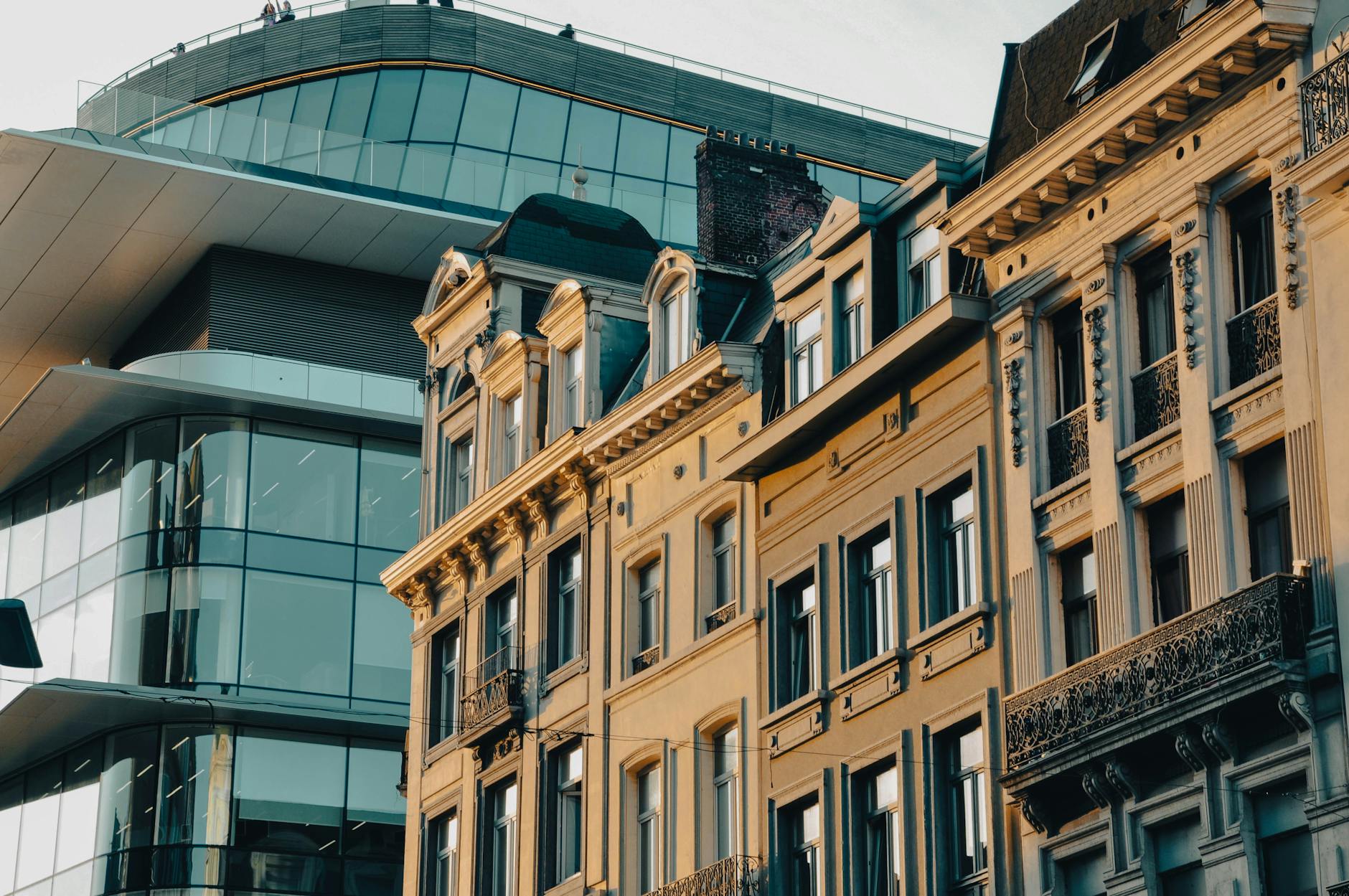
If you want to experience Brussels like a local rather than a tourist, Ixelles (Elsene) is your best bet. This sprawling commune south of the city centre is arguably the most diverse and dynamic neighbourhood in Brussels. It’s home to two universities (ULB and VUB), the Matongé district (Brussels’ vibrant African quarter with incredible Congolese restaurants), the green expanses of the Bois de la Cambre park, and some of the finest Art Nouveau architecture in the world.
The heart of Ixelles is the Place Eugène Flagey, a lively square overlooked by the striking Art Deco Flagey building (a former radio broadcasting centre, now a cultural venue) and bordered by the twin Ixelles Ponds. The surrounding streets are packed with independent restaurants, multicultural grocery shops, brunch spots, and bars that feel completely untouched by tourism.
What to Expect
A genuinely multicultural, residential neighbourhood where you’ll hear French, Dutch, English, Portuguese, and Lingala on a single block. Accommodation is typically apartments, B&Bs, and smaller boutique hotels rather than large chains. You’re 15–20 minutes from Grand Place by tram or metro, but honestly, Ixelles itself has so much to see and do that you might not want to leave. The Chaussée d’Ixelles and Rue du Bailli are excellent for shopping, dining, and people-watching.
Art Nouveau fans should not miss the Horta Museum in neighbouring Saint-Gilles (a 10-minute walk), and the streets around Rue Africaine and Avenue Louise are lined with stunning examples of Victor Horta’s and Paul Hankar’s work.
Price Range
€80–140/night for mid-range options. Ixelles offers some of the best value in Brussels — you get a far more authentic neighbourhood experience at lower prices than the city centre. Apartments on Airbnb and Booking.com are particularly good value here.
Who Should Stay Here
Young travellers, art and architecture enthusiasts, foodies who want to eat where locals eat, digital nomads, and anyone staying longer than a few days who wants a residential base. Excellent for families with older children thanks to the parks and relaxed atmosphere.
6. Saint-Gilles — Best for Hipsters and Creatives
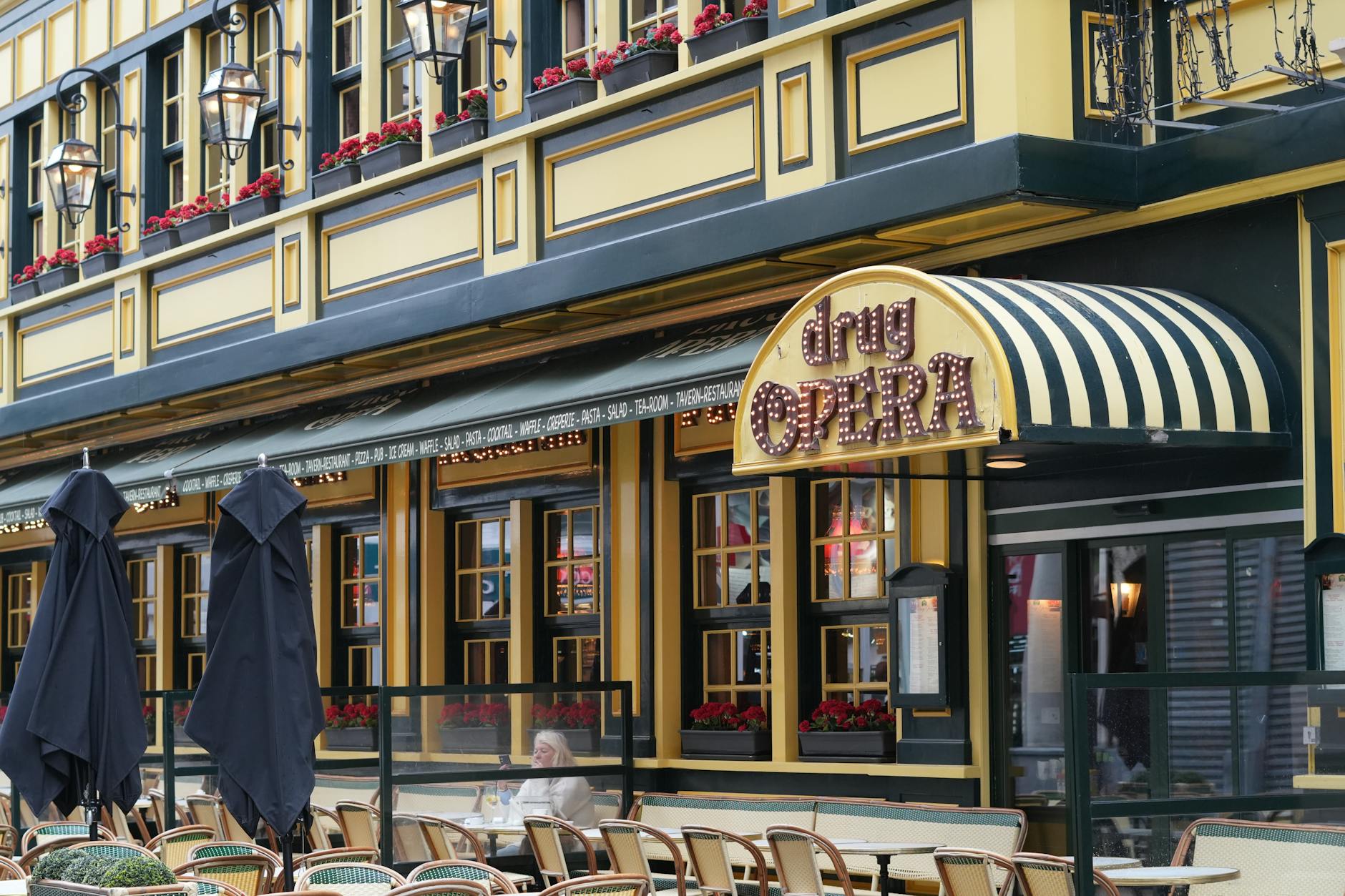
Saint-Gilles (Sint-Gillis) is Ixelles’ equally charming neighbour to the west, with a slightly grittier, more bohemian edge that has made it a magnet for artists, designers, musicians, and young professionals priced out of the city centre. Think independent coffee roasters, vinyl record shops, vegetarian restaurants, co-working spaces, and street art — all set against a backdrop of stunning Art Nouveau architecture.
The neighbourhood’s crown jewel is the Horta Museum — the former home and studio of Art Nouveau pioneer Victor Horta, and a UNESCO World Heritage Site. The Parvis de Saint-Gilles, a large triangular square, hosts a colourful market twice a week and is surrounded by international restaurants and lively bars. Each year in September, the Parcours d’Artistes opens dozens of private studios and galleries to the public — it’s one of Brussels’ best cultural events.
What to Expect
A creative, multicultural neighbourhood that feels like a village within the city. It’s less polished than Ixelles and more working-class, which is part of its appeal. Prices are lower, restaurants serve food from every continent, and you’ll find a genuine sense of community. The Barrière de Saint-Gilles area near the prison has been rapidly gentrifying and now has some excellent cafés and brunch spots. Getting to Grand Place takes about 20 minutes by tram.
Price Range
€70–120/night for mid-range options. Among the best value in Brussels for the quality of experience you get. B&Bs, guesthouses, and apartments are the most common accommodation types.
Who Should Stay Here
Creative types, budget-conscious travellers who still want character, art lovers (the Horta Museum alone justifies staying here), and anyone who enjoys a bohemian, off-the-beaten-path neighbourhood. Excellent for longer stays.
7. European Quarter — Best for Business Travellers
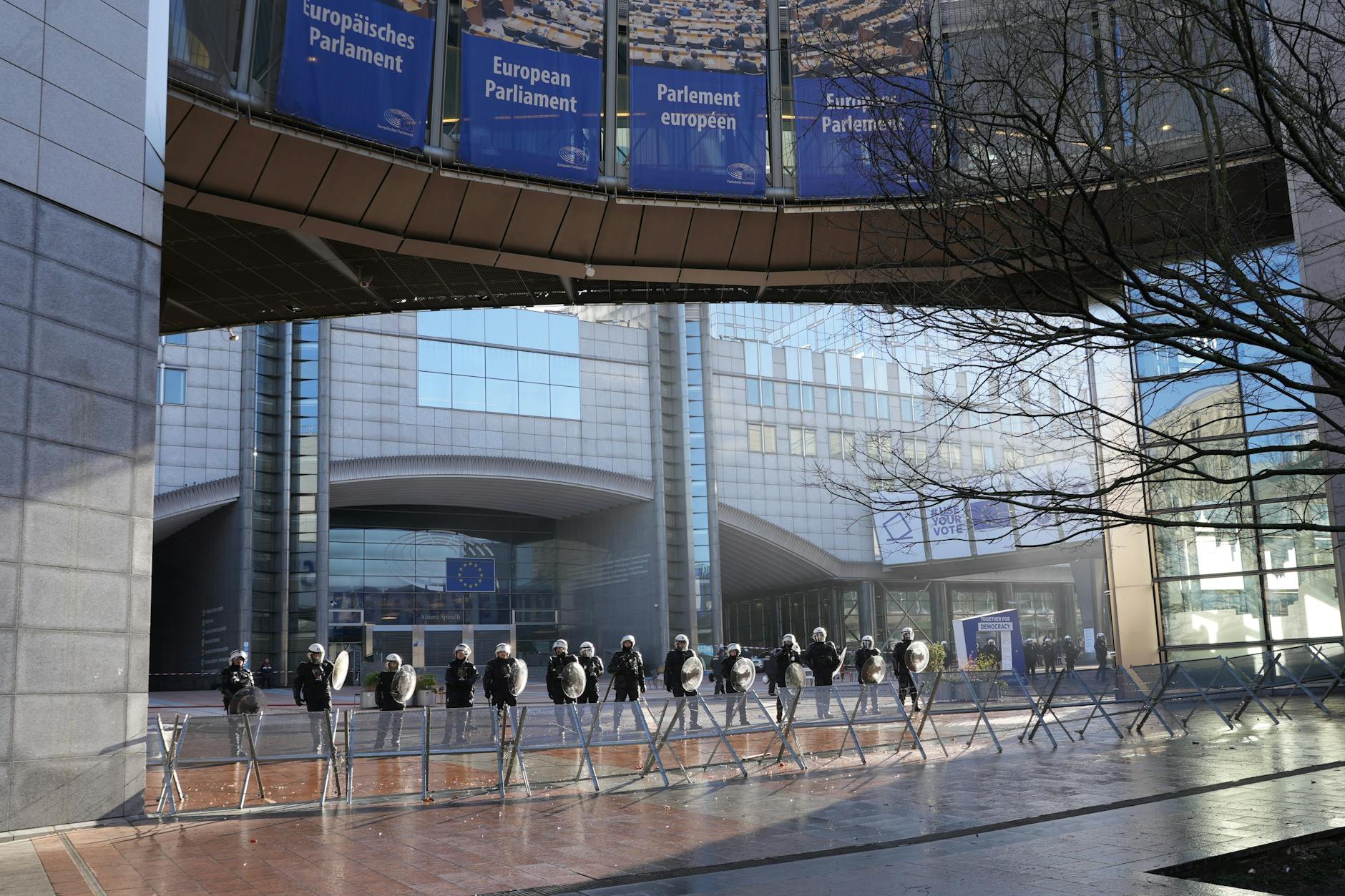
The European Quarter (Quartier Européen) is the institutional heart of the European Union, home to the European Parliament, the European Commission (Berlaymont building), and the Council of the European Union. It’s a modern, purpose-built district centred on the Rond-Point Schuman and stretching east toward the beautiful Parc du Cinquantenaire.
For business travellers attending meetings at EU institutions, staying in the European Quarter is the practical choice. The area has large international hotels, conference facilities, and easy metro access to the rest of the city. Beyond work, the Parc du Cinquantenaire is one of Brussels’ finest green spaces, and the area houses three excellent museums: Autoworld, the Art & History Museum, and the Military Museum.
What to Expect
A sterile, functional atmosphere during weekdays that empties dramatically on evenings and weekends. Restaurants cater to the expense-account crowd during the week and many close on Saturday and Sunday. The architecture is mostly 1960s–modern, lacking the charm of the historic centre. However, the Parc Léopold, tucked behind the Parliament, is a hidden gem — a leafy park with a lake that feels surprisingly peaceful given its surroundings.
Important pricing note: Hotel prices in the European Quarter — and across Brussels — spike dramatically during weeks with major EU summits, European Council meetings, and NATO events. These typically happen several times per year and can double or triple normal rates. Check the EU Council calendar before booking.
Price Range
€90–180/night weekdays, dropping to €60–100/night on weekends when business demand disappears. This makes it a surprisingly good budget option for weekend leisure visitors willing to sacrifice neighbourhood charm for a well-appointed hotel room at half price.
Who Should Stay Here
Business travellers, EU professionals, and budget-savvy weekend visitors who don’t mind a less characterful neighbourhood. Not recommended for first-time tourists wanting to soak up Brussels’ atmosphere.
8. Marolles — Best for Character on a Budget
The Marolles (Marollen) is one of Brussels’ oldest and most characterful neighbourhoods — a working-class district that has evolved over centuries while stubbornly retaining its identity. The centrepiece is the Place du Jeu de Balle, home to Brussels’ famous daily flea market (every day from 6am, but best on weekends). Here, you’ll find everything from vintage clothing and antique furniture to old vinyl records and bric-a-brac of every description.
The neighbourhood sits in the valley below the Palais de Justice, connected to the Sablon above by a glass elevator (the Ascenseur Marolles) that offers panoramic views. It’s raw, authentic, and increasingly gentrified at the edges — craft breweries and trendy restaurants are popping up alongside the traditional Brussels brown cafés where old-timers still speak Brusseleer, the city’s endangered local dialect.
What to Expect
A genuine, slightly rough-around-the-edges neighbourhood with enormous character. It’s walkable to the Grand Place in 10–15 minutes via the Sablon. Dining here is eclectic and affordable — Portuguese tavernas, Moroccan restaurants, classic Belgian bistros, and hip newcomers all coexist. The area has improved significantly in recent years but retains an edge that more polished neighbourhoods lack.
Price Range
€60–100/night for most options. Among the cheapest centrally-located accommodation in Brussels, with a growing number of B&Bs and boutique guesthouses. Apartments are excellent value.
Who Should Stay Here
Budget travellers with a sense of adventure, flea market enthusiasts, those who appreciate authentic urban neighbourhoods, and travellers who enjoy discovering a city at street level. Not ideal if you need luxury or pristine surroundings.
9. Avenue Louise / Upper Town — Best for Luxury and Shopping
The Avenue Louise corridor and surrounding Upper Town area represent the most upscale residential and shopping district in Brussels. The broad, tree-lined avenue stretches from the Palais de Justice southeast to the Bois de la Cambre, lined with luxury boutiques (Louis Vuitton, Hermès, Chanel), high-end restaurants, and some of Brussels’ finest hotels.
The Upper Town itself — the elevated area around the Place Royale, Palais Royal, and Mont des Arts — is home to the Royal Museums, the Musical Instruments Museum (MIM), the Palace of Fine Arts (BOZAR), and the majestic Royal Palace. It’s Brussels at its most stately and elegant.
What to Expect
A sophisticated, well-maintained area with excellent infrastructure. Avenue Louise has its own metro stops and is well-connected to the rest of the city. The architecture is a mix of 19th-century townhouses, Art Nouveau gems, and modern apartment blocks. The area is residential and quiet at night — very different from the bustling city centre. The southern end of Avenue Louise transitions into the leafy streets of Ixelles and the vast Bois de la Cambre park.
Price Range
€150–350/night for hotels, reflecting the upscale character. Five-star properties like the Steigenberger Wiltcher’s and Hotel Amigo set the tone. However, apartments and B&Bs in the area can offer surprisingly good value at €100–150/night.
Who Should Stay Here
Luxury travellers, shoppers, anyone wanting an elegant residential atmosphere, and travellers who prioritise quiet, well-appointed accommodation over nightlife and street energy.
Brussels Accommodation Types: What to Know
Brussels offers every accommodation type you’d expect from a major European capital, but the mix is different from cities like Paris or London. Here’s what to know:
Hotels
The hotel scene in Brussels is dominated by international chains — Marriott, Hilton, NH, Thon — particularly in the European Quarter and around the train stations. However, the boutique hotel scene has exploded in recent years. Properties like Jam Hotel (Saint-Géry), Hotel des Galeries (next to the Galeries Saint-Hubert), and Made in Louise (Avenue Louise) offer design-forward rooms with genuine personality.
Pro tip: Brussels is primarily a business city, so hotel prices are typically higher on weekdays and lower on weekends — the opposite of most tourist destinations. This means Friday–Sunday stays often represent excellent value, especially in the European Quarter and around the train stations.
Apartments and Apart-Hotels
For stays of three nights or more, apartments are often the best value — and the most comfortable — option in Brussels. Apart-hotels like Citadines and Adagio offer hotel services with apartment-style rooms. Short-term rental platforms have plenty of options in Ixelles, Saint-Gilles, and the city centre. Expect to pay €70–120/night for a well-located one-bedroom apartment.
Hostels

Brussels has a good range of hostels, particularly in and around the city centre. 2GO4 Quality Hostel on Grand Place and the MEININGER Hotel near Gare du Midi are both well-reviewed. Dorm beds run €20–35/night, and many hostels offer private rooms for €60–80/night. The Brussels Hello Hostel in Sainte-Catherine combines a great location with modern facilities.
B&Bs and Guesthouses
Brussels has a thriving B&B scene, particularly in residential communes like Ixelles, Saint-Gilles, and Schaerbeek. These are often the best way to experience the city like a local — hosts are typically knowledgeable and happy to share recommendations. Expect to pay €70–120/night for a comfortable room with breakfast.
Areas to Avoid (or Approach with Caution)
Brussels is generally a safe city, but like any European capital, there are areas where tourists should exercise caution — particularly at night. Being transparent about this helps you make an informed decision about where to stay in Brussels.
Around Gare du Midi (Brussels South Station)
While Gare du Midi is a major transport hub — it’s where Eurostar and ICE trains arrive — the streets immediately surrounding the station are not pleasant. The area has a reputation for petty crime, particularly around the station entrance and along Rue de France. If you’re arriving late, take a taxi or the metro to your accommodation rather than walking with luggage.
Important note: This doesn’t mean you shouldn’t use Gare du Midi. It’s a perfectly functional station with good security inside. Just don’t book a hotel on its doorstep expecting a charming neighbourhood.
Around Gare du Nord (Brussels North Station)
The area north of Gare du Nord, particularly along Rue d’Aerschot, is Brussels’ red-light district. While not dangerous per se, it’s not an area where most tourists would want to stay. The station itself is fine, and the area is being slowly redeveloped, but accommodation here is best avoided.
Parts of Molenbeek and Anderlecht
The western communes of Molenbeek and Anderlecht have undergone significant gentrification in recent years, with the canal zone near Tour & Taxis becoming increasingly trendy. However, some streets further from the centre can feel rundown and disconnected from the tourist infrastructure. Unless you have a specific reason to stay here (visiting the CERIA campus, for example), there are better-connected options closer to the centre.
Getting Around: Transport Tips for Choosing Your Base
Understanding Brussels’ transport network will help you choose where to stay, because a neighbourhood that seems far on a map may be just 10 minutes away by metro.
The STIB/MIVB network operates an efficient system of metro lines (4 lines), trams (17 lines), and buses covering virtually every corner of the city. A single journey costs €2.40 by contactless card (€2.90 on a paper ticket), and a paper 1-day ticket costs €9. The system runs from approximately 5:30am to midnight, with night buses on Fridays and Saturdays.
Key metro connections for accommodation planning:
The metro lines 1 and 5 run east-west through the city, connecting Gare de l’Ouest through the centre to the European Quarter and beyond. Lines 2 and 6 form a loop around the centre. For most tourists, being within a 10-minute walk of any metro station means you can reach the centre quickly. This opens up neighbourhoods like Ixelles (metro Louise or Flagey tram), Saint-Gilles (trams 3, 4, 51), and the European Quarter (metro Schuman or Maelbeek) as viable bases even if they’re not in the historic core.
From the airport: Brussels Airport (Zaventem) is connected to the city by train (about 18 minutes to Brussels Central). Brussels South Charleroi Airport, used by budget airlines, is connected by shuttle bus to Gare du Midi (approximately 55 minutes, around €17).
Seasonal Guide: When Prices Rise and Fall
Brussels accommodation prices follow a pattern that’s quite different from purely tourist cities like Barcelona or Amsterdam. Understanding this can save you significant money.
Peak Business Season (September – June weekdays)
When the EU Parliament is in session and business travellers flood the city, weekday hotel rates rise — particularly in the European Quarter, city centre, and around the train stations. Expect to pay 20–40% more on Tuesday, Wednesday, and Thursday nights compared to weekends.
Weekend Sweet Spot
Friday and Saturday nights are typically the cheapest time to stay in business-oriented hotels. Four-star hotels that charge €180 on a Wednesday might drop to €90–110 on a Saturday. This makes Brussels an excellent value for weekend city breaks.
Summer (July – August)
The EU goes on recess, business travel drops, and hotel prices fall across the board. This is the cheapest time to visit Brussels overall, though the city is quieter and some restaurants may close for holiday.
Christmas and New Year (Late November – Early January)
The Winter Wonders Christmas market drives strong tourist demand, and hotel prices in the city centre rise accordingly. Book at least 6–8 weeks in advance for the best rates.
EU Summit Weeks
Several times a year, European Council summits bring heads of state and their entourages to Brussels. During these weeks, hotels — especially in the European Quarter and city centre — can be fully booked and prices double. Check the Council calendar to avoid being caught out.
Smart Booking Tips for Brussels
Here are practical strategies that can save you money and ensure you get the best accommodation for your trip:
Book weekends, not weekdays: As mentioned, Brussels’ business-city dynamic means weekends are cheaper. If you have flexibility, a Friday–Sunday stay will always be better value than a Tuesday–Thursday one.
Check for EU event conflicts: Before booking, verify there are no major EU summits or NATO meetings during your dates. These events can dramatically inflate prices.
Consider the shoulder zones: Neighbourhoods at the edge of the centre — Sainte-Catherine, Saint-Géry, the lower Sablon — give you walkability to the major sights at lower prices than hotels right on Grand Place.
Look for last-minute deals: Brussels’ large hotel inventory, built for business demand, means there are often unsold rooms. Apps like HotelTonight can yield significant last-minute discounts, especially for weeknight stays.
Apartments for 3+ nights: If you’re staying more than two nights, apartments almost always offer better value and more space than hotels. Neighbourhoods like Ixelles and Saint-Gilles have excellent apartment stock.
Breakfast separately: Hotel breakfasts in Brussels often cost €15–25 per person. Instead, step out to a local bakery or café — you’ll eat better for less. Brussels has excellent bakeries everywhere, and a coffee and couque au beurre (butter pastry) at a neighbourhood café is a far better morning experience than a hotel buffet.
Explore Where to Stay in Depth
This guide is the overview. Each link below goes deeper on one part of it:
- Best Hotels in Brussels City Centre — 12 Top Picks for
- Budget Hotels & Hostels in Brussels — 14 Affordable Stays for
- Family Hotels in Brussels — 12 Kid-Friendly Stays for
- Hotels Near Grand Place Brussels — 12 Closest Picks for
- Hotels Near Brussels Airport — 10 Options with Free Shuttle
- Brussels Hotel Booking Tips — How to Get the Deals
Frequently Asked Questions About Where to Stay in Brussels
What is the best area to stay in Brussels for the first time?
For first-time visitors, the city centre near Grand Place is the most convenient choice. You can walk to all major landmarks, and you’re well-connected by metro and train to the rest of the city. If you prefer a slightly quieter experience while still being central, Sainte-Catherine or the Sablon are excellent alternatives — both are within a 10-minute walk of Grand Place but with less tourist congestion.
How many days should you spend in Brussels?
Two to three days is ideal for most visitors to cover the highlights. With two days, you can see Grand Place, the Atomium, the main museums, and enjoy the food scene. Three days allows you to explore more of the city’s attractions, visit neighbourhoods like Ixelles and Marolles, and make a day trip to Bruges or Ghent. If you’re a food or beer enthusiast, four days lets you really dive deep.
Is Brussels safe for tourists?
Yes, Brussels is generally very safe for tourists. Standard urban precautions apply: watch for pickpockets on public transport (particularly metro lines 1 and 5) and in crowded tourist areas around Grand Place and Gare du Midi. Avoid walking alone late at night around the train stations (Gare du Nord and Gare du Midi). The city centre, Sablon, Ixelles, Sainte-Catherine, and the European Quarter are all safe at any time.
Is it better to stay near Grand Place or Gare du Midi?
Definitely Grand Place. While Gare du Midi is convenient for Eurostar arrivals, the surrounding area is uninspiring and not the safest part of Brussels at night. The historic centre around Grand Place is only a 10-minute metro ride from Gare du Midi (metro line 1 or 5 to De Brouckère or Gare Centrale), so you sacrifice minimal convenience by staying in a far more pleasant area.
How expensive is Brussels compared to other European capitals?
Brussels is moderately priced — notably cheaper than Paris, London, Amsterdam, or Copenhagen, and comparable to or slightly above cities like Lisbon and Madrid. A decent mid-range hotel runs €100–150/night, a restaurant meal €15–25, a beer at a bar €4–6, and a day of public transport €8.50 at most by contactless card. Budget travellers can manage on €60–80/day including accommodation; mid-range visitors should budget €120–180/day.
Should I stay in Brussels or Bruges?
Both, if you can. Brussels is a full-scale capital with world-class museums, diverse neighbourhoods, outstanding food, and a vibrant nightlife. Bruges is a beautifully preserved medieval city, ideal for a romantic day or overnight trip, but much smaller and more touristy. If you only have 2–3 days, base yourself in Brussels and do a day trip to Bruges (just one hour by train). If you have 4+ days, consider splitting your time.
What’s the best way to get from Brussels Airport to the city centre?
The fastest option is the train from Brussels Airport to Brussels Central station — it takes about 18 minutes, and the fare includes the mandatory €6.90 airport supplement. Six trains an hour run from early morning until around midnight. A taxi averages about €50 and takes 25–40 minutes depending on traffic. If you’re arriving at Brussels South Charleroi Airport (used by Ryanair and Wizz Air), take the airport shuttle bus to Gare du Midi (approximately 55 minutes, €17).
Deciding where to stay in Brussels ultimately comes down to what matters most to you: walkability, local atmosphere, budget, nightlife, or quiet refinement. The good news is that Brussels is compact enough that no neighbourhood is truly far from the action — even from Ixelles or Saint-Gilles, you’re never more than 20 minutes from Grand Place by tram. Whatever you choose, this is a city that will charm you from the first gaufre to the last lambic.
Planning your Brussels trip? Explore our detailed guides to things to do in Brussels, Brussels food and restaurants, and day trips from Brussels.
Before you book, it’s worth asking whether Brussels should be your only base. It’s the most practical one, with three main stations, the airport twenty minutes away and the widest range of hotels, but Ghent and Bruges each offer something Brussels can’t in the evenings. Our comparison of Brussels, Bruges, Ghent and Antwerp as a base sets out the train times, prices and trade-offs, and when splitting a week between two cities makes sense.