Brussels is not a single city — it is a mosaic of 19 communes, each with its own mayor, its own character, and its own reasons to visit. Unlike Paris with its numbered arrondissements or London with its boroughs, Brussels’ communes evolved from independent medieval villages that were eventually absorbed into the expanding capital. The result is a patchwork of neighbourhoods where you can walk ten minutes in any direction and find yourself in a completely different atmosphere.
This Brussels neighbourhoods guide breaks down the areas that matter most to visitors, from the Gothic grandeur of the Grand Place to the bohemian cafés of Saint-Gilles and the multicultural energy of Matongé. Whether you are planning your first trip or returning to discover corners you missed, understanding Brussels by neighbourhood is the key to experiencing the city like a local rather than a tourist ticking boxes.
What makes Brussels particularly rewarding to explore neighbourhood by neighbourhood is the compact scale. The entire Brussels-Capital Region covers just 161 square kilometres, and the areas most relevant to visitors sit within a walkable core of roughly five by three kilometres. Public transport — trams, buses, and metro — fills in the gaps. You can realistically visit three or four neighbourhoods in a single day without ever feeling rushed.
Grand Place & the City Centre: The Historic Heart
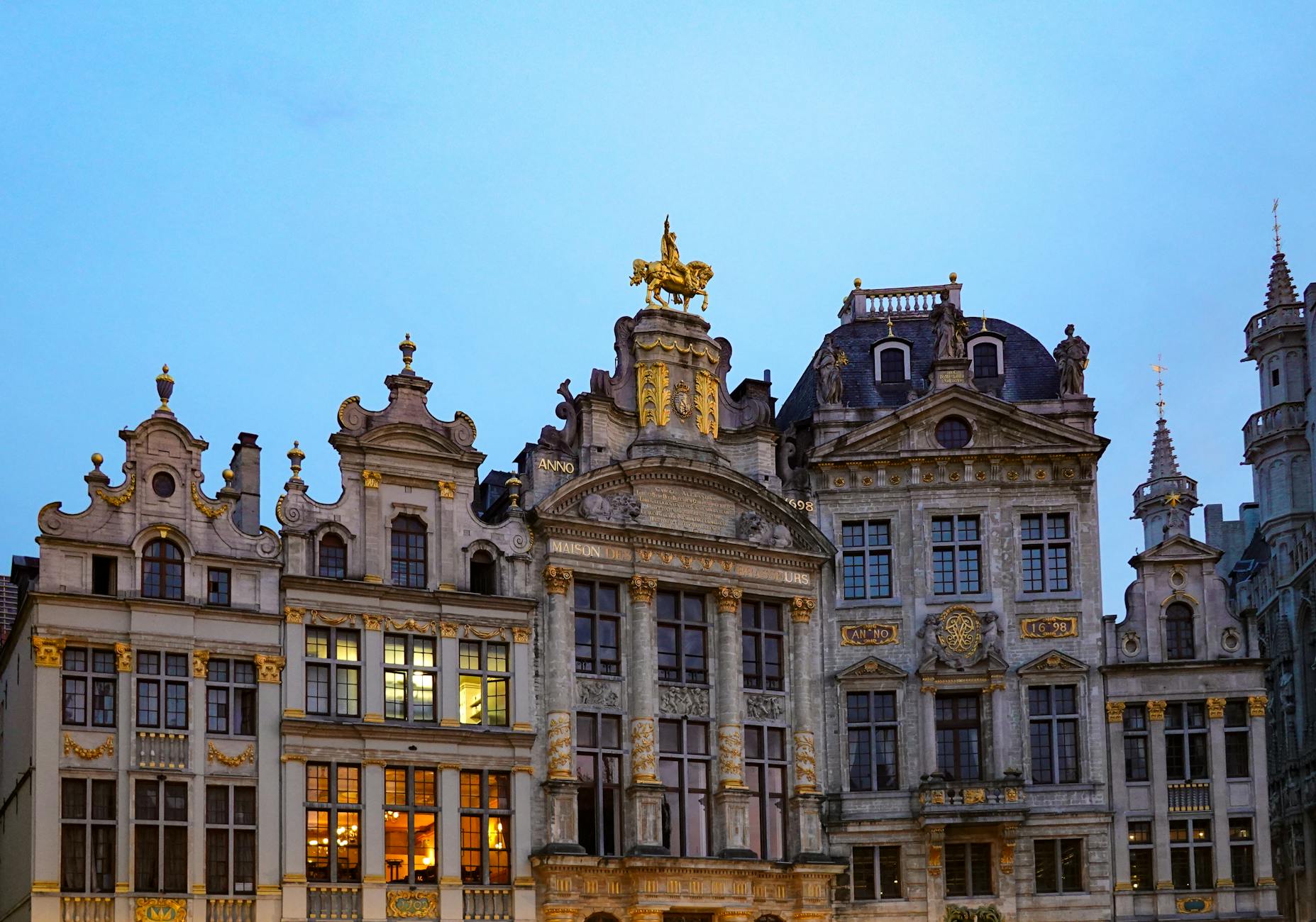
Every visit to Brussels begins at the Grand Place, and for good reason. This UNESCO World Heritage square is widely considered one of the most beautiful public spaces in Europe. The ornate guild houses with their gilded facades, the Gothic town hall with its 96-metre spire, and the Maison du Roi (now the Museum of the City of Brussels) create an architectural ensemble that has captivated visitors since Victor Hugo described it as the most beautiful square in the world.
The city centre radiates outward from the Grand Place in a web of narrow cobblestone lanes collectively known as the Îlot Sacré — the Sacred Isle. This pedestrianised zone was saved from demolition in the 1960s by citizen protests, and today it thrums with life. Rue des Bouchers is lined with seafood restaurants whose owners still beckon passersby in the traditional style, though locals tend to eat a street or two removed from the tourist core.
What to See and Do
The Galeries Royales Saint-Hubert, opened in 1847, were among the first covered shopping galleries in Europe and remain one of Brussels’ most elegant addresses. Inside, you will find chocolatiers like Neuhaus (who invented the Belgian praline here in 1912), bookshops, leather goods stores, and the Cinéma des Galeries, one of Belgium’s last single-screen art-house cinemas. The Manneken Pis, Brussels’ famous bronze fountain of a urinating boy, sits a short walk south of the Grand Place on Rue de l’Étuve. The statue itself is small — just 61 centimetres tall — but the wardrobe museum nearby displays over a thousand costumes donated by visiting dignitaries and organisations since the 18th century.
For a deeper cultural experience, the Belgian Comic Strip Centre on Rue des Sables occupies a stunning Victor Horta-designed Art Nouveau department store. Belgium’s comic tradition is serious business — this is the country that gave the world Tintin, the Smurfs, and Lucky Luke — and the museum traces the art form from its origins to contemporary graphic novels.
Where to Eat and Drink
Skip the tourist traps on Rue des Bouchers and head instead to Rue Antoine Dansaert or the side streets around the Bourse (the former stock exchange, now a cultural venue called the Brussels Experience). Mokafé on the Galeries Royales terrace serves excellent Belgian coffee and pastries with a view. For beer, À la Mort Subite on Rue Montagne aux Herbes Potagères is a Brussels institution — the wood-panelled interior has barely changed since 1928, and the house lambic beers are poured without ceremony.
Best For
First-time visitors, architecture enthusiasts, history buffs, and anyone wanting to orient themselves in the city. The Grand Place is particularly magical during the Flower Carpet (even-numbered years in August) and the winter Christmas Market (late November through December).
Sainte-Catherine & Dansaert: Trendy Brussels
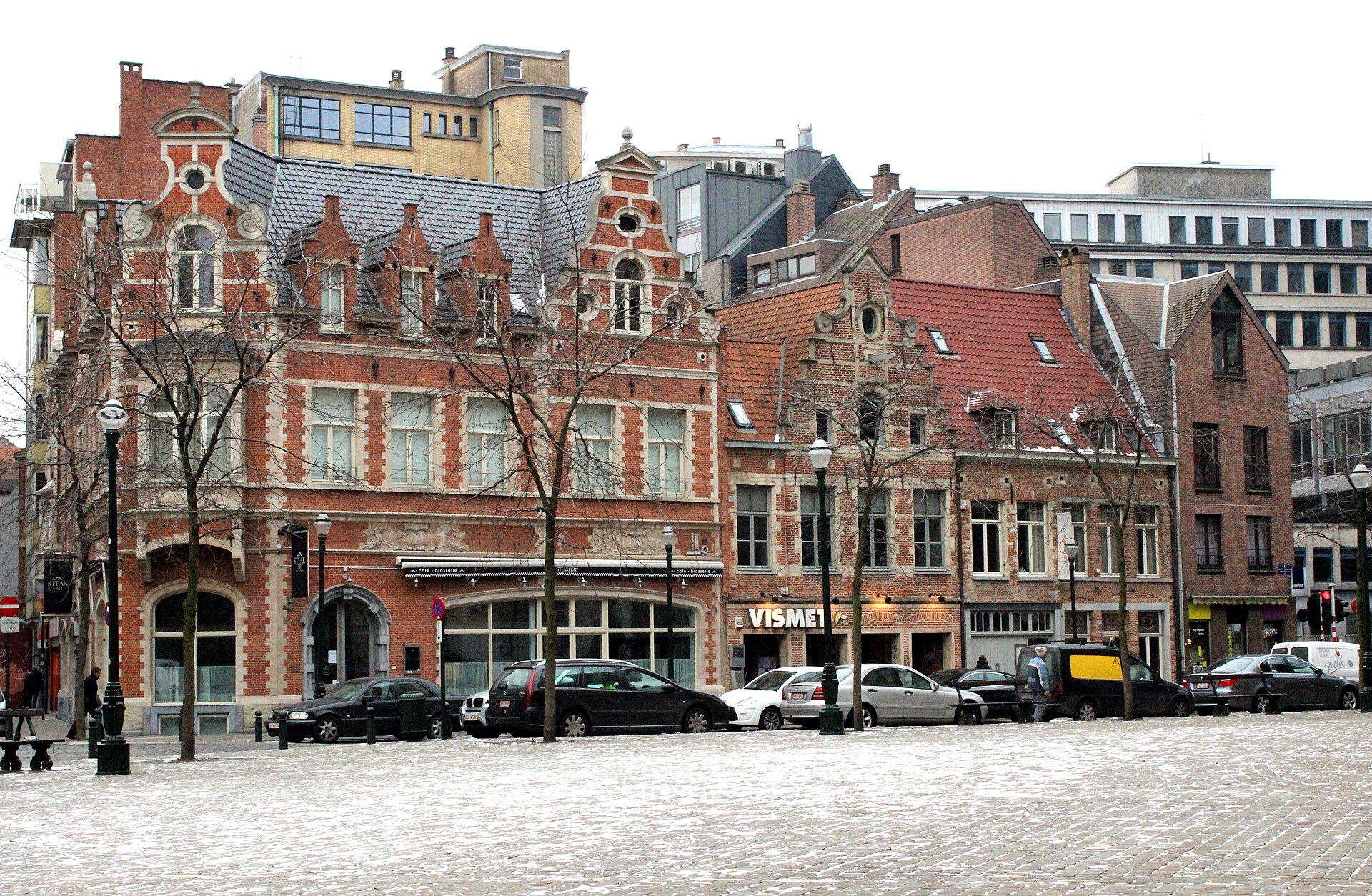
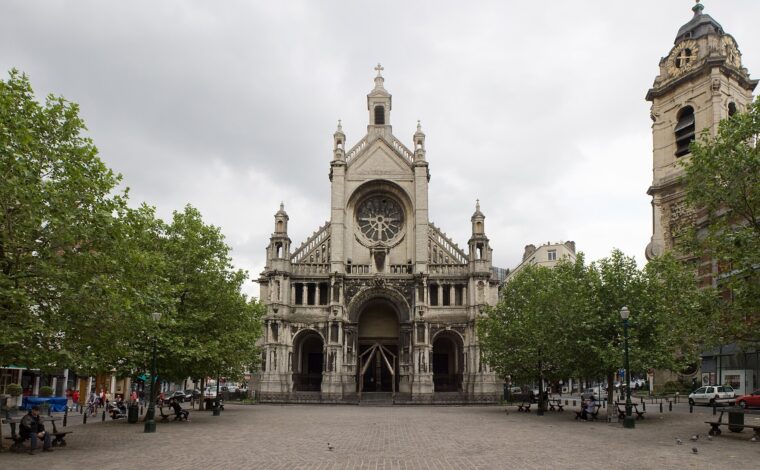
Walk five minutes northwest of the Grand Place and the atmosphere shifts dramatically. The Sainte-Catherine and Dansaert neighbourhoods, which sit side by side, represent Brussels at its most contemporary. These areas were once the city’s port and fish market district — the canal was filled in during the 19th century, but the maritime heritage lives on in the seafood restaurants that cluster around Place Sainte-Catherine.
Rue Antoine Dansaert is the backbone of Brussels’ fashion scene. Belgian designers have quietly dominated high fashion for decades — think Dries Van Noten, Ann Demeulemeester, and Martin Margiela — and Dansaert is where you will find both established labels and emerging talent in independent boutiques and concept stores. The street was named one of Time Out’s coolest streets in the world in 2025.
What to See and Do
The neighbourhood’s cultural anchor is the Centrale for Contemporary Art, a former electricity substation that now hosts rotating exhibitions of international contemporary art. Nearby, La Bellone is a superb 17th-century patrician house with an ornate Italianate facade that serves as a performing arts centre. MAD Brussels (Mode and Design) at Nouveau Marché aux Grains showcases Belgian fashion and design talent through exhibitions and events.
For something more offbeat, explore the narrow streets around Place du Nouveau Marché aux Grains, where independent record shops, vintage clothing stores, and third-wave coffee roasters have settled alongside traditional Brussels brownstone houses.
Where to Eat and Drink
Place Sainte-Catherine is the undisputed seafood destination in Brussels. Nordzee (also called Mer du Nord) is a legendary standing-only fish bar where locals queue at lunchtime for platters of raw oysters, shrimp croquettes, and pan-fried sole. For sit-down dining, La Belle Maraîchère has been serving impeccable Belgian seafood since 1952. The Brussels Beer Project on Rue Antoine Dansaert is a must for craft beer enthusiasts — the brewery produces experimental beers using ingredients sourced from Brussels residents and the atmosphere is relaxed and social.
Best For
Foodies, fashion lovers, design enthusiasts, and visitors who want a slightly more local feel while remaining within walking distance of the Grand Place.
Saint-Géry: Brussels’ Nightlife Hub
Technically part of the city centre commune, the Saint-Géry neighbourhood deserves its own section because it functions as Brussels’ de facto nightlife district. Place Saint-Géry — a small square built on the site where Brussels was founded in 979 AD — is surrounded by bars, cocktail lounges, and late-night venues that keep the area buzzing well past midnight on weekends.
During the day, Saint-Géry is considerably more mellow. The Halles Saint-Géry, a 19th-century covered market hall, now serves as an exhibition space with a popular terrace café. The streets between Saint-Géry and the Grand Place are packed with vintage shops, tattoo studios, and independent boutiques that cater to a younger crowd.
Where to Eat and Drink
Delirium Café on Impasse de la Fidélité holds the Guinness World Record for the largest selection of commercially available beers — over 2,000 varieties. The venue complex includes a tequila bar, an absinthe bar, and a gin bar spread across multiple floors. For cocktails, Café Belga at Flagey and the rooftop bar at Jam Hotel offer more curated experiences. For late-night food, the friteries (chip shops) around the area serve double-fried Belgian frites until the small hours.
Best For
Night owls, bar hoppers, young travellers, and anyone who wants to experience Brussels’ social side after dark.
The Sablon: Chocolate, Antiques & Quiet Elegance
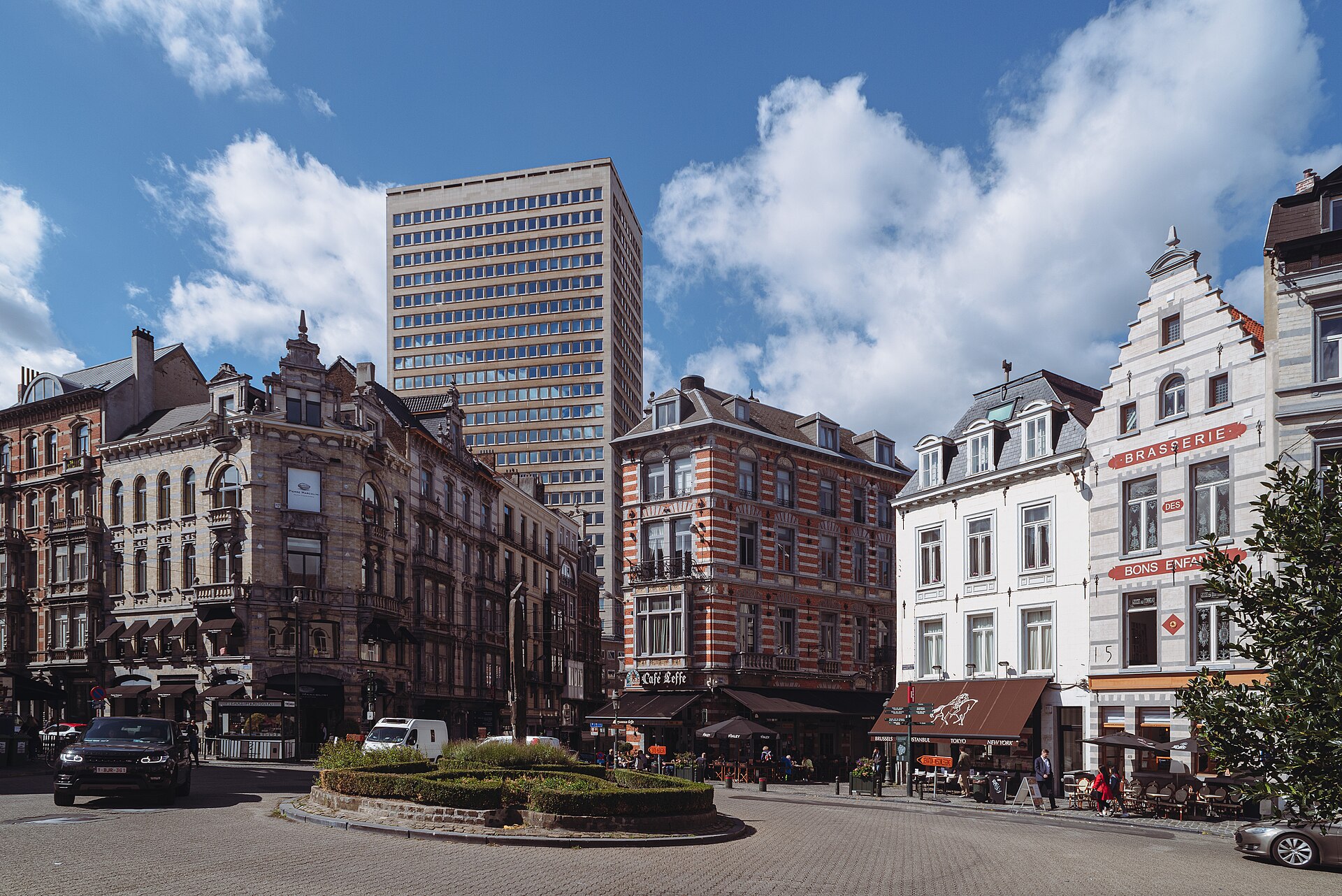
The Sablon is Brussels at its most refined. This upscale neighbourhood, centred around two connected squares — the Grand Sablon and the Petit Sablon — has been the city’s cultural and gastronomic heart since the 15th century when the aristocracy built their mansions here. Today, it draws visitors with its concentration of world-class chocolatiers, antique dealers, and art galleries.
What to See and Do
The Notre-Dame du Sablon church is one of Brussels’ finest examples of Brabantine Gothic architecture. Built between the 14th and 16th centuries, its soaring stained-glass windows are spectacular when lit from within at night. The Petit Sablon garden, just below, is a tranquil green space surrounded by 48 bronze statuettes representing the medieval guilds of Brussels.
Every weekend, the Grand Sablon hosts an antiques and book market that has operated for over 50 years. Even if you are not buying, browsing the stalls of silverware, art prints, vintage jewellery, and curiosities is a pleasure. The surrounding streets are lined with galleries specialising in everything from Old Masters to contemporary Belgian art.
Where to Eat and Drink
The Sablon is chocolate territory. Pierre Marcolini, whose flagship boutique overlooks the Grand Sablon, is widely regarded as one of the world’s finest chocolatiers — his ganaches and pralines are made from single-origin cacao that he sources and roasts himself. Wittamer, operating since 1910, is the only remaining pâtissier-chocolatier that holds a Royal Warrant in Belgium. Patrick Roger, the French sculptor-chocolatier, also has an outpost here. For lunch, Le Pain Quotidien originated in Brussels and the Sablon branch occupies a handsome corner spot perfect for people-watching.
Best For
Chocolate lovers, antique hunters, art enthusiasts, and visitors who appreciate understated luxury over tourist bustle.
The Marolles: Flea Markets & Authentic Brussels
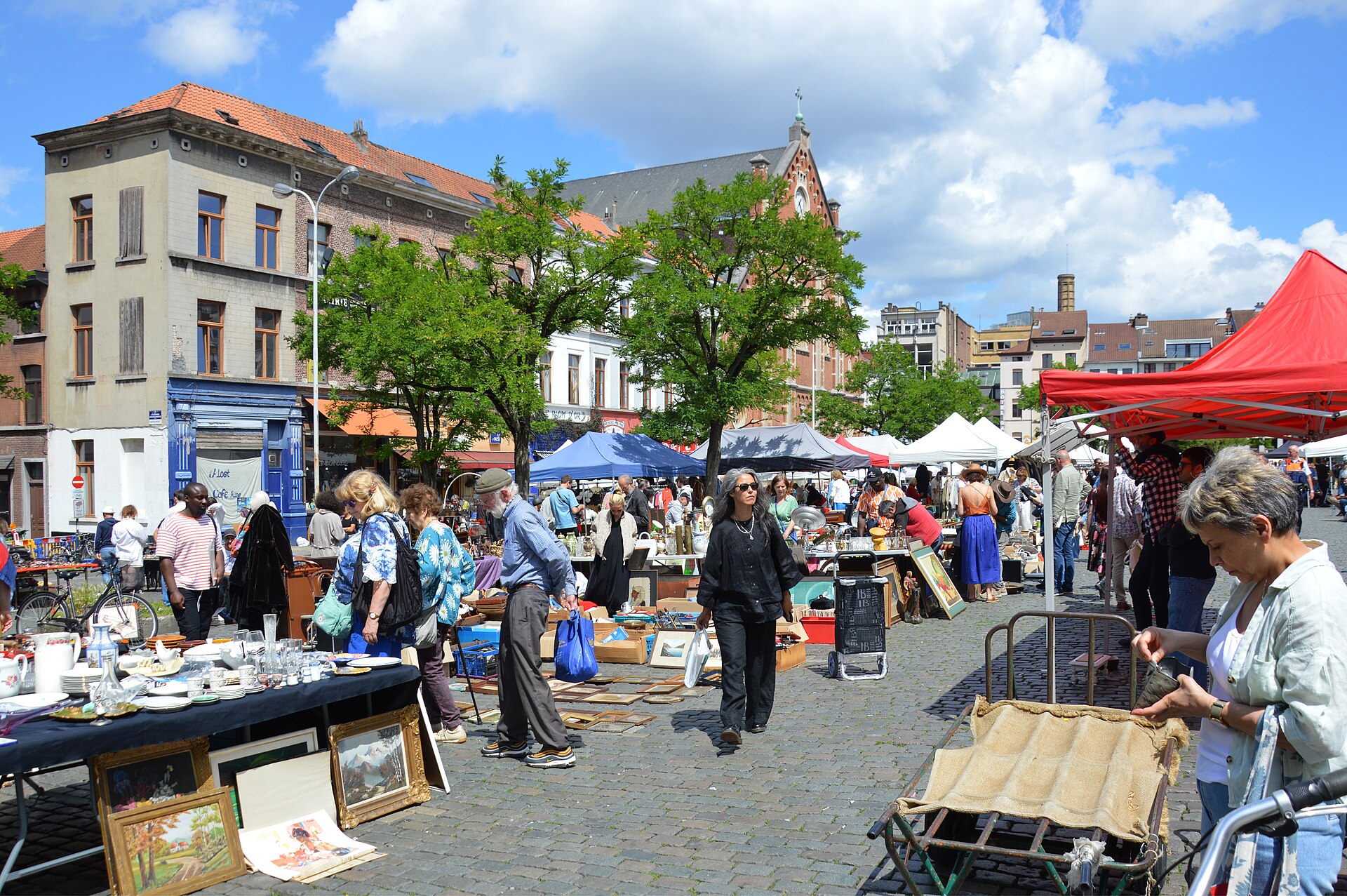
Drop down the hill from the Sablon — either on foot via the steep staircase or by the free glass elevator at the Palace of Justice — and you enter the Marolles, Brussels’ most defiantly working-class neighbourhood. This is where you will hear Brusseleer, the local dialect that mixes French, Dutch, and Spanish, and where the city’s gritty authenticity has survived decades of gentrification.
The Marolles dates back to medieval times when it lay outside the city walls. It was home to textile workers, tanners, and other craftspeople, and that artisan spirit persists today in the antique shops, second-hand stores, and independent workshops that line its streets. The neighbourhood has been undergoing gradual change as younger residents and creative businesses move in, but it retains a rough-edged character that stands in sharp contrast to the polished Sablon just uphill.
What to See and Do
The daily flea market at Place du Jeu de Balle is the Marolles’ main attraction. Running every morning from 6am to 2pm (with the best finds going early), this open-air market sells everything from vintage furniture and vinyl records to old tools, military memorabilia, and genuinely quirky bric-a-brac. Sunday is the biggest and busiest day. The surrounding streets — Rue Haute and Rue Blaes — are lined with permanent antique shops and vintage stores that offer more curated selections at higher prices.
The Palace of Justice, which looms over the Marolles from the hill above, is one of the largest court buildings in the world. Its construction in the 1860s required the demolition of an entire working-class quarter, and the Marolles residents’ resentment towards the ruling class that displaced them became a defining part of the neighbourhood’s identity. The palace has been under renovation for decades — the scaffolding has become something of a Brussels landmark in its own right.
Where to Eat and Drink
The Marolles is where you eat Belgian comfort food without pretension. Café de la Presse on Rue Haute is a classic brown café — the Belgian equivalent of a British pub — with affordable plats du jour. For the city’s best stoemp (mashed potatoes with vegetables, a Marolles speciality), look for the daily specials chalked on blackboards outside the local eateries.
Best For
Bargain hunters, vintage lovers, street art fans, and travellers seeking authentic Brussels atmosphere away from tourist routes.
Ixelles: Art Nouveau, Cafés & Matongé
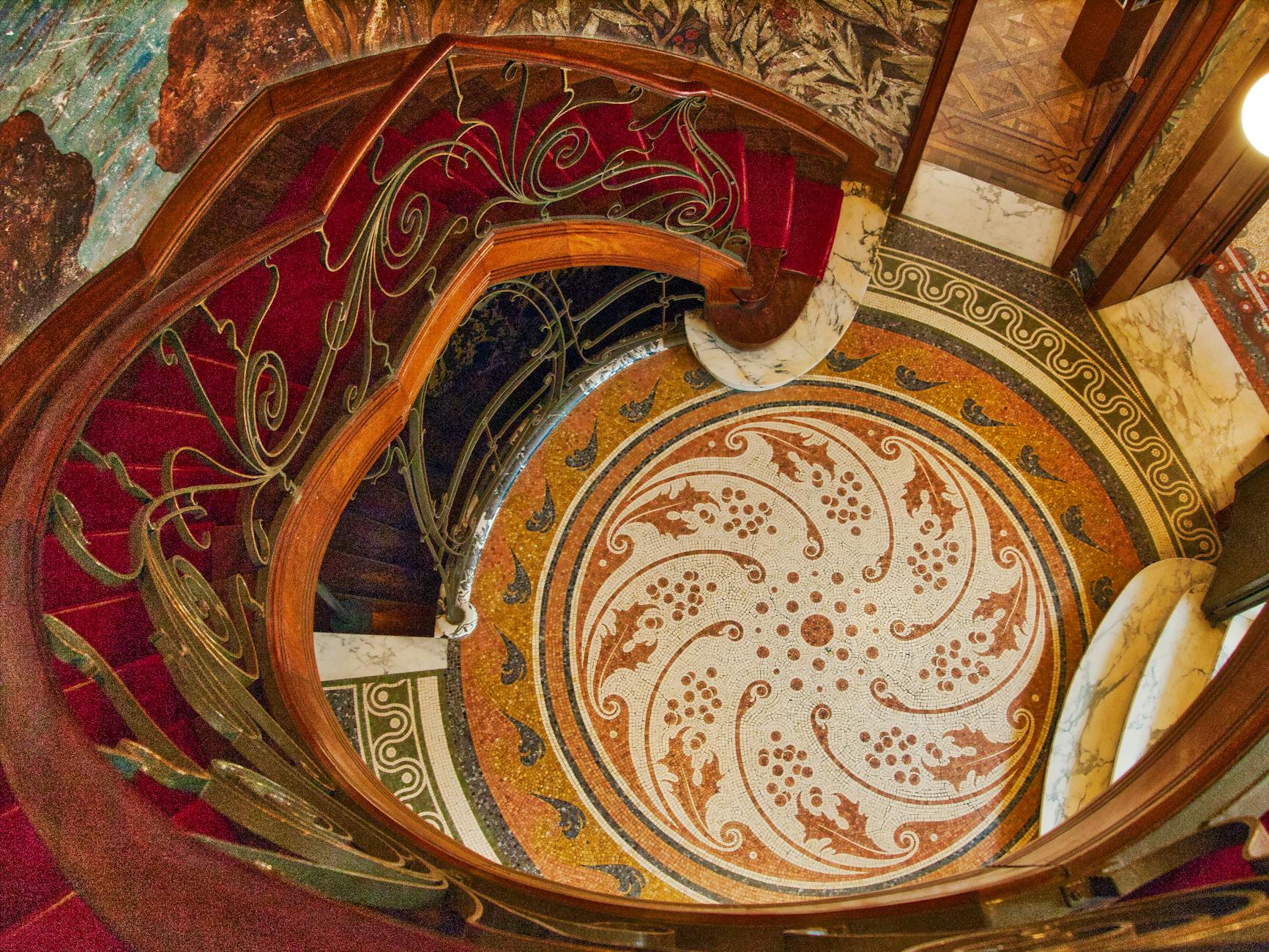
Ixelles is arguably Brussels’ most diverse and dynamic commune. Stretching southeast from the city centre, it encompasses several distinct micro-neighbourhoods — the trendy Flagey area around the art deco radio building, the African energy of Matongé, the student-filled streets near the Université Libre de Bruxelles, and the elegant avenues lined with some of Brussels’ finest Art Nouveau architecture.
Flagey & the Ponds
The Place Flagey, dominated by the ocean-liner-shaped Flagey building (a former national radio broadcasting centre, now a concert hall and cultural venue), is one of Brussels’ liveliest squares. The terraces of cafés like Café Belga fill up on sunny afternoons, and the adjacent Étangs d’Ixelles — two long, tree-lined ponds — offer one of the prettiest walks in the city. Sunday mornings bring a food market to the square where you can buy artisanal cheeses, organic vegetables, and freshly baked bread.
Matongé
Named after a neighbourhood in Kinshasa, Matongé is Brussels’ Congolese quarter and one of the most vibrant multicultural districts in Europe. The area took shape in the 1950s when Congolese students came to study in Brussels, and seventy years later it remains a hub of African culture. Galerie d’Ixelles and Chaussée de Wavre are lined with African hair salons, fabric shops selling colourful wax prints, music stores, and restaurants serving dishes from across Central and West Africa. The neighbourhood celebrates its heritage with regular cultural events and festivals.
Art Nouveau Architecture
Ixelles contains some of the finest Art Nouveau buildings in Brussels, a city that is itself the world capital of this architectural style. The Hôtel Tassel on Rue Paul-Émile Janson, designed by Victor Horta in 1893, is considered the first true Art Nouveau building anywhere and is a UNESCO World Heritage Site. While most of these houses are private residences and cannot be visited inside, walking the streets of Ixelles — particularly Rue Defacqz, Rue Faider, and Avenue Brugmann — is an open-air architectural tour.
Where to Eat and Drink
Ixelles covers the full culinary spectrum. For African food, Inzia on Chaussée de Wavre serves excellent Congolese dishes including liboke (fish steamed in banana leaves). Café Belga on Place Flagey is the quintessential Brussels terrace. La Quincaillerie on Rue du Page occupies a converted hardware store with original wooden fittings and serves refined Belgian-French cuisine. For budget eats, the kebab shops and falafel stands along Chaussée d’Ixelles cater to the student population.
Best For
Architecture buffs, culture seekers, food explorers who want diversity, and visitors who enjoy walkable urban neighbourhoods with genuine local character.
Saint-Gilles: Bohemian & Multicultural
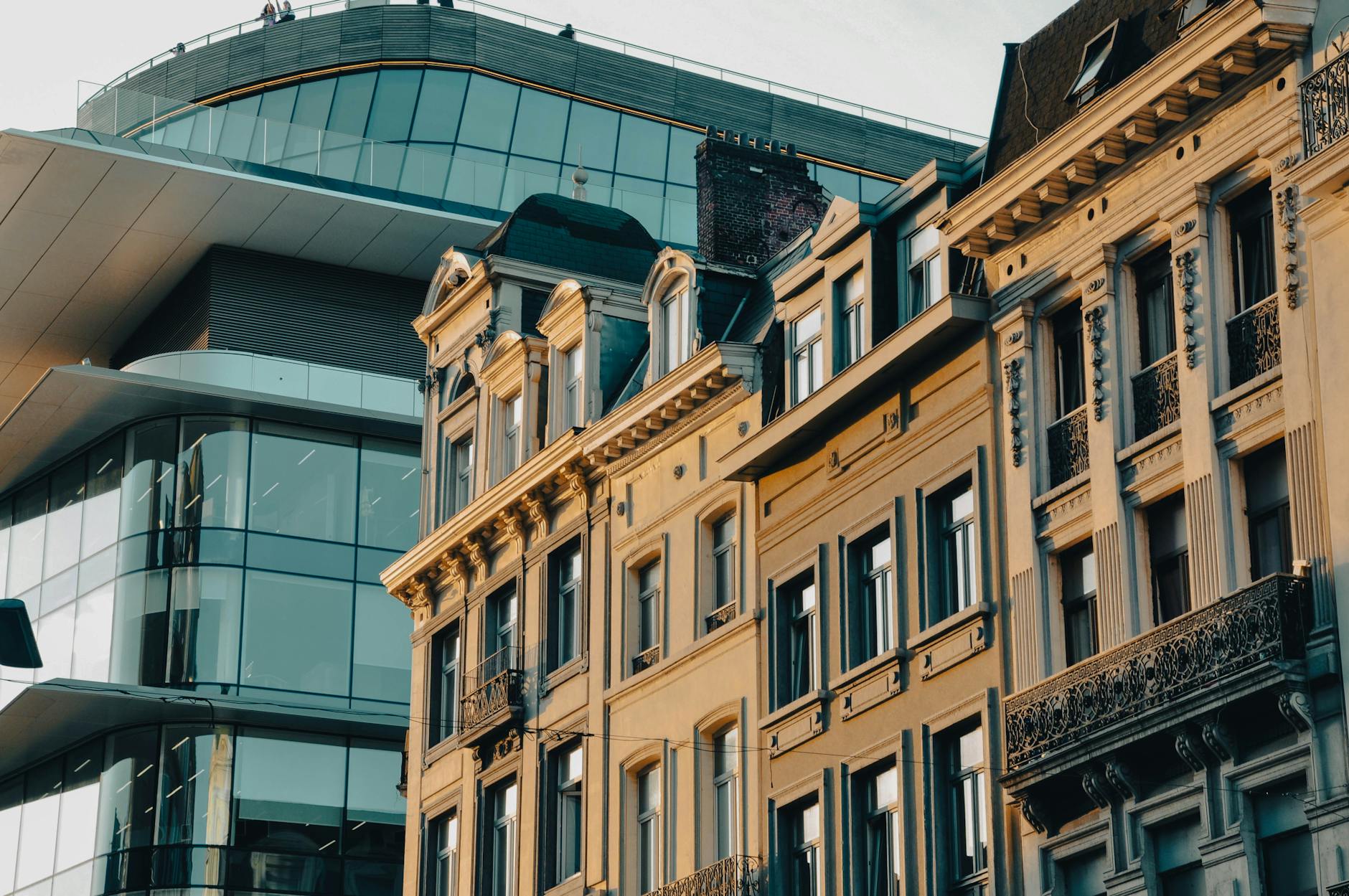
Saint-Gilles sits just south of the city centre and has become one of Brussels’ most fashionable communes over the past decade, though it maintains the unpretentious, multicultural atmosphere that attracted artists and young professionals in the first place. The commune’s appeal lies in its mix — Art Nouveau mansions stand next to Moroccan butchers, vintage boutiques neighbour Turkish bakeries, and the evening crowds at the Parvis de Saint-Gilles (the main square) are a genuine cross-section of Brussels society.
What to See and Do
The Horta Museum is Saint-Gilles’ crown jewel. Occupying the former home and studio of architect Victor Horta, the building itself is the exhibit — every detail, from the spiralling staircase and stained-glass skylights to the door handles and floor mosaics, was designed by Horta as a total work of art. It is one of four Horta townhouses inscribed as UNESCO World Heritage Sites. The Saint-Gilles Town Hall, a neo-Renaissance building, opens for guided tours that reveal impressive frescoes and ceremonial halls.
The Parvis de Saint-Gilles hosts a food market from Tuesday to Sunday mornings, where you can buy fresh produce, spices, olives, and dried fruits at prices well below supermarket rates. The square’s terraces are the place to be on warm evenings — order a coffee or a beer and watch the neighbourhood go by.
Where to Eat and Drink
The dining scene in Saint-Gilles reflects its multicultural makeup. Comptoir Rodin serves refined seasonal French-Belgian cuisine in an intimate setting. For Moroccan food, the restaurants along Chaussée de Forest are where local families eat — look for the ones packed with Moroccan diners for the most authentic couscous and tagine. Brasserie de l’Union on the Parvis is a classic neighbourhood hangout with good beer and plats du jour.
Best For
Art Nouveau enthusiasts (the Horta Museum is essential), budget-conscious foodies, market lovers, and anyone who enjoys neighbourhoods where tourism infrastructure takes a back seat to everyday life.
European Quarter: EU Institutions & Green Spaces
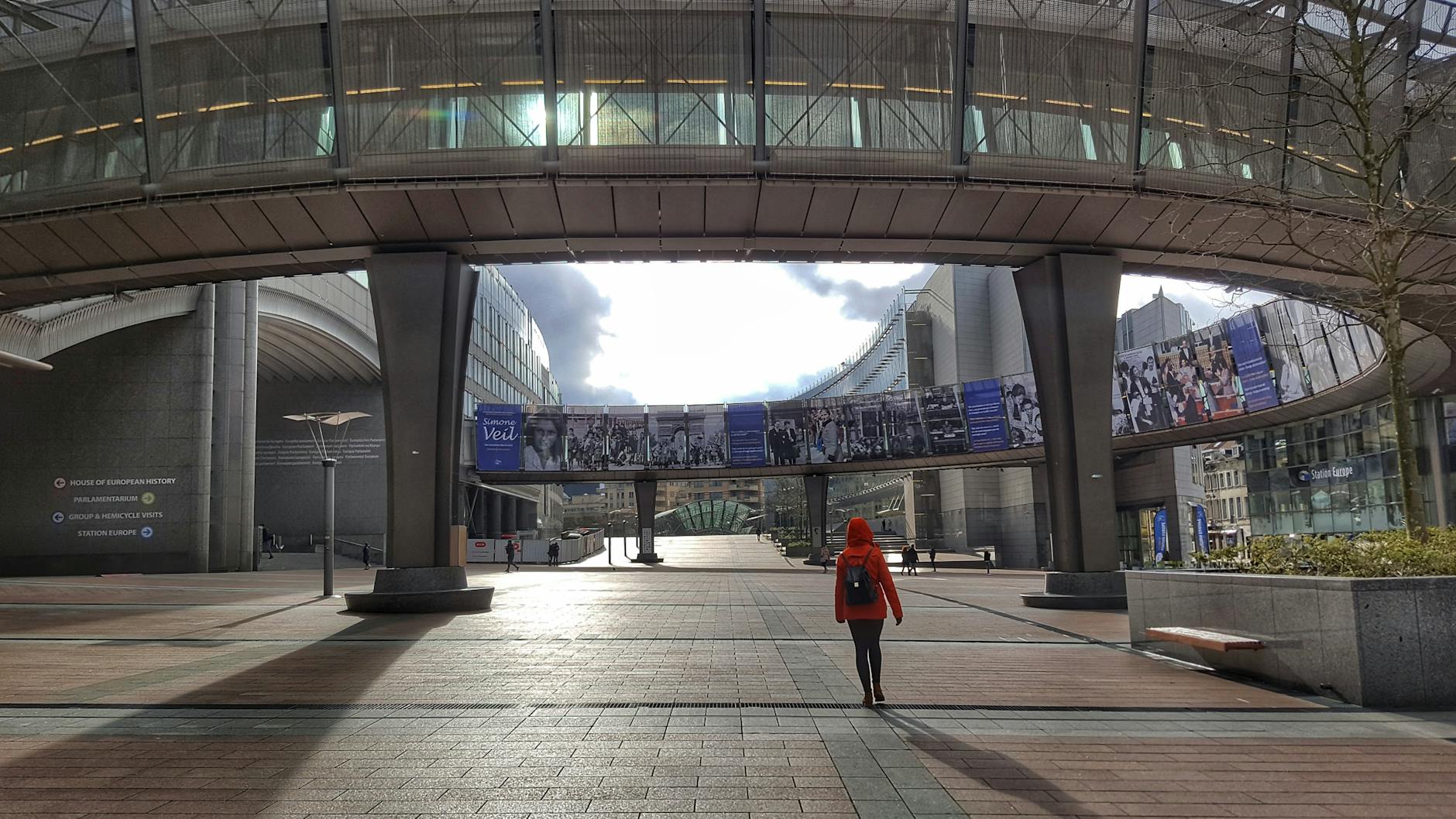
The European Quarter — also known as the Leopold or Schuman district — is where Brussels’ role as the de facto capital of Europe becomes tangible. The glass and steel complex of the European Parliament, the Berlaymont building housing the European Commission, and the Europa building (home of the European Council with its distinctive lantern-shaped facade) dominate the skyline east of the city centre. During the working week, the area buzzes with diplomats, lobbyists, and journalists from across the continent.
What to See and Do
The Parlamentarium is the European Parliament’s visitor centre and one of the most impressive free museums in Brussels. Through interactive exhibits, role-playing games, and multimedia installations, it explains how the EU works and how European policy affects daily life — far more engaging than it sounds. The House of European History, located in the Parc Léopold just behind the Parliament, traces the continent’s shared history from mythology to modernity in a beautifully curated museum that opened in 2017.
The Parc du Cinquantenaire (Jubelpark) is the European Quarter’s green lung and one of Brussels’ finest parks. Built for the 50th anniversary of Belgian independence in 1880, it features a monumental triumphal arch, formal gardens, and three museums: the Royal Museum of Art and History (covering civilisations from ancient Egypt to Art Nouveau), Autoworld (a collection of over 250 vintage cars), and the Royal Museum of the Armed Forces and Military History, which includes an aviation hall and rooftop views over the city.
Where to Eat and Drink
The European Quarter’s dining scene caters primarily to the weekday lunch crowd. Place du Luxembourg (known locally as Place Lux) transforms from a formal square by day into an open-air bar on Thursday evenings when EU staff gather for after-work drinks — a uniquely Brussels tradition. Maison Antoine, the friterie on the edge of the square, has been voted one of the best chip shops in Belgium and draws queues at lunchtime.
Best For
Anyone interested in European politics and history, museum enthusiasts, families (the Parlamentarium and Autoworld are both excellent with children), and visitors who appreciate grand 19th-century parks.
Laeken: Atomium, Royal Estate & Japanese Tower
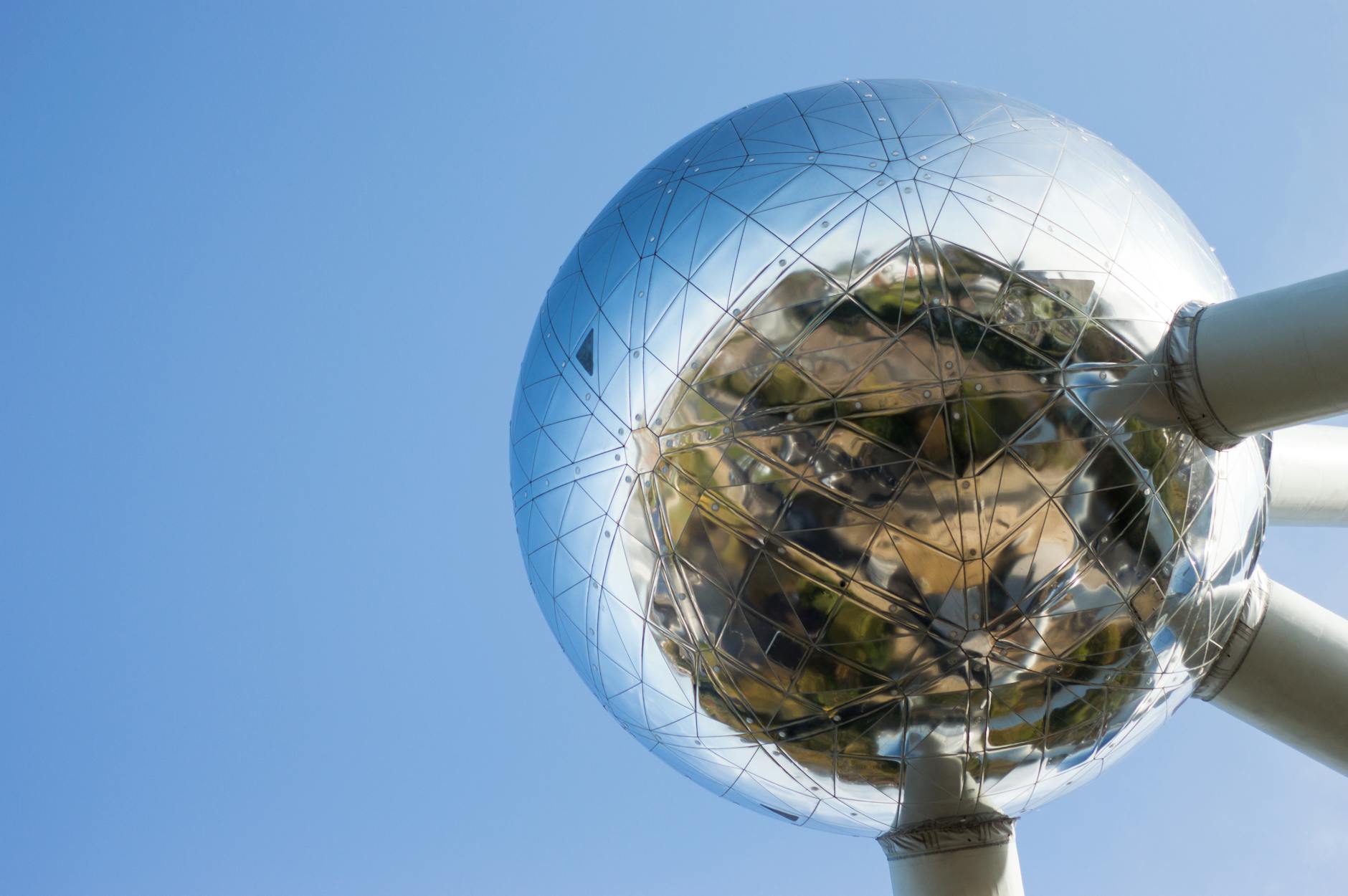
Laeken, in northern Brussels, is where the royal family resides and where you will find some of the city’s most distinctive landmarks. The area is quieter and more residential than the centre, but the attractions here — particularly the Atomium — are among the most recognisable symbols of Belgium.
What to See and Do
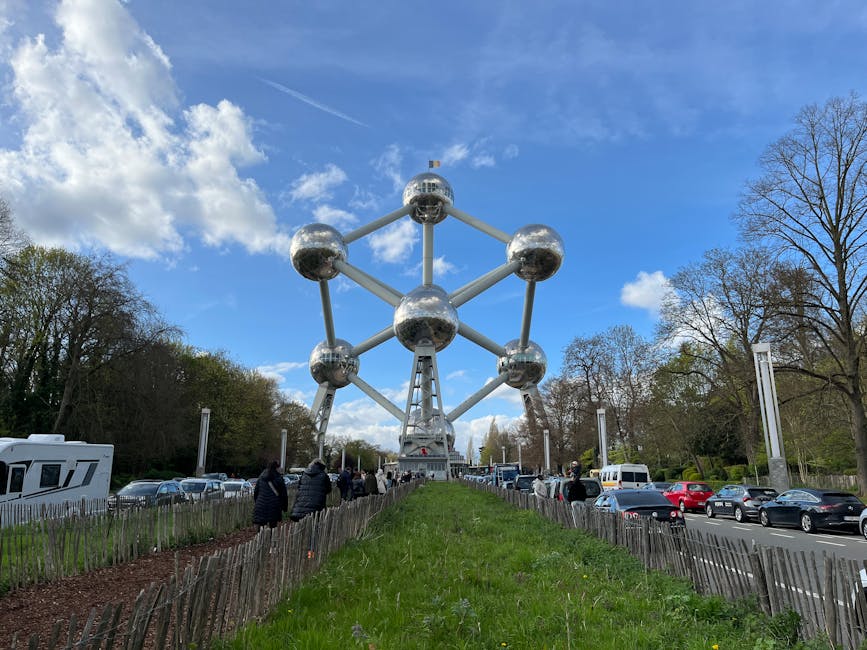
The Atomium, built for the 1958 World Exposition, is a 102-metre-tall structure representing an iron crystal magnified 165 billion times. Inside the nine interconnected spheres, you will find a permanent exhibition on the 1958 Expo, temporary art exhibitions, a restaurant in the top sphere with panoramic views, and a surreal experience simply moving through the tubes and escalators that connect the spheres. It remains one of Belgium’s most visited attractions.
Next to the Atomium, Mini-Europe features over 350 miniature reproductions of famous European landmarks at 1:25 scale — a kitsch but genuinely entertaining way to see the continent’s highlights in an afternoon. The Royal Greenhouses of Laeken, designed by Alphonse Balat (Victor Horta’s teacher), are an extraordinary complex of 19th-century glass and iron pavilions that house tropical and subtropical plant collections. They open to the public for just three weeks each spring (usually late April to early May), and the queues are worth the wait.
The Laeken Cemetery is one of Brussels’ most historically significant burial grounds, with elaborate tombs and monuments. Nearby, the Japanese Tower and Chinese Pavilion — built for the 1900 Paris World Exhibition and later relocated — add an unexpected touch of Asian architecture to the Brussels skyline.
Best For
Families, architecture enthusiasts, anyone visiting Brussels in late April (for the Royal Greenhouses), and visitors who want to combine the Atomium with Mini-Europe for a full day out of the centre.
Avenue Louise & the Bois de la Cambre: Upscale Brussels
Avenue Louise, the broad boulevard stretching southeast from the city centre to the Bois de la Cambre, is Brussels’ most prestigious shopping street. Designed in the 1860s as a grand promenade connecting the city to the countryside, it is now lined with international luxury brands, flagship stores, and the offices of law firms and financial institutions. The avenue itself is not particularly charming — it is wide, busy with traffic, and architecturally mixed — but the side streets hide some of Brussels’ best dining and cultural venues.
What to See and Do
The Bois de la Cambre at the boulevard’s southern end is Brussels’ most popular park, particularly on weekends when families, joggers, and cyclists take over. The park was carved from the northern edge of the vast Forêt de Soignes, a beech forest that stretches across southeastern Brussels and is partly inscribed as a UNESCO World Heritage Site. Within the Bois, Robinson Island — reached by a small boat or footbridge — has a café and is a favourite picnic spot.
The side streets off Avenue Louise — particularly Rue du Bailli, Rue Lesbroussart, and Rue du Page — form the so-called Châtelain neighbourhood, named after Place du Châtelain. This square hosts a popular food market on Wednesday afternoons where you can sample cheeses, charcuterie, paella, and organic produce. The surrounding streets are full of independent restaurants, wine bars, and design shops that make the Châtelain area one of Brussels’ most pleasant districts for an evening out.
Best For
Luxury shoppers, nature lovers (Bois de la Cambre and Forêt de Soignes), Wednesday afternoon market visitors, and foodies exploring the Châtelain district.
Schaerbeek: Art Deco & Emerging Creativity
Schaerbeek, northeast of the centre, is Brussels’ second most populous commune and one of its most diverse, with over 140 nationalities represented among its 130,000 residents. For visitors, Schaerbeek is increasingly interesting as a destination where grand architecture meets grassroots creativity, though it remains well off the mainstream tourist trail.
What to See and Do
The Maison Autrique, designed by Victor Horta in 1893 (the same year as the Hôtel Tassel), is considered the first Art Nouveau house in Brussels and is open to the public as a museum. Schaerbeek is also home to Train World, Belgium’s national railway museum, housed in the beautifully restored Schaerbeek station. The collection includes historic locomotives, royal carriages, and interactive exhibits that trace the history of Belgian rail travel from the country’s first continental railway line in 1835.
The Josaphat Park, Schaerbeek’s main green space, is a pleasant English-style landscape park. The Halles de Schaerbeek, a converted 19th-century market hall, now functions as one of Brussels’ most important performance venues, hosting theatre, dance, circus arts, and music festivals throughout the year.
Best For
Architecture enthusiasts (Maison Autrique), train lovers (Train World), visitors looking to explore areas beyond the tourist core, and anyone interested in seeing a genuinely multicultural Brussels neighbourhood.
Etterbeek: Quiet Charm Near the Parks
Etterbeek is a residential commune that most visitors encounter only because part of the Parc du Cinquantenaire falls within its borders. But for those staying a few days, Etterbeek offers a quieter, more local alternative to the bustling centre. The streets around Place Jourdan are lined with cafés, bakeries, and small shops that cater to residents rather than tourists, giving the area an authentic neighbourhood feel.
What to See and Do
Place Jourdan is home to Maison Antoine, one of Belgium’s most celebrated friteries, where the queue at lunchtime is a testament to the quality of the double-fried frites. The square also hosts a small Sunday market. The area around the Cinquantenaire museums provides easy access to the Royal Museum of Art and History, Autoworld, and the Military Museum without the European Quarter’s weekday corporate bustle.
Best For
Families looking for a quieter base, visitors spending several days who want a local feel, and anyone combining museum visits with relaxed neighbourhood exploration.
How to Get Around Brussels’ Neighbourhoods
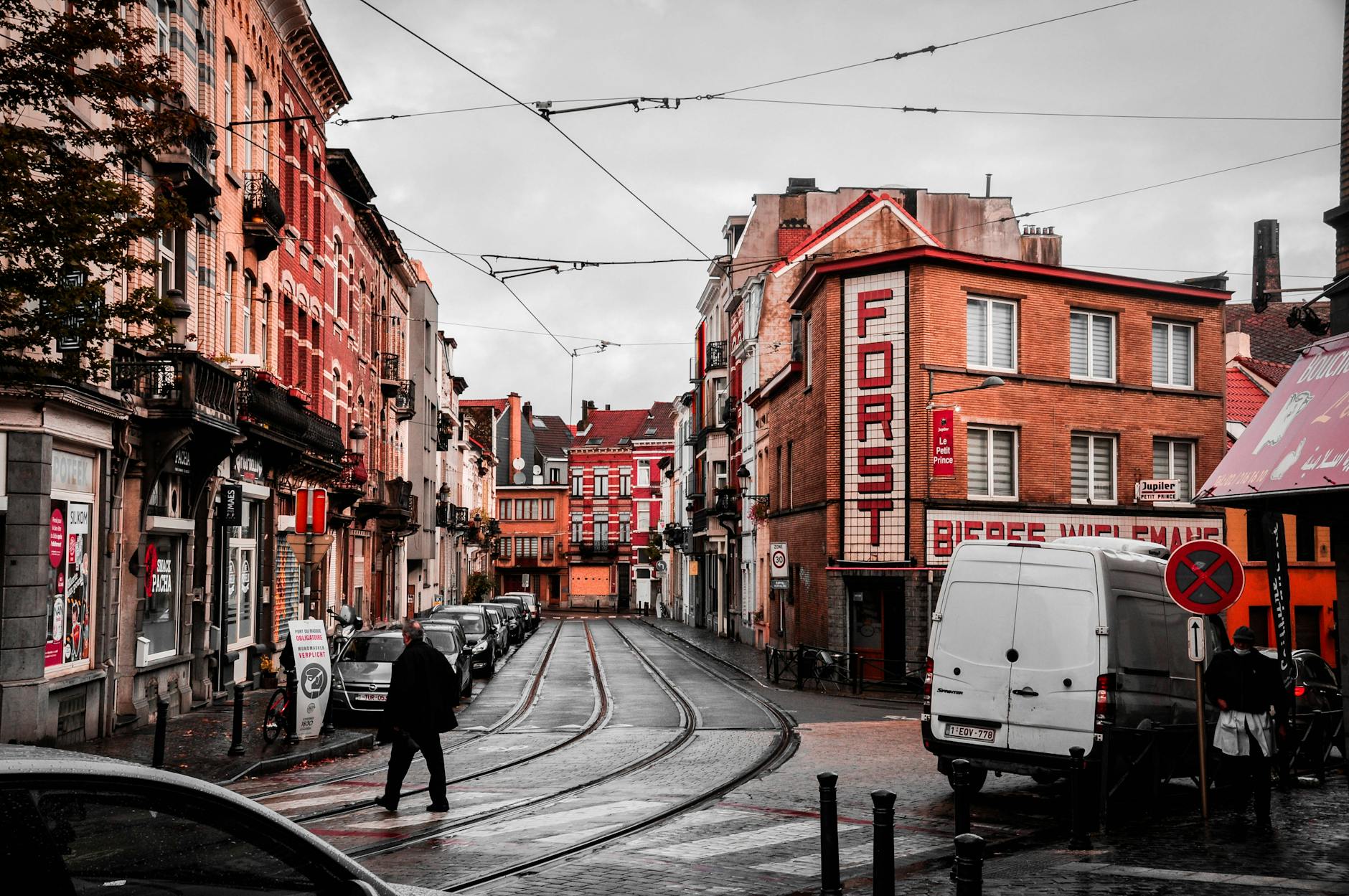
Brussels’ public transport network, operated by STIB/MIVB, makes neighbourhood-hopping straightforward. Here is what you need to know to move between areas efficiently.
Metro
The metro has four lines covering the main axes of the city. Line 1 and Line 5 are most useful for visitors, connecting the city centre (De Brouckère, Bourse) with the European Quarter (Schuman, Merode) and Heysel/Atomium. A single journey costs €2.40 by contactless card (€2.90 on paper) and includes transfers within an hour.
Trams
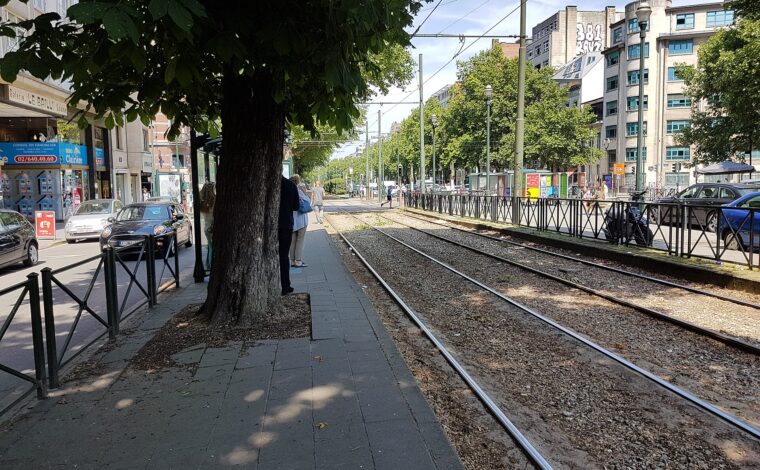
Trams are often the best way to reach specific neighbourhoods. Tram 81 and 82 run along Avenue Louise to the Bois de la Cambre. Tram 92 and 97 connect the city centre to the Sablon and Ixelles. The pre-metro (trams running underground through the centre) can be confusing at first but functions identically to the metro.
On Foot
Walking remains the best way to explore individual neighbourhoods. The centre, Sainte-Catherine, Saint-Géry, the Sablon, and the Marolles are all within a 15-minute walk of each other. Ixelles and Saint-Gilles are a comfortable 20-minute walk from the Grand Place, though the hills can be steep in places.
By Bike
Villo! is Brussels’ bike-sharing scheme with stations across the city. A day pass costs €1.50, and the first 30 minutes of each ride are free. The city has been expanding its cycling infrastructure, but Brussels’ cobblestones and hills make it more challenging than Amsterdam or Copenhagen. Electric bikes from Villo! or private operators like Dott and Lime are increasingly popular for tackling the gradients.
Transport Tips
Buy a MOBIB card at any metro station and load it with journeys or a Brupass 1-day ticket (€9.50), or simply tap a contactless bank card, capped at €8.50 a day. Google Maps provides reliable real-time STIB information. Avoid driving in the city centre — Brussels introduced a low-emission zone (LEZ) in 2018 and most of the centre is difficult to navigate by car due to the pedestrian zones and traffic management plan known as the “Good Move” plan.
Neighbourhood Comparison: Quick Reference
Choosing which Brussels neighbourhoods to prioritise depends on your interests and travel style. The city centre and Grand Place are non-negotiable for first-time visitors. The Sablon and Marolles pair perfectly for a half-day exploring upscale and authentic Brussels side by side. Sainte-Catherine and Dansaert suit foodies and design lovers. Ixelles and Saint-Gilles reward longer, slower exploration on foot. The European Quarter is best combined with the Cinquantenaire museums, and Laeken warrants a half-day trip for the Atomium and, in spring, the Royal Greenhouses.
For a first visit of two to three days, focus on the Grand Place and centre, Sainte-Catherine for seafood, the Sablon for chocolate and antiques, and Ixelles or Saint-Gilles for a local-feeling evening out. If you have four or five days, add the European Quarter’s museums, the Marolles flea market, and the Atomium. A week allows time for Schaerbeek’s Train World, the Bois de la Cambre, and deeper exploration of whichever neighbourhood captures your interest.
Practical Tips for Exploring Brussels by Neighbourhood
Brussels is a bilingual city — officially French and Dutch — but in practice, French dominates in most neighbourhoods. English is widely spoken in tourist areas, the European Quarter, and upscale restaurants, but learning a few French basics (bonjour, merci, s’il vous plaît, l’addition) goes a long way. In Matongé and parts of Schaerbeek, you will also hear Lingala, Arabic, and Turkish alongside the official languages.
The weather in Brussels is famously unpredictable. Even in summer, carry a light waterproof jacket — showers can arrive without warning. The upside is that Brussels’ café culture was built for rainy days, and ducking into a warm bar for a beer during a downpour is one of the city’s great pleasures.
Brussels is generally safe for visitors, though standard urban precautions apply. Keep an eye on your belongings in crowded tourist areas around the Grand Place and on the metro. The Marolles and parts of Schaerbeek can feel quieter at night — stick to well-lit streets and use common sense. The European Quarter empties dramatically after office hours on weekdays, which some visitors find unsettling but is perfectly safe.
Tipping is not expected in Belgium as service is included by law, but rounding up or leaving a euro or two for good restaurant service is appreciated. Most cafés and restaurants accept cards, but smaller shops and market stalls at the flea market often prefer cash.
For a deeper look at things to do in Brussels, our comprehensive guide covers attractions across all neighbourhoods. If you are planning where to sleep, our accommodation guide breaks down the best areas to stay. And for the culinary side of each neighbourhood, our Brussels food guide has you covered.
Frequently Asked Questions
What is the best neighbourhood in Brussels for first-time visitors?
The Grand Place and city centre is the essential starting point. It concentrates Brussels’ most iconic landmarks — the Grand Place, Manneken Pis, Galeries Royales Saint-Hubert — within a compact walkable area. From here, you can easily reach the Sablon, Sainte-Catherine, and Marolles on foot, making the centre an ideal base for exploring multiple neighbourhoods.
Is Brussels safe to walk around at night?
Brussels is generally safe for walking at night, particularly in the city centre, Sablon, Sainte-Catherine, Ixelles, and Saint-Gilles. Standard urban precautions apply — stay aware of your surroundings, keep valuables secure, and stick to well-lit streets. The European Quarter is quiet after office hours but not unsafe. Areas around Gare du Nord and Gare du Midi can feel less comfortable late at night.
How many days do I need to explore Brussels’ neighbourhoods?
Two to three days covers the essential neighbourhoods — the centre, Sablon, Marolles, Sainte-Catherine, and one of Ixelles or Saint-Gilles. Four to five days allows for the European Quarter museums, Atomium in Laeken, and deeper neighbourhood exploration. A full week lets you experience quieter areas like Schaerbeek and the Bois de la Cambre at a relaxed pace.
Can I walk between most Brussels neighbourhoods?
Yes. The central neighbourhoods — Grand Place, Sainte-Catherine, Saint-Géry, Sablon, and Marolles — are all within a 15-minute walk of each other. Ixelles and Saint-Gilles are about 20 minutes from the centre on foot. The European Quarter is a 25-minute walk from the Grand Place, or a quick metro ride. Only Laeken (Atomium area) and Schaerbeek really benefit from public transport.
What are the best neighbourhoods for food in Brussels?
Sainte-Catherine is the top destination for seafood, particularly around Place Sainte-Catherine. The Sablon is unbeatable for chocolate. Saint-Gilles and Ixelles offer the most diverse dining, from Moroccan to Congolese to refined Belgian cuisine. The Marolles is the place for authentic, no-frills Belgian comfort food. For a comprehensive food-focused itinerary, see our Brussels food guide.
Photo Credits
-
Gabled buildings at Sainte-Catherine: Bruxelles place Sainte-Catherine 1203 by Michel wal, CC BY-SA 3.0, via Wikimedia Commons.
-
Cafe terraces on the Grand Sablon: 20180907 Grand Sablon Square by Flocci Nivis, CC BY 4.0, via Wikimedia Commons.
-
The Jeu de Balle flea market: Flea market at Place du Jeu de Balle, Brussels, 2024 (3) by DimiTalen, CC0, via Wikimedia Commons.