Belgium produces over 1,500 distinct beers across more than 200 breweries, and Brussels is the only city in the world where you can taste them all in a single afternoon. From the wild-yeast-fermented lambic beers brewed within Brussels city limits, to the seven authentic Trappist ales made by monks across the country, Belgian beer has a depth that no other beer culture matches. This Belgian beer guide Brussels covers what to drink, where to drink it, and how to navigate the city’s intimidating beer menus like a local.
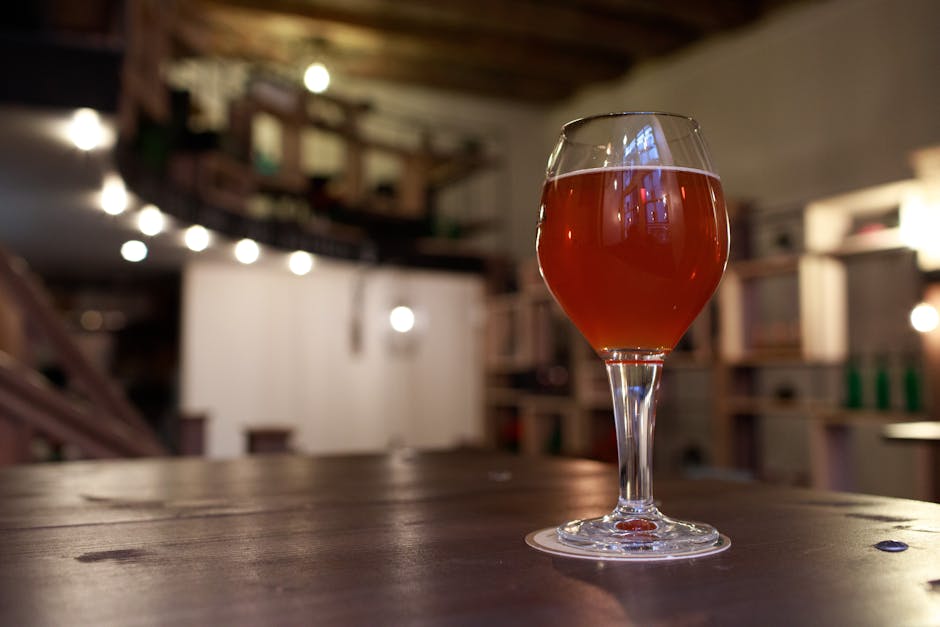
Why Brussels Is the World’s Beer Capital
Belgium has more distinct beer styles per capita than any other country, and most of them have either origins or strongholds in Brussels. The city’s beer culture is so important that UNESCO inscribed “Belgian beer culture” on its Intangible Cultural Heritage list in 2016 — making it one of only a handful of food and drink traditions globally protected at that level.
Brussels itself produces lambic beer — the sour, wild-yeast-fermented style that exists nowhere else in the world. Within a 30-minute drive of central Brussels, you can visit the Cantillon Brewery (still using 1900s methods), the historic 3 Fonteinen blender, and several smaller traditional lambic producers. No other beer style is as geographically specific.
The Major Belgian Beer Styles Every Visitor Should Know
1. Trappist Beers
Trappist beers are brewed by monks within Trappist monasteries under strict rules: monastic ownership, monk supervision, and profits going to the monastery or charity. There are only 14 official Trappist breweries worldwide, and 6 are Belgian: Westmalle, Westvleteren, Chimay, Rochefort, Orval, and Achel. Most are strong, complex, malty ales served in chalice glasses.
Try first: Westmalle Tripel (the platonic ideal of the style), Chimay Bleue (blue cap, 9% strong dark ale), Orval (the most distinctive — dry, slightly funky, 6.2%).
2. Lambic Beers — Brussels’ Local Speciality
Lambic beers come from the Senne River valley west of Brussels and use wild yeast harvested from the local air during ageing — producing a sour, funky, occasionally cloudy character that exists nowhere else. Lambic exists in several forms:
Straight lambic: Unblended, often barrel-aged 1-3 years. Tart, complex.
Gueuze: Blend of young (1-year) and old (2-3 year) lambics, refermented in the bottle for natural carbonation. The “champagne of Belgian beers”. Try at Brasserie Cantillon (Anderlecht, Brussels) or Moeder Lambic.
Kriek: Lambic refermented with sour Belgian cherries. Sweet-tart, beautiful red colour. Cantillon’s Kriek is the gold standard.
Framboise: Lambic with raspberries — sweeter than Kriek.
Faro: Lambic sweetened with candy sugar. Easier on the palate for newcomers.
3. Belgian Strong Golden Ales
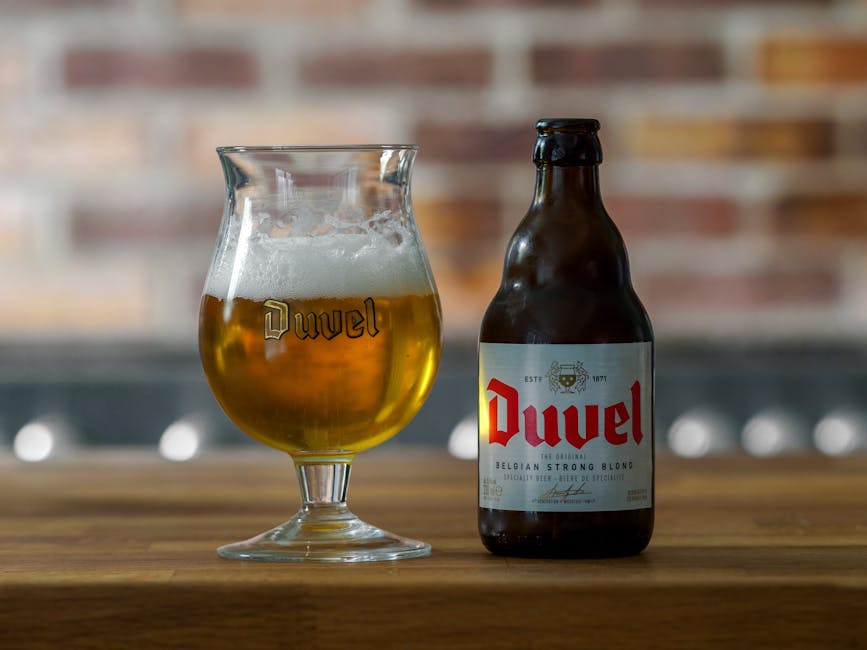
Often around 9% ABV, these are deceptively easy-drinking despite the strength. The category includes Duvel (probably the most exported Belgian beer), Delirium Tremens (with the famous pink elephant logo), and Tripel Karmeliet.
Try first: Duvel for the classic; Delirium Tremens for the gimmick; Tripel Karmeliet for the wheat-and-spice complexity.
4. Belgian Witbier
Cloudy, refreshing wheat beer flavoured with coriander and orange peel. Hoegaarden invented the modern Witbier style in 1966. Best on a hot summer afternoon.
Try first: Hoegaarden, then independent producers like Blanche de Bruxelles.
5. Belgian Saison
Originally a low-alcohol farmhouse ale brewed for seasonal Wallonian farm workers (“saison” means “season”). Modern saisons are typically 6-7% ABV — dry, peppery, refreshing.
Try first: Saison Dupont (the benchmark) or Brasserie de la Senne’s Taras Boulba.
6. Belgian Dubbel and Tripel
Dubbel: rich, malty 7-8% ABV dark ales with notes of dried fruit. Tripel: 8-10% golden strong ale with spice and herbal complexity.
Try first: Westmalle Dubbel and Tripel — the originals, still widely considered the best of each style.
7. Belgian Quadrupel (Quad)
The richest of Belgian dark ales, typically 10-12% ABV. Rochefort 10 and Trappistes Westvleteren 12 are global cult beers.
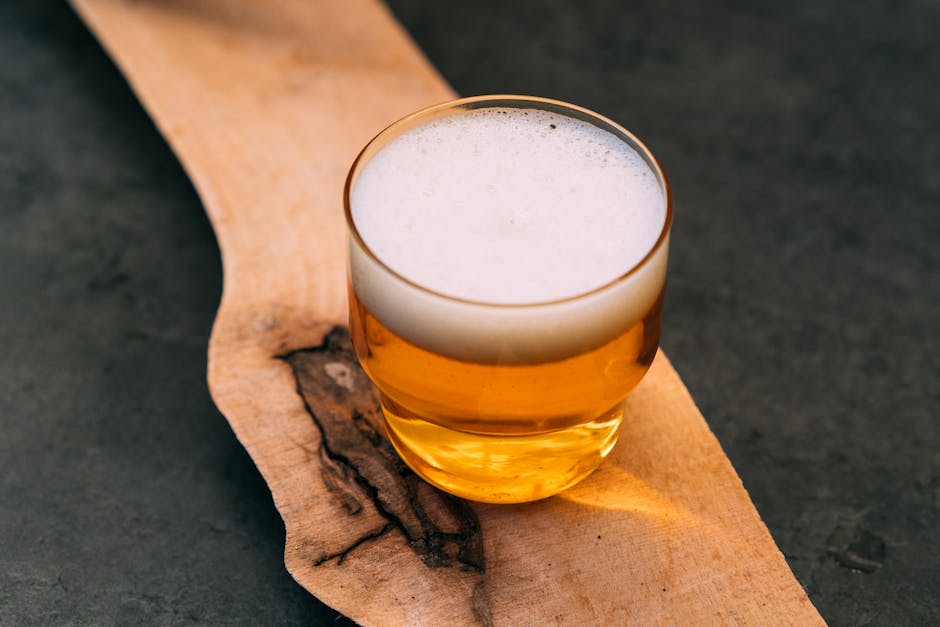
Top 12 Beer Bars in Brussels
1. Delirium Café — World’s Largest Beer Selection
Holding the Guinness World Record for most beers commercially available (over 2,000 at peak), Delirium Café is the most famous beer bar in Brussels. Located in a series of vaulted cellars off Galeries Royales Saint-Hubert, the Tap Room offers 30+ beers on draft, the Hoppy Loft focuses on craft, and the original Delirium Café is for the maximalist beer hunt.
Tourist-leaning but genuinely good. Crowded weekend evenings.
Address: Impasse de la Fidélité 4.
2. Brasserie Cantillon — The Real Deal Lambic
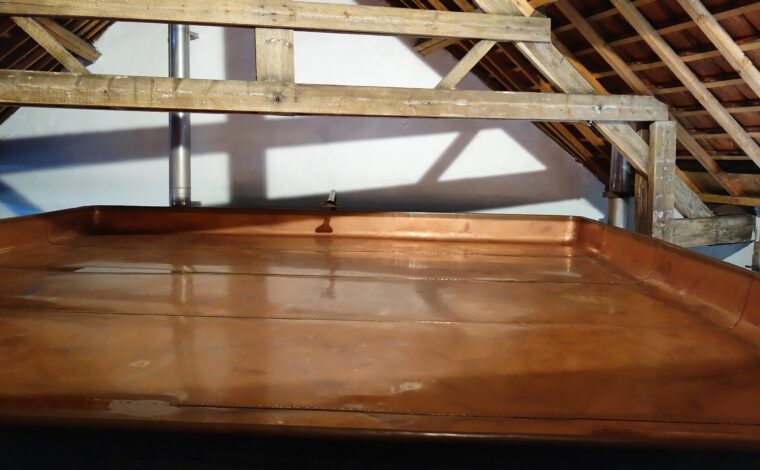
The Brasserie Cantillon is the single most important beer venue in any beer guide to Brussels. Operating from a 1900 brewery in Anderlecht (15 minutes by metro from Grand Place), Cantillon still ferments lambic with wild yeast collected from the brewery air. The brewery offers self-guided tours daily and bottles to take home.
Not a bar in the strict sense — they serve their own beer in the on-site tasting room. Essential for any visitor seriously interested in beer.
Address: Rue Gheude 56, Anderlecht.
3. Moeder Lambic Fontainas — Curated Craft
Moeder Lambic Fontainas, on Place Fontainas in the Pentagon, is the locals’ answer to Delirium. The selection is curated rather than overwhelming — 40+ beers chosen by knowledgeable staff with strong representation of small Belgian artisan brewers and serious lambic producers.
Address: Place Fontainas 8.
4. À la Mort Subite — Historic Lambic Bar
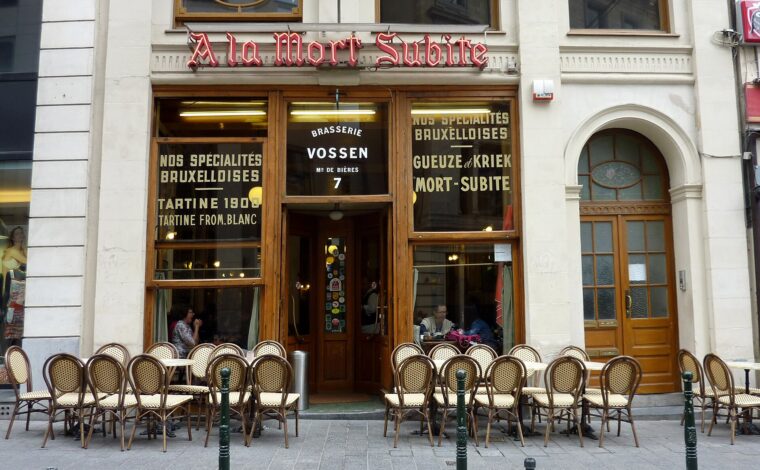
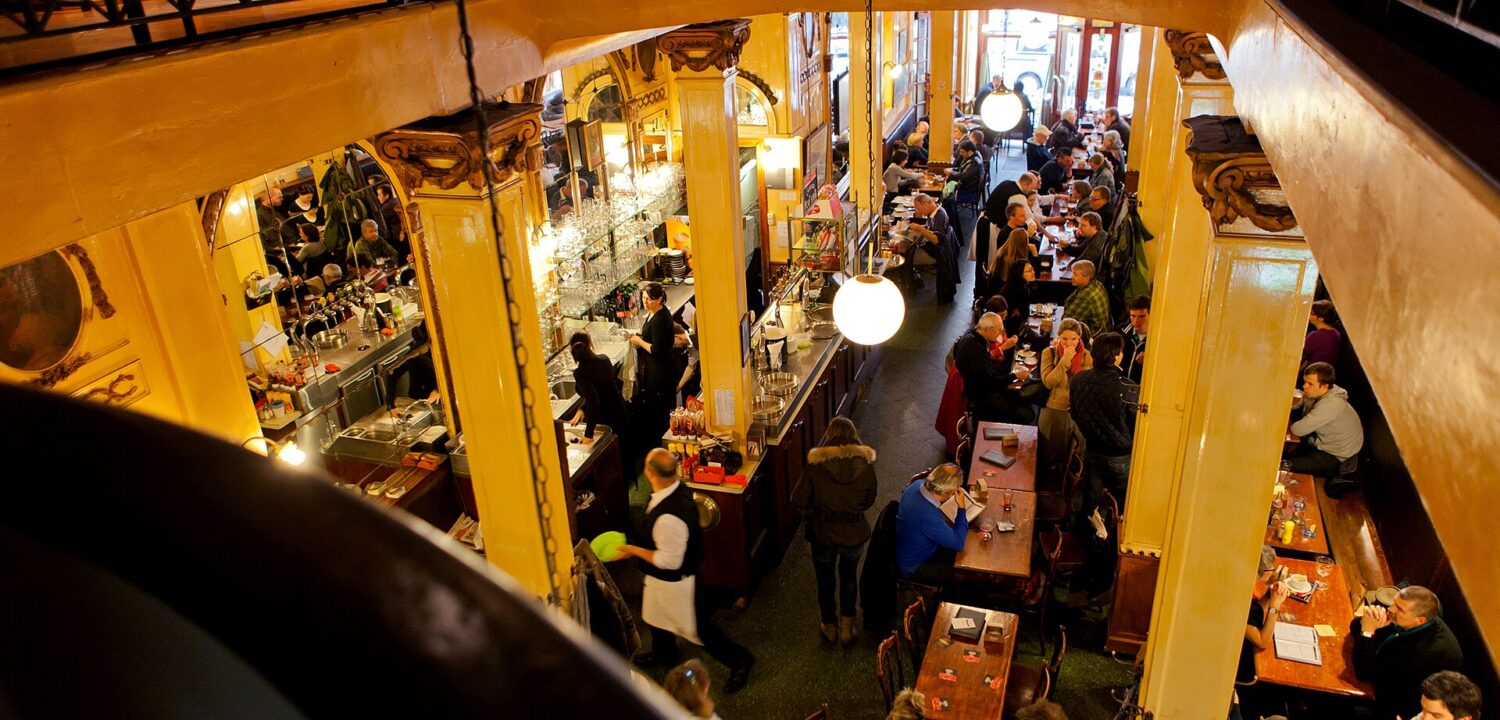
Operating since 1928 with original Art Nouveau interiors largely intact, À la Mort Subite (literally “Sudden Death”) serves the Mort Subite range of fruit lambics in a beloved 1920s atmosphere. The Kriek and the Faro are particularly good with the bar’s snacks (cheese plates and tartine bread).
Address: Rue Montagne aux Herbes Potagères 7.
5. Au Bon Vieux Temps — Hidden Historic Bar
Set down a tiny alleyway off Rue du Marché aux Herbes, Au Bon Vieux Temps is a 17th-century building with 1928 Art Deco interiors, 1980s carpets, and a draft selection that never disappoints. Strong on classic Belgian beers rather than craft.
Address: Impasse Saint-Nicolas 4.
6. Poechenellekelder — Steps from Manneken Pis
Across from Manneken Pis, this beer bar is touristy on the surface but the beer list is genuinely strong — about 130 Belgian beers including hard-to-find Trappists. The cellar room with marionettes is a Brussels icon.
Address: Rue du Chêne 5.
7. Brasserie de la Senne — Modern Brussels Brewery Tap
Brasserie de la Senne is one of Brussels’ best modern breweries. The brewery taproom in Molenbeek serves their full range — Taras Boulba (5% bitter session ale), Stouterik (5.4% stout), and Zinnebir (Belgian pale ale).
Address: Chaussée de Gand 565, Molenbeek.
8. Bier Circus — Friendly Local Bar
An unpretentious neighbourhood beer bar with a strong Belgian-only beer list, English-speaking staff, and consistently good food (try the carbonnade flamande beef stew).
Address: Rue de l’Enseignement 89.
9. Le Cirio — Belle Epoque Beer Café
Le Cirio’s interior — a near-perfect Belle Epoque preservation in a café open since 1886 — is reason enough to visit. The half-and-half (sparkling white wine + Italian Vermouth) is the house speciality, but the beer selection is strong.
Address: Rue de la Bourse 18.
10. La Bécasse — Classic Beer Tavern
La Bécasse, near Grand Place, is a tavern on the original Lambic-house scale. Mort Subite Lambic Doux is the house draft, served in stoneware mugs.
Address: Rue de Tabora 11.
11. BrewDog Brussels — Modern Craft
If you’ve been drinking nothing but Belgian classics for three days and want a hop-forward IPA, BrewDog Brussels offers the international craft selection. Less essential than the Belgian-focused bars but useful for variety.
Address: Putterie 20.
12. Café Hoppe — Saint-Gilles Local
A small Saint-Gilles café with a solid Belgian beer list and proper food. Local crowd, no tourist menus, exactly what you want when you’re done with the Pentagon.
Address: Rue de l’Aurore 18.
How to Order Beer in Brussels Like a Local
Use the right glass. Belgian beer culture takes glass-pairing seriously. Trappist ales come in chalices; lambics in tall stemmed glasses; witbier in wide-mouthed tumblers. If you order a Westmalle and they bring you a pint glass, the bartender is unfamiliar with the beer.
Don’t ask for the “house beer”. Belgian beer culture rewards specificity. Look at the menu, pick a style, and ask for a recommendation.
Try a tasting flight. Many Brussels beer bars (Moeder Lambic, Bier Circus, Delirium Tap Room) offer 4-beer tasting flights for €12-€18. Best way to sample multiple styles.
Drink water. Belgian strong ales sneak up. A 9-10% ABV beer is genuinely twice as strong as a typical pint. Pace yourself.
Pair with food. Belgian beer is built for food. Carbonnade flamande (beef stewed in beer), waterzooi (chicken stew), moules-frites (mussels and fries), and any number of cheese plates pair brilliantly. Don’t drink without eating.
Avoid Stella Artois clichés. Stella is technically Belgian but it’s a mass-market lager treated locally as a cheap supermarket beer. Do not order Stella in Brussels — you’ll be disappointed and you’ll mark yourself as an inexperienced visitor.
Brussels Beer Tour Itinerary
For travellers serious about Belgian beer, here’s a one-day Brussels beer tour that covers all major styles:
11:00 — Brasserie Cantillon (Anderlecht). Self-guided tour of the working lambic brewery, plus tasting flight of Gueuze, Kriek, and Framboise. Allow 90 minutes.
13:00 — Lunch at Brasserie de la Senne taproom (Molenbeek) with their Taras Boulba session ale.
15:00 — Moeder Lambic Fontainas. Sample 3-4 Trappist ales (Westmalle Tripel, Orval, Chimay Bleue).
17:00 — À la Mort Subite. Try the historic fruit lambics in their 1928 setting.
19:00 — Dinner with Belgian beer pairings at any of the city’s beer-focused restaurants — Nüetnigenough or Bia Mara are both strong.
21:00 — Delirium Tap Room or Au Bon Vieux Temps for a final exploratory beer.
For more on Brussels’ bar and nightlife scene, see our Brussels nightlife guide.
Belgian Beer Guide Brussels: Quick Reference
| Style | ABV | Try First | Where to Drink |
|---|---|---|---|
| Trappist Tripel | 9% | Westmalle Tripel | Moeder Lambic, Delirium |
| Trappist Dubbel | 7% | Westmalle Dubbel | Moeder Lambic |
| Lambic Gueuze | 5% | Cantillon Gueuze | Cantillon, À la Mort Subite |
| Lambic Kriek | 5% | Cantillon Kriek | Cantillon, La Bécasse |
| Strong Golden Ale | 9% | Duvel | Anywhere |
| Witbier | 5% | Hoegaarden, Blanche de Bruxelles | Anywhere |
| Saison | 6% | Saison Dupont | Bier Circus, Moeder Lambic |
| Quadrupel | 11% | Rochefort 10 | Specialist bars |
| Modern Brussels Pale | 5% | Brasserie de la Senne Zinnebir | Brasserie de la Senne, BrewDog |
Knowing the styles is one thing; getting inside a working brewery is another, and in Brussels that is easier and cheaper than most visitors expect. Our guide to Brussels beer tours and brewery visits covers what each guided tasting costs, which breweries take walk-ins, and why the €9 visit at Cantillon beats every premium tour in the city.
If any of this makes you want to see spontaneous fermentation happening rather than read about it, there is exactly one place inside Brussels left doing it the old way. Our Cantillon Brewery visit guide has the prices, the open days, and an honest warning about how sour a straight lambic really is.
Related Brussels Guides
Keep planning with these companion guides:
- Best Chocolate Shops in Brussels — 14 Top Belgian Chocolatiers
- Best Waffles in Brussels — 12 Top Belgian Waffle Spots
- Best Frites in Brussels — 10 Top Friteries Locals Love
Useful Resources for Belgian Beer Lovers
Beyond this Belgian beer guide Brussels, these resources deepen your understanding:
- Belgian Brewers Federation — official trade body with brewery directory.
- Brasserie Cantillon — official site with self-guided tour information.
- UNESCO Belgian Beer Culture — the 2016 UNESCO Intangible Heritage inscription.
- visit.brussels — official tourism office with beer-tour calendars and brewery visit information.
Frequently Asked Questions
What is the best Belgian beer to try?
For first-timers: Westmalle Tripel (Trappist classic), Duvel (strong golden), and Cantillon Gueuze (lambic) cover the three most distinctive Belgian styles. For deeper exploration, work through the six Belgian Trappist breweries and at least three lambic producers.
Are Belgian beers stronger than other beers?
Yes. Many classic Belgian beers run 8-12% ABV — roughly twice the strength of typical American or German lagers. Pace yourself; pair with food.
Can I visit a brewery in Brussels?
Yes. Brasserie Cantillon in Anderlecht offers self-guided tours daily — the only working traditional lambic brewery in central Brussels. Brasserie de la Senne in Molenbeek runs occasional tours of their modern brewery.
What is lambic beer?
Lambic is the wild-yeast-fermented sour beer style that originates from the Senne valley around Brussels. It’s the only beer style in the world that uses wild airborne yeasts rather than cultured ones. Gueuze, Kriek, and Framboise are all lambic-based styles.
Where can I drink Trappist beer in Brussels?
Most central beer bars (Delirium, Moeder Lambic, Bier Circus, Au Bon Vieux Temps) carry the six Belgian Trappist breweries: Westmalle, Westvleteren, Chimay, Rochefort, Orval, and Achel. Westvleteren is the hardest to find — only sold at the abbey itself or rare specialist bars.
How much does Belgian beer cost in Brussels?
Standard 33cl bottles run €4-€6 at most beer bars. Trappist ales and high-end lambics run €6-€9. Tasting flights of 4 beers cost €12-€18. The Cantillon Brewery’s tasting flights are notably cheap.
Final Thoughts
The Belgian beer guide Brussels journey is best taken slowly — these are some of the most complex beers in the world, and Brussels rewards patient drinkers. Whether you sample lambic at Brasserie Cantillon, Trappist ales at Moeder Lambic, or work through Delirium’s 2,000-beer menu, you’ll find Brussels delivers a beer education available nowhere else. For more on planning your trip, see our complete Brussels food guide and Brussels nightlife guide.
Photo Credits
-
Inside A la Mort Subite: Brussel – Mort Subite by Marliesdeboeck, CC BY-SA 3.0, via Wikimedia Commons.