Brussels is a city of villages. Officially the Brussels-Capital Region is divided into 19 communes, but for a visitor, the practical question is much simpler: which area should you book? The answer depends on your travel style, your budget, and how often you mind transferring between metro and tram. This guide ranks the best areas to stay in Brussels for 2026, with honest pros and cons of each neighbourhood, recommended hotels at every budget, and concrete advice on getting around. Whether you’re visiting for a 48-hour first trip or a longer stay, you’ll find the right base here.
Choosing the best areas to stay in Brussels in 2026 makes a meaningful difference to your trip. Travellers comparing the best areas to stay in Brussels often weigh proximity to Grand Place against neighbourhood character, evening atmosphere, and budget. The eight best areas to stay in Brussels covered below have been ranked specifically for first-time visitors, returning travellers, families, and business guests — with honest pros and cons of each district.
Quick Answer: Best Brussels Neighbourhood for First-Time Visitors
If it’s your first trip to Brussels, stay inside the Pentagon (Brussels’ historic centre) — ideally between Grand Place and Place Sainte-Catherine. You’ll be within walking distance of most of the central sights, surrounded by restaurants and bars, and a metro or tram ride from the rest. The trade-off is paying €30-€60 more per night than equivalent hotels just outside the centre. For most short trips, it’s well worth it.
Brussels Geography Quick Tour
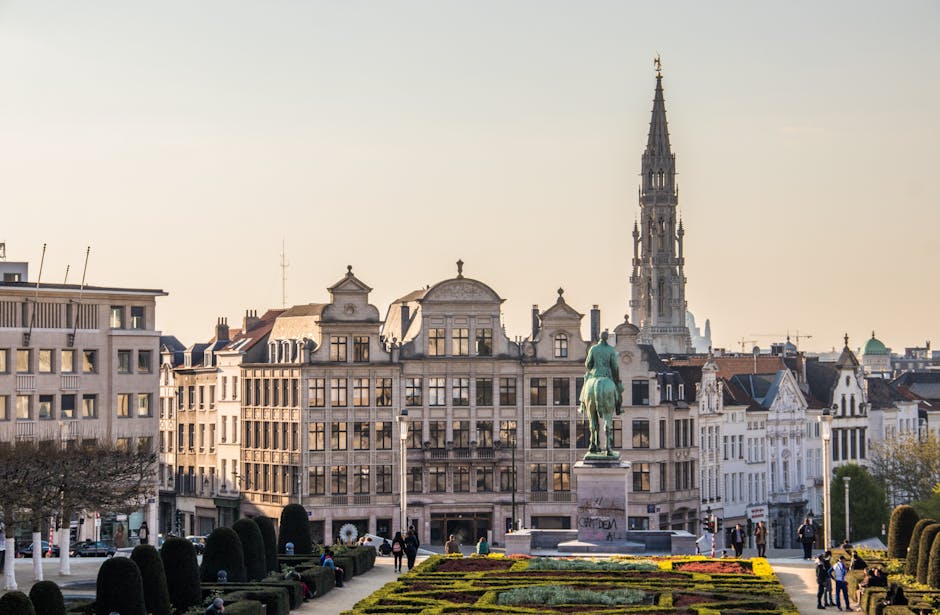
Brussels’ historic core sits inside an irregular pentagon-shaped inner ring road called the Petite Ceinture, which traces the path of the medieval city walls. The Pentagon belongs to the City of Brussels, one of the Brussels-Capital Region’s 19 municipalities, and one that stretches well beyond the old walls. The other 18 — Saint-Gilles, Ixelles, Etterbeek, Schaerbeek, and so on — retain distinct identities and (importantly for travellers) different price points and characters.
For most visitors, the relevant areas are a walk or a short metro or tram ride from Grand Place. We’ve broken those down below from most central to most outlying.
The 8 Best Areas to Stay in Brussels (2026)
1. The Pentagon (Inner City) — Best Overall for First-Time Visitors
Best for: First-time visitors, short trips, sightseeing-focused travellers, and anyone who wants to walk everywhere.
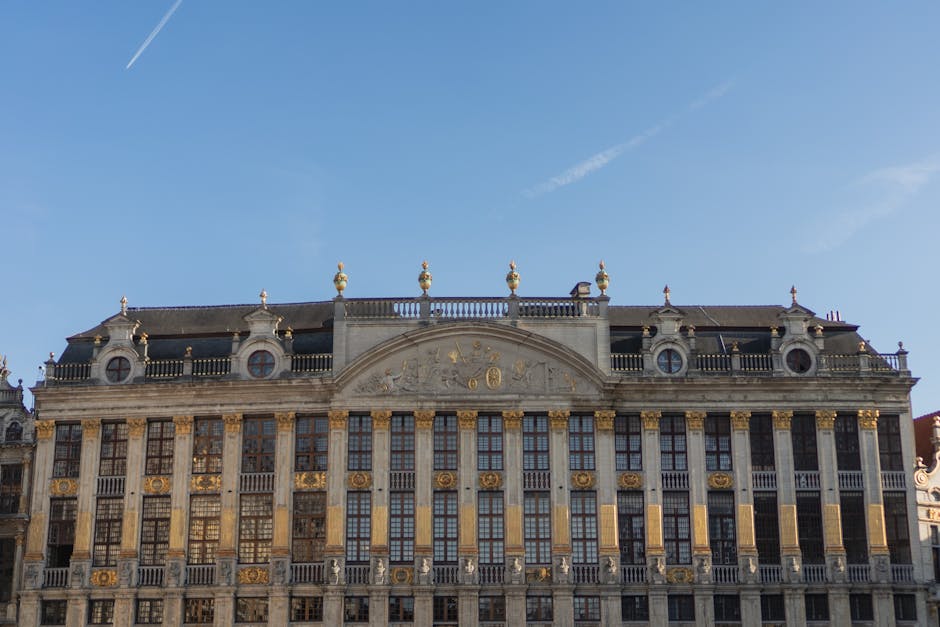
The Pentagon is Brussels’ historic heart and the obvious choice for first-time visitors. Staying here puts Grand Place, Manneken Pis, the Galeries Royales Saint-Hubert, the Cathedral, the Royal Palace, and the Mont des Arts all within walking distance. Central stops such as De Brouckère and Gare Centrale on the metro, and Bourse on the premetro, sit inside the Pentagon, making it easy to reach the rest of the city.
Within the Pentagon, micro-neighbourhoods have very different characters: Îlot Sacré (immediately around Grand Place) is busiest and most touristed; Sainte-Catherine (around the old fish market) is foodie and slightly quieter; Saint-Géry / Dansaert (west of the Pentagon) is the city’s coolest district for shopping and nightlife; and Sablon (uphill toward the Royal Quarter) is the antique and chocolate centre.
Hotel picks: Hotel Amigo (luxury), Marriott Grand Place (mid-range), Hotel Saint Nicolas (budget), Le Dixseptieme (boutique).
Pros: Walk to the main central sights; easy access to public transport; a wide choice of restaurants.
Cons: Pricier than equivalent hotels outside the centre; streets such as Rue des Bouchers can be noisy on weekend nights.
2. Sainte-Catherine — Best for Foodies
Best for: Restaurant-focused travellers, repeat visitors, couples.
Sainte-Catherine sits in the north-western corner of the Pentagon, organised around the eponymous square and old fish market basin. Once Brussels’ working-class harbour district, today it’s one of the city’s best-eating areas — fish restaurants, modern Belgian bistros, and an annual Christmas market. It’s still very central, a short walk from Grand Place.
Hotel picks: Made in Sainte Catherine (boutique), Atlas Hotel (mid-range).
Pros: Brussels’ best restaurant scene; quieter than Îlot Sacré; still walking distance to Grand Place.
Cons: Slightly fewer hotels than the Grand Place zone; some streets feel less polished after dark.
3. Saint-Géry / Dansaert — Best for Trend-Seekers and Shoppers
Best for: Younger travellers, fashion shoppers, nightlife-focused trips.
Just west of the Bourse, Saint-Géry / Dansaert is Brussels’ coolest district — independent boutiques, the city’s best brunch cafés, craft cocktail bars, and a lively but not chaotic nightlife. Belgian designers like Dries Van Noten and Christian Wijnants have flagships in the Rue Antoine Dansaert area. The neighbourhood is technically inside the Pentagon, so still very walkable to all sights.
Hotel picks: Hotel des Galeries (boutique), Pillows Reylof (designer).
Pros: Best shopping in central Brussels; vibrant café scene; small enough to feel like a neighbourhood.
Cons: Limited hotel inventory; weekend nightlife can be loud.
4. Sablon — Best for Refined Stays and Antique Lovers
Best for: Couples, returning visitors, art and antique collectors.
Sablon (or Le Sablon) is the elegant district uphill from Grand Place, organised around the Notre-Dame du Sablon church and the Petit Sablon square. It’s home to antique dealers, Pierre Marcolini and Wittamer chocolate shops, and a weekend antiques market.
Hotel picks: NH Collection Brussels Grand Sablon (mid-range), 9HOTEL Sablon (boutique).
Pros: Quieter and more refined than Grand Place; excellent for chocolate, antiques, and weekend art browsing; still walkable to all major sights.
Cons: Slightly fewer dining options than the lower city; uphill walk back from Grand Place.
5. Avenue Louise — Best for Luxury and Designer Shopping
Best for: Luxury shoppers, business travellers attending events near Place Louise, longer-stay couples.
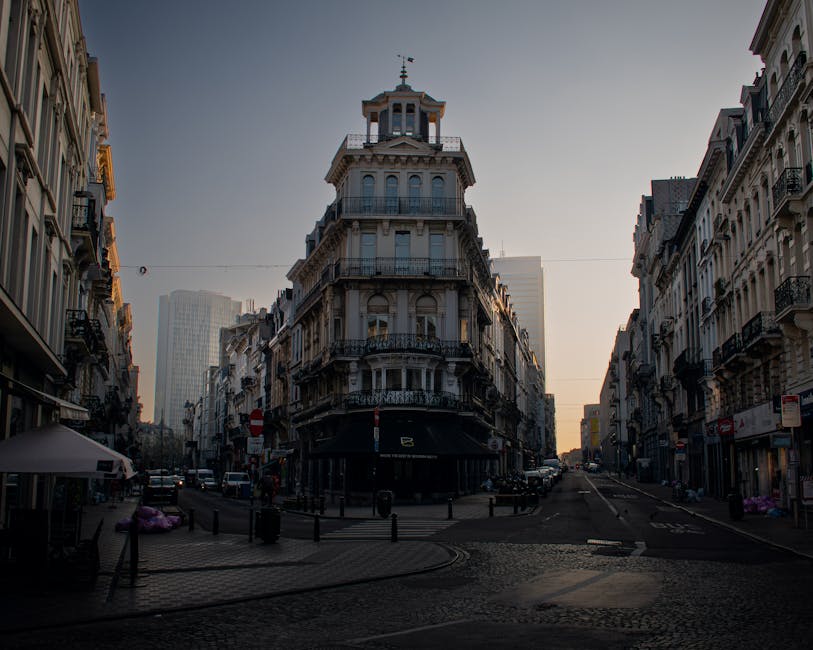
Avenue Louise is Brussels’ answer to the Avenue Montaigne — a tree-lined boulevard running south from the Pentagon to the Bois de la Cambre park, lined with Hermès, Chanel, Dior, and Belgian designer boutiques. The northern end (Place Louise / Place Stéphanie) is busy and well-connected by metro; the southern end gets greener and more residential.
Hotel picks: Steigenberger Wiltcher’s (luxury), Sofitel Le Louise (luxury), Made in Louise (boutique), B&B Hotel Brussels Centre Louise (budget).
Pros: One of Brussels’ main luxury shopping districts; metro lines 2 and 6 stop at Louise.
Cons: Grand Place is a long walk from the southern stretches of the 2.7 km avenue, so you’ll often take the metro or tram; fewer “must-see” sights immediately at hand.
6. European Quarter — Best for Business Travellers
Best for: EU-related business, conference attendees, weekday corporate travel.
The European Quarter, around the Berlaymont (European Commission HQ) and the European Parliament, is dominated by glass and steel office buildings during the week and goes quiet on weekends. It’s a walk or a short metro ride from the historic centre, so compare weekend rates here with those in the Pentagon.
Hotel picks: Hotel BLOOM! (boutique-art), Stanhope Hotel by Thon (luxury townhouse), Aloft Brussels Schuman (mid-range).
Pros: Walking distance to EU institutions; Cinquantenaire Park is right next door; excellent weekend hotel rates.
Cons: Quiet (read: dead) on weekends; fewer evening dining options; you’ll need the metro to reach Grand Place.
7. Saint-Gilles / Ixelles — Best for Local Atmosphere and Architecture
Best for: Architecture enthusiasts, longer stays, families seeking residential calm.
Saint-Gilles and adjacent Ixelles together form Brussels’ most architecturally rich neighbourhoods, with dozens of Art Nouveau townhouses by Victor Horta and his contemporaries. Ixelles also hosts the city’s two artificial lakes (Étangs d’Ixelles), Place du Châtelain (a popular Wednesday food market), and a strong café and brunch scene.
Hotel picks: The Augustin (boutique), Maison du Dragon (boutique), Vintage Hotel (mid-range).
Pros: Authentic Brussels living; walking distance to Avenue Louise shopping; great café and food scene; better value than the Pentagon.
Cons: You’ll need a tram, metro or bus to reach Grand Place, and the journey depends on where you stay, so plan it on STIB’s journey planner.
8. Atomium / Heysel — Best for Family Trips with Kids
Best for: Families visiting Mini-Europe and the Atomium; trade-show attendees at Brussels Expo.
The Atomium and Mini-Europe sit in the city’s far north-west, and a few hotels in the area cater to families and trade-show visitors. Most travellers won’t choose this base for a city-focused trip, but if your itinerary centres on Mini-Europe, the Atomium, and Brussels Expo, staying here saves transit time.
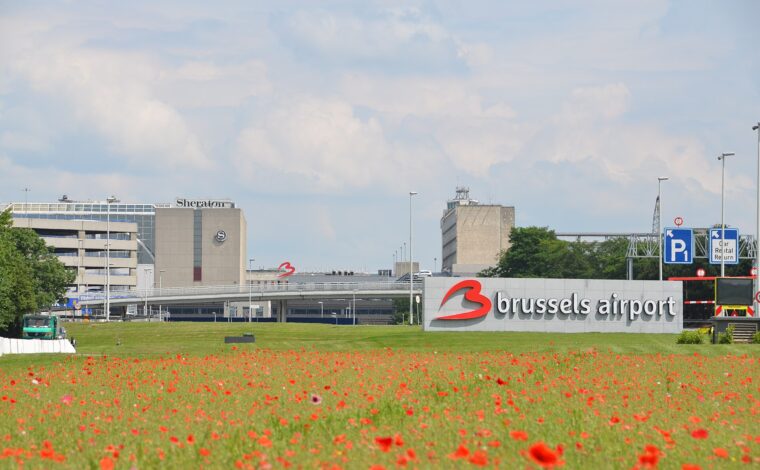
Hotel picks: Van der Valk Hotel Brussels Airport, Brussels Expo Atomium hotels.
Pros: Walking distance to Atomium and Mini-Europe; quieter, more family-friendly atmosphere; ample parking.
Cons: A metro ride from Grand Place rather than a walk; less character.
For more on travelling with children, see our Brussels with kids guide.
Where to Stay in Brussels by Travel Style
Best for first-time visitors (2-3 day trips): The Pentagon (around Grand Place or Sainte-Catherine). You’ll waste no time on transit and you’re surrounded by all the iconic sights.
Best for couples on a special trip: Sablon for refined elegance, or boutique hotels in the Pentagon. Le Dixseptieme and Hotel Amigo are particularly romantic.
Best for families: Sainte-Catherine (good restaurants and quieter streets), Avenue Louise (residential feel and apartment hotels), or Saint-Gilles (parks and family-friendly cafés). Apartment hotels like Smartflats or Adagio offer kitchens and more space.
Best for solo travellers and digital nomads: Saint-Géry / Dansaert for cafés and coworking, or hostels in the Pentagon for social scene. See our budget hotels and hostels guide for full picks.
Best for shoppers: Avenue Louise for designer brands; Saint-Géry / Dansaert for independent Belgian designers; Sablon for chocolate and antiques.
Best for foodies: Sainte-Catherine for the city’s strongest restaurant cluster, with Saint-Géry as a strong runner-up.
Best for nightlife: Saint-Géry / Dansaert is the safest and most varied option. Avoid the immediate area around Brussels-Midi after dark. See our Brussels nightlife guide for details.
Areas to Avoid (Or Approach with Care)
Around Brussels-Midi/Zuid station after dark. The streets immediately around the Eurostar and TGV station are best avoided late at night. Use a taxi or rideshare for late arrivals, and book a hotel a few blocks away in Saint-Gilles rather than directly opposite the station.
Molenbeek-Saint-Jean. Just west of the Pentagon, Molenbeek has a complicated reputation. Most visitors will never have reason to stay here — the hotel inventory is thin and the area feels significantly less polished than central neighbourhoods. There’s nothing inherently dangerous, but it’s not a typical tourist base.
The far north (around Brussels-Nord). Brussels-Nord station and the immediately surrounding streets can feel quiet and run-down at night. Several budget hotels are based here and they’re fine — just don’t expect a charming neighbourhood walk back from dinner.
Getting Around from Each Brussels Neighbourhood
Brussels’ public transport is operated by STIB-MIVB and includes metro (4 lines), tram (18 lines), and bus. Contactless payment costs €2.40 a ride and stops at €8.50 a day — usually the best value for visitors. A paper single is €2.90 and a paper 1-day ticket €9. Brussels is compact, so most trips around the centre are short.
From the Pentagon: Walk to most central sights; the metro, tram and bus network covers the rest of the city, and STIB’s network map shows every line.
From Avenue Louise / Sablon: Metro lines 2 and 6 stop at Louise. Tram routes and diversions differ along the avenue, so plan from your own stop.
From the European Quarter: Metro lines 1 and 5 run from Schuman to the centre.
From Saint-Gilles: Metro lines 2 and 6 stop at Hôtel des Monnaies. Until late April 2027, works put replacement buses on parts of tram 81 (a T-bus between Marius Renard and Brussels-Midi, and bus 96 between Brussels-Midi and Trinité), so check the route before you set out.
From Ixelles: Bus 71 runs from Place Flagey to Gare Centrale and De Brouckère. Tram 81 at Châtelain has service interruptions during works in 2026, so check it before relying on it.
For complete transport details, see our Brussels transportation guide.
Brussels Neighbourhood Quick Reference
| Neighbourhood | Best For | Avg. Hotel (€) | Getting to Grand Place |
|---|---|---|---|
| Pentagon (Centre) | First-time visitors | 180-280 | On foot |
| Sainte-Catherine | Foodies | 160-240 | Short walk |
| Saint-Géry / Dansaert | Trend-seekers | 165-260 | Short walk |
| Sablon | Refined stays | 180-300 | Short walk |
| Avenue Louise | Luxury shopping | 200-450 | Metro or tram |
| European Quarter | Business travellers | 140-220 | Metro |
| Saint-Gilles / Ixelles | Local atmosphere | 120-200 | Tram, metro or bus |
| Heysel / Atomium | Family trips | 110-180 | Metro |
Frequently Asked Questions
What is the best area to stay in Brussels for first-time visitors?
The Pentagon — Brussels’ historic centre, particularly the area between Grand Place and Place Sainte-Catherine — is the best choice for first-time visitors. You’ll be within walking distance of most of the main sights and surrounded by restaurants, bars, and shops.
Is it safe to stay in Brussels?
Yes, the central tourist neighbourhoods (Pentagon, Sablon, Avenue Louise, European Quarter) are generally safe. As in any major European capital, exercise normal urban caution: pickpockets do operate around busy attractions and on the metro, and some streets immediately around Brussels-Midi feel rougher after dark. See our Brussels travel guide for safety details.
What’s the best Brussels area for nightlife?
Saint-Géry / Dansaert is the safest and most varied nightlife area, with cocktail bars, beer cafés, and restaurants open late. The area around Place du Luxembourg is popular with EU staff after work but quieter on weekends. Place Saint-Boniface in Ixelles is excellent for trendy bars and small live-music venues.
Is Avenue Louise good for first-time visitors?
It can be — particularly for travellers who prioritise luxury shopping and a calmer residential feel. The downside is that Grand Place is a long walk or a metro or tram ride away, depending on where on the avenue you stay. For a first trip focused on sightseeing, the Pentagon is more practical.
Where should I stay near the Eurostar in Brussels?
Brussels-Midi (the Eurostar station) sits in the south of the city. Good bases are the Pentagon, a short metro or tram ride away, or Saint-Gilles just south of the station. See our Brussels transport guide for connections.
Is Brussels expensive for hotels?
Brussels is meaningfully cheaper than Paris, Amsterdam, or London for hotels at every tier. Expect €150-€250 per night for a comfortable mid-range central hotel in 2026, €280-€450 for luxury, and €80-€130 for a clean, central budget hotel or hostel private room.
Final Verdict: Where Should You Stay?
For a typical first trip to Brussels, book inside the Pentagon — preferably between Grand Place and Sainte-Catherine. For a special occasion, choose a boutique or luxury hotel in the same area or step up to Sablon. For longer stays, consider Avenue Louise, Saint-Gilles, or Ixelles for better value and a more residential feel. And for families visiting Mini-Europe, the Heysel area saves transit time.
Related Brussels Guides
Keep planning with these companion guides:
- Best Hotels in Brussels City Centre — 12 Top Picks for
Useful Resources for Choosing Brussels Neighbourhoods
Beyond this neighbourhood guide, these official resources help travellers decide on the best areas to stay in Brussels:
- visit.brussels — official tourism office with district-by-district neighbourhood guides.
- STIB-MIVB — Brussels transport authority. Use the route planner to compare commute times from each candidate neighbourhood to your itinerary’s must-sees.
- UNESCO Grand Place — every neighbourhood discussion in Brussels orbits this UNESCO-listed square.
Wherever you base yourself, Brussels’ compact size means you’re never far from where you need to be. For more on choosing the right hotel, see our complete where to stay in Brussels guide and our Brussels neighbourhoods guide.