The Musical Instruments Museum Brussels (MIM) houses over 7,000 musical instruments inside one of Belgium’s most photographed Art Nouveau buildings — the 1899 Old England department store, with its intricate iron-and-glass facade and ornate corner turret. The audio-guide system that plays each instrument when you approach makes this one of Brussels’ most engaging museum experiences. This Musical Instruments Museum Brussels guide for 2026 covers tickets, what to see, and how to plan a perfect visit around the Mont des Arts.
Why Visit the Musical Instruments Museum Brussels?
The Musical Instruments Museum Brussels essentials cluster on three points: the spectacular 1899 Art Nouveau building by Paul Saintenoy (former Old England department store), the 7,000+ instrument collection spanning the Middle Ages to the present, and the brilliant audio-guide system that automatically plays the instrument you’re standing near. Few European museums combine architecture, content, and visitor experience this elegantly.
The Musical Instruments Museum Brussels is also unusual in being engaging for both music geeks and casual visitors.
The Old England Building
The building alone justifies a visit. Designed by Paul Saintenoy in 1899 as the Old England department store, it features:
- Iron-and-glass facade: The black wrought-iron framework punctuated by white-painted curves and glass panels.
- Corner turret: The conical-roof turret on the corner is one of Brussels’ Art Nouveau icons.
- Original interior fittings: Despite multiple renovations, much of the 1899 ironwork survives.
- Glass elevator and accessibility: Modern improvements include a glass lift for step-free access to all floors.
Musical Instruments Museum Brussels: Practical Information
Address
Rue Montagne de la Cour 2, 1000 Brussels (Mont des Arts area, between Grand Place and Place Royale).
Opening Hours
Tuesday-Friday: 9:30 AM – 5:00 PM. Saturday-Sunday: 10:00 AM – 5:00 PM. Closed Mondays and major holidays.
Tickets
Adult: €15. Senior: €13. Student: €8. Child: Free. First Wednesday of the month after 1:00 PM: Free.
How to Get There
Metro: Gare Centrale or Parc (Lines 1, 5) — 5 minutes’ walk.
Tram: Trams 92, 94 stop at Royale.
Walking from Grand Place: 8 minutes uphill via Mont des Arts.
What to See at the Musical Instruments Museum Brussels
1. The Audio-Guide System
Headphones are included with every ticket. As you approach each instrument, sensors automatically play that exact instrument. Walking through, you hear medieval lutes, Baroque harpsichords, 19th-century clarinets, gamelan orchestras, and Indian sitars play themselves as you approach. The Musical Instruments Museum Brussels’ biggest innovation.
2. Floor 1: Mechanical, Electrical, and Electronic Instruments
Pianolas, music boxes, hurdy-gurdies, early synthesizers, and electronic instruments from Theremins to Moog synthesizers. Surprisingly engaging for younger visitors.
3. Floor 2: Traditional Musical Instruments
Non-Western instruments from around the world — African djembe drums, Indonesian gamelans, Indian sitars, Japanese koto, Andean flutes. One of Europe’s strongest world-instruments collections.
4. Floor 3: Western Classical Music
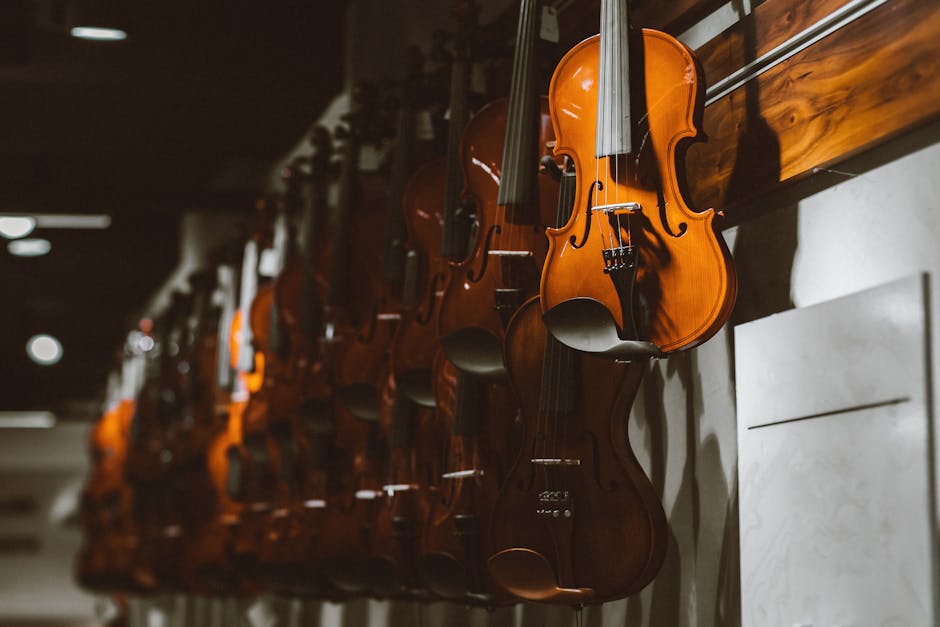
The European orchestra tradition — strings (violins, violas, cellos), woodwinds (oboes, clarinets, bassoons), brass (trumpets, horns, trombones), and percussion. Includes several Stradivarius-era instruments.
5. Floor 4: Keys and Keyboards
Harpsichords, clavichords, fortepianos, modern grand pianos, organs, and the famous Belgian piano-making tradition.
Musical Instruments Museum Brussels: Sample 3-Hour Itinerary
10:00 AM: Arrive at the museum. Get audio-guide headphones.
10:15 AM: Floor 1 — Mechanical/Electronic instruments (45 minutes).
11:00 AM: Floor 2 — Traditional instruments (60 minutes).
12:00 PM: Floor 3 — Classical music (45 minutes).
12:45 PM: Floor 4 — Keys and keyboards (30 minutes).
13:15 PM: Coffee break near the Mont des Arts.
14:00 PM: Museum shop and exit.
Visitor Tips
Visit on first Wednesday afternoons. Free admission after 1 PM (expect crowds).
Audio-guide is included. No need to pay extra. Headphones provided at entry.
Ticket sales end at 16:00. Arrive well before then if you want the full collection.
Combine with Magritte Museum. Both are 5 minutes apart. See our Magritte Museum Brussels guide.
The building is fully accessible. Glass elevator to all floors; step-free main entrance.
Allow 2.5-3 hours. The audio-guide system rewards slow listening.
Musical Instruments Museum Brussels: Quick Reference
| Detail | Information |
|---|---|
| Address | Rue Montagne de la Cour 2, 1000 Brussels |
| Adult ticket | €15 |
| Student | €8 |
| Under 18 | Free |
| Hours | Tue-Sun 9:30-17:00 (Sat-Sun from 10:00) |
| Building | 1899 Paul Saintenoy Art Nouveau (Old England) |
| Instruments | 7,000+ |
| Time needed | 2.5-3 hours |
Musical Instruments Museum Brussels: Highlights Not to Miss
The Musical Instruments Museum Brussels (MIM (Musical Instruments Museum)) collection rewards a focused 2-3 hour visit. The must-see highlights:
- The Old England Building (Paul Saintenoy, 1899): The museum’s signature collection — most visitors find these the highlight regardless of personal interest.
- The 8,000+ musical instruments across 4 floors: The collection’s principal attraction. Allow at least 45 minutes for deeper appreciation.
- Temporary exhibits: Rotate every 3-6 months; check the museum website before visiting to see what’s currently on display.
- Interactive stations: Modern museum design — touchscreen learning stations and immersive video presentations supplement the static collection.
- Audio guide: Available in English, French, Dutch, and typically German/Spanish. Significantly enhances the visit; included with your ticket.
- Photography: Allowed without flash throughout the permanent collection. Temporary exhibits sometimes restrict.
- Building architecture: The museum building itself often deserves attention — many Brussels museum buildings are historically significant.
- Quiet corners: Off-the-beaten-track galleries see one-fifth the foot traffic of headline exhibits — better viewing experience.
Musical Instruments Museum Brussels: Practical Visiting Tips
Practical Musical Instruments Museum Brussels planning notes that frequent Brussels museum-goers rely on:
- Best day: Tuesday or Thursday — least crowded weekdays.
- Best time: Late afternoon (15:00 onwards). Morning sees school groups; midday brings tour buses.
- Closed Mondays as is the case with most major Brussels museums.
- Allow 2-3 hours minimum. Devoted enthusiasts easily spend 4 hours.
- Cloakroom: Free, accepts large bags. Strollers usually allowed throughout.
- Café/restaurant on-site: Most major Brussels museums have a café — quality varies. Plan lunch elsewhere if you’re particular.
- Wheelchair accessible: Lifts in most major museums; verify on the museum’s accessibility page.
- Combined tickets: Brussels Card (€41 24h / €59 72h) includes 49 museums, with STIB transport as an add-on — pays for itself with 2-3 visits.
- Free admission days: Many museums offer first-Wednesday or first-Sunday free entry — check before planning.
- Pre-book online via the museum website to skip the ticket counter queue.
Musical Instruments Museum Brussels: Family and Education Programs
The Musical Instruments Museum Brussels programs targeting kids and educational groups are worth knowing about whether you have children or not:
- Family audio guides: Kid-friendly versions of the main audio guide; usually free or €1-€2 supplement.
- Saturday children’s workshops: Ages 6-12 hands-on activities; €15-€20 per child; pre-book online.
- School holiday programs: Brussels-area school holidays (late October, Christmas, Carnival, Easter, summer) see expanded family programming.
- Birthday party packages: Many museums offer themed children’s birthday packages with museum tour + activity + cake.
- School group tours: Bookable tours for organised school visits; English-language groups welcome.
- Adult learning classes: Some museums offer evening adult education series on specialised topics.
- Free family entry days: Several Brussels museums offer free entry for families on specific dates throughout the year.
- Museum night: Brussels Museum Night Fever (annually, usually March) offers free entry to most museums with extended evening hours.
Musical Instruments Museum Brussels: How to Combine With Brussels Sights
Most visitors get more out of Musical Instruments Museum Brussels by combining it with nearby Brussels attractions in a half- or full-day plan:
- Morning: Arrive at the museum at 10:00 opening for the first crowd-free hour.
- Late morning: Coffee at the on-site café or a nearby café.
- Lunch (12:00-14:00): Belgian classics at a brasserie within 10 minutes’ walk.
- Afternoon: Visit a complementary museum or nearby sight.
- Late afternoon: Pentagon or Sablon walking time.
- Evening: Belgian beer at a Pentagon brasserie.
For the full Brussels museum landscape, see our Brussels museums guide covering 25+ institutions.
Musical Instruments Museum Brussels: The Old England Building
The Musical Instruments Museum (MIM) occupies the Old England Building (1899) on Mont des Arts — a black-painted iron-and-glass Art Nouveau masterpiece by Paul Saintenoy. The building itself is reason enough to visit, regardless of music interest.
The Old England department store closed in the 1970s; after restoration, the building reopened in 2000 as the MIM. Original features preserved include the dramatic curved facade, the central staircase under a skylit atrium, and intricate iron filigree throughout. The rooftop restaurant is temporarily closed for renovation, so check mim.be before you plan a visit around its view over Mont des Arts.
Musical Instruments Museum Brussels: Collection Highlights
The Musical Instruments Museum Brussels collection holds 8,000+ instruments across four floors, organised geographically and historically:
- Floor 1 — European Folk Instruments: Folk music traditions from across Europe; bagpipes, hurdy-gurdies, accordions.
- Floor 2 — World Instruments: Instruments from Africa, Asia, Latin America, Oceania. Strong African collection from Belgian colonial-era ethnographic work.
- Floor 3 — Western Classical: Pianos (including original Pleyel), harps, harpsichords, organs. The strong harpsichord collection includes original 17th-18th century pieces.
- Floor 4 — Mechanical and Electronic: Music boxes, mechanical pianos, early electronic instruments, theremins.
- Hidden gems: Adolphe Sax’s original saxophones (the Brussels-based inventor of the saxophone). Several saxes attributed to the original 1840s prototypes.
- Audio guide is essential: Free with admission; lets you hear each instrument played. Without the audio guide, you’re looking at silent objects.
- Temporary exhibitions: Rotate every 6 months — recent themes have included “Music in Surrealism” and “Belgian Jazz.”
- Live concerts: The museum hosts weekly free concerts on its top floor (Thursday-Sunday). Check the website for schedules.
Musical Instruments Museum Brussels: Visiting Tips
Practical MIM visit pointers:
- Admission: €10 adults; €5 reduced; free for under-18s.
- Hours: Tuesday-Friday 09:30-17:00, Saturday-Sunday 10:00-17:00. Closed Mondays.
- Allow 2-3 hours minimum — devoted music lovers easily spend 4 hours.
- Audio guide: Free, in English, French, Dutch, German, Spanish.
- Rooftop restaurant: Temporarily closed for renovation; check mim.be for its reopening.
- Combine with Mont des Arts walking: The MIM sits at the heart of Mont des Arts — combine with Magritte, Royal Museums of Fine Arts, BELvue for a half-day cultural circuit.
- Brussels Card: Free entry; pays for itself if combining with 2-3 museums.
- Live concerts: Weekly free concerts on the top floor; check schedule before visiting.
Musical Instruments Museum Brussels: Combining With Nearby Brussels Sights
Most Musical Instruments Museum Brussels visitors get more out of the museum by combining it with nearby Brussels attractions in a half- or full-day plan:
- Cinquantenaire Park complex: 30-hectare formal park, free, with sweeping lawns and the imposing Triumphal Arch (1905). The central arch is a major Brussels postcard view.
- Royal Museum of the Armed Forces: Free admission. Massive collection covering Belgian military history from medieval period to NATO era. Allow 90 minutes minimum.
- Royal Museums of Art and History: European decorative arts, Egyptian collection, Belgian medieval treasures. €10 entry.
- Temple of Human Passions: Small but powerful Victor Horta-designed pavilion (1899) housing Jef Lambeaux’s controversial 19th-century sculpture. Free.
- Aviation Hall: Vintage aircraft from the Royal Museum of the Armed Forces collection.
- Café Vert Tilleul: Park-edge café for lunch break — €15-€25 Belgian classics.
- European Quarter walk: The Cinquantenaire area connects naturally to the EU institutions area — 15 minutes’ walk west.
- Mont des Arts: Brussels’ central cultural quarter — Magritte Museum, Royal Museums of Fine Arts, BELvue. 20 minutes via metro Line 1/5.
Musical Instruments Museum Brussels: Local Tips Worth Knowing
Musical Instruments Museum Brussels insider tips frequent Brussels museum-goers rely on but rarely make it into mainstream guides:
- First Wednesday afternoon free admission applies to most Brussels museums (after 13:00). The single best Brussels cultural bargain.
- Sunday morning vs Saturday morning: Sunday mornings are noticeably quieter than Saturdays.
- Annual membership: If you’re staying in Brussels long-term, annual memberships at €30-€50 pay for themselves quickly.
- Museum Night Fever: Annual Brussels event (usually March) offers free entry to most museums during evening hours, plus themed live performances. Wristband €20.
- “Museum Pass Musées”: Belgian-wide museum pass (€59/year) covers 200+ museums across Belgium. Great if visiting multiple Belgian cities.
- Audio guide language: Typically available in English, French, Dutch, German, Spanish, Italian. Smaller museums may only offer French/Dutch.
- Best photo backgrounds: Most Brussels museums have at least one signature exhibit that makes for striking Instagram content — research before visiting.
- Combined ticket strategies: Brussels Card holders should plan museum visits early in their 24/48/72-hour window to maximise pass value.
- School holidays: Brussels-area school holidays bring family programming and increased crowds.
- Cafés and lunch: On-site museum cafés vary in quality. Plan to eat elsewhere if you’re particular — central Brussels has hundreds of café options within 10 min walk.
Musical Instruments Museum Brussels: Frequently Asked Practical Questions
Common questions about visiting Musical Instruments Museum Brussels that catch first-time visitors out:
- How early should I arrive? The museum opens at 10:00; arriving by 10:15 gives you 60-90 minutes of crowd-free viewing before the tour group peak around 11:30.
- Are pre-booked tickets necessary? Generally not for weekday visits, but strongly recommended for weekends and school holidays — the ticket counter queue can reach 30-40 minutes during peak periods.
- What about photography policy? Photography without flash is allowed throughout the permanent collection. Tripods and selfie sticks generally banned. Temporary exhibits sometimes restrict photography entirely.
- Can I leave my bag at the museum? Yes — free cloakroom accepts large bags and coats. Lockers available for valuables.
- Is the museum wheelchair accessible? Yes — lifts to all floors, accessible toilets, free entry for an accompanying caregiver.
- Family ticket options? Most museums offer family discount packages (2 adults + 2 children at 15-20% off individual ticket cost).
- Can I bring food and drink? Generally no — but on-site cafés serve light meals, and you can leave the museum and return on the same ticket.
- Public transport from Brussels-Central? Most major Brussels museums are 15-25 minutes from Brussels-Central via metro or tram.
- Is English support strong? Yes — audio guides, signage, and most staff speak English. French and Dutch are official languages but English works throughout.
- Free entry days? Many Brussels museums offer first-Wednesday or first-Sunday free admission — check the museum’s official site before planning.
Related Brussels Guides
Keep planning with these companion guides:
- Atomium Brussels Guide — Tickets, Mini-Europe Combo & Visit
Useful Resources
- MIM Musical Instruments Museum — official site.
- visit.brussels MIM — official tourism office.
Frequently Asked Questions
What is the Musical Instruments Museum Brussels famous for?
The 7,000+ instrument collection housed in the 1899 Old England department store — one of Brussels’ most beautiful Art Nouveau buildings. The audio-guide system that automatically plays each instrument is the museum’s signature feature.
How much does the Musical Instruments Museum Brussels cost?
Adult €15, senior €13, student €8, under-18 free. First Wednesday of the month after 1:00 PM is free for all.
How long should I plan for the Musical Instruments Museum Brussels?
2.5-3 hours for the full collection with audio guide.
Is the Musical Instruments Museum Brussels worth visiting?
Yes — particularly for music lovers and Art Nouveau architecture enthusiasts. The audio-guide system makes this one of Brussels’ most engaging museum experiences.
Is the rooftop restaurant open?
The MIM rooftop restaurant is temporarily closed for renovation. Check mim.be for its reopening before you plan a visit around it.
Where is the Musical Instruments Museum Brussels?
Rue Montagne de la Cour 2, in the Mont des Arts area. 5 minutes’ walk from Gare Centrale, 8 minutes from Grand Place.
Final Thoughts
The Musical Instruments Museum Brussels delivers one of Europe’s most innovative museum experiences. Whether you walk through hearing Stradivarius violins play themselves, marvel at the 1899 Old England building, or simply admire the building from the Mont des Arts, you’ll find the Musical Instruments Museum Brussels offers Brussels at its most architecturally and culturally rich. For more on Brussels museums, see our Brussels museums guide and Magritte Museum Brussels.


