Somewhere in the ticket hall of the Royal Museums of Fine Arts, at least once an hour, a family works out that the two children they just bought Brussels Cards for would have walked in free anyway. It is an expensive way to learn how Belgian museum pricing works, and it is the reason the honest answer to is the Brussels Card worth it is not a yes or a no but a fairly specific piece of arithmetic that almost nobody does before buying.
This page does that arithmetic. It sets the card’s three tiers against the actual door prices of the museums it covers, works out how many you genuinely have to visit before it pays back, and compares it with the two alternatives most visitors have never heard of — the free first Wednesday afternoon, and an annual Belgian museum pass that costs barely more than the 72-hour card. Prices were checked in September 2026; treat them as the right order of magnitude, because museums reprice in January and the card’s list of partners moves every year.
The Numbers, At a Glance
| Pass | Price | Covers | Break-even |
|---|---|---|---|
| Brussels Card 24h | €41 | 49 museums | ~3 museums in one day |
| Brussels Card 48h | €53 | 49 museums | ~4 museums |
| Brussels Card 72h | €59 | 49 museums | ~4–5 museums |
| Public transport add-on | €9 | STIB network, card duration | Two journeys a day |
| museumPASSmusées (annual) | ~€65 | 260+ museums, all Belgium, 12 months | ~5 museums, ever |
| STIB 1-day ticket (paper) | €9 | Metro, tram, bus | Four journeys |
What the Individual Museums Actually Charge
The card only makes sense in relation to the prices it replaces, and Brussels museums are, by west-European standards, cheap. These are the adult door prices for the headline institutions on the card:
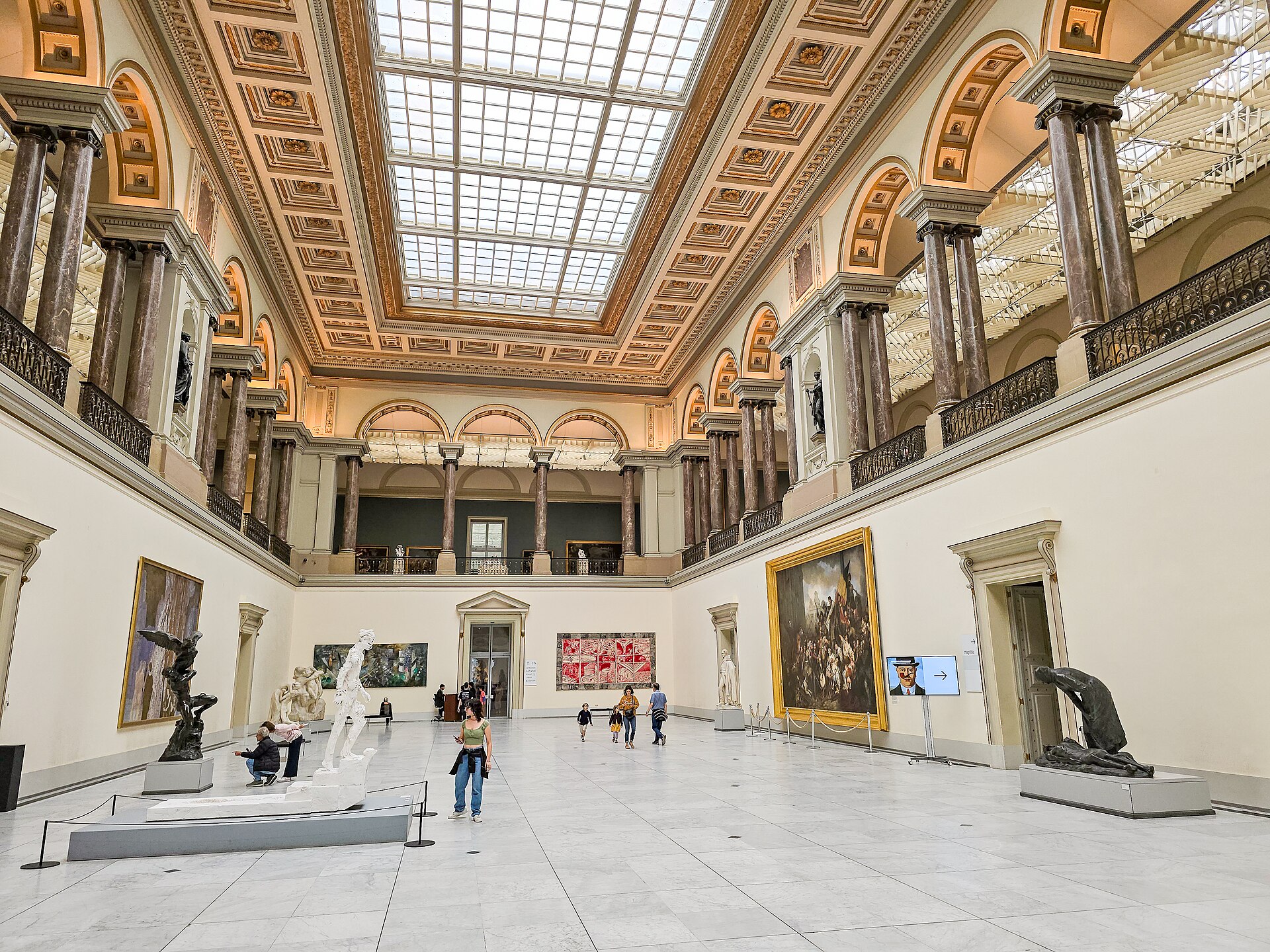
- Royal Museums of Fine Arts — Old Masters: €13
- Magritte Museum: €13, or €20 for the combined ticket with Old Masters
- Autoworld: €18 — the most expensive single admission on the list
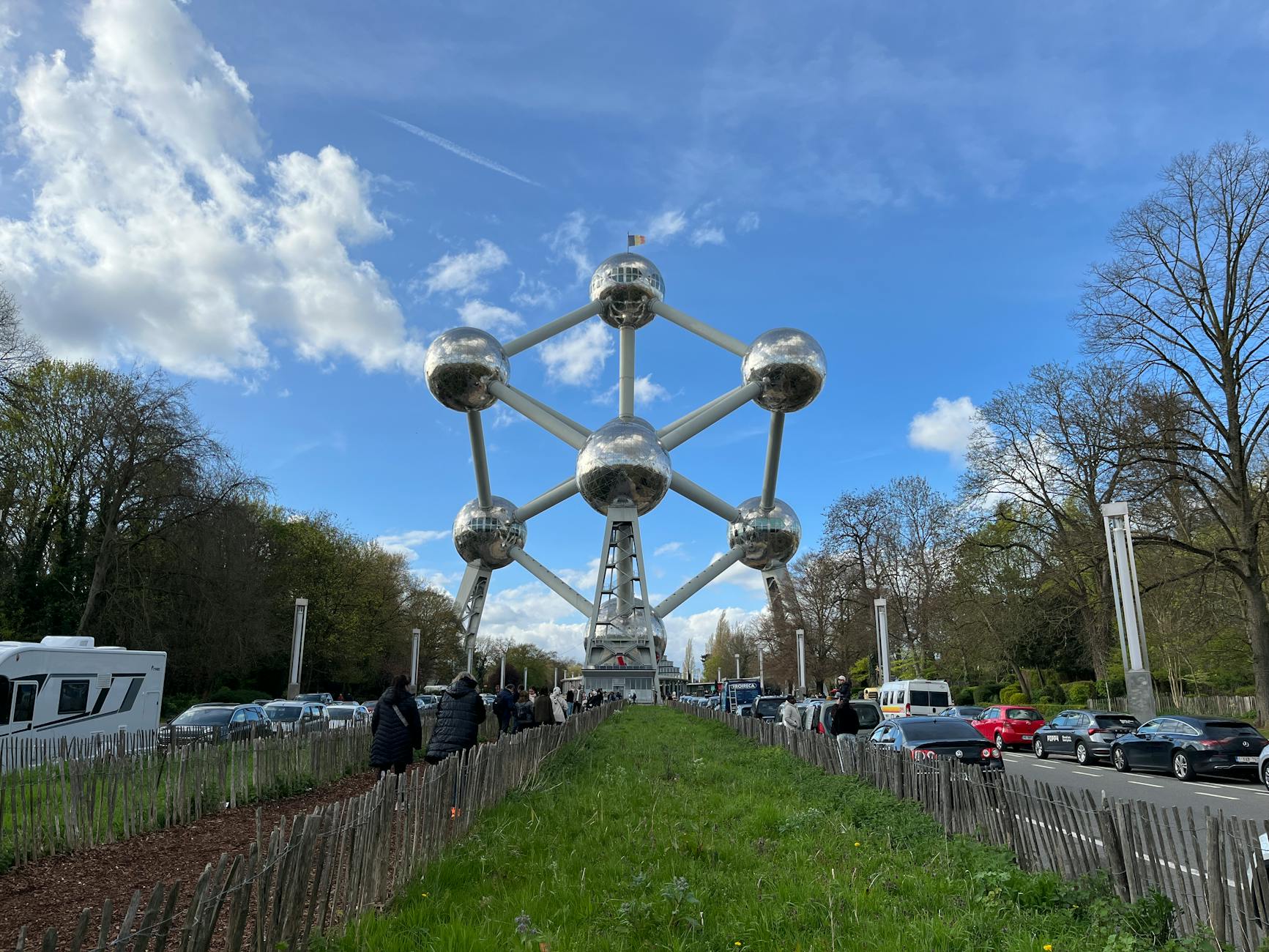
- Atomium: €17
- Musical Instruments Museum (MIM): €18
- Belgian Comic Strip Centre: €14
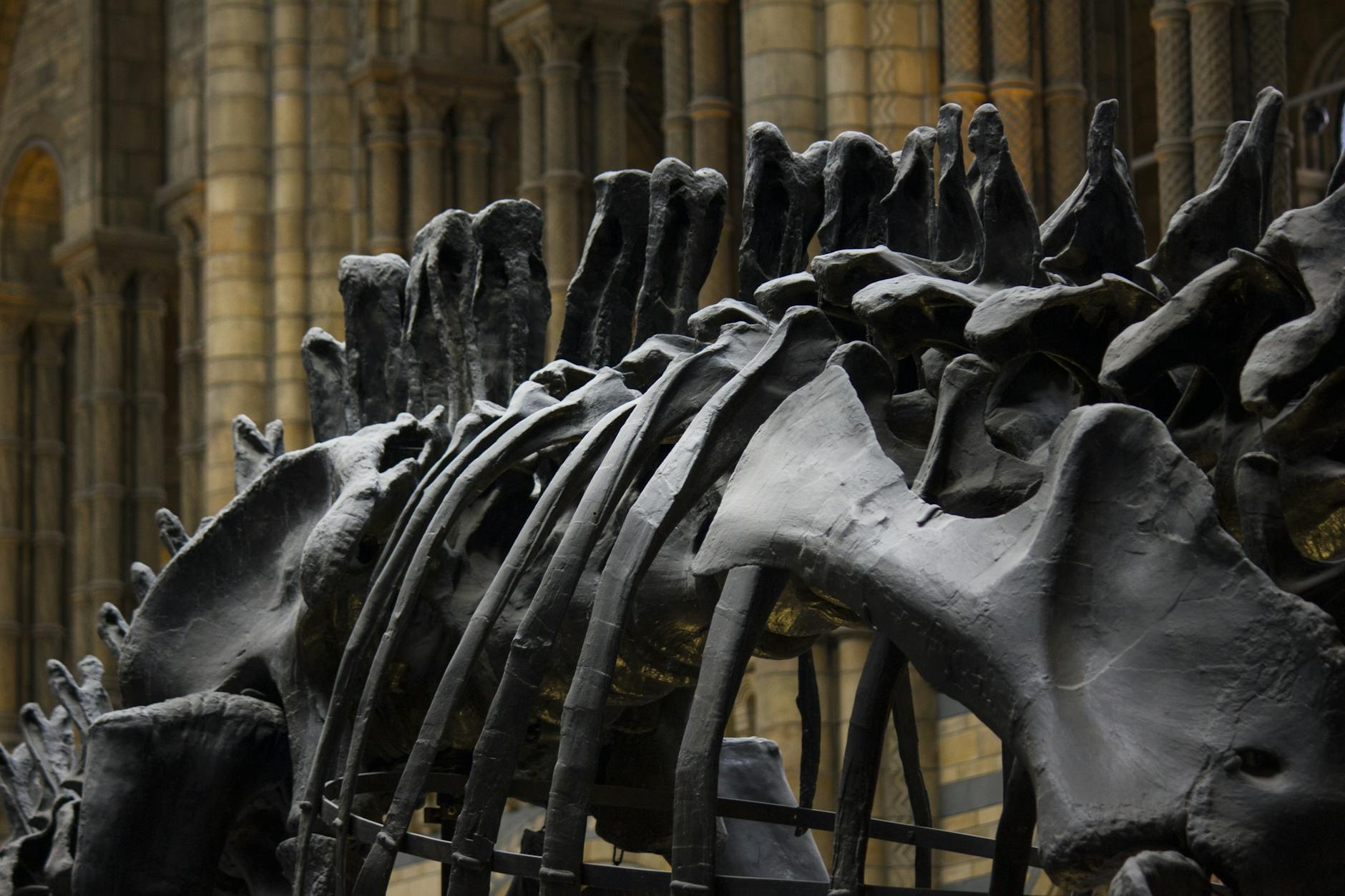
- Museum of Natural Sciences: in the €12–15 band
Average that out and a Brussels museum costs somewhere between €12 and €16. That single figure is the whole story: at €41, the 24-hour card needs three of them in a day to break even, and at €59 the 72-hour card needs four or five.
The Break-Even Maths, Done Properly
The 24-hour card at €41
Three museums in a single day is the threshold, and three museums in a single day is genuinely hard work. A realistic combination — Fine Arts and Magritte combined (€20), the MIM (€18) and the Comic Strip Centre (€14) — comes to €52 and saves you eleven euros. That is a real saving, but it commits you to roughly six hours indoors, in three buildings, with two walks between them, on the only full day some visitors have.
If you would actually enjoy that day, buy the card. If you are buying it in the hope of doing that day, you are buying an intention rather than a ticket. Most people manage two museums and a long lunch, and two museums costs about €28.
The 48-hour card at €53
This is the best-value tier, and the one we would pick if we were buying at all. Four museums over two days is comfortable — two per day, with the afternoons free — and four museums at door prices runs €50–60. The card breaks even and you stop counting.
The 72-hour card at €59
Awkward. It is only six euros more than the 48-hour version, which makes it look like an obvious upgrade, but three days in Brussels usually means at least one of them goes to Bruges, Ghent or Antwerp — and the card covers nothing outside the city. In practice a great many 72-hour cards get used for two days’ worth of museums at 72 hours’ worth of price.
The Three Things That Break the Maths
Children go free anyway
This is the most expensive misunderstanding in Brussels. At the Royal Museums of Fine Arts, under-eighteens visiting outside a school group get in free — not reduced, free — and the same or similar applies at several other federal institutions. Buying a Brussels Card for a child (there is no child rate) to cover museums that were never going to charge your child is a straight loss.
Families should price the adults’ cards and the children’s admissions separately, and check each museum’s own under-18 policy before assuming a family card saves anything. Our guide to Brussels museums for kids covers which ones are worth the trip in the first place.
The first Wednesday afternoon is free
The federal museums — Fine Arts, Magritte, the Musical Instruments Museum, Natural Sciences and others — open their permanent collections free of charge on the first Wednesday of every month from 13:00. Temporary exhibitions are excluded, and the galleries are noticeably busier, but it is a genuine, official, no-catch offer.
If your trip contains a first Wednesday, the card’s value collapses on that day. Plan the museums into that afternoon and spend the €41 on dinner instead. If your trip does not contain one, ignore this paragraph entirely — chasing a free Wednesday is not a reason to move a trip.
The annual pass costs barely more than the 72-hour card
The museumPASSmusées is an annual Belgian card, around €65 at the time of writing, valid twelve months and covering more than 260 museums across the whole country — Brussels, Bruges, Ghent, Antwerp, Liège, everywhere. The 72-hour Brussels Card is €59 and covers 49 museums in one city for three days.
For a single short city break, the Brussels Card usually still wins on convenience: it includes the Atomium, it bundles discounts, and it is designed to be bought by a visitor. But if you live in Belgium, if you are touring the country, or if there is any realistic chance you will be back within a year, the annual pass is the better purchase by a wide margin. Check the current price and terms before buying — it is repriced annually.
What Is Actually Included
Forty-nine museums is the headline number, and it is a genuine one, but the list is heavily weighted towards the federal and municipal institutions in the upper town and the European Quarter. The strong inclusions:
- The Atomium — at €17, the single most valuable thing on the card, and the one most visitors will actually use. See our Atomium and Mini-Europe guide for whether the climb is worth it.
- Royal Museums of Fine Arts and the Magritte Museum — two buildings, one entrance complex, and the strongest art holdings in the country. Our separate guides to the Royal Museums of Fine Arts and the Magritte Museum go into what to prioritise inside.
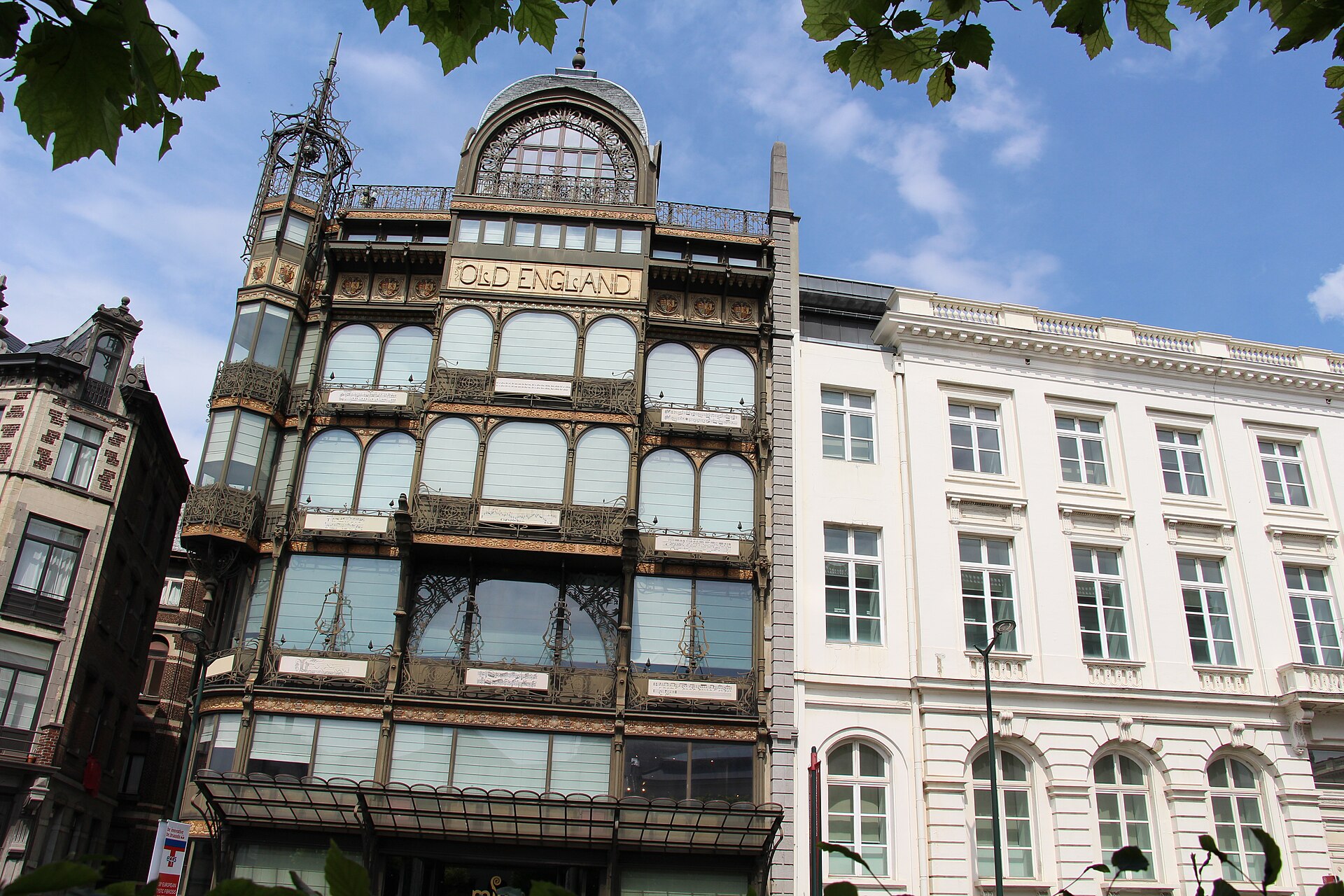
- Musical Instruments Museum — worth it for the Old England building and the rooftop café even if the instruments leave you cold.
- Belgian Comic Strip Centre — a Horta building full of Tintin, covered in our Comic Strip Centre guide.
- Autoworld and the Cinquantenaire museums — the €18 admission makes Autoworld disproportionately valuable on the card.
- Museum of Natural Sciences — Europe’s best dinosaur hall, and the strongest family inclusion. Details in our Natural Sciences Museum guide.
The card also carries a scatter of discounts — restaurants, shops, some tours, the odd attraction at a percentage off rather than free. Treat these as decoration. Nobody has ever recouped the price of a city card on ten per cent off a waffle.
What Is Not Included
The gaps matter as much as the inclusions:
- Public transport is a separate €9 add-on, not part of the base card.
- Temporary exhibitions are almost always extra, even at museums where the permanent collection is free with the card. If you are coming specifically for a blockbuster show, price it separately.
- Anything outside the Brussels-Capital Region. A day in Bruges or Ghent is a day the card does nothing.
- Most private attractions — the smaller commercial museums, the brewery visits, the chocolate workshops.
- The Horta Museum operates its own timed-entry system at €14; check the current card terms rather than assuming, and note that Art Nouveau houses often sit under a separate Art Nouveau Pass instead.
Is the Transport Add-On Worth It?
The transport option adds STIB metro, tram and bus for the duration of the card: €9 on the 24-hour card, €16.95 on the 48-hour and €21.50 on the 72-hour. Set against a standalone STIB 1-day ticket at €9, or contactless payment that stops charging at €8.50 a day, the 24-hour add-on saves you nothing. On the longer cards it works out at roughly €7–8.50 a day, a small saving, and it also covers bus 12 into town from the airport, which otherwise costs €7.90.
So: skip the add-on on the 24-hour card and pay by contactless if you need transport; take it on the 48- and 72-hour cards if you will ride every day, where it saves a little. Our Brussels transport tickets guide explains the alternatives, and it is worth remembering that Brussels is walkable enough that many visitors need transport on precisely one day — the day they go to the Atomium.
The Verdict, By Traveller Type
| You are… | Buy? | Why |
|---|---|---|
| One day, two museums, lots of walking | No | Two admissions cost about €28 against €41 |
| Two days, museum-focused | Yes, 48h | Four museums clears the €53 easily |
| Three days with a day trip | Probably not | The day in Bruges is a day the card is idle |
| Family with under-18s | Adults only | Children are free at the federal museums |
| Visiting on a first Wednesday | No | Federal museums are free from 13:00 |
| Touring Belgium, or a repeat visitor | Buy the annual pass | ~€65 for 260+ museums nationwide |
| Here for the Atomium and one museum | No | €17 plus €13 is €30, not €41 |
How to Buy, and When
The card is sold online through visit.brussels and at the tourist offices on the Grand-Place and at BOZAR, as well as through the usual resale platforms. It activates on first use, not on purchase — the same rule as the hop-on hop-off bus — so buying in advance costs you nothing in validity.
Buy it the night before rather than at the first museum door, because the queue at the Fine Arts ticket desk at 10:15 on a Saturday is not where you want to be doing sums. And check the opening days before you plan: many Brussels museums close on Mondays and some on Tuesdays, which quietly destroys a 48-hour card that starts on a Sunday afternoon.
Related Brussels Guides
- Brussels Museums Guide — all of them, ranked, with what to skip.
- Royal Museums of Fine Arts — the card’s biggest single inclusion.
- Atomium and Mini-Europe — the €17 that makes the maths work.
- Free Things to Do in Brussels — what costs nothing with or without a card.
- Brussels on a Budget — the wider case for spending less here.
- Brussels Tours and Experiences — the bookings that are worth it, and the ones that are not.
- How Many Days in Brussels — which decides which card tier, if any, you want.
Useful Resources
- visit.brussels — sells the Brussels Card and publishes the current list of 49 partner museums, which changes annually.
- fine-arts-museum.be — the Royal Museums’ own admission page, and the definitive source on the free first Wednesday and the under-18 policy.
- museumPASSmusées — the annual national pass; check the current price before comparing it with a 72-hour card.
- STIB/MIVB — for pricing the transport add-on against a standalone day ticket.
- brusselsmuseums.be — the free-entry calendar and the separate Art Nouveau Pass.
Frequently Asked Questions
Is the Brussels Card worth it for a weekend?
Only if you will visit four or more museums across the two days. The 48-hour card at €53 breaks even at roughly four admissions, and four is achievable at a comfortable pace. Two museums and a lot of walking — which is what most weekends actually look like — costs less at the door.
How much is the Brussels Card?
€41 for 24 hours, €53 for 48 hours and €59 for 72 hours, with an optional €9 public transport add-on. It covers 49 museums plus a set of minor discounts.
Does the Brussels Card include the Atomium?
Yes, and at €17 it is the most valuable single inclusion. Getting there is a separate question — metro line 6 to Heysel/Heizel, or the transport add-on if you have bought it.
Does the Brussels Card include public transport?
Not in the base price. STIB transport is an option: €9 on the 24-hour card, €16.95 on the 48-hour and €21.50 on the 72-hour. That is no saving on the 24-hour version — a standalone STIB 1-day ticket is €9 — and a modest one on the 48- and 72-hour versions. No version covers SNCB trains.
Do children need a Brussels Card?
Often not. Under-eighteens visiting outside a school group get in free at the Royal Museums of Fine Arts and several other federal institutions. Check each museum’s own policy before buying a card for a child, at the full adult price; the saving is frequently zero.
When are Brussels museums free?
The federal museums open their permanent collections free of charge on the first Wednesday of each month from 13:00. Temporary exhibitions are excluded and the galleries get busy, but it is a real offer and it makes a card bought for that day worthless.
Brussels Card or museumPASSmusées?
For one short visit to Brussels alone, the Brussels Card, because it includes the Atomium and is designed for a three-day window. For anyone touring Belgium, living here, or likely to return within twelve months, the annual pass at around €65 covers 260-plus museums nationwide and is not close.
When does the card start counting?
At first use, not at purchase, so you can buy it in advance without losing hours. Watch the Monday closures, though — a 48-hour card activated on a Sunday afternoon spends most of its life on a day when the museums are shut.
Photo Credits
The great hall of the Royal Museums of Fine Arts of Belgium: Interior of the Royal Museums of Fine Arts of Belgium 01 by Szilas, CC BY 4.0, via Wikimedia Commons.
The Old England building, home of the Musical Instruments Museum: Bruxelles – Musée des Instruments de Musique (MIM) by Fred Romero, CC BY 2.0, via Wikimedia Commons.
Final Thoughts
City cards are sold on the promise of saving money and bought on the promise of feeling organised, and the second one is usually what people are actually paying for. The Brussels Card is a decent product — the partner list is real, the Atomium inclusion is genuinely good, and the 48-hour tier at €53 is fairly priced against what it replaces. It is simply not a discount so much as a bulk deal, and bulk deals only work if you were always going to buy in bulk.
So do the sum before you buy, not after. Count the museums you actually intend to enter — not the ones on the list, the ones you will walk into — and multiply by fourteen. If the number is bigger than the card, buy the card. If it is smaller, keep the difference and spend a slow afternoon in the Sablon instead, which is free and, on a good day, better.