Brussels may not have the instant art-world name recognition of Paris or Amsterdam, but the depth and variety of its museums rivals any European capital. This is a city where you can start your morning with Bruegel and Rubens at the Old Masters Museum, spend the afternoon exploring the largest dinosaur gallery in Europe, and finish the day inside an iron crystal magnified 165 billion times. And several of the best museums — including the Parlamentarium and the House of European History — are completely free.
This Brussels museums guide covers the essential institutions across every category: fine art, history, science, music, architecture, and the quirky speciality museums that make Brussels unique. We include practical information — ticket prices, opening hours, free entry days, and the museum passes that can save you serious money — so you can plan museum visits that match your interests and your budget.
Brussels has more than 80 museums and galleries spread across its 19 communes. Nobody visits them all in a single trip, so this guide is organised by theme to help you prioritise. Whether you have one afternoon or an entire week dedicated to culture, you will find something here that makes the visit worthwhile.
Fine Art Museums
Royal Museums of Fine Arts of Belgium
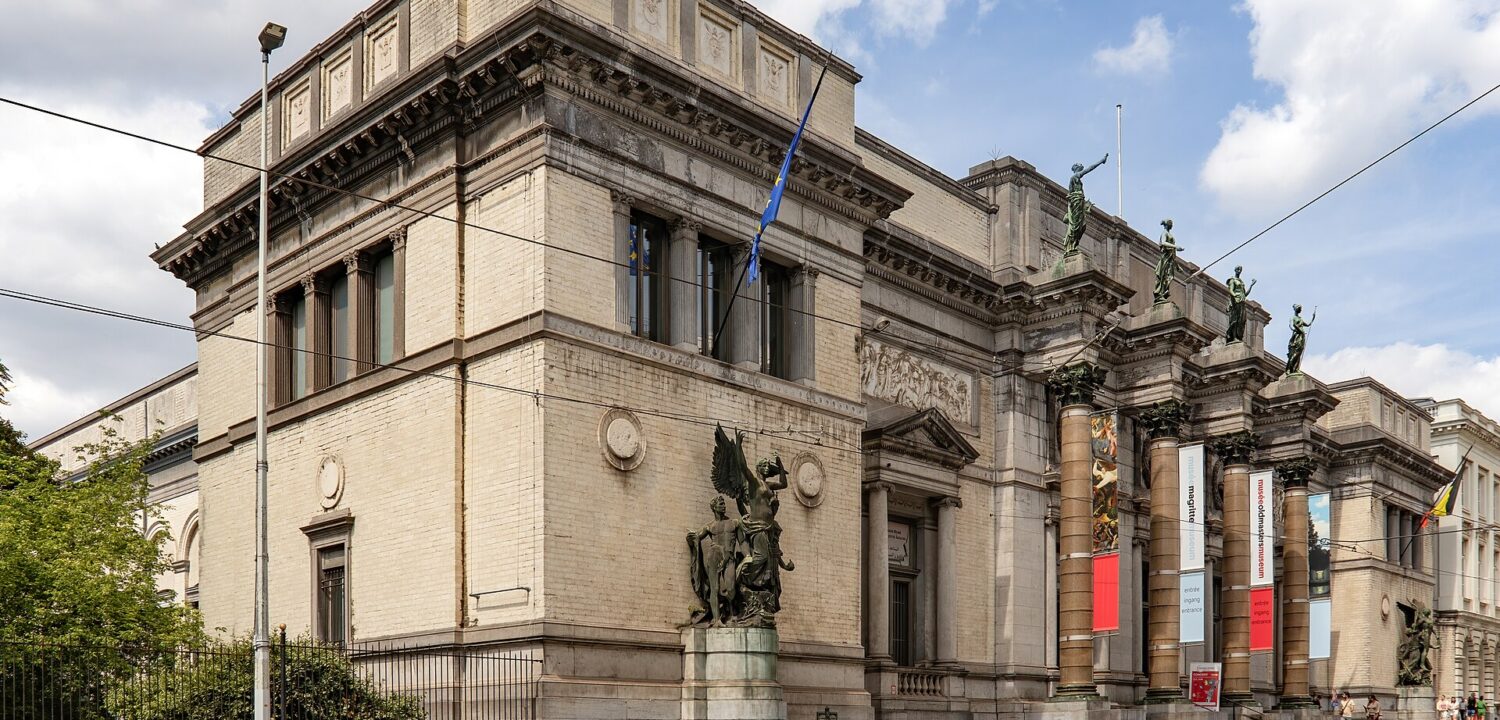
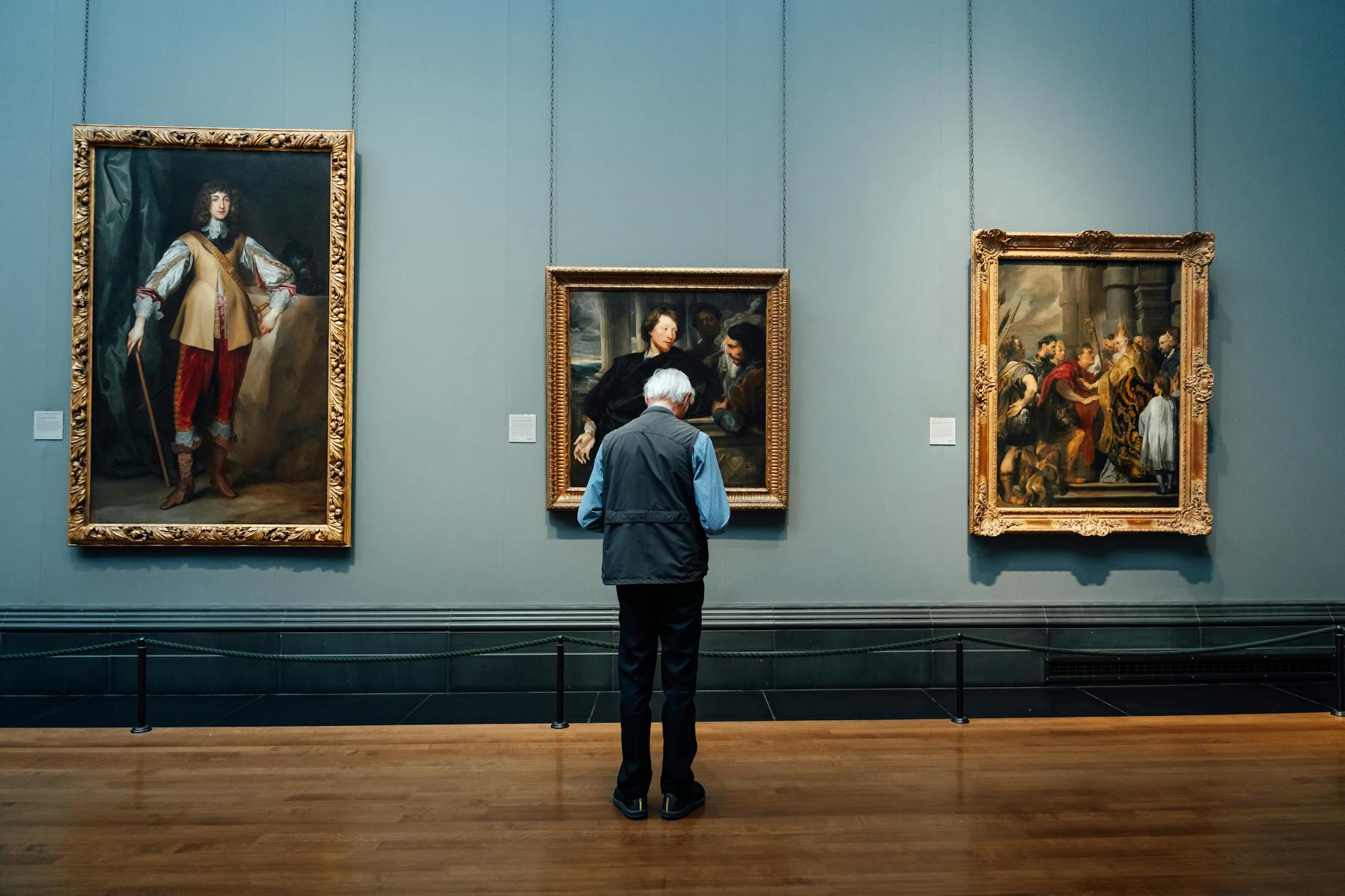
The Royal Museums of Fine Arts (Musées Royaux des Beaux-Arts) is Brussels’ flagship art institution and one of the most important museum complexes in Europe. Located on Place Royale in the upper town, the institution encompasses six interconnected museums under one roof, though the Old Masters Museum and the Magritte Museum are the two that most visitors prioritise.
The Old Masters Museum houses an extraordinary collection of Flemish and European painting from the 15th to the 18th century. The highlights are world-class: Rogier van der Weyden’s delicate devotional panels, Pieter Bruegel the Elder’s vivid genre scenes including The Fall of the Rebel Angels and The Census at Bethlehem, Peter Paul Rubens’ monumental Baroque canvases, and Anthony van Dyck’s elegant portraits. The collection also includes important works by Hans Memling, Hieronymus Bosch, and Jacques-Louis David, whose Death of Marat is one of the most reproduced paintings in Western art.
The Fin-de-Siècle Museum, occupying the same complex, covers the period from 1868 to 1914 with works by James Ensor, Fernand Khnopff, and other Belgian Symbolists and Art Nouveau artists. It is an often-overlooked section that rewards visitors with quieter galleries and surprising discoveries.
Practical details: Open Tuesday to Friday 10am–5pm, weekends 11am–6pm. Closed Mondays. Adults €13 for the Magritte Museum, €20 for the combined Old Masters plus Magritte ticket. Free for under 19s. Free entry on the first Wednesday afternoon of each month from 1pm.
Magritte Museum
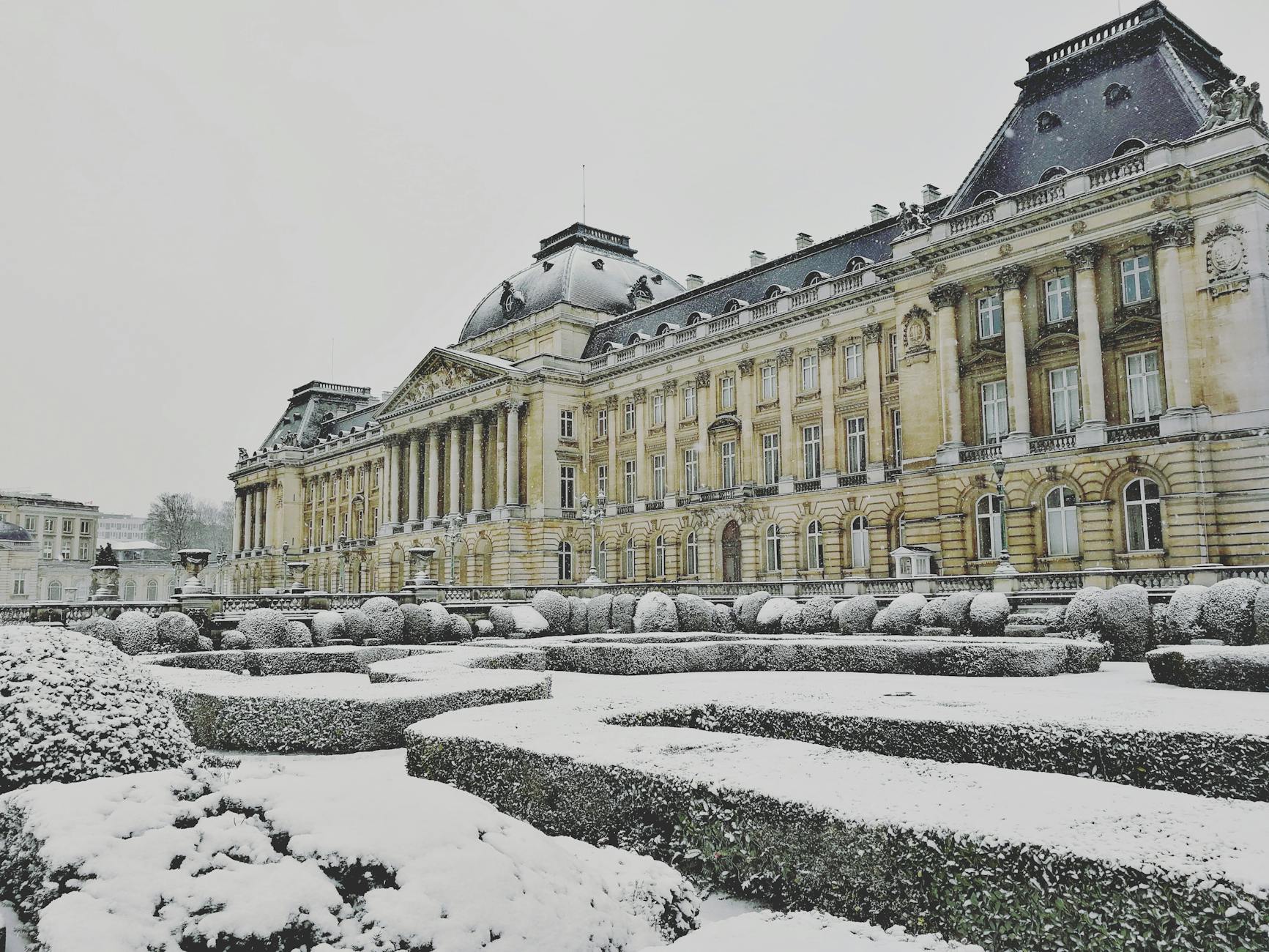
Housed within the Royal Museums complex but deserving its own entry, the Magritte Museum holds the world’s largest collection of works by René Magritte — over 200 paintings, drawings, sculptures, and painted objects spanning his entire career. The museum occupies a five-storey neoclassical building on Place Royale, and the collection is arranged chronologically from his early experimental works through the iconic Surrealist period (bowler-hatted men, floating rocks, pipes that are not pipes) to his later, more playful compositions.
The museum experience goes beyond the paintings. Letters, photographs, films, and personal objects reveal the private Magritte — a quiet, methodical man who worked from his dining room in suburban Brussels and whose domestic life contrasted sharply with the revolutionary nature of his art. The multimedia displays and audioguide add layers of context that make the visit rewarding even for those unfamiliar with his work.
Practical details: Same hours and pricing as the Old Masters Museum. Book online to avoid queues — the Magritte Museum can be busy, particularly on weekends and rainy days. Allow 1.5 to 2 hours. Start at the top floor and work your way down chronologically.
BOZAR — Centre for Fine Arts
BOZAR is not a museum in the traditional sense — it is a multidisciplinary arts centre housed in a magnificent Art Deco building designed by Victor Horta in 1928. BOZAR hosts major temporary exhibitions (recent shows have featured Ai Weiwei, Klimt, and Belgian Surrealists), concerts by the Belgian National Orchestra, film screenings, and literary events. The building itself is worth visiting for Horta’s grand foyer with its sweeping staircases and elegant proportions.
Practical details: Exhibition prices vary (typically €12–€18). Concert and event tickets separate. Open Tuesday to Sunday 10am–6pm, Thursday until 9pm. Located on Rue Ravenstein, a 5-minute walk from Brussels-Central station.
Wiels Contemporary Art Centre
Housed in a striking 1930s Art Deco former brewery in Forest, south of the city centre, Wiels is Brussels’ premier space for contemporary art. The exhibitions rotate regularly and tend toward the thought-provoking and experimental — video installations, immersive environments, and conceptual works by emerging and established international artists. The building’s industrial architecture — vast open floors with soaring ceilings — provides a dramatic setting.
Practical details: Adults €12. Open Wednesday to Sunday 11am–6pm. Tram 82 from the city centre to Wiels stop. The rooftop terrace café offers views over southern Brussels.
History & European Heritage Museums
House of European History
The House of European History, located in the Parc Léopold behind the European Parliament, is one of Brussels’ best museums and it is entirely free. Opened in 2017, it traces the shared history of the European continent from mythology and ancient civilisations through the World Wars, the Cold War, and the creation of the European Union. The exhibitions use original artefacts, interactive displays, and multimedia installations to tell stories that are both continent-wide and deeply personal.
What makes this museum exceptional is its willingness to address complexity. It does not present a triumphalist narrative of European unity but engages with the contradictions, conflicts, and unresolved questions that shape the continent’s identity. The permanent exhibition spans four floors and takes 2 to 3 hours to explore properly. Temporary exhibitions on the ground floor address contemporary European themes.
Practical details: Free entry. Open daily. Audioguide available in all 24 EU official languages. Metro Maelbeek or Schuman.
Parlamentarium
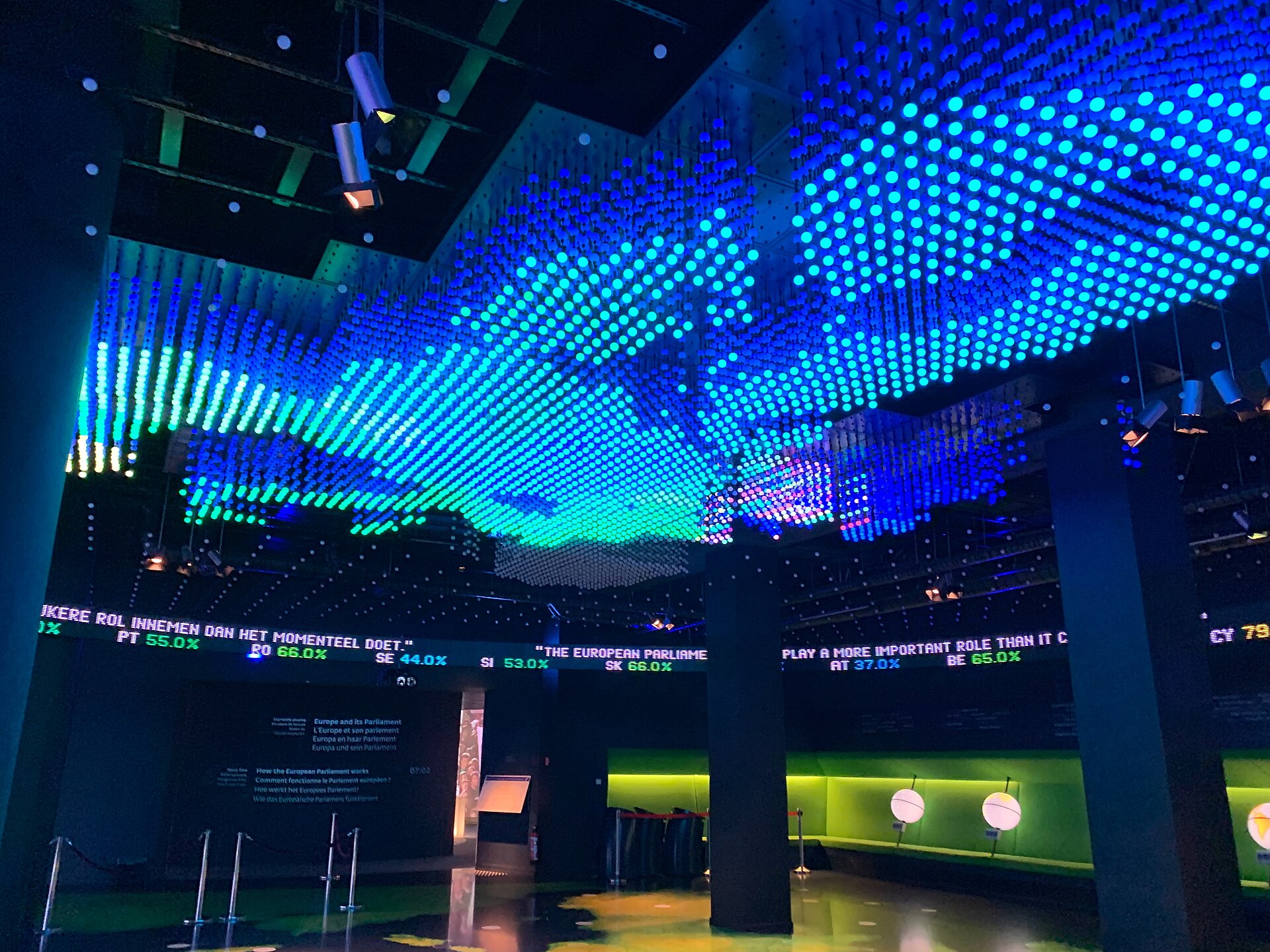
The Parlamentarium is the European Parliament’s visitor centre and one of the most impressive interactive museums in Brussels. Through role-playing games (you become an MEP negotiating legislation), a 360-degree cinema, multimedia timelines, and personal testimonies from European citizens, it explains how the EU works and why it matters. The experience is far more engaging than the subject matter might suggest — it is particularly good for teenagers and young adults who may be encountering European politics for the first time.
Practical details: Free entry. Open Monday 1pm–6pm, Tuesday to Friday 9am–6pm, weekends 10am–6pm. Audioguide in 24 languages. Allow 1.5 to 2 hours. Metro Maelbeek.
BELvue Museum
The BELvue Museum, housed in the former Hôtel Bellevue next to the Royal Palace, tells the story of Belgium from its independence in 1830 to the present day. Through seven themed rooms covering democracy, prosperity, solidarity, pluralism, migration, language, and Europe, the museum explains how a small, multilingual country at the crossroads of Western Europe has navigated some of the continent’s most complex political and social challenges. It is an excellent introduction to understanding Belgium’s unique federal structure and cultural dynamics.
Practical details: Adults €8. Open Tuesday to Friday 9:30am–5pm, weekends 10am–6pm. Free with the Brussels Card.
Royal Museum of the Armed Forces and Military History
Located in the Cinquantenaire complex, this vast military museum covers Belgian and European military history from the Middle Ages to the present. The aviation hall is the undisputed highlight — a hangar-sized space filled with historic aircraft from World War I biplanes to Cold War jets. The rooftop terrace, accessible via the museum, offers some of the best panoramic views in Brussels. The World War I and World War II galleries include uniforms, weapons, vehicles, and personal stories.
Practical details: Free entry. Open Tuesday to Sunday 9am–5pm. Metro Merode or Schuman. The rooftop terrace alone justifies the visit.
Science & Natural History Museums
Museum of Natural Sciences
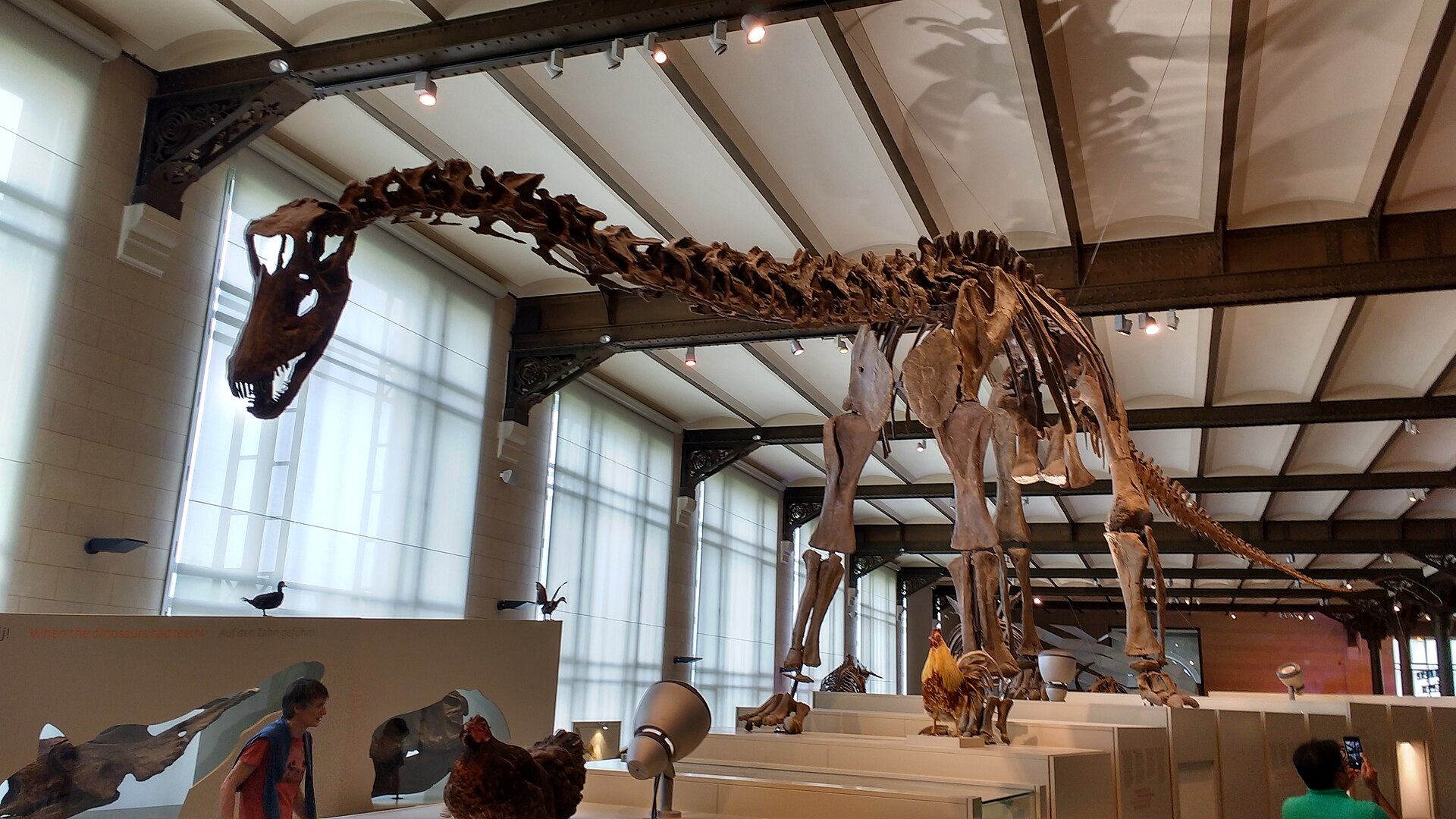
The Museum of Natural Sciences (part of the Royal Belgian Institute of Natural Sciences) is home to the largest dinosaur gallery in Europe and one of the most important palaeontological collections in the world. The centrepiece is a group of 30 iguanodon skeletons discovered in a Belgian coal mine in 1878 — the most complete multi-specimen dinosaur find ever made at the time. The Gallery of Evolution takes visitors through 3.5 billion years of life on Earth with spectacular specimens and interactive displays.
Beyond dinosaurs, the museum covers mineralogy, biodiversity, and human biology. The Living Planet gallery examines current environmental challenges through immersive exhibits. For families, the hands-on discovery rooms and temporary exhibitions make this one of the most child-friendly museums in Brussels.
Practical details: Adults €13. Open Tuesday to Friday 9:30am–5pm, weekends 10am–6pm. Metro Trône. Allow 2 to 3 hours, especially with children.
Planetarium of the Royal Observatory
Located near the Atomium in Laeken, the Planetarium offers immersive shows about the universe projected onto a 23-metre dome. Regular shows cover topics from the solar system to deep space, with special programmes for children. It pairs perfectly with a visit to the Atomium and Mini-Europe for a science-themed day in northern Brussels.
Practical details: Adults €8. Show schedule varies — check online. Metro Heysel.
Music & Performance Museums
Musical Instrument Museum (MIM)
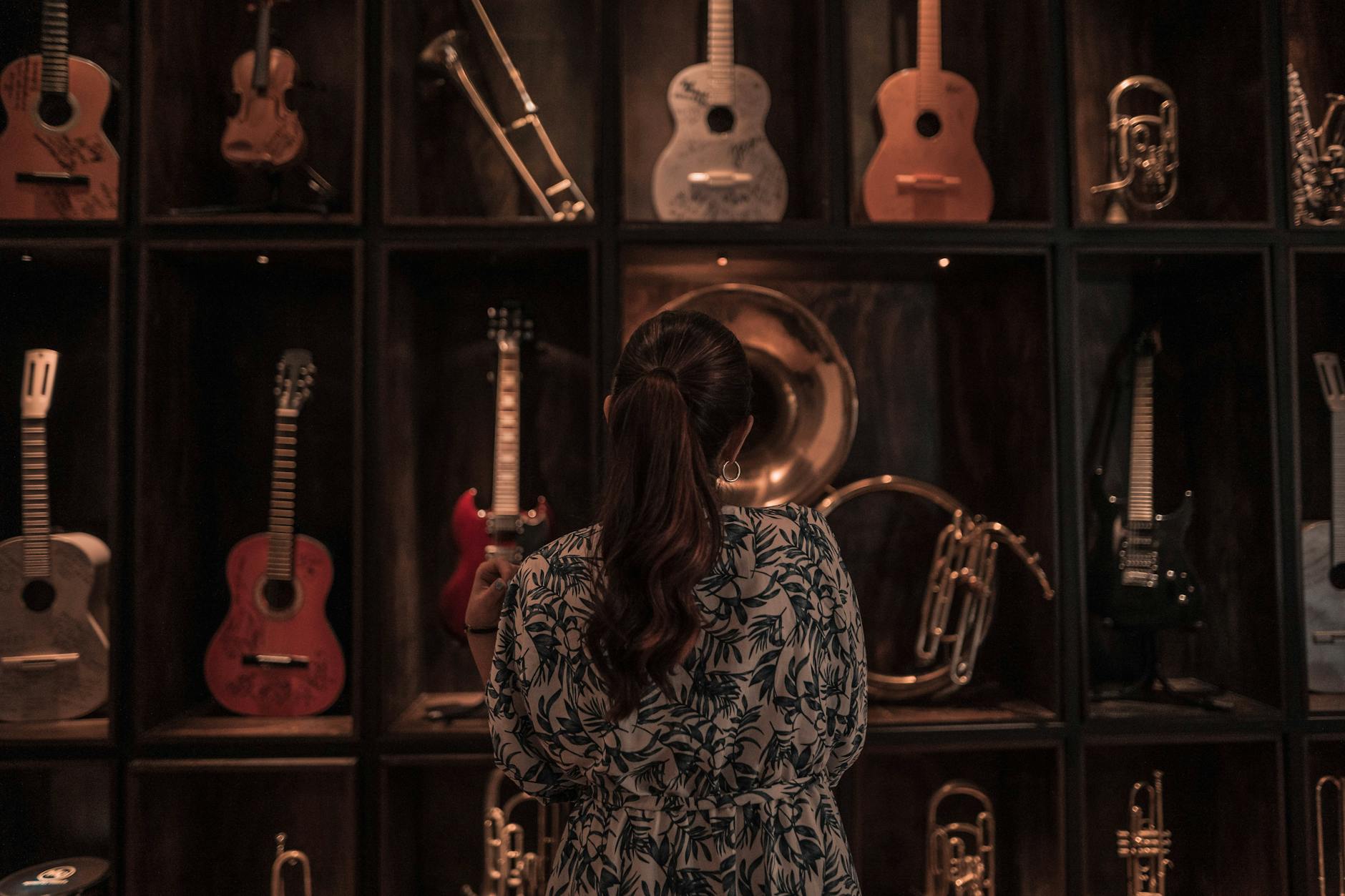
The Musical Instrument Museum occupies one of Brussels’ most beautiful buildings — a stunning Art Nouveau former department store designed by Paul Saintenoy in 1899. The collection of over 8,000 instruments spans continents and centuries, from medieval European lutes to African drums, Indonesian gamelans, and experimental electronic instruments. What makes the MIM unique is the infrared headphone system — as you approach each display, you hear the instruments being played, transforming a visual experience into an audio journey.
The top floor looks out over the rooftops toward the Grand Place and beyond, though the rooftop restaurant is temporarily closed for renovation. The collection is reason enough for the entry fee.
Practical details: Adults €12. Open Tuesday to Friday 9:30am–5pm, weekends 10am–5pm. Located on Rue Montagne de la Cour, between the Grand Place and Place Royale. Allow 1.5 to 2 hours.
Architecture & Design Museums
Horta Museum
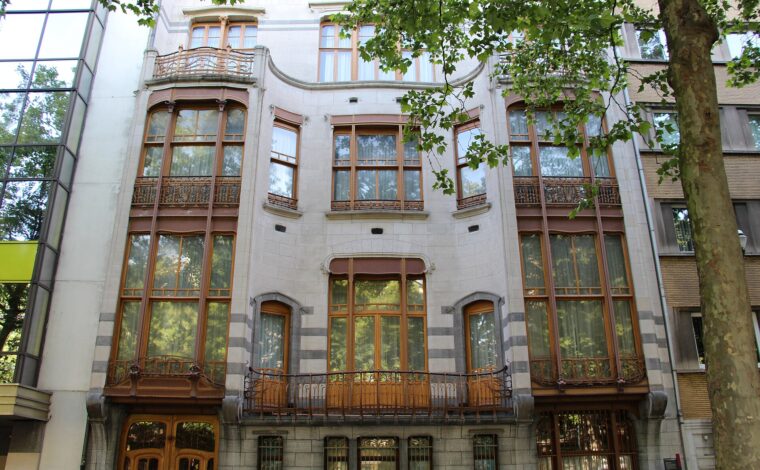
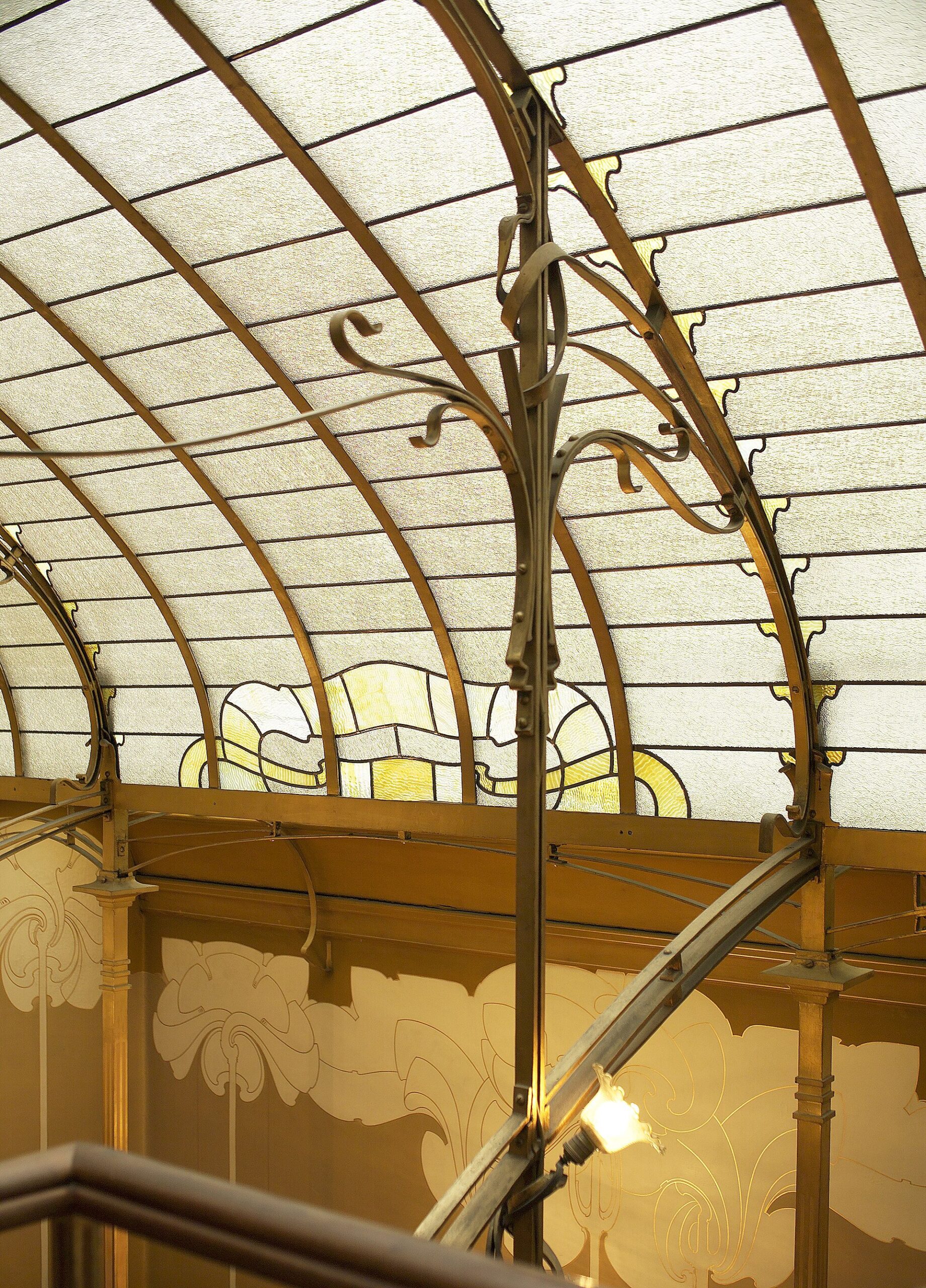
The Horta Museum is the former home and studio of Victor Horta, the architect who pioneered Art Nouveau and transformed Brussels’ architectural landscape in the late 19th century. The building itself is the exhibit — every element, from the sinuous iron staircase and stained-glass skylights to the mosaic floors, custom furniture, and door handles, was designed by Horta as a Gesamtkunstwerk (total work of art). It is one of four Horta townhouses inscribed as a UNESCO World Heritage Site.
The museum is small and intimate, which is part of its charm, but it can feel crowded during peak times. The attention to detail is extraordinary — note how the light changes as you move through the rooms, how the ironwork mirrors organic forms, and how Horta integrated function and beauty in even the smallest elements.
Practical details: Adults €12. Open Tuesday to Sunday 2pm–5:30pm (last entry 5pm). Located in Saint-Gilles at Rue Américaine 25. Tram 81 or 97 to Ma Campagne. Book online in advance — visitor numbers are limited due to the building’s size.
Design Museum Brussels
The Design Museum Brussels (formerly ADAM — Art and Design Atomium Museum) sits at the base of the Atomium in Laeken. The permanent Plasticarium collection — the world’s largest collection of plastic design objects — traces the history of industrial design from the 1950s to the present through furniture, household objects, fashion, and decorative arts. Temporary exhibitions explore contemporary design themes.
Practical details: Adults €12. Combo tickets available with Atomium. Open daily 10am–6pm. Metro Heysel.
Uniquely Brussels Museums
Belgian Comic Strip Centre
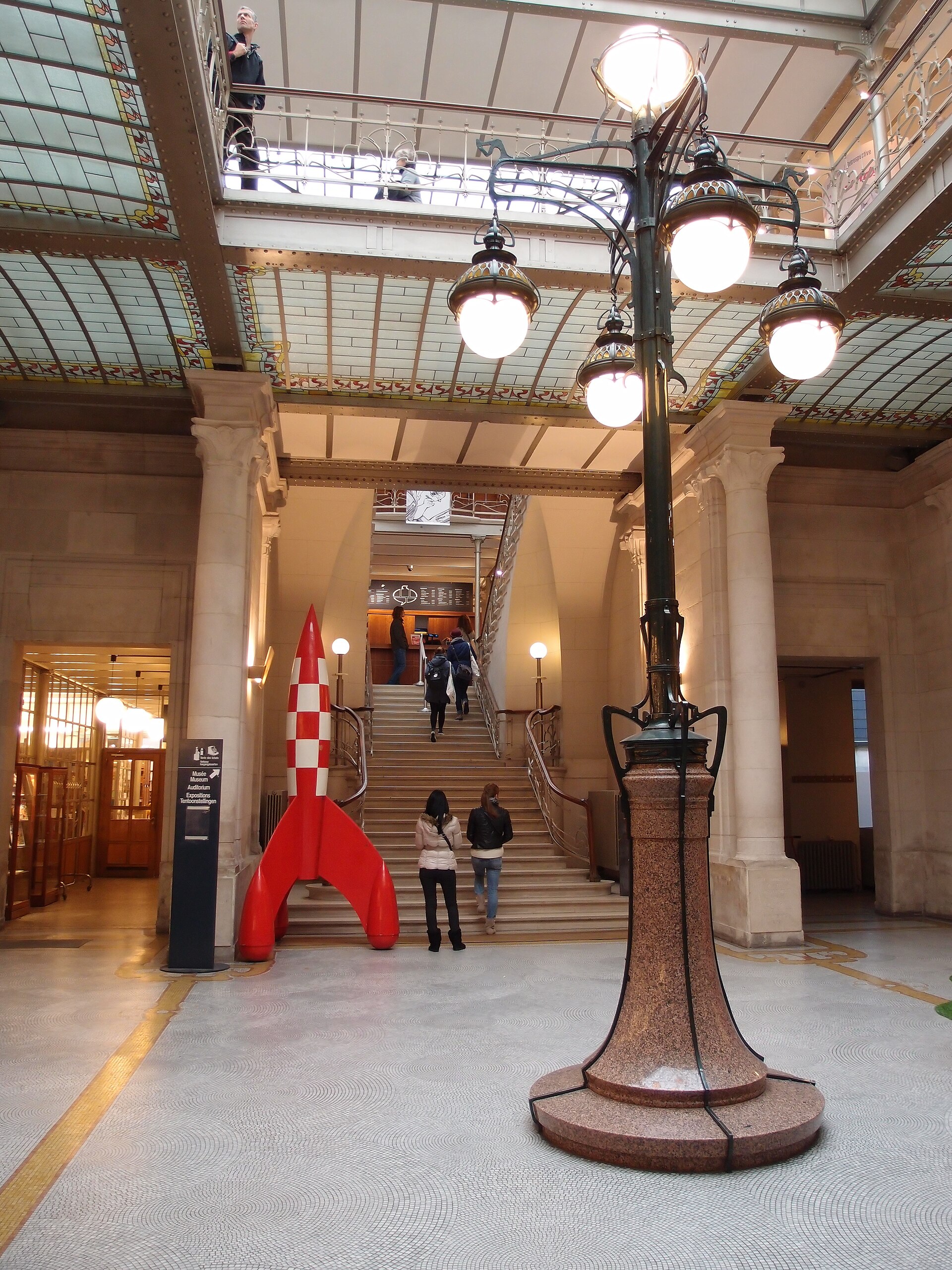
Belgium takes its comics seriously — this is the country that produced Tintin, the Smurfs, Lucky Luke, and Spirou — and the Belgian Comic Strip Centre (Centre Belge de la Bande Dessinée) celebrates this heritage in a magnificent Victor Horta-designed Art Nouveau building. The museum traces the history of the ninth art from its origins through the golden age of Franco-Belgian comics to contemporary graphic novels. Original artwork, printing processes, and interactive displays explain how comics are created, and rotating exhibitions showcase individual artists and themes.
The building itself deserves attention. The former Waucquez textile warehouse, designed by Horta in 1906, was rescued from demolition in the 1980s and restored as the museum’s home. The soaring central atrium with its iron and glass canopy is one of Horta’s finest surviving commercial interiors.
Practical details: Adults €12. Open Tuesday to Sunday 10am–6pm. Located on Rue des Sables 20, a 10-minute walk from the Grand Place. Allow 1.5 to 2 hours.
Autoworld
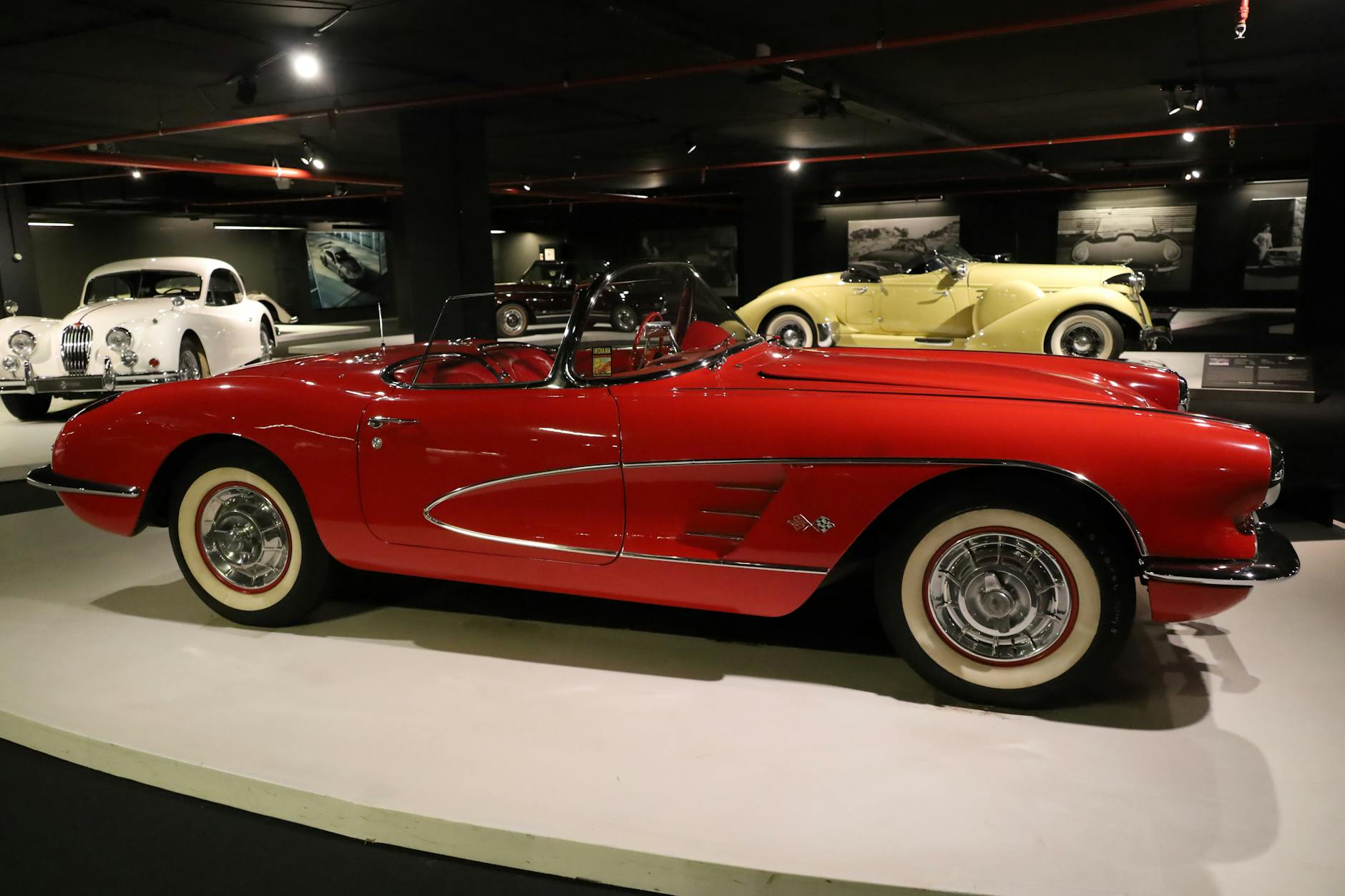
Autoworld, housed in the south hall of the Cinquantenaire, displays over 250 vehicles tracing the history of the automobile from horse-drawn carriages to modern supercars. The collection is particularly strong in early 20th-century European vehicles, including rare Belgian-made Minervas and FNs that few people outside Belgium know existed. American muscle cars, vintage Rolls-Royces, and a section dedicated to motorsport round out the collection.
Practical details: Adults €12. Open daily 10am–5pm (weekends until 6pm). Metro Merode. Combine with the Military Museum and Art and History Museum in the same complex for a full day at the Cinquantenaire.
Choco-Story Brussels
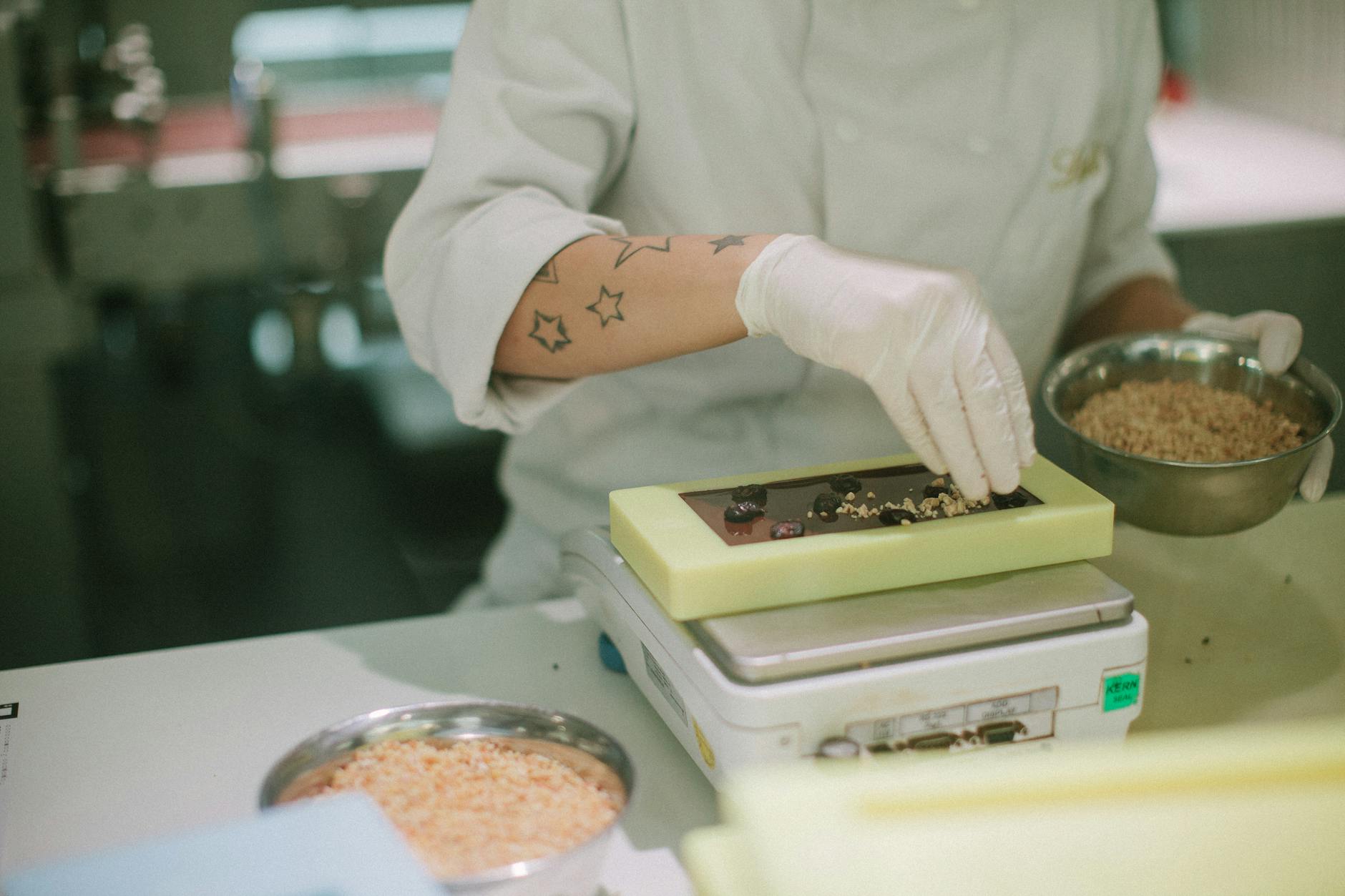
Choco-Story Brussels traces the history of chocolate from the ancient Maya and Aztecs through its arrival in Europe and the development of the Belgian chocolate industry. The museum includes live chocolate-making demonstrations by a resident chocolatier and — crucially — tastings. While not as scholarly as the major art or history museums, it is a fun and genuinely informative experience, particularly for families and chocolate enthusiasts.
Practical details: Adults €11. Open daily 10am–5pm. Located near the Grand Place on Rue de l’Étuve. Allow about 1 hour.
Train World
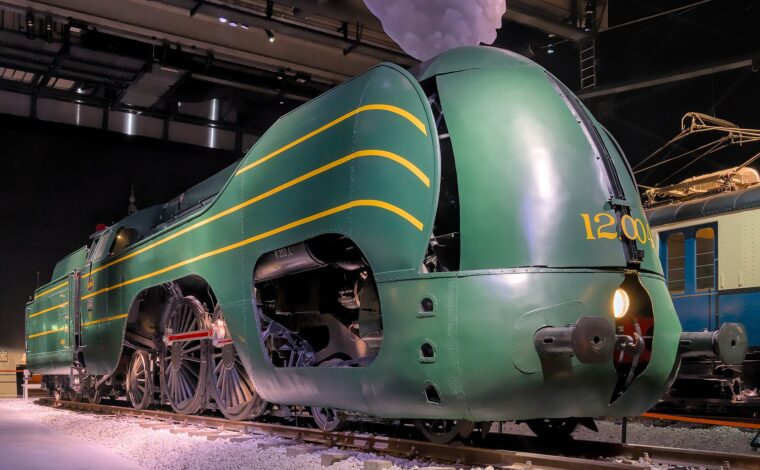
Belgium’s national railway museum, housed in the beautifully restored Schaerbeek station, tells the story of Belgian rail from the country’s first continental railway line in 1835 to the present. The collection includes historic locomotives, royal carriages, and interactive exhibits. The museum was designed by renowned Belgian architect and scenographer François Schuiten — himself a celebrated comic book artist — giving the exhibits a theatrical, immersive quality.
Practical details: Adults €15. Open Tuesday to Sunday 10am–5pm. Take the train to Schaerbeek station (10 minutes from Brussels-Central). Allow 1.5 to 2 hours.
Plantin-Moretus Museum (Antwerp — Day Trip)
While technically in Antwerp rather than Brussels, the Plantin-Moretus Museum deserves a mention because it is the only museum in the world to be inscribed as a UNESCO World Heritage Site in its own right. The former workshop of 16th-century printer Christophe Plantin preserves original printing presses, typefaces, and a library of extraordinary rare books. If you are combining a Brussels museums visit with a day trip to Antwerp, this should be your first stop.
The Atomium: Science, Art & Icon
The Atomium defies easy categorisation. Built for the 1958 World Exposition, this 102-metre structure representing an iron crystal magnified 165 billion times is simultaneously a science exhibit, an art space, a viewpoint, and Belgium’s most recognisable architectural icon. Inside the nine interconnected spheres, you will find a permanent exhibition on the 1958 Expo, rotating contemporary art exhibitions, a restaurant in the top sphere with panoramic views, and a surreal spatial experience simply moving through the tubes and escalators.
Practical details: Adults €16. Open daily 10am–6pm. Metro Heysel. Allow 1.5 to 2 hours. Book online to avoid queues. Combo tickets available with the Design Museum and Mini-Europe.
Free Museums in Brussels
Brussels is remarkably generous with free cultural access. The following museums and cultural institutions offer free permanent entry:
The Parlamentarium (European Parliament visitor centre) is free daily with audioguides in 24 languages. The House of European History is free daily, covering the continent’s shared story from mythology to modernity. The Royal Museum of the Armed Forces and Military History is free, including the aviation hall and rooftop terrace with panoramic views. The BELvue Museum garden is free, though the museum itself charges €8. Several smaller galleries and cultural centres throughout the city offer free exhibitions.
Additionally, many major museums offer free entry on specific days. The Royal Museums of Fine Arts (including the Magritte Museum) are free on the first Wednesday afternoon of each month from 1pm. The Museum of Natural Sciences is free on the first Wednesday afternoon of each month. Many museums offer free entry for under-19s year-round — always check individual museum websites for the latest policies.
Museum Passes and Saving Money
If you plan to visit three or more museums, a pass will save you money. Brussels offers two main options.
The Brussels Card is available for 24 hours (€41), 48 hours (€53), or 72 hours (€59) and includes free entry to over 40 museums, optional unlimited public transport, and discounts at selected restaurants and attractions. For museum-intensive visitors, the 48-hour card typically offers the best value — it allows you to visit 4 to 6 museums comfortably over two days.
The museumPASSmusées (€64.95 annually) provides unlimited access to over 260 museums across Belgium for a full year. If you are spending a week or more in Belgium and plan to visit museums on day trips as well as in Brussels, this pass pays for itself after 5 to 6 museum visits.
Suggested Museum Itineraries
One Day: The Essentials
Start at the Royal Museums of Fine Arts for the Old Masters and Magritte Museum (allow 3 hours for both). Walk to the Musical Instrument Museum and have lunch nearby, since its rooftop restaurant is temporarily closed for renovation. After lunch, head to the Belgian Comic Strip Centre (1.5 hours). End the day with a visit to the free Parlamentarium or House of European History in the European Quarter.
Two Days: Art & History Deep Dive
Day 1 follows the essential itinerary above. Day 2: start at the Museum of Natural Sciences (2 hours), then take the metro to the Cinquantenaire for Autoworld and the Military Museum (2 to 3 hours for both, both free). Finish with the Art and History Museum in the same complex if time permits.
Half Day: Family-Friendly
The Museum of Natural Sciences (dinosaurs are a guaranteed hit with children) followed by the Belgian Comic Strip Centre. Alternatively, combine the Atomium with Mini-Europe and the Design Museum for a full day in Laeken.
Half Day: Free Culture
Start at the Parlamentarium, walk to the House of European History in the Parc Léopold, then take the metro to the Cinquantenaire for the Military Museum and its rooftop views. Three world-class cultural experiences without spending a cent on entry.
Practical Tips for Visiting Brussels Museums
Many Brussels museums close on Mondays and some on Tuesdays, so check each museum’s hours before you go. Plan your Monday for other activities — walking tours, food exploration, or neighbourhood discovery. Tuesday is typically the first full opening day of the week and tends to be quieter than weekends.
Buy tickets online wherever possible. The Magritte Museum, Horta Museum, and Atomium can all develop queues, particularly on weekends and during school holidays. Online tickets often allow you to skip the queue entirely. The Brussels Card can be purchased online and collected at the Visit Brussels office on the Grand Place.
Audio guides are usually included or available for a small supplement. The Parlamentarium and House of European History provide free audioguides in 24 languages — these are essential for getting the full experience. At the Royal Museums of Fine Arts, the audioguide adds valuable context to the paintings.
Photography is generally allowed without flash in most Brussels museums. Notable exceptions include some temporary exhibitions and the Horta Museum, where restrictions may apply. Always check signage at the entrance.
For a deeper look at the neighbourhoods where these museums are located, see our Brussels neighbourhoods guide. For accommodation near museum districts, the upper town (near the Royal Museums), the European Quarter (near the Parlamentarium and Cinquantenaire), and the city centre (near the Comic Strip Centre and MIM) are all excellent choices.
Explore Museums & Art in Depth
This guide is the overview. Each link below goes deeper on one part of it:
- Musical Instruments Museum Brussels — MIM Guide & Old England
- Train World Brussels — Belgian Railway Museum Guide
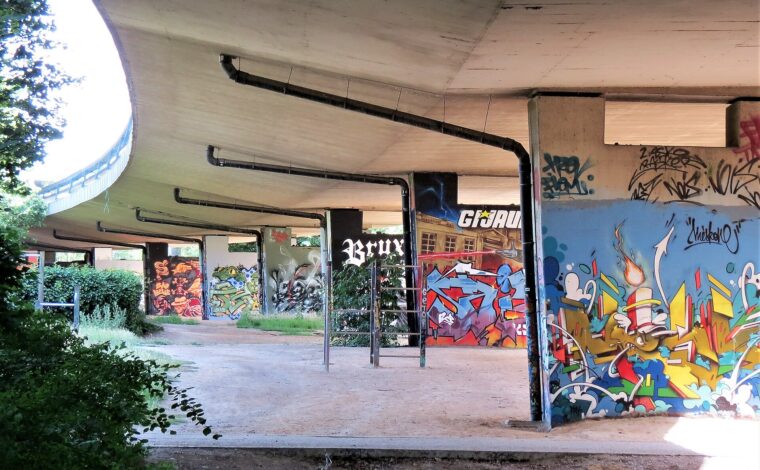
- Brussels Street Art Guide — Comic Murals & Graffiti Walls
Frequently Asked Questions
What is the best museum in Brussels?
The Royal Museums of Fine Arts — combining the Old Masters Museum and the Magritte Museum — is Brussels’ premier cultural institution and the one most visitors should prioritise. For a free alternative that rivals it in quality, the House of European History is outstanding.
Are Brussels museums free?
Several major museums are permanently free: the Parlamentarium, the House of European History, and the Royal Museum of the Armed Forces. Most other museums offer free entry on the first Wednesday afternoon of each month. Children and young people under 19 often enter free. The Brussels Card provides access to over 40 museums for a flat fee.
How many museums can I visit in one day in Brussels?
Realistically, two to three substantial museums per day is a comfortable pace that allows you to engage meaningfully with each collection. If you mix in smaller or more focused museums (like the Horta Museum or Choco-Story), you can fit in three to four. Rushing through museums to tick them off a list diminishes the experience.
Is the Brussels Card worth it?
If you plan to visit three or more museums over 48 hours, the Brussels Card almost certainly pays for itself. A single day visiting the Magritte Museum (€13), MIM (€18), and Comic Strip Centre (€14) costs €45 individually — more than the 24-hour card (€41), so three museums already pay it off. Add the optional transport package and the savings increase further.
Which Brussels museums are best for children?
The Museum of Natural Sciences (dinosaurs), the Atomium, Mini-Europe, the Belgian Comic Strip Centre, and the Parlamentarium (interactive role-playing exhibits) are all excellent for families. Most are suitable for children aged 6 and up, while the Natural Sciences Museum and Mini-Europe engage younger children too.
If you are visiting over the festive period, check the calendar before you build a museum day: most of the major collections close on 25 December and 1 January, and many of them close on Mondays, so the two occasionally double up. Our guide to what is open in Brussels over Christmas and New Year lists the exceptions.
There is one month when all of this is genuinely easy — no queues, no timed tickets, no crowds three deep in front of the Bruegels. Our guide to Brussels in January explains why the quietest month is also the best one for museum-led trips, and when the Brussels Card actually pays back.
Before you buy a single ticket, it is worth doing the sum on a pass. Brussels museum admissions sit between €12 and €18, which means a city card only pays back at three or four visits — and under-eighteens get into the federal museums free regardless. Our guide to the Brussels Card and museum passes works the break-even out tier by tier, and names the free Wednesday afternoon that makes a card redundant.
Photo Credits
-
Royal Museums of Fine Arts of Belgium: Royal Museums of Fine Arts of Belgium (Brussels) – View of the main facade on Rue de la Régence with bronze statues and museum banners by iMahesh, CC BY-SA 4.0, via Wikimedia Commons.
-
A skeleton in the Brussels dinosaur gallery: Kaatedocus.001 – MSNBrussel by Fernando Losada Rodríguez, CC BY-SA 4.0, via Wikimedia Commons.
-
Tintin rocket beside the museum staircase: Musée de la Bande Dessineée @ Brussels (8177099049) by Guilhem Vellut from Annecy, France, CC BY 2.0, via Wikimedia Commons.
-
The Parlamentarium illuminated exhibition: Brussels 22 25 11 196000 by Robot8A, CC BY-SA 4.0, via Wikimedia Commons.
-
The Horta Museum skylight: Staircase of the Victor Horta own house (25, rue Américaine, 1060, Brussels) by Victor Horta, CC0, via Wikimedia Commons.