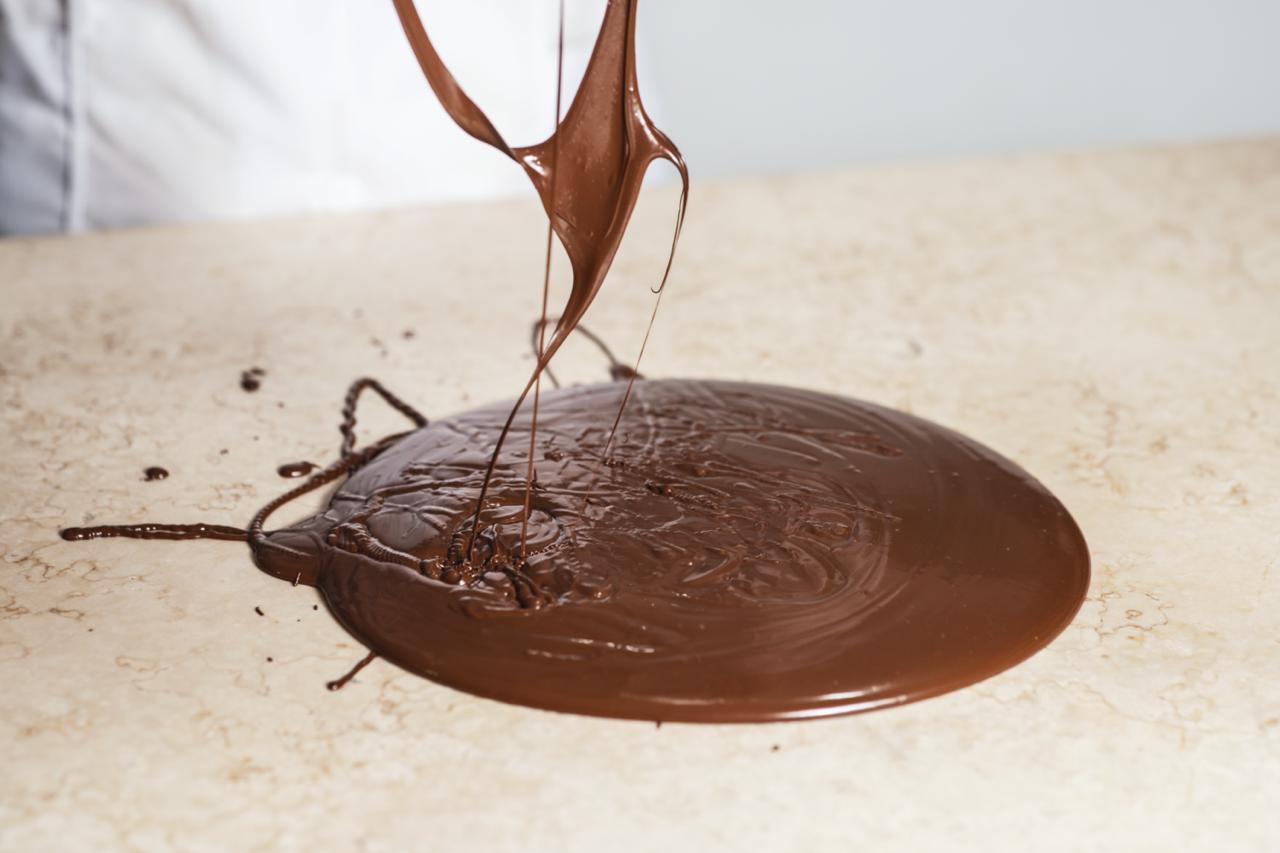
The first thing you learn in a chocolate class is that the interesting part is not the chocolate, it is the temperature. Molten couverture gets poured onto a cold marble slab and worked back and forth with a scraper until it thickens to exactly the right degree, and if you get it wrong the finished praline comes out of the mould dull, streaky and faintly grey. Watching a professional do that in about ninety seconds, then failing to do it yourself, is the honest core of a Brussels chocolate workshop — and it is a considerably better afternoon than another hour of shop windows.
This page covers the hands-on classes: who runs them, what each one costs, how long they take, what you make and carry away, and which format suits which traveller. It is not a guide to buying chocolate — for that, see our guide to the best chocolate shops in Brussels. Prices were checked in September 2026; treat them as the right order of magnitude, because several operators raise prices on busy dates.
What a Class Costs: The At-a-Glance Table
| Format | Price | Length | You take home |
|---|---|---|---|
| Truffle-making workshop | €42 adult · €36 child (8–16) · €38 student | 1.5 hrs | 20+ truffles |
| Praline and mendiant workshop | €56 adult · €49 child (12–16) · €52 student | 2.5 hrs | 20 pralines, 10+ mendiants |
| Chocolatier-run moulding class | Typically €40–65 | ~1 hr 20 | A sachet of your own chocolates |
| Bean-to-bar class | €45–70 | 1.5 hrs | A bar you made from beans |
| Private or team-building session | From ~€100 for the group | 1–2 hrs | Varies |
| Chocolate demonstration (watch only) | €10–20 | 30–45 min | Tastings |
| For comparison | |||
| A very good box of pralines | €20–35 | Ten minutes in a shop | Better chocolate than yours |
That last line is not a joke and it matters. Nobody comes out of a two-hour class having made something better than a Brussels chocolatier sells for less. You are buying the two hours, not the pralines.
The Short Verdict
Book a workshop if it is raining, if you are travelling with children over eight, if you want an activity rather than a purchase, or if you are the sort of person who enjoys learning why something works. It is the best wet-afternoon booking in the city and one of the few tourist activities here that produces a genuinely useful skill.
Skip it if what you actually want is to eat excellent chocolate. Twenty euros in a good shop buys more pleasure per euro than fifty-six in a class, and our Belgian chocolate souvenirs guide covers what to buy. Skip it too if your group includes a child under eight, because most operators will not take them and the ones that do are not enjoying it.
The Operators Worth Knowing
Belgian Chocolate Workshop — Rue des Foulons 30
The most transparent operator in the city and the easiest to recommend, largely because it publishes exactly what you get. Two formats:
- The 2.5-hour praline and mendiant workshop at €56 for adults, €52 for students and €49 for children aged 12–16. You leave with twenty pralines and more than ten mendiants — the flat discs studded with nuts and dried fruit. Minimum age twelve.
- The 1.5-hour truffle workshop at €42 adult, €38 student and €36 for children aged 8–16, producing twenty-plus truffles. Minimum age eight, which makes it the family option.
Both include ingredients, equipment, an apron and hot chocolate, both are naturally gluten-free and alcohol-free, and both can be adapted for vegan, dairy-free or nut-free participants if you say so when booking. Classes run in English as standard, with French, Dutch, Spanish and Portuguese available for private sessions. Booking in advance is compulsory, and prices go up on busy dates.
The same operator runs sessions in Bruges and Ghent, which is worth knowing if you are building a day trip around one.
Planète Chocolat — 24 Rue du Lombard
Five minutes from the Grand-Place, and the most theatrical of the options. The workshop runs about an hour and twenty minutes, you are put into proper chocolatier’s kit, and a master chocolatier takes you through the whole sequence from tempering the chocolate to knocking the finished pieces out of the mould. There is a tasting break in the middle with handmade chocolates and hot chocolate, and you carry away a sachet of your own work.
It is a strong choice for groups and team-building, which is a large part of what they do, and the central location means you can walk there from almost anywhere in the lower town. They also run a shorter demonstration format for people who would rather watch than work. Prices are published on their own site and vary by format and group size, so check before booking.
The Belgian Chocolate Makers — bean to bar
A certified bean-to-bar operation, which means they take the process further back than most: cocoa beans in at one end, bars out at the other, rather than starting from bought-in couverture. Their hands-on session runs about ninety minutes and is the one to pick if the agriculture and the roasting interest you as much as the moulding. They have advertised a discount code through the city tourist board in the past, so it is worth checking visit.brussels before you pay full price.
Platform-sold classes
Viator and GetYourGuide both list Brussels chocolate classes, typically 1.5-hour bean-to-bar or praline sessions at €45–70. These are generally the same operators sold through a different till, sometimes at a small premium and sometimes at a discount. The one thing worth checking on a platform listing is the language of instruction and the minimum age, both of which are easy to miss.
What Actually Happens in a Class
The good ones follow much the same arc, and knowing it makes the booking decision easier:
- A short talk on cocoa origin, percentages and why Belgian chocolate has the reputation it does. Ten minutes, sometimes a little self-congratulatory.
- Tempering. The chocolatier pours molten chocolate onto marble and works it with a scraper and palette knife until the crystals set correctly. You then try, and produce something worse.
- Moulding. Polycarbonate moulds are filled, tapped to release air bubbles, inverted and scraped to leave a shell. This is the step that feels like real work.
- Filling. Ganache, praliné or caramel piped into the shells, then a chocolate lid and a scrape flat.
- Setting and demoulding. A cooling wait, filled with hot chocolate and tasting, then the satisfying knock as everything drops out of the mould.
- Packing. A box or sachet, sometimes with a ribbon, and a short lecture on how not to leave it on a radiator.
Truffle classes skip the moulding and go straight to rolling ganache, which is messier, quicker, and much better with children.
Which Class Suits Which Traveller
| You are… | Book | Why |
|---|---|---|
| A family with children 8–11 | Truffle workshop, 1.5 hrs | The only format with a minimum age of eight |
| A family with teenagers | Praline workshop, 2.5 hrs | More technique, more to take home |
| A couple on a short break | The central moulding class | Under 90 minutes, walkable from the Grand-Place |
| Genuinely interested in the craft | Bean-to-bar | Starts at the bean rather than the couverture |
| A group of colleagues | Private or team-building session | Priced for the group, not per head |
| Short of time, or with under-eights | A demonstration, or a shop | Watch, taste, and spend the difference on pralines |

Booking and Practical Details
- Book ahead, always. Every operator worth attending requires advance reservation, and the weekend slots in December and around Easter go weeks out.
- Check the minimum age before paying. Eight for truffles, twelve for pralines at most operators. It is the commonest reason a family booking falls apart at the door.
- Say what you cannot eat when you book, not on the day. Vegan, dairy-free and nut-free adaptations are usually possible with notice and impossible without it.
- Prices rise on busy dates. The published figure is the quiet-day figure.
- Allow the full advertised time and then some. A 2.5-hour class with a cooling wait is genuinely 2.5 hours; do not book a train immediately after.
- Wear something you do not mind marking. Aprons are supplied and they are not sufficient.
Getting Your Chocolate Home
Fresh ganache is not a shelf-stable product. Truffles and filled pralines made in a class are typically good for one to two weeks, kept cool and away from light, and they are not designed to survive a hot car or a long-haul hold. Carry them in hand luggage, keep them out of the sun on the walk back, and eat them within a fortnight rather than saving them for a birthday.
Chocolate also blooms — the pale grey streaking you see on a bar left somewhere warm — which is harmless but ugly, and is precisely what all that tempering was designed to prevent. If you want something that will genuinely last, buy a sealed box from a shop as well; our Belgian souvenirs guide covers what travels well.
Workshops Versus the Alternatives
A hands-on class is not the only chocolate activity in the city, and it is worth being clear about the differences. A chocolate tasting walk — usually €40–60 for two and a half to three hours — takes you round several chocolatiers with a guide and involves no work at all; it is the better option if you want breadth rather than technique, and our Brussels food tours guide covers that format. A chocolate museum gives you the history and a demonstration for a museum ticket price. A demonstration at a chocolatier is half an hour, cheap, and involves watching somebody competent rather than being somebody incompetent.
The workshop is the only one of the four where you leave able to do something. Whether that is worth €56 depends entirely on whether you are the kind of person who wanted to know how the shells are made — and if you have read this far, you probably are. Our wider guide to Brussels tours and experiences sets it against everything else the city sells.
Related Brussels Guides
- Best Chocolate Shops in Brussels — where to buy, and which famous names to skip.
- Belgian Chocolate Souvenirs — what to take home and how to carry it.
- Brussels Food Tours — the guided tasting alternative to a hands-on class.
- Rainy Day in Brussels — where a chocolate class earns its place.
- Brussels with Kids — the age limits and the alternatives for younger children.
- The Sablon — the densest concentration of serious chocolatiers in the city.
- Brussels Tours and Experiences — how a workshop compares with everything else bookable here.
Useful Resources
- belgianchocolateworkshop.com — published prices, age limits and dietary adaptations for the truffle and praline classes.
- planetechocolat.com — the Rue du Lombard workshop and the shorter demonstration format, plus group bookings.
- chocolaterie.brussels — The Belgian Chocolate Makers, for the bean-to-bar session.
- visit.brussels — the official listings, and where discount codes for chocolate experiences occasionally appear.
- Viator and GetYourGuide — the same classes sold through a platform; check language and minimum age on the listing.
Frequently Asked Questions
How much is a chocolate workshop in Brussels?
Around €42 for a 1.5-hour truffle class and €56 for a 2.5-hour praline and mendiant class, with student and child rates a few euros lower. Chocolatier-run moulding sessions and bean-to-bar classes sit in the €40–70 band, and private group sessions are priced for the group rather than per head.
How long does a Brussels chocolate workshop take?
Between one and a half and two and a half hours depending on format. Truffle classes are the short ones; praline classes take longer because the shells have to set before you can demould them.
What is the minimum age for a chocolate workshop?
Usually eight for truffle making and twelve for praline moulding. Check before booking — it is the single commonest reason a family booking is refused at the door.
Do you need to book a chocolate workshop in advance?
Yes. Advance booking is compulsory at every operator worth attending, and weekend slots in December and around Easter fill weeks ahead. Prices also rise on busy dates.
How much chocolate do you take home?
Roughly twenty truffles from a 1.5-hour class, or twenty pralines plus ten or more mendiants from a 2.5-hour one. That is about the volume of a €30 box from a shop — and it will not taste as good, which is not really the point.
Are chocolate workshops suitable for vegans or people with allergies?
Often yes, with notice. The main Brussels operator’s classes are naturally gluten-free and alcohol-free and can be adapted for vegan, dairy-free or nut-free participants if you flag it at booking. Do not expect an adaptation to be arranged on the day.
Is a chocolate workshop worth it in Brussels?
As an activity, yes — it is the best rainy-afternoon booking in the city and you leave knowing how tempering works. As a way to obtain good chocolate, no: a shop does that better and cheaper. Book it for the two hours, not for the box.
Can you do a chocolate workshop and a tasting tour?
You can, but there is no need. A tasting walk covers breadth across several chocolatiers, a workshop covers technique at one bench. Most people get more from one of each on separate trips than from both in a weekend.
Photo Credits
Tempering chocolate on marble: Chocolate making2 by Kızıldeniz, CC BY-SA 4.0, via Wikimedia Commons.
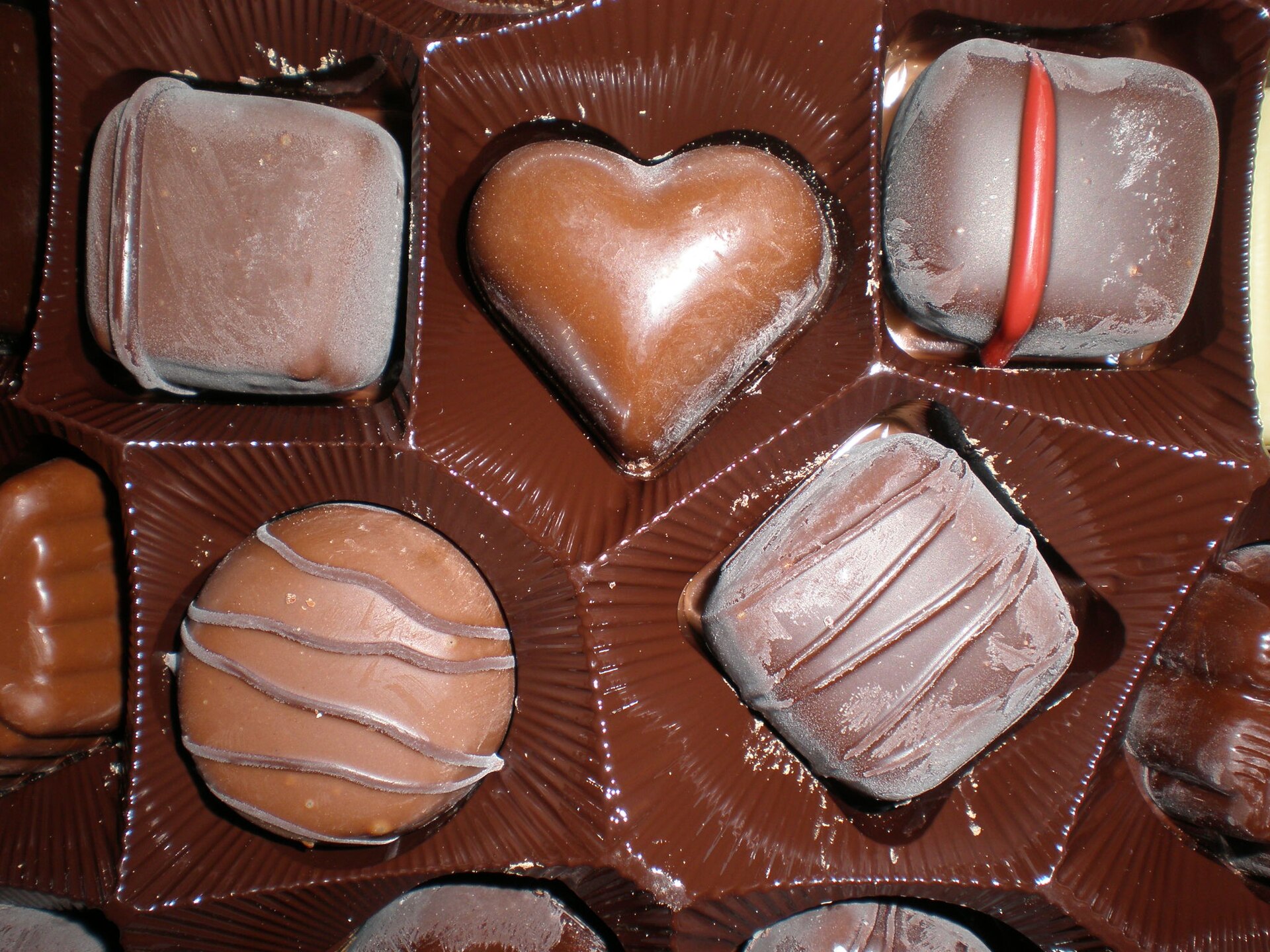
Assorted Belgian pralines: Belgian chocolates assortment by BrokenSphere, CC BY-SA 3.0, via Wikimedia Commons.
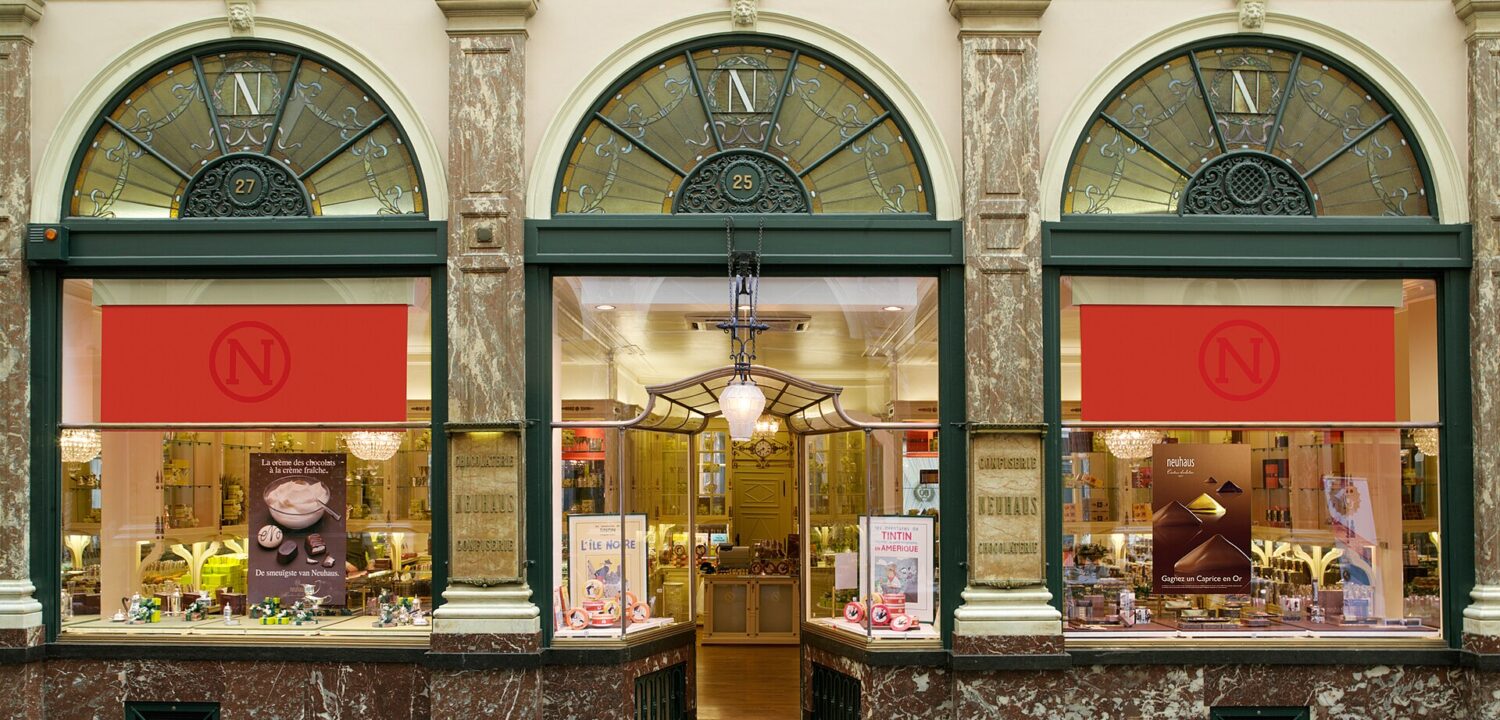
Neuhaus in the Galerie de la Reine: Galerie de la Reine 300dpi by Neuhaus, CC BY 3.0, via Wikimedia Commons.
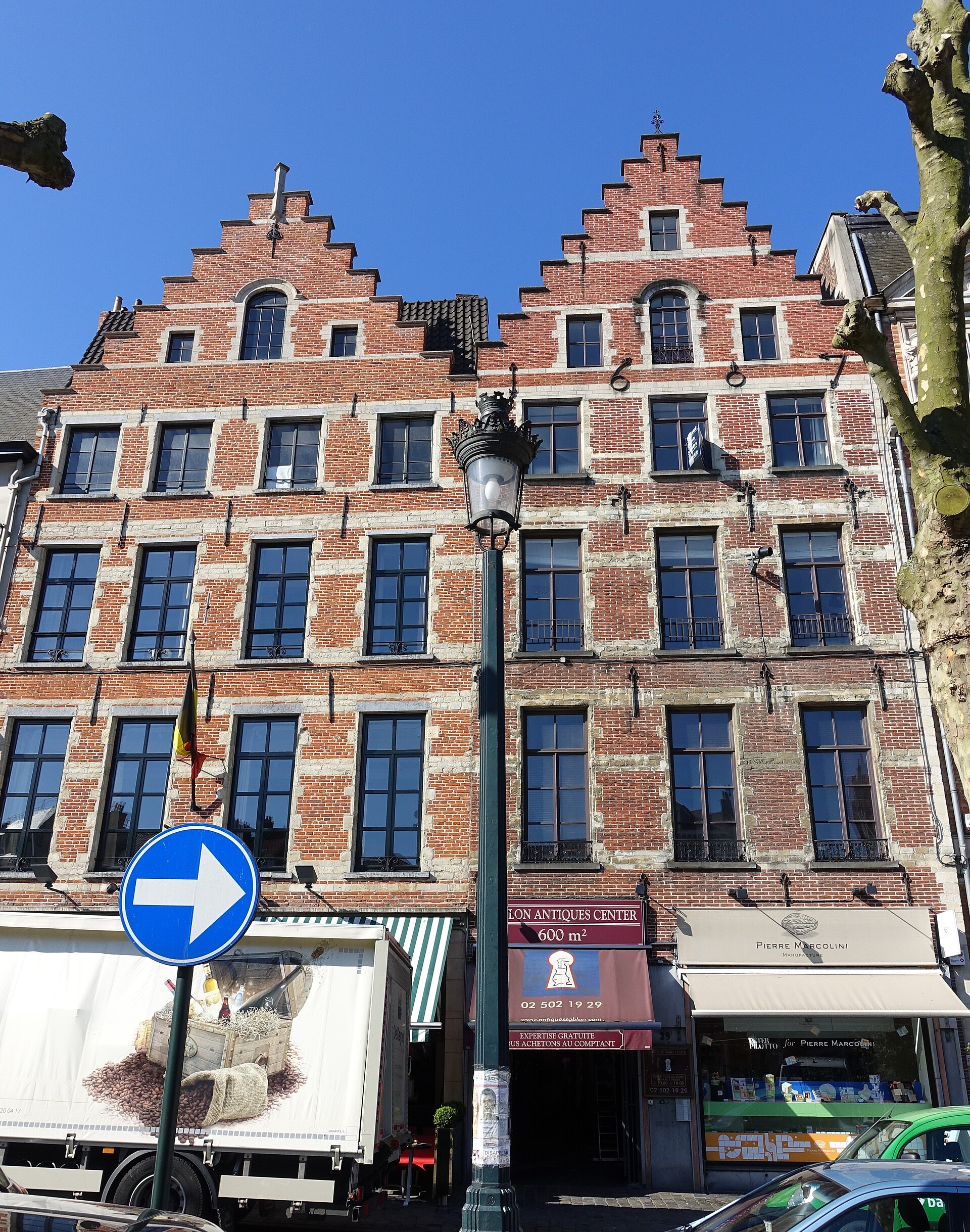
Pierre Marcolini on the Grand Sablon: Groote Zavel 38-39 Grand Sablon – Brussels, Belgium – DSC07712 by Daderot, CC0, via Wikimedia Commons.
Final Thoughts
Brussels sells a great deal of chocolate to visitors and most of that transaction is a shop window, a queue and a ribbon. The workshops are the exception, because for two hours you are on the other side of the counter, and the thing you come away with is not really the sachet — it is the knowledge that the glossy snap of a good praline is a physical property that somebody worked for, on a cold slab of marble, with a scraper.
Book the truffle class if you have children, the praline class if you do not, and go in the afternoon when it is raining, which in this city is a scheduling suggestion rather than a gamble. Then walk to the Sablon afterwards and buy a box made by somebody who actually knows what they are doing, and compare the two. That comparison is the real souvenir.