20 Secret Spots the Guidebooks Miss
Every city has two faces: the one it shows to visitors and the one it reserves for residents. Brussels is no exception. While millions of tourists photograph the Grand Place and queue for the Atomium, locals gather in hidden courtyards, browse forgotten arcades, relax in parks most visitors never find, and eat at neighbourhood restaurants where the menu is only in French or Dutch.
This guide reveals 20 of Brussels’ best-kept secrets — the places that make residents fall in love with the city and that transform a tourist trip into something much more personal. These are not obscure for the sake of it; each one offers a genuinely rewarding experience that happens to fly under the tourist radar. For the must-see attractions, see our Top 25 Tourist Attractions in Brussels. For more off-the-beaten-path ideas, see our Unique Experiences in Brussels.
1. Galerie Bortier — The Secret Bookshop Arcade
While every guidebook mentions the Galeries Royales Saint-Hubert, almost none mention the Galerie Bortier — a tiny, atmospheric covered passage just a two-minute walk away on Rue de la Madeleine. Built in 1848, just one year after its famous neighbour, this intimate arcade still has its booksellers, now alongside a food market, cafés and a bar. The glass roof filters soft light onto cramped shelves overflowing with antiquarian books, vintage prints, old maps, and rare editions.
The atmosphere is wonderfully quiet — you can spend half an hour browsing without seeing another tourist. The bookshops specialise in art, architecture, Belgian history, and comics (naturally). Prices range from a few euros for paperbacks to serious sums for rare first editions. The Galerie Bortier is one of those places that reminds you Brussels has layers that reward slow, curious exploration.
Location: Rue de la Madeleine, between Rue des Éperonniers and Rue de la Putterie. Closed on Mondays; the shops, cafés and bar keep their own hours. Free to walk through.
2. Robinson Island — A Secret Bar on a Lake
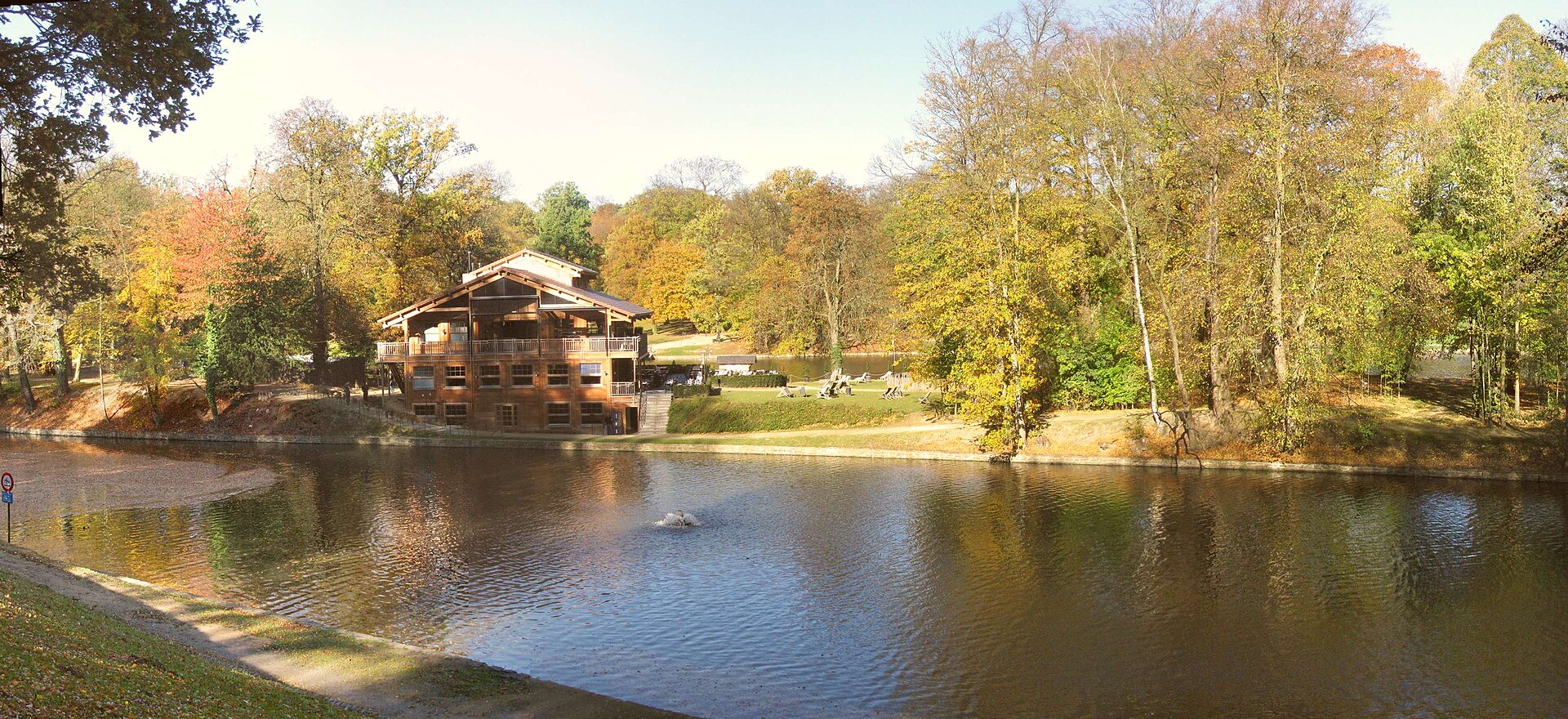
In the Bois de la Cambre — a 122-hectare wooded park at the southern edge of the city — there is a small island in the centre of an artificial lake. Robinson Island is reached by a short ferry crossing and is home to a café-bar surrounded by water, trees, and a sense of absolute escape from the city. On warm afternoons and summer evenings, locals gather here for drinks with a lakeside setting that feels almost rural.
The Bois de la Cambre itself is Brussels’ answer to London’s Hampstead Heath or New York’s Central Park — a vast, wooded green space where runners, cyclists, families, and dog-walkers share meandering paths through mature forest. Most tourists never venture this far south, which is precisely why locals treasure it.
Access: Tram 8 to Bois de la Cambre. From there a short ferry crossing takes you to the island; check the café’s own channels for crossing times.
3. The Smurfs Ceiling Mural — Hidden in Plain Sight
One of Brussels’ cleverest hidden gems is a mural you will only see if you look up. In the Putterie Passage — a pedestrian tunnel opposite Brussels-Central station — the ceiling is entirely covered with a mural of the Smurfs, the beloved characters created by Belgian cartoonist Peyo. Thousands of commuters walk through the passage daily without noticing it. Once you know to look up, the mural is delightful — a ceiling full of blue Smurfs going about their mushroom-village life, hiding above the heads of oblivious commuters.
This hidden gem perfectly captures Brussels’ playful relationship with its comic heritage. The city is full of similar surprises — murals on building facades, statues in unexpected places, references hidden in architectural details — that reward the visitor who looks beyond eye level.
4. Parc Duden — Brussels’ Secret Forest
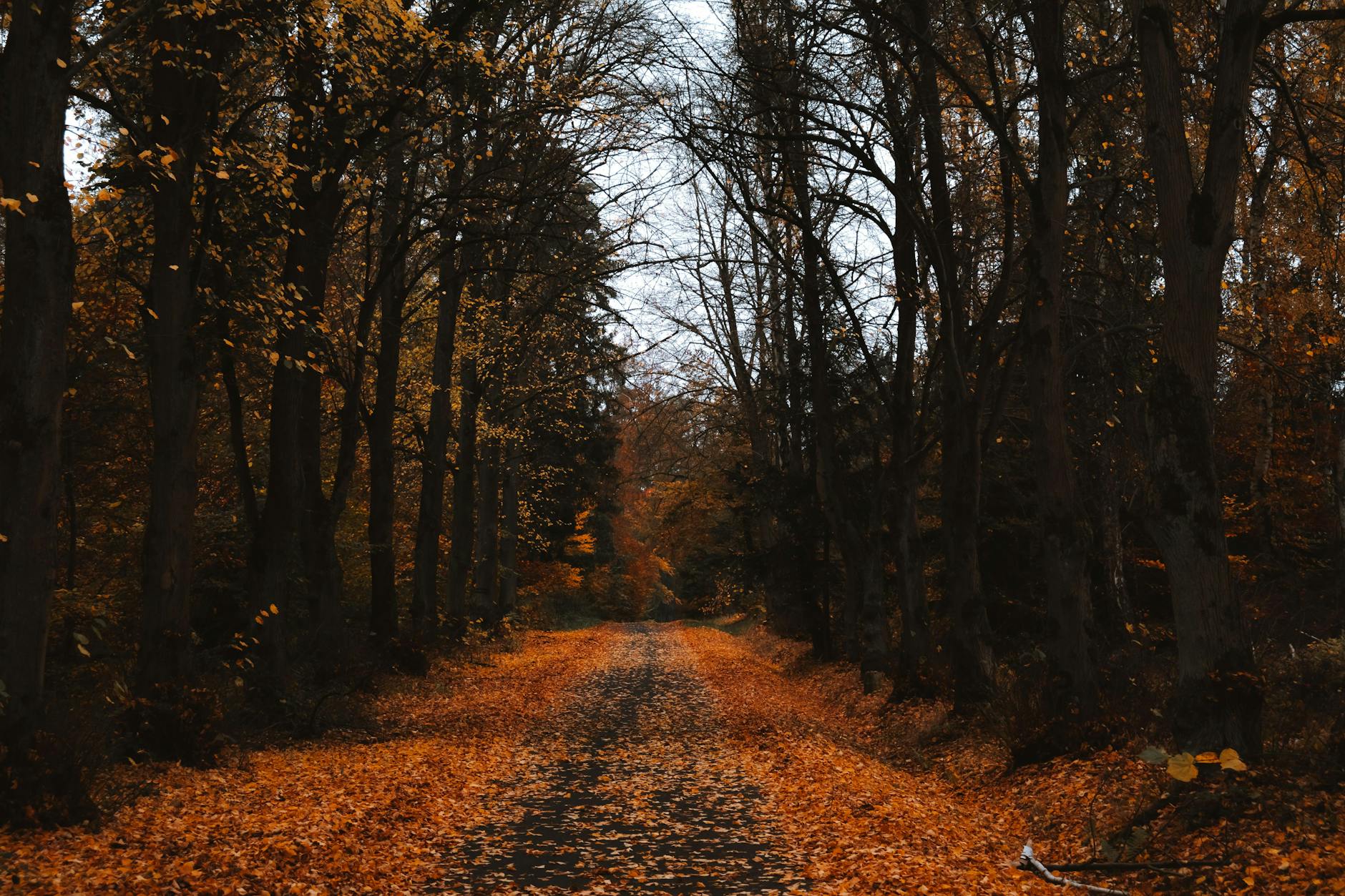
While tourists crowd the Parc du Cinquantenaire and the Parc de Bruxelles, locals seeking genuine tranquillity head to Parc Duden in the Forest (Vorst) municipality. This steep, wooded hillside park feels more like a forest than a city park, with dramatic elevation changes, old-growth trees, winding paths through dense woodland, and panoramic viewpoints overlooking the Brussels basin.
At the bottom of the hill, the park connects to the Parc de Forest, creating a continuous green corridor. There are no formal gardens, no tourist amenities, and no crowds — just dense woodland and birdsong. In autumn, when the beech and oak trees turn golden, Parc Duden is one of the most beautiful natural spaces in the Brussels region. It is a favourite jogging spot for locals and a peaceful escape that most visitors never discover.
Access: by tram to Altitude Cent; works are changing tram routes, so check which lines serve the stop on STIB’s site. Free.
5. Maison d’Érasme — Where Erasmus Stayed
In the quiet residential municipality of Anderlecht, tucked away on a cobbled square lined with medieval and Renaissance buildings, the Maison d’Érasme is the house where the great humanist Desiderius Erasmus stayed during the summer of 1521. The house has been preserved as a museum, and the experience of visiting it — with original period furniture, Renaissance paintings, a beautiful medicinal herb garden, and rooms that feel frozen in the early 16th century — is remarkably intimate.
The surrounding area — the Béguinage of Anderlecht, the Collegiate Church of Saints Peter and Guido, and the small cobbled streets — has a village-like charm that contrasts sharply with the bustle of the city centre. Very few tourists make the short metro ride to Anderlecht, which means you can explore this beautifully preserved corner of old Belgium in near-solitude.
Location: Rue de Formanoir 31, Anderlecht. Metro: Saint-Guidon. Hours: Tuesday–Sunday 10am–6pm (last admission 5:30pm). Tickets: €5 for adults aged 19–64; €1.25 for jobseekers and Article 27 and Paspartoe cardholders.
6. Le Cirio — Brussels’ Most Atmospheric Café
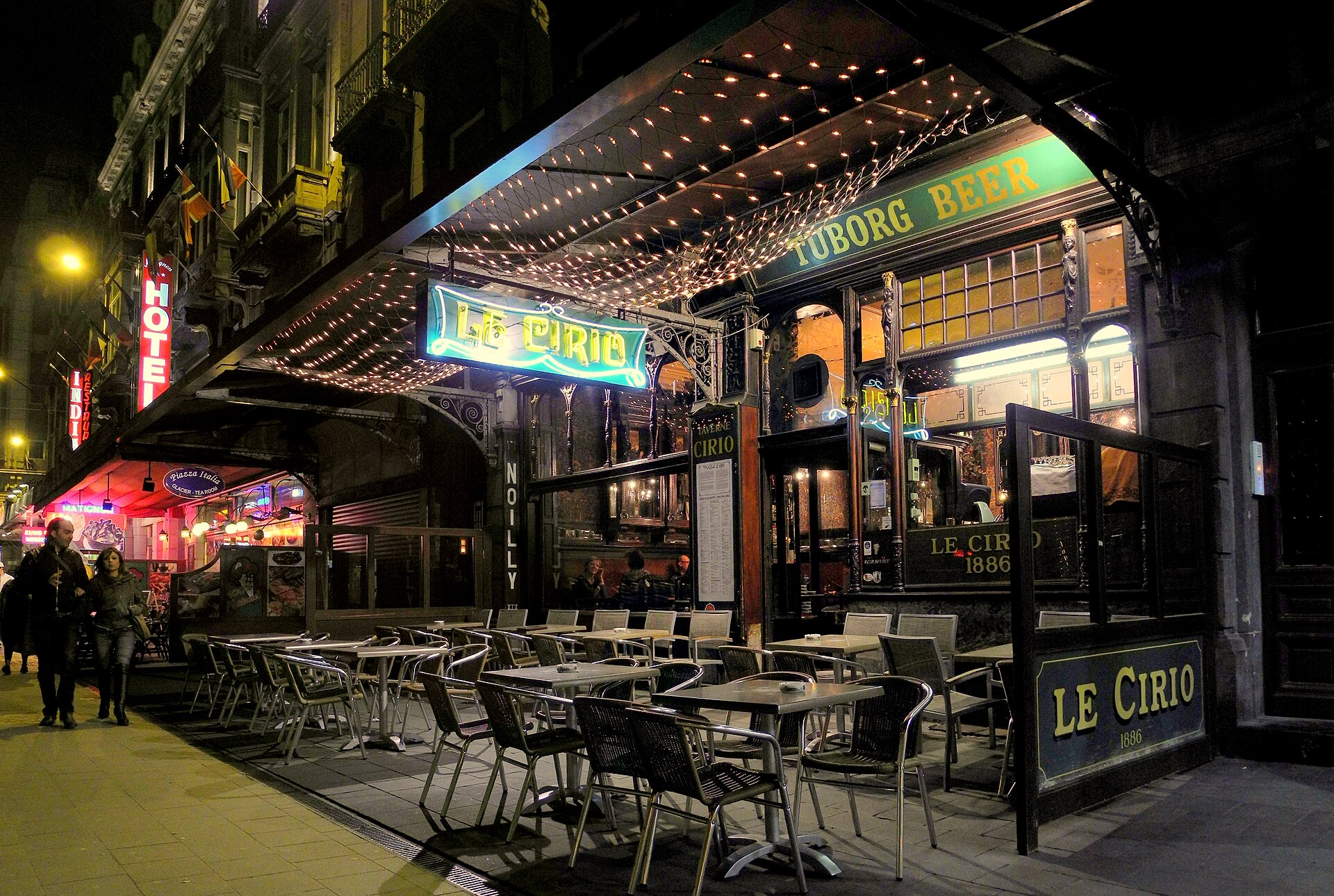
Just off the Bourse on Rue de la Bourse, Le Cirio has been serving drinks since 1886. The interior is a masterpiece of Belle Époque design — dark wood panelling, ornate mirrors, brass fittings, stained-glass panels, and marble tables. The bar specialises in half-en-half (a Brussels tradition of half champagne, half white wine), Belgian beers, and simple accompaniments.
Le Cirio is not a secret to every local, but it remains remarkably free of tourists — most visitors walk right past on their way to the Grand Place without noticing the discreet entrance. The atmosphere, especially on weekday afternoons when the light filters through the stained glass, is quintessentially old Brussels. It is one of the few cafés where you feel the city’s past lingering in the room.
7. Japanese Tower and Chinese Pavilion — Asian Exotica in Laeken
In the royal domain of Laeken, beside the famous (and usually closed) Royal Greenhouses, two extraordinary buildings surprise visitors who stumble upon them. The Japanese Tower and the Chinese Pavilion were commissioned by King Leopold II at the turn of the 20th century after he visited the 1900 Paris World Exposition. Both structures are lavish in their detail — the Japanese Tower was built at Laeken with Japanese decorative elements, and its small entrance pavilion was dismantled in Paris and rebuilt here.
Surrounded by carefully landscaped gardens, these exotic buildings offer a bizarre contrast with the surrounding Belgian residential streets. Both have been closed to visitors since 2013 over safety and stability concerns, so their collections of Asian porcelain and decorative art are out of reach; the buildings themselves, seen from outside, are the attraction. Few tourists make the detour, despite their proximity to the Atomium.
Location: Avenue Van Praet, Laeken. Both buildings are closed to visitors; you can see them from outside.
8. Flagey Square — Where Locals Actually Hang Out
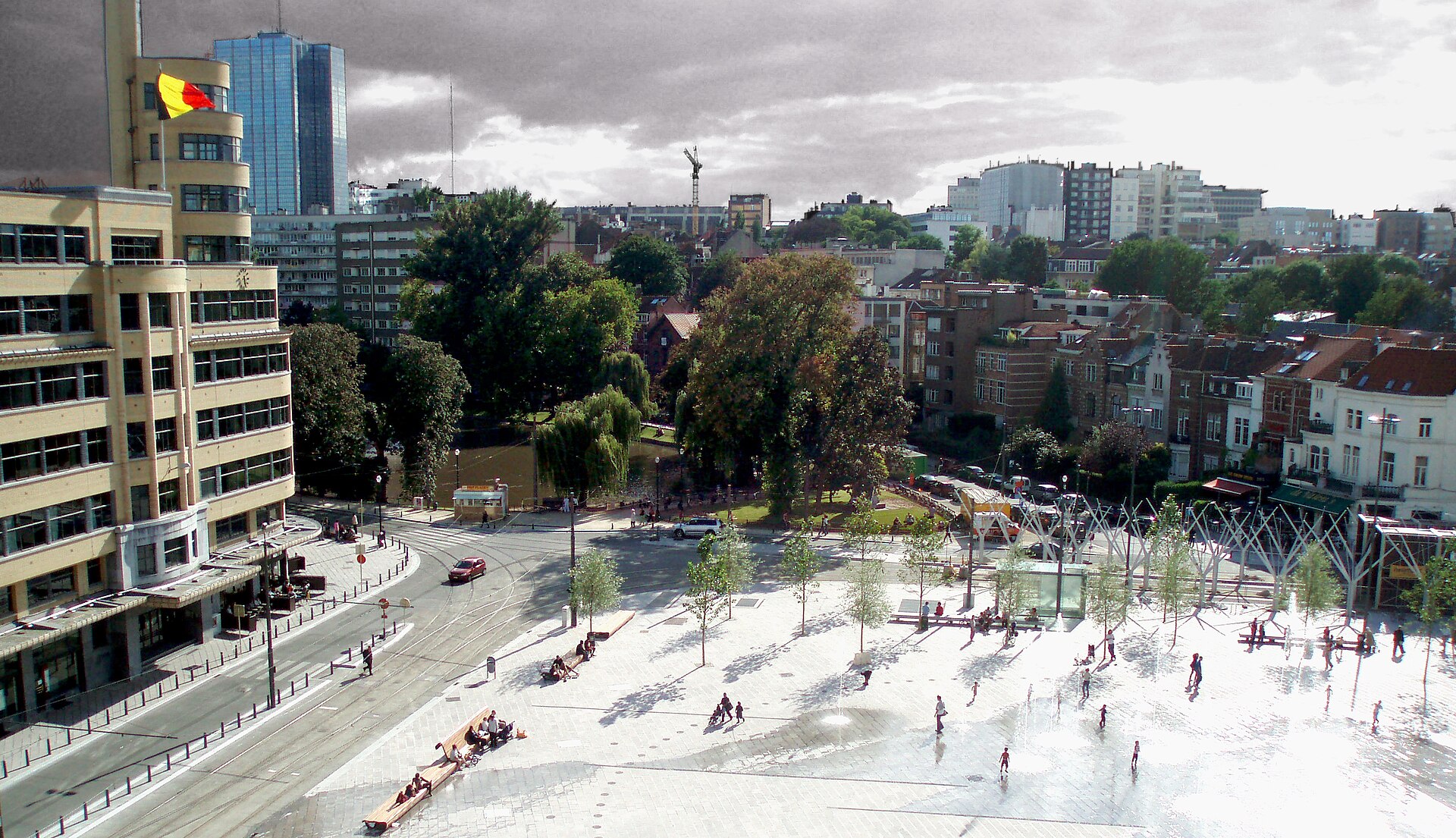
While tourists gravitate to the Grand Place and the Sablon, the real social centre of young Brussels life is Flagey — a large square in Ixelles anchored by the Art Deco Flagey Building (home to the Brussels Philharmonic and a cinema). The surrounding streets are lined with independent cafés, restaurants, wine bars, and bookshops that cater to a local crowd of students, young professionals, and creative types.
The nearby Ixelles Ponds — two connected lakes surrounded by mature trees — provide a tranquil green space for walking or sitting. The Saturday morning market on Place Flagey is one of the best food markets in Brussels, with cheese, bread, olives, rotisserie chicken, flowers, and seasonal produce. The entire area has a neighbourhood energy that the tourist centre lacks, and exploring it gives you a genuine sense of how Brusselaars actually live.
9. Impasse de la Fidélité — Delirium’s Secret Alley
Down a narrow alley off Rue des Bouchers — itself one of the most tourist-heavy streets in Brussels — lies the Impasse de la Fidélité, a tiny dead-end passage that holds two of Brussels’ quirkiest attractions: the Delirium Café (which holds the Guinness World Record for the most beers available, with over 2,000 on the menu) and the Jeanneke Pis — the lesser-known female counterpart to the Manneken Pis. Many tourists walk along Rue des Bouchers without noticing the small passage entrance.
10. The Béguinage of Anderlecht
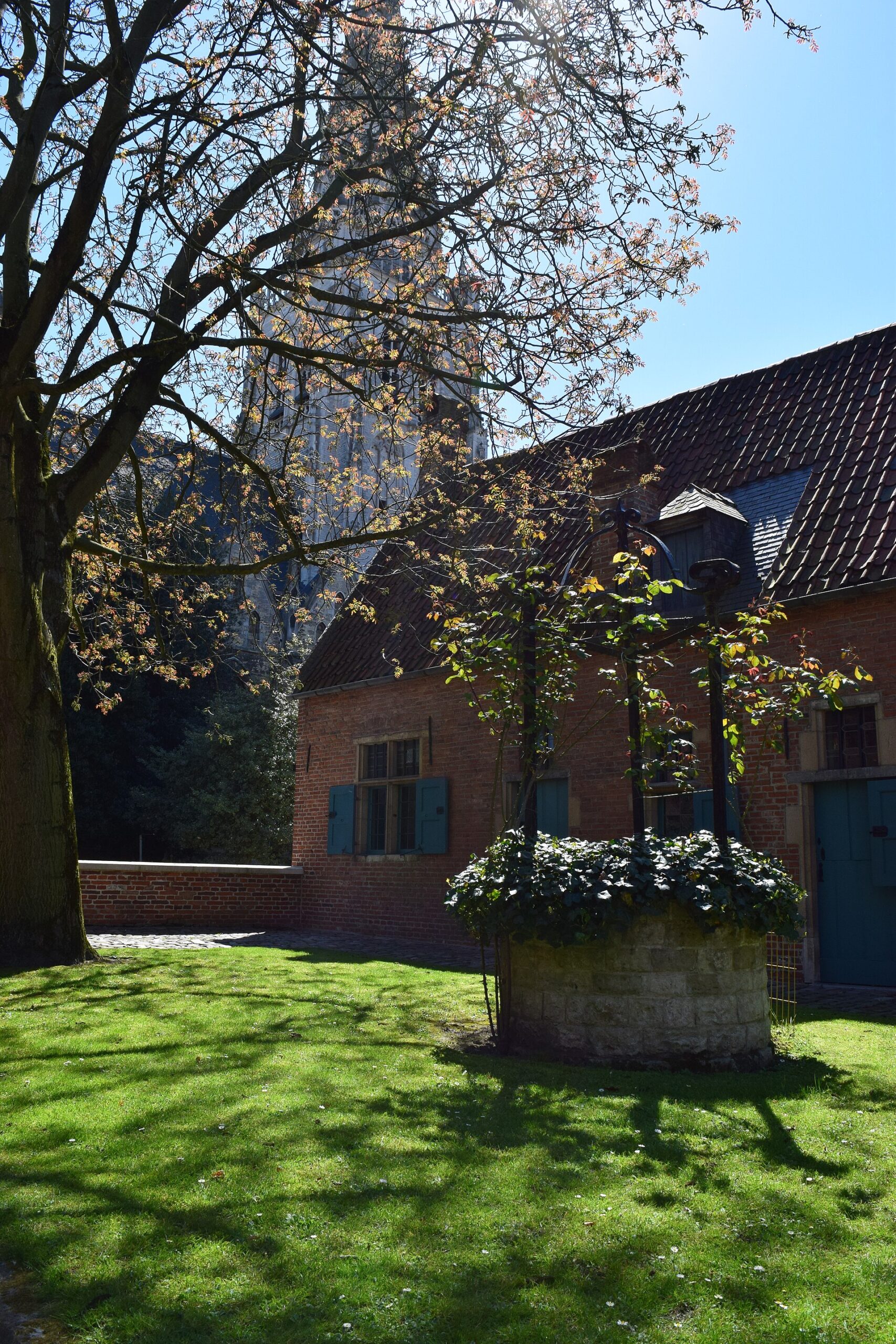
While Belgium’s most famous béguinages are in Bruges and Ghent, Brussels has its own — a small, peaceful béguinage in Anderlecht near the Maison d’Érasme. Its surviving buildings are late medieval, some sections dating from the 15th century, and this tiny enclosed courtyard with its simple whitewashed houses and garden is one of the last surviving béguinages in Brussels. The béguines were lay religious women who lived in semi-monastic communities while maintaining a degree of independence unusual for the medieval period.
The restored béguinage is being prepared for a new museum on the béguine way of life. The courtyard garden, with its medicinal plants and quiet atmosphere, is a peaceful oasis. Combined with the Maison d’Érasme a short walk away, it makes for a contemplative half-day excursion to a part of Brussels that most visitors never see.
Location: Rue du Chapelain 8, Anderlecht. Metro: Saint-Guidon. Free entry while the new museum is being prepared; the Maison d’Érasme has its own ticket.
11. Place du Châtelain Market — The Foodie’s Secret
Every Wednesday from noon to 8:30pm, the Place du Châtelain in Ixelles hosts a gourmet market that draws food-loving locals from across the city. Unlike the larger tourist-oriented markets, this one is focused purely on quality — artisan cheeses, charcuterie, fresh pasta, organic produce, wine, and prepared foods from local vendors. The atmosphere is convivial, with residents stopping for a glass of wine and a snack after work.
The surrounding neighbourhood of Châtelain is one of Brussels’ most charming residential areas, with tree-lined streets, neighbourhood bistros, and a refined but unpretentious character. It is particularly pleasant on warm Wednesday evenings when the market crowd spills into the surrounding bars and cafés.
12. Cimetière du Dieweg — An Abandoned Cemetery Garden
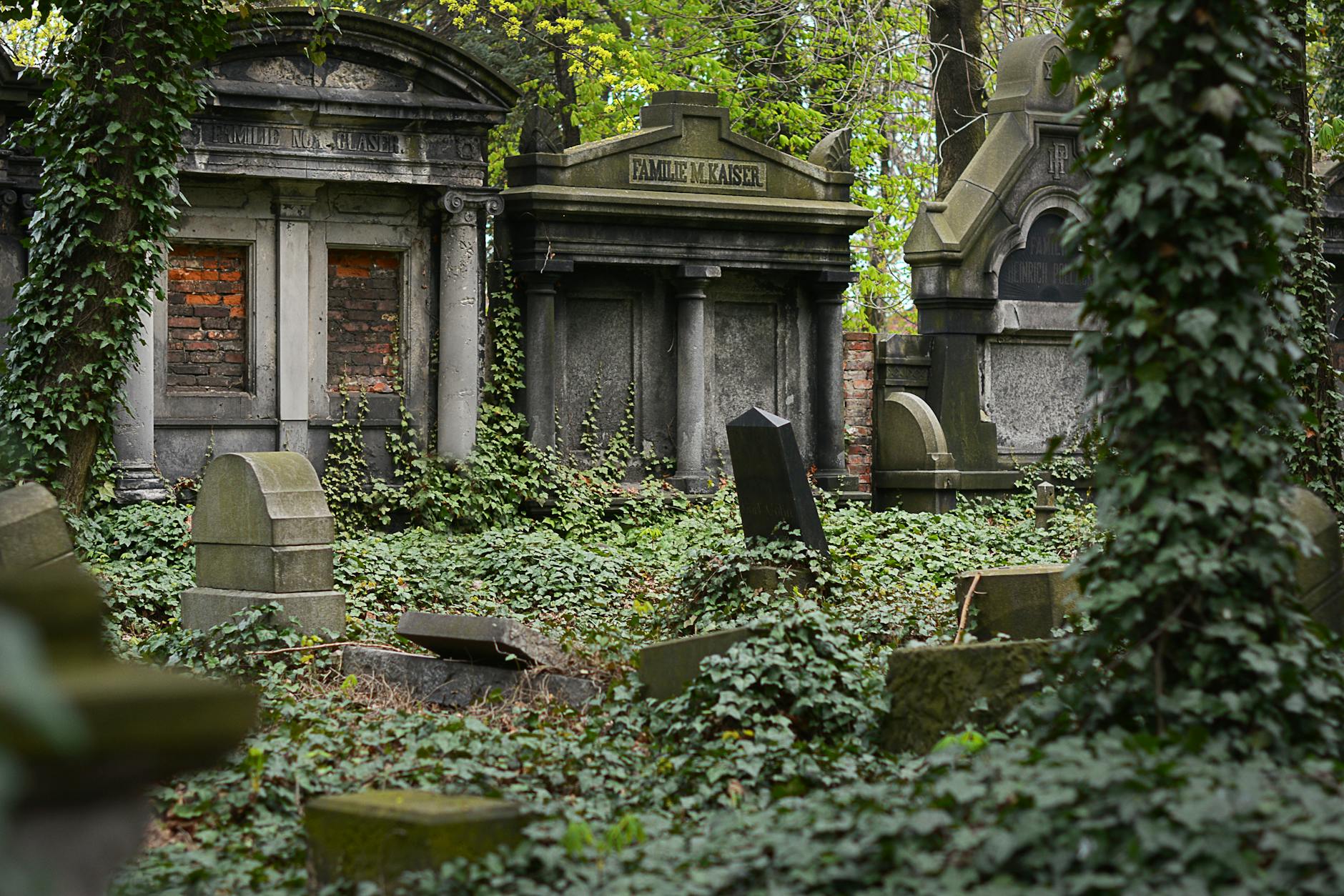
One of Brussels’ most unexpected hidden gems is the Cimetière du Dieweg in Uccle — a 19th-century cemetery that was officially closed in 1958 and has since been gradually reclaimed by nature. The overgrown paths, tilting headstones, crumbling mausoleums, and wild vegetation create an atmosphere that is part romantic ruin, part secret garden. The cemetery has become a haven for wildlife and wildflowers, and walking through it feels like discovering a forgotten world within the city.
The Dieweg Cemetery is not macabre but genuinely beautiful — the interplay of stone, moss, and wild plants creates compositions that photographers and artists adore. The site is also historically significant, containing graves of notable 19th-century Brussels residents. It is open to the public, though not widely signposted, and you may have the entire place to yourself.
Location: Dieweg, Uccle. Open during daylight hours.
13. The Panoramic Elevator at Place Poelaert
Most tourists who visit the Palais de Justice admire the view from the esplanade and then turn back. Few notice the free glass elevator on the western edge of Place Poelaert that descends directly to the Marolles neighbourhood below. The ride takes less than a minute but provides a dramatic panoramic view over the lower city during the descent, and it deposits you directly into one of Brussels’ most authentic neighbourhoods — perfect for exploring the flea market, the street art, and the neighbourhood bars of the Marolles.
14. Cantillon Brewery — Lambic Time Capsule
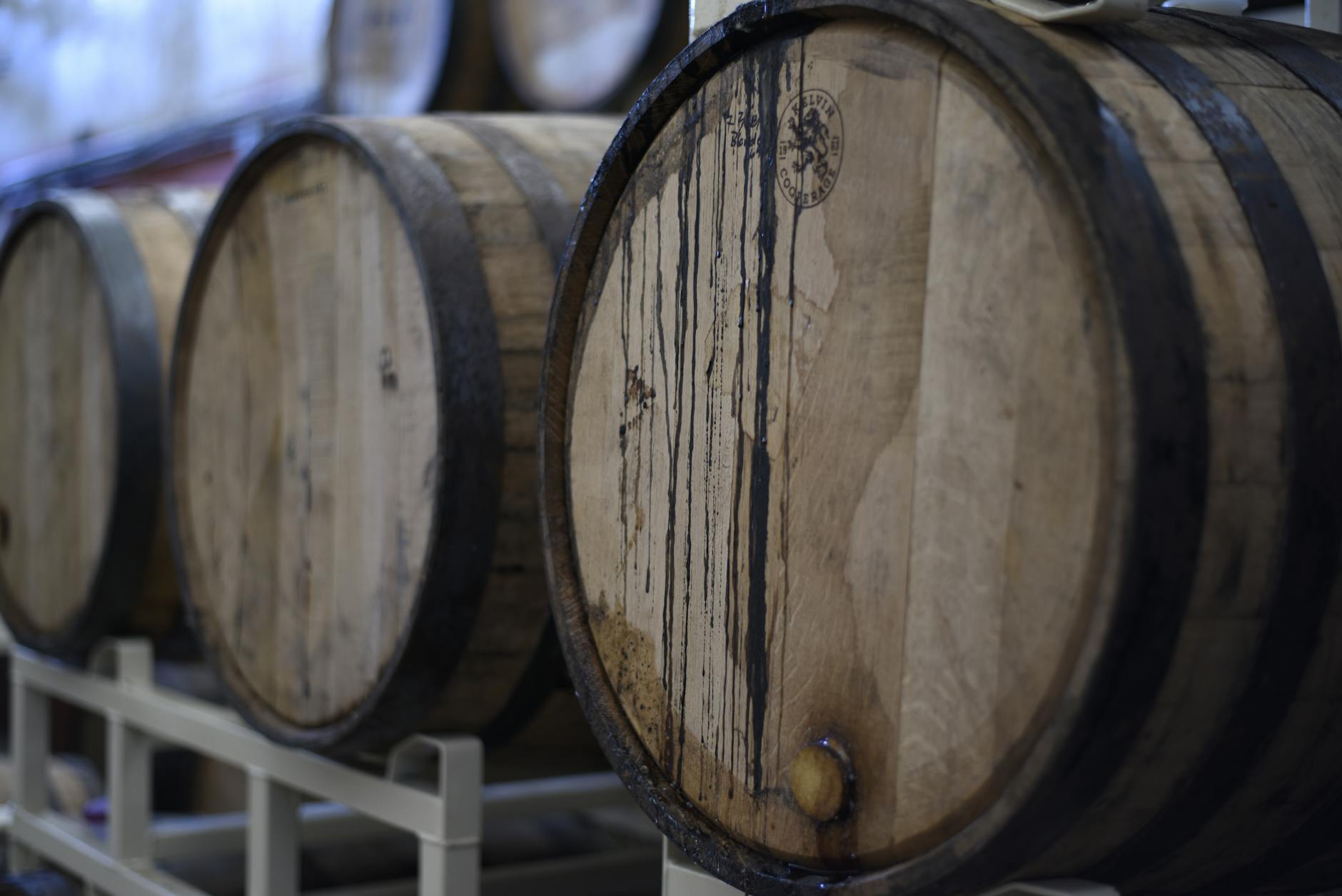
The Cantillon Brewery in Anderlecht is not entirely unknown, but it remains a hidden gem in the sense that most Brussels visitors never make the short journey to visit it. This family-run brewery has been producing traditional lambic beer through spontaneous fermentation since 1900, using methods that have barely changed in over a century. The cool ship (a large shallow vessel where hot wort is exposed to wild yeast in the night air), the dusty wooden barrels, and the cobwebbed cellars are not theatrical set dressing — they are essential to the brewing process.
A self-guided tour explains the spontaneous fermentation process, and the tasting at the end includes gueuze, kriek, and seasonal lambics that you cannot find anywhere else. The brewery is best visited during the brewing season (October to April) when the cool ship is in active use. For more on Belgian beer culture, see our Brussels Food & Drink Guide.
Location: Rue Gheude 56, Anderlecht. Hours: self-guided visits Monday, Tuesday, Thursday and Friday; guided visits on Saturday, booked online. Closed Wednesdays, Sundays and public holidays. Tickets: Around €9 including tastings for self-guided visits; the Saturday guided visit is €13 per person.
15. Parc Josaphat — Schaerbeek’s Green Jewel
While tourists cluster in the city-centre parks, Parc Josaphat in Schaerbeek offers a genuinely local park experience. This English-style landscape park features rolling hills, a stream, bridges, mature trees, a bandstand, playgrounds, and a relaxed atmosphere where Schaerbeek residents come to picnic, play, and socialise. The park is surrounded by some of Brussels’ finest Art Deco residential architecture — the streets leading to the park are worth exploring in their own right.
16. The Midi Market — One of Europe’s Largest Markets
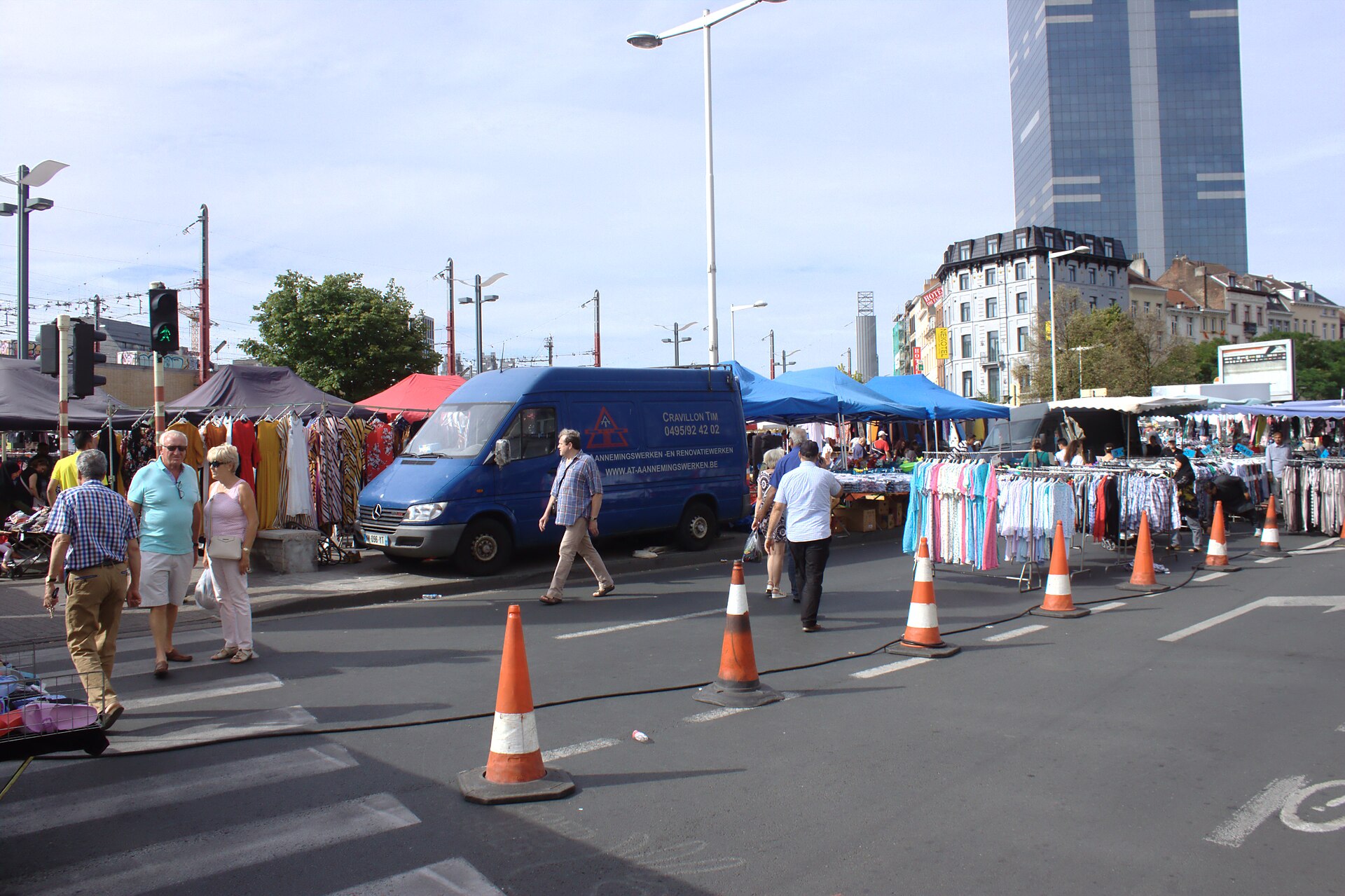
Every Sunday morning, the streets around Brussels-Midi station fill with an open-air market that the Brussels tourism office counts among the largest in Europe. The Midi Market sprawls across several blocks with stalls selling everything from fresh produce, spices, olives, and fish to clothing, fabrics, electronics, and household goods. The atmosphere is loud, multicultural, and overwhelming in the best possible way.
This is not a curated tourist market but a genuine weekly institution where Brussels’ diverse communities come to shop. The food section is extraordinary — you can buy ingredients from North Africa, Turkey, Central Africa, South Asia, and Southern Europe, often at a fraction of supermarket prices. The market is an immersive cultural experience and one of the best ways to understand the multicultural reality of contemporary Brussels.
When: Sunday mornings. Location: Around Brussels-Midi/Zuid station. Free to browse.
17. Musée des Égouts (Sewer Museum)
Brussels’ underground sewer network is a fascinating piece of 19th-century engineering, and at the Musée des Égouts you walk a few tens of metres beside the underground River Senne and step into a working sewer collector. The tour explains how Brussels’ decision to vault over the Senne in the 1860s transformed the city — eliminating disease but burying the river that had sustained it for centuries. It is quirky, educational, and genuinely atmospheric.
18. Porte de Hal’s Secret Rampart Walk
The Porte de Hal — the last surviving gate of Brussels’ second city wall — houses a museum that most tourists overlook. But the real secret is the rampart walk, reached after climbing the tower’s spiral staircase. From up there, you get a panoramic view over southern Brussels that is arguably better than the view from the Atomium’s top sphere — and far less crowded. The museum itself covers medieval Brussels history and is well worth the visit.
Hours: Monday–Thursday 9:30am–5pm, weekends and public holidays 10am–5pm; closed on Fridays. Tickets: €7. Free on the first Wednesday of the month from 1pm.
19. Café Belga — Art Deco Sunset Drinks
Located on the ground floor of the Art Deco Flagey Building, Café Belga is one of Brussels’ most iconic neighbourhood bars. The large terrace overlooks the Ixelles Ponds, and on warm evenings the view of the sunset reflected in the water, with the Art Deco facade glowing in the evening light, is one of the most enjoyable scenes in Brussels. The crowd is overwhelmingly local — students, artists, professionals, and families — and the atmosphere is relaxed and convivial.
20. The Botanical Garden (Le Botanique)
The former botanical garden near Rogier — now a cultural centre and concert venue — retains its beautiful 19th-century glasshouses and landscaped gardens. The gardens provide a peaceful green space in an otherwise busy part of the city. The venue hosts an excellent programme of concerts, exhibitions, and events, and the terrace café overlooking the gardens is a lovely spot for a coffee. Few tourists discover this space, which makes it a genuine locals’ favourite.
Location: Rue Royale 236, Saint-Josse. Metro: Botanique.
Ten minutes’ walk west of Brussels-Midi/Zuid there is a green door on a residential street with nothing to suggest what is behind it. Our Cantillon Brewery visit guide covers the last traditional lambic brewery inside the city — €9 or €8 depending on age for a self-guided visit with three tasting samples, no booking needed for individuals and small groups on Mondays, Tuesdays, Thursdays and Fridays, and closed on Wednesdays and Sundays.
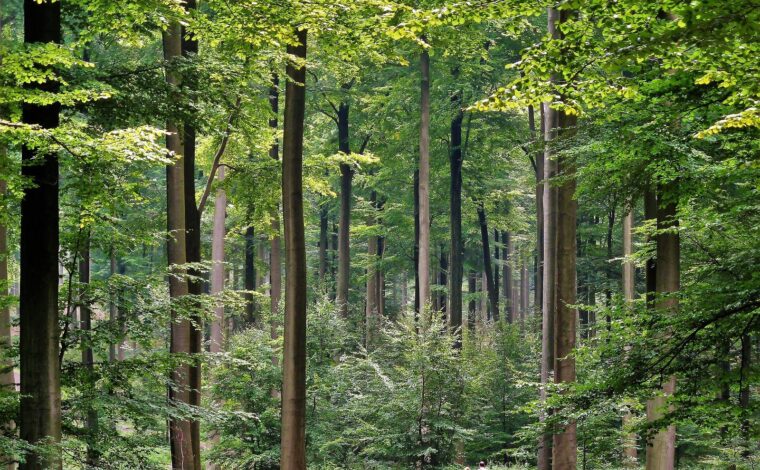
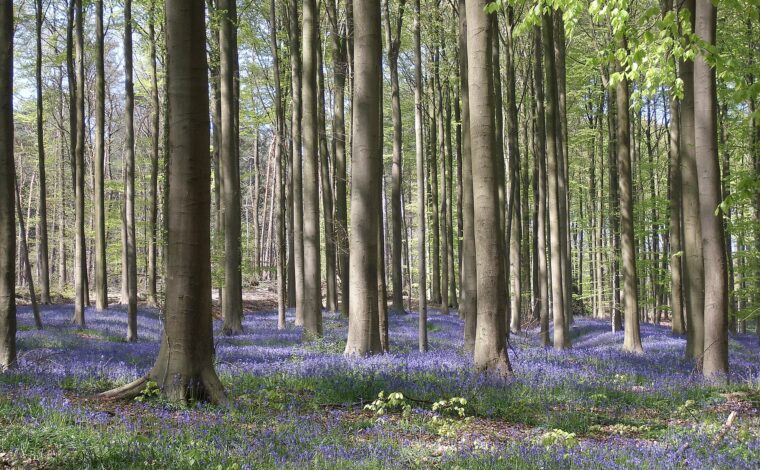
The biggest hidden gem of all is hiding in plain sight on the city map: a beech forest larger than many towns, with protected reserves on UNESCO’s World Heritage List, starting where the south-eastern suburbs end. Tram 44 runs through its edge on the way to Tervuren, and most visitors never take it. Our guide to the Sonian Forest explains how to get there and where to walk.
Related Brussels Guides
Keep planning with these companion guides:
- The Ultimate Guide to Things to Do in Brussels — the full guide to the ultimate guide to things to do in brussels
- 15 Best Free Things to Do in Brussels — the full guide to 15 best free things to do in brussels
- Unique Experiences in Brussels — Beyond the Tourist Trail
Frequently Asked Questions
What are the best hidden gems in Brussels?
The best hidden gems include Galerie Bortier (a secret bookshop arcade), Robinson Island (a bar on a lake in the Bois de la Cambre), the Smurfs ceiling mural in the Putterie Passage, the abandoned Dieweg Cemetery, and the Place du Châtelain Wednesday market. These spots are genuinely overlooked by most tourists and offer rewarding experiences.
Where do locals go in Brussels?
Locals gravitate to Flagey Square and the Ixelles Ponds for socialising, the Bois de la Cambre and Parc Duden for nature, the Midi Market for Sunday shopping, the Châtelain market for food, and neighbourhood bars like Le Cirio and Café Belga. The neighbourhoods of Saint-Gilles, Ixelles, and Schaerbeek are where much of Brussels’ everyday life takes place.
Is Brussels good for walking?
Brussels is excellent for walking. The city centre is compact, and many major attractions are an easy walk from the Grand Place. The hidden gems on this list require a little more walking or a short tram/metro ride, but they reward the effort with experiences that most visitors miss. Comfortable shoes are essential — Brussels has hills and cobblestones.
Photo Credits
-
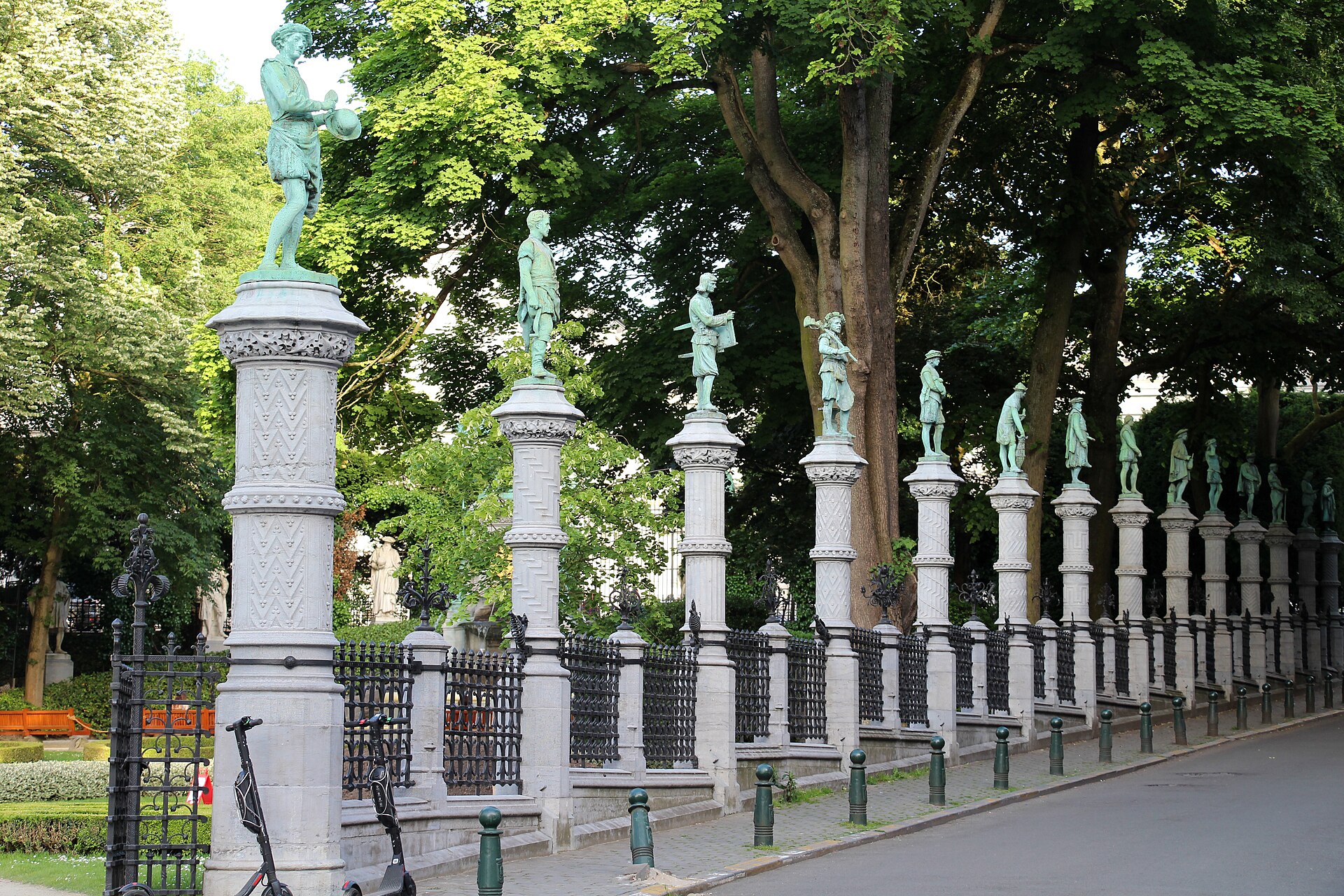
The Petit Sablon garden: 20110712 bruxelles122 by Jean Housen, CC BY-SA 3.0, via Wikimedia Commons.
-
Statues around the Petit Sablon garden: Bruxelles – Square du Petit Sablon (48203310892) by Fred Romero from Paris, France, CC BY 2.0, via Wikimedia Commons.
-
Chalet Robinson on Robinson Island: Arrière du Chalet Robinson – panoramio by charles lecompte, CC BY-SA 3.0, via Wikimedia Commons.
-
Le Cirio after dark: Le Cririo vide – panoramio by Schölla Schwarz, CC BY 3.0, via Wikimedia Commons.
-
The courtyard of Anderlecht Beguinage: BegijnhofenkerkAnderlecht by Filharmoniker, CC BY-SA 4.0, via Wikimedia Commons.
-
Sunday shopping at Midi Market: Brusel, Gare du Midi, tržnice II by Aktron, CC BY-SA 4.0, via Wikimedia Commons.
-
Place Flagey in Ixelles: Panorama place Flagey by BXLgutter, CC BY-SA 3.0, via Wikimedia Commons.