25 Brussels Attractions Every Visitor Needs to Experience
Brussels rewards the curious. Beyond the obligatory selfie at the Manneken Pis and the first glimpse of the Grand Place lies a city packed with world-class museums, architectural treasures spanning centuries, quirky landmarks, and cultural experiences that rival anything in Europe. The challenge is not finding things to do — it is narrowing down the list.
This guide ranks the 25 best tourist attractions in Brussels, from the iconic landmarks that define the city to lesser-known gems that most visitors walk right past. For each attraction we include what makes it special, practical visiting information, and insider tips to help you get the most from your time. Whether you have one day or a full week, this list will help you prioritise.
For help planning your trip, see our Brussels Travel Guide. For detailed neighbourhood exploration, check our Brussels Neighbourhoods Guide.
1. Grand Place (Grote Markt)
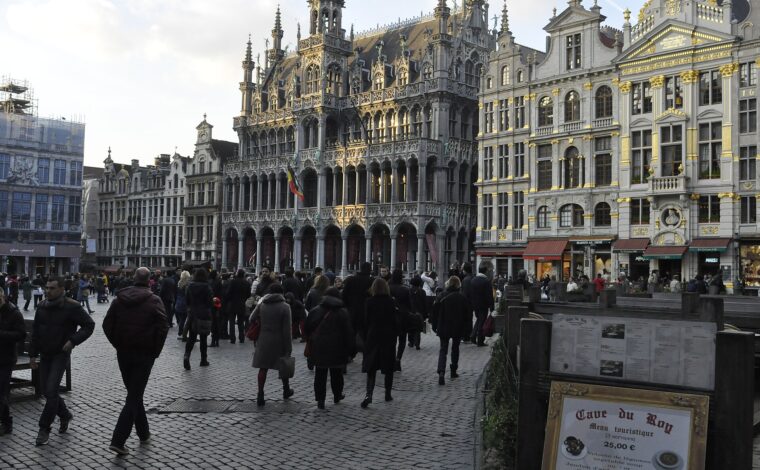
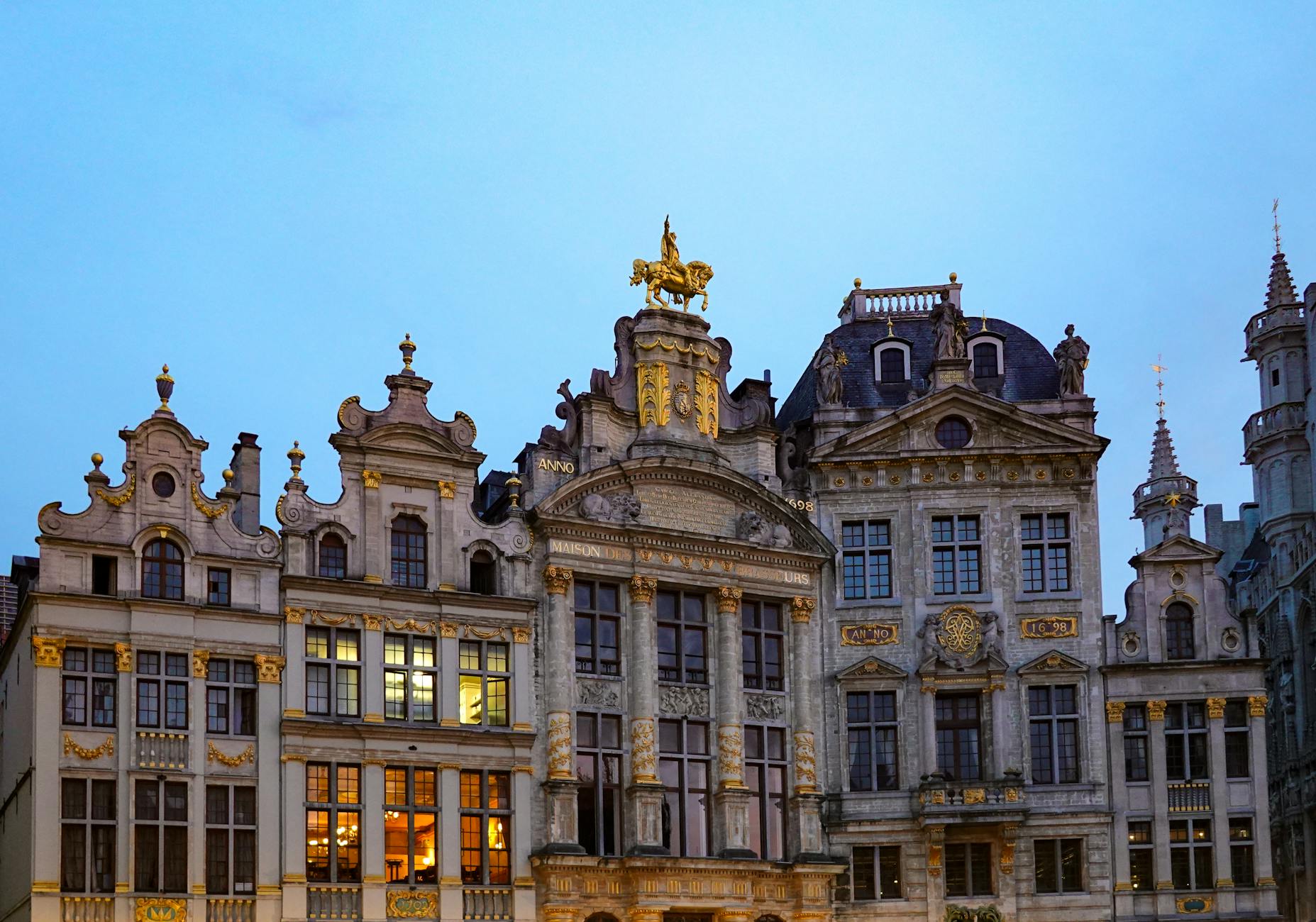
The Grand Place is not just Brussels’ finest attraction — it is widely considered one of the most beautiful squares in the world. This UNESCO World Heritage Site is framed by ornate guild houses rebuilt in stunning Baroque style after a devastating French bombardment in 1695, the Gothic Hôtel de Ville (City Hall) with its 96-metre spire, and the Maison du Roi (King’s House), which now contains the Brussels City Museum.
Visit early morning for the best light and fewest crowds, and return after dark when the buildings are spectacularly illuminated. In even-numbered years the famous Flower Carpet, a 1,680-square-metre design of begonias, dahlias, grass and bark, covers the square in August. The 2026 edition ran from 13 to 16 August; the next one is in August 2028. The Grand Place is an open public square with no admission charge and is the natural starting point for any Brussels itinerary.
Tip: The Hôtel de Ville offers guided tours of its interior, including the magnificent Council Chamber. Check the Brussels City Museum website for schedules. For the full history of this square, see our Brussels History & Culture Guide.
2. The Atomium
Brussels’ most recognisable landmark is the Atomium — a 102-metre structure representing an iron crystal magnified 165 billion times. Built for the 1958 World’s Fair, this futuristic monument offers panoramic views from the top sphere, permanent and temporary exhibitions inside the connecting tubes and spheres, and a surreal experience that feels unlike anything else in any European capital.
The escalator ride through the tubes connecting the spheres is an attraction in itself, and the top sphere’s observation deck provides sweeping views across Brussels and beyond. Evening visits, when the Atomium is illuminated and the city lights up below, are particularly atmospheric.
Hours: Usually open daily 10am–6pm (last entry 5:30pm), with holiday exceptions and a maintenance closure from 18 January to 5 February 2027. Tickets: Adults (18–64) €17, children taller than 115 cm up to age 17 €9; children 115 cm or shorter go free. Buy online to skip the queue. Combo tickets with Mini-Europe offer savings. Allow 90 minutes to two hours.
3. Manneken Pis
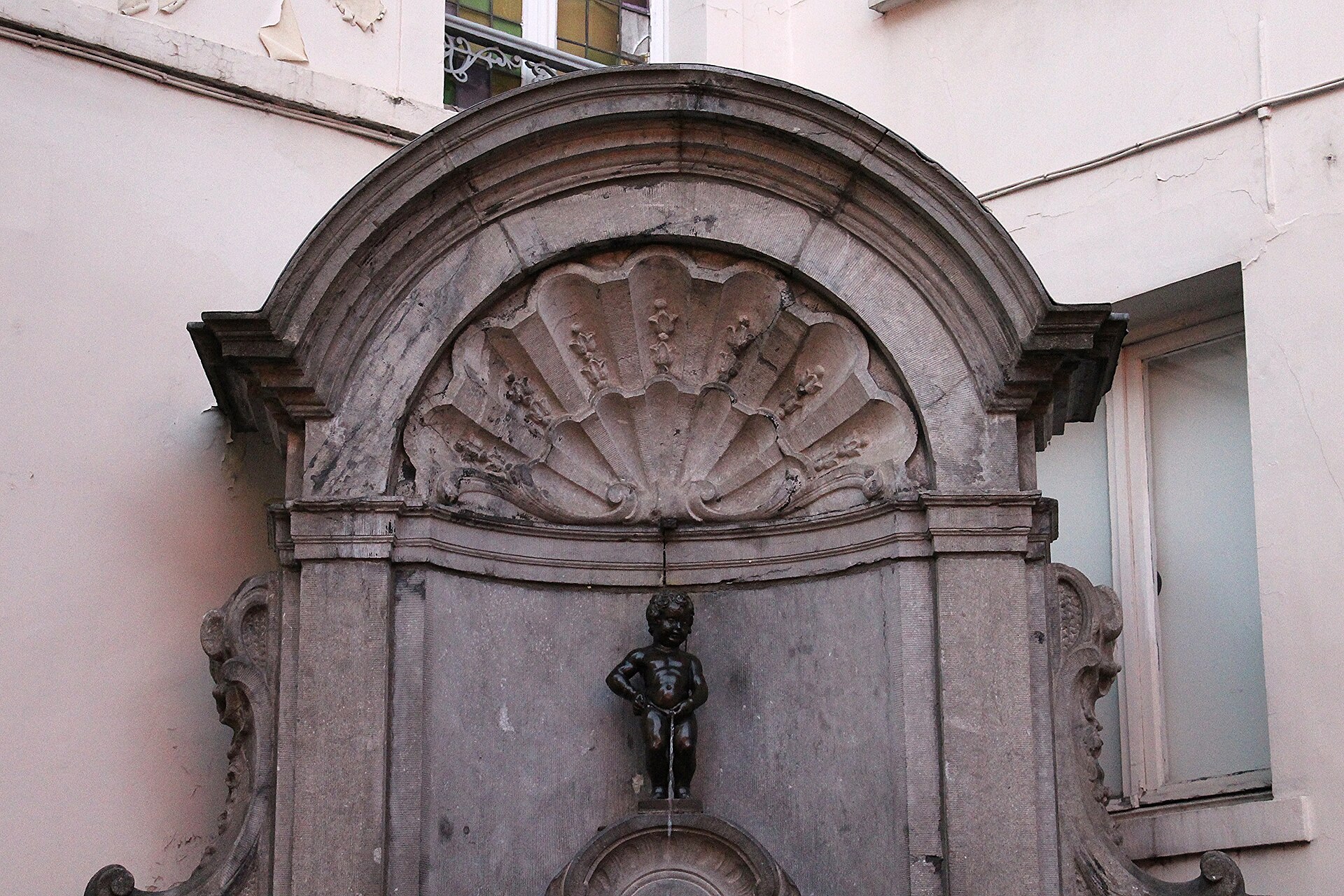
Brussels’ most famous citizen is a 61-centimetre bronze statue of a small boy urinating into a fountain basin. The Manneken Pis has been a Brussels icon since the 15th century, and its appeal lies as much in the city’s affection for it as in the statue itself. Over 1,000 costumes have been donated to the Manneken Pis over the centuries, and he is regularly dressed in costume for special occasions.
The nearby GardeRobe MannekenPis museum (free on the first Sunday of the month) displays a rotating selection of these costumes and is genuinely more interesting than you might expect. Do not miss the lesser-known Jeanneke Pis (his female counterpart, on Impasse de la Fidélité near Delirium Café) and Zinneke Pis (a urinating dog, on Rue des Chartreux).
Tip: The statue is tiny. Manage your expectations — the experience is about the Brussels tradition, not the physical statue. Check the official dressing schedule online to visit when he is in costume.
4. Royal Museums of Fine Arts of Belgium
This extraordinary museum complex near Place Royale houses four distinct museums under one roof: the Old Masters Museum (Bruegel, Rubens, van der Weyden), the Modern Art Museum, the Fin-de-Siècle Museum, and the dedicated Magritte Museum. Together they represent one of the most comprehensive art collections in Europe.
The Old Masters collection is particularly strong, with Bruegel’s extraordinary “The Fall of the Rebel Angels” and “Census at Bethlehem” among the highlights. The Fin-de-Siècle Museum covers the Art Nouveau movement and Belgium’s remarkable artistic output in the late 19th century. Allow at least half a day to do justice to the collection.
Hours: Tuesday–Friday 10am–5pm, weekends 11am–6pm. Closed Monday. Tickets: €20 for the combined Old Masters and Magritte ticket. The permanent collections are free on the first Wednesday of the month from 1pm (temporary exhibitions excluded).
5. Magritte Museum
Housed within the Royal Museums complex but deserving its own entry, the Magritte Museum is the world’s largest collection of works by the Belgian surrealist René Magritte. Housed in the former Hôtel Altenloh, the museum displays 230 works and archives — paintings, sculptures, photographs, films, and archival documents — tracing Magritte’s career from his early commercial work to the iconic surrealist masterpieces.
Even visitors unfamiliar with Magritte’s name will recognise his images: the man in the bowler hat, the pipe that “is not a pipe,” the floating rocks, the lovers with veiled faces. The museum is beautifully curated and offers one of Brussels’ most rewarding cultural experiences. For a detailed guide, see our Brussels Museums Guide.
Tickets: €13, or €20 for the combined Old Masters and Magritte ticket. Audio guide recommended. Allow 90 minutes.
6. Galeries Royales Saint-Hubert
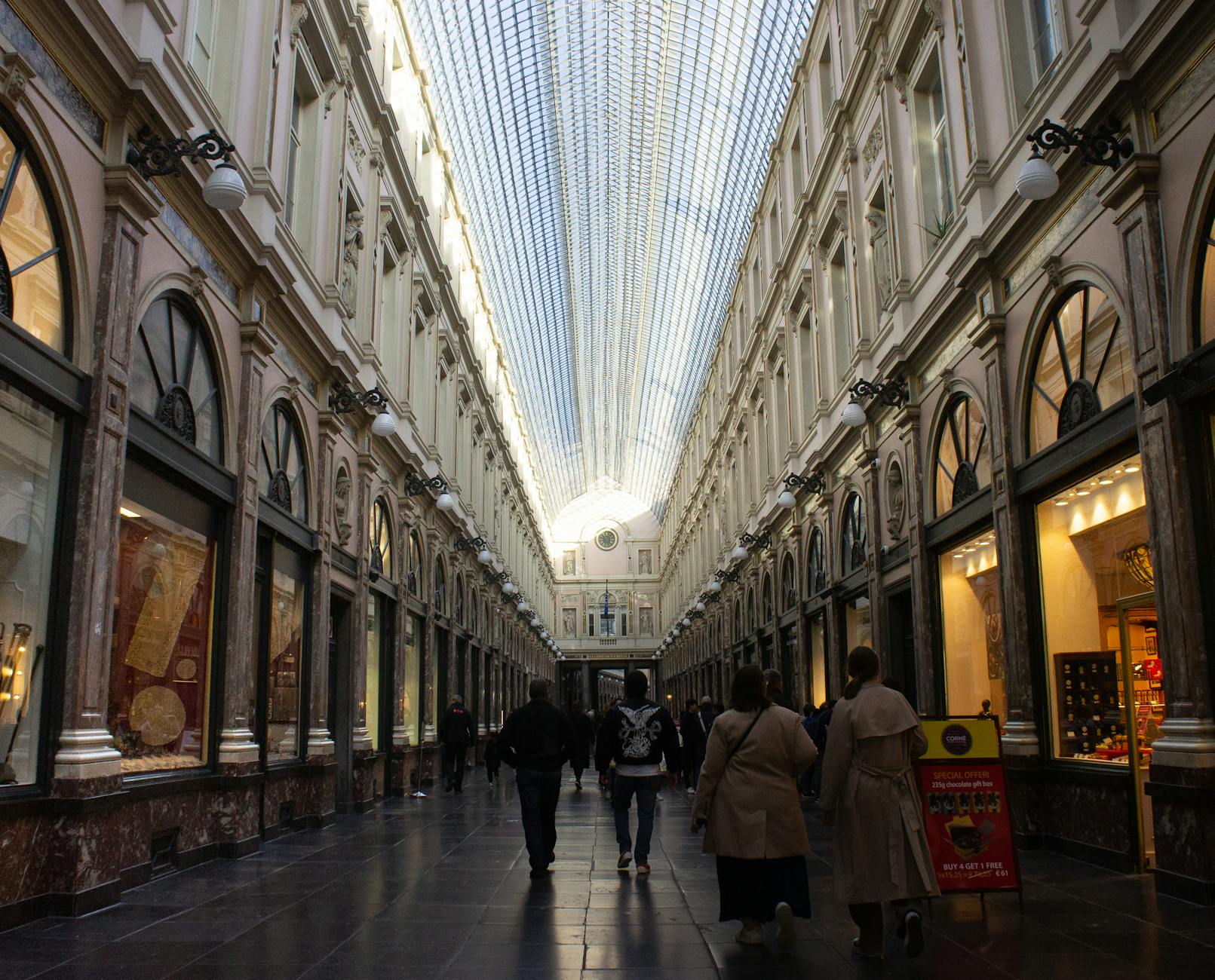
Opened in 1847, this is one of the oldest and most elegant covered shopping arcades in Europe. The glass-vaulted Galeries — comprising the Galerie du Roi, Galerie de la Reine, and Galerie des Princes — are home to chocolatiers (including Neuhaus and Mary), bookshops, fashion boutiques, and the Théâtre Royal des Galeries.
Even if shopping is not your priority, walking through the Galeries is a visual pleasure. The proportions, the light filtering through the glass roof, and the period details make this one of Brussels’ finest architectural experiences. It is located steps from the Grand Place and is free to walk through at any time.
7. Cathedral of Saints Michael and Gudula
Brussels’ most important church is this 13th-century Gothic cathedral dedicated to the city’s patron saints. The Gothic rebuilding began in 1226 and took almost three centuries, resulting in a harmonious blend of Romanesque and Gothic elements. The twin towers of the west facade are landmarks visible from across the city centre, and the interior features magnificent 16th-century stained-glass windows, a Baroque carved wooden pulpit, and the atmospheric Romanesque crypt beneath the nave.
The cathedral has witnessed coronations, royal weddings, and state funerals throughout Belgian history. It remains an active place of worship, and the regular organ concerts are exceptional.
Hours: Monday–Friday 8am–6pm, Saturday 8am–5pm, Sunday 1pm–6pm; no visits during services. Free entry. The crypt has a small admission fee.
8. Belgian Comic Strip Centre
Belgium has produced more comic strip artists per square kilometre than any other country, and this museum celebrates that heritage in spectacular fashion. Housed in a stunning Art Nouveau building designed by Victor Horta (a former department store), the Belgian Comic Strip Centre traces the history of comics from early newspaper strips to contemporary graphic novels.
Permanent exhibitions cover the creation process, showcase original artwork, and feature life-sized installations of beloved characters including Tintin, the Smurfs, Lucky Luke, and Spirou. Temporary exhibitions rotate regularly. The building itself — with its characteristic Horta ironwork, flowing staircases, and light-filled central atrium — is reason enough to visit.
Hours: Tuesday–Sunday 10am–6pm. Normally closed on Mondays, though the museum opens on Mondays in July and August (except 24 and 31 August). Tickets: Adults €14, ages 12–25 and 65+ €11, children 6–11 €6, under-6s free. Allow 90 minutes to two hours.
9. Belgian Beer World
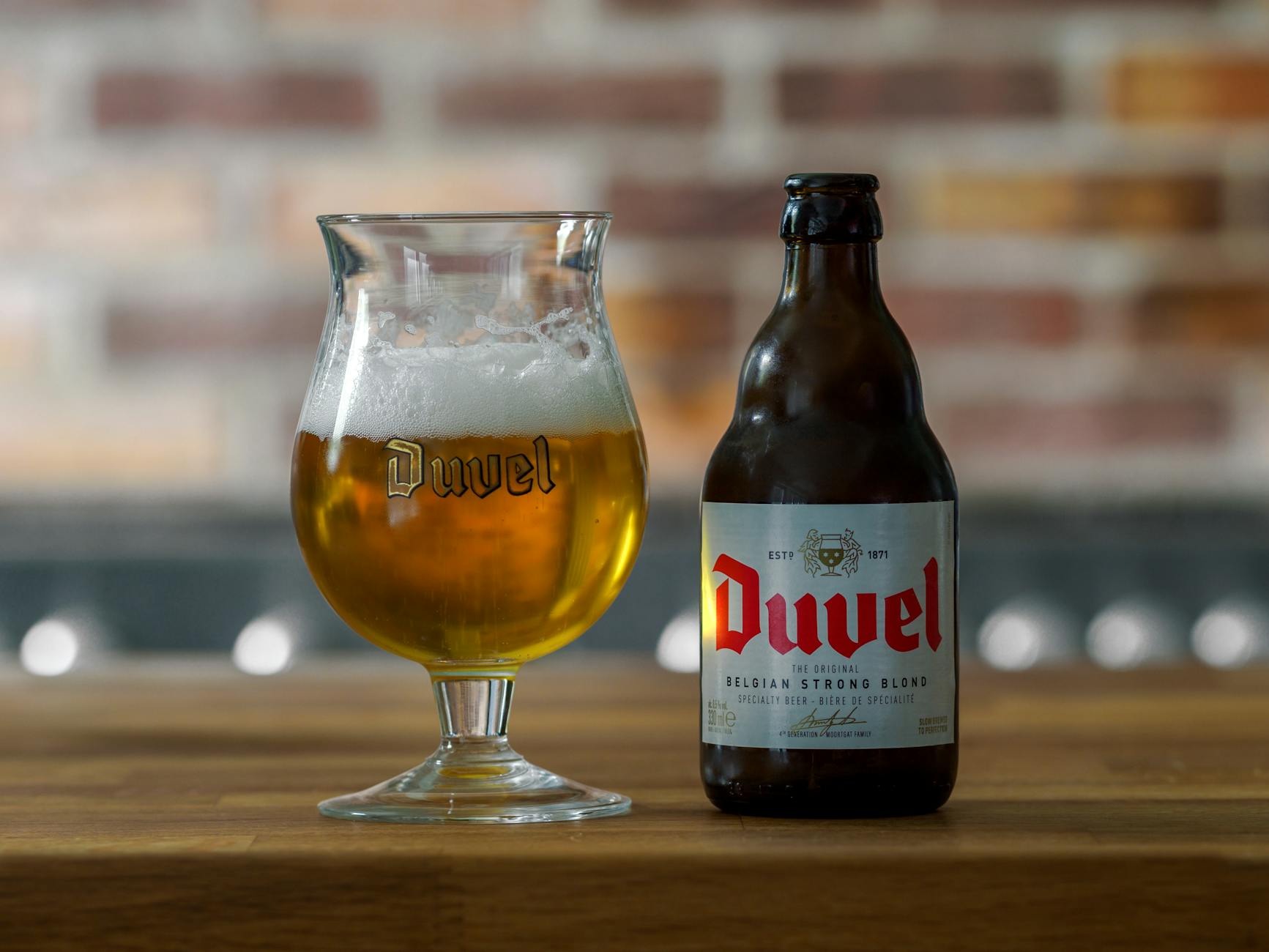
Opened in September 2023 inside the magnificently restored Bourse (former Stock Exchange building), Belgian Beer World is one of Brussels’ newest attractions. This immersive, interactive museum takes visitors through the history, brewing science, and culture of Belgian beer — which is inscribed on UNESCO’s Intangible Cultural Heritage list.
The experience culminates on the spectacular rooftop terrace, where you can enjoy a beer with panoramic views over the Brussels rooftops. The building itself, with its ornate 19th-century interiors, is stunning. The experience is well-designed for both beer enthusiasts and casual visitors.
Hours: Monday–Thursday and Sunday 10:30am–7:30pm (last entry 6:30pm), Friday–Saturday 10:30am–8:30pm (last entry 7:30pm). Tickets: Adults €21.50, including a tasting during the tour and a 33cl beer at the Beerlab Rooftop. Allow two hours.
10. Parc du Cinquantenaire
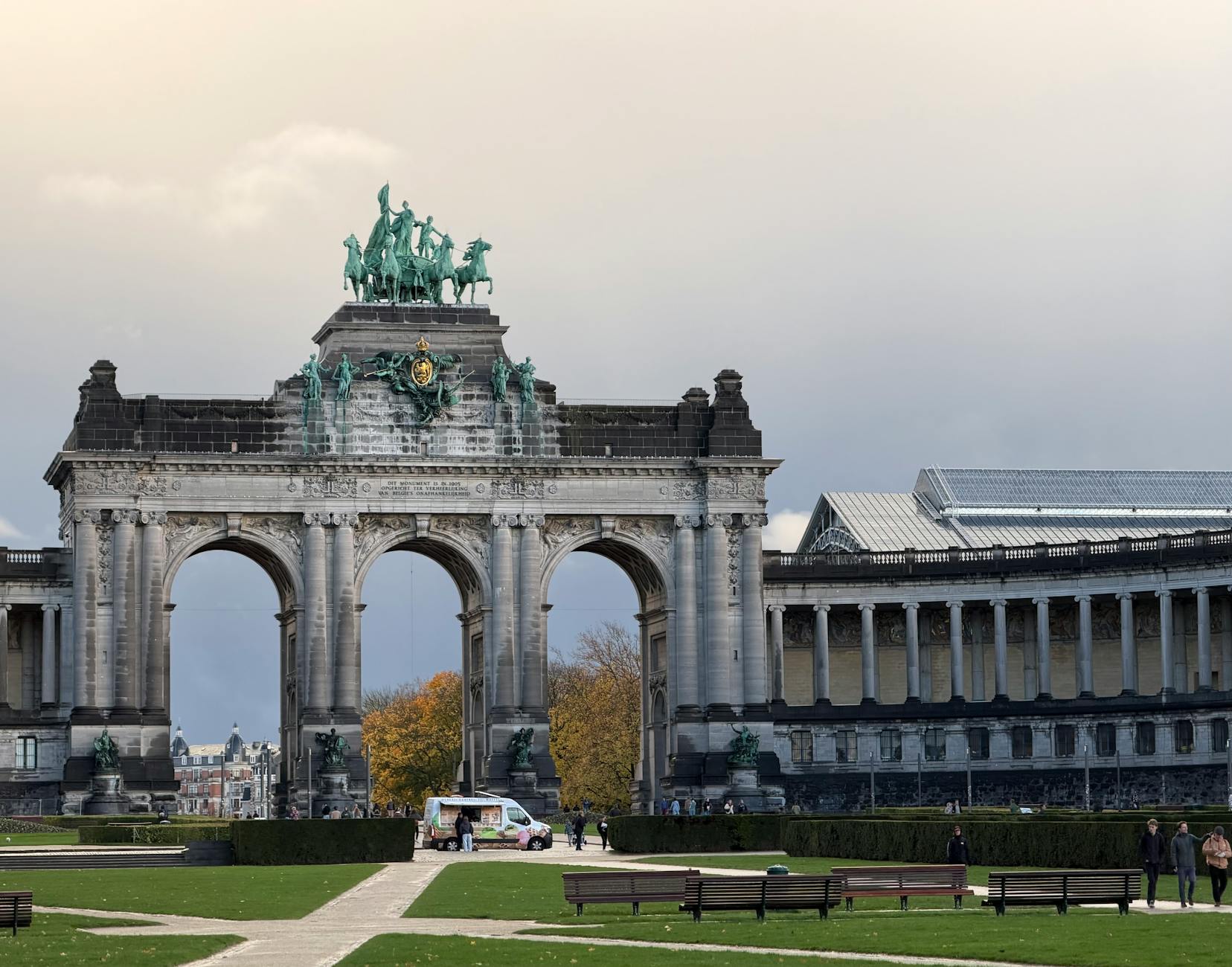
This magnificent park — built to celebrate Belgium’s 50th anniversary — features vast lawns, a monumental triumphal arch, and three museums. The park is a favourite with locals for jogging, picnics, and relaxation, and the arch itself offers one of the best viewpoints in Brussels (accessible via the military museum).
The park houses the Royal Museum of the Armed Forces and Military History (adults €12, free on the first Wednesday of the month from 1pm, with spectacular aviation and tank halls), Autoworld (a collection of vintage cars), and the Art & History Museum (covering world civilisations). A morning in the park easily fills half a day.
Access: Free public park. Nearest metro: Schuman or Mérode.
11. Musical Instruments Museum (MIM)
Housed in the stunning Art Nouveau Old England building, a former department store on the Mont des Arts, the MIM holds musical instruments spanning centuries and continents. The innovative audio guide triggers music from each instrument as you approach the display — meaning you hear what you see. The rooftop restaurant offers one of the best panoramic views in Brussels.
Hours: Tuesday–Friday 9:30am–5pm, weekends 10am–5pm. Closed Monday. Tickets: Adults €18, over-65s €14 (audio guide included).
12. Place Royale and the Coudenberg Palace
The elegant neoclassical Place Royale sits atop the ruins of the medieval Coudenberg Palace, where the Dukes of Burgundy and later the Habsburg emperors held court. The archaeological site beneath the square — accessible through the BELvue Museum — allows visitors to walk through the underground remains of the Great Hall, chapel, and streets of the former palace complex. It is one of Brussels’ most fascinating and undervisited attractions.
Tickets: €10, or €18 combined with the BELvue Museum. Allow 90 minutes.
13. Mini-Europe
Located beside the Atomium, Mini-Europe features over 350 miniature reproductions of famous European landmarks at 1:25 scale. The Eiffel Tower, the Leaning Tower of Pisa, Big Ben, the Acropolis — they are all here, with many featuring interactive elements: trains run, mills turn, and Vesuvius erupts. It is educational, entertaining, and particularly popular with families.
Hours: 9:30am–6pm in spring and September, 9:30am–7pm in July and August, and 10am–6pm from 1 October 2026 to 3 January 2027 (10am–5pm on 24 and 31 December). Tickets: Adults from €21.70 online or €25 on site; children under 12 from €15.30 online or €17.90 on site; children under 115 cm go free. Combo tickets with the Atomium available.
14. BELvue Museum
Located next to the Royal Palace, the BELvue Museum tells the story of Belgian history and society through seven thematic sections: democracy, prosperity, solidarity, pluralism, migration, language, and Europe. The museum is well-designed, accessible to all ages, and provides essential context for understanding Belgium’s complex identity. The combined ticket includes access to the Coudenberg Palace archaeological site beneath.
Hours: Tuesday–Friday 9:30am–5pm, weekends 10am–6pm. Tickets: €18 for the combined BELvue and Coudenberg ticket.
15. Sablon District
The Sablon is not a single attraction but a district that functions as one — Brussels’ most refined neighbourhood for art, antiques, and chocolate. The Grand Sablon square hosts a weekend antiques market, and the surrounding streets are filled with galleries, chocolatiers (including Pierre Marcolini and Wittamer), and upscale restaurants. The Petit Sablon, a small garden behind the Grand Sablon, features beautiful statues representing the medieval guilds. For chocolate and antiques, see our Brussels Shopping Guide.
16. Museum of Natural Sciences
Home to Europe’s largest dinosaur gallery — including 30 fossilised Iguanodons — the Museum of Natural Sciences is one of Brussels’ most engaging museums for all ages. Interactive galleries cover evolution, biodiversity, and the natural world. The sheer scale of the dinosaur gallery makes it genuinely awe-inspiring.
Hours: Tuesday–Friday 9:30am–5pm, weekends 10am–6pm. Tickets: Adults (26+) €15, ages 3–25 €6, under-3s free.
17. Royal Palace of Brussels
The official palace of the Belgian monarchy (though the Royal Family resides at the Palace of Laeken) is a grand neoclassical building facing the Parc de Bruxelles. The Royal Palace opens to the public for a few weeks each summer (in 2026, from 3 July to 16 August), with visits of the state rooms, including the extraordinary Throne Room and the Hall of Mirrors — where artist Jan Fabre created a ceiling covered with iridescent jewel beetle wing cases.
Hours: Open each summer; the 2026 season ran 3 July–16 August. Tickets: the 2026 visit cost €10 for ages 13 and over and was free for children 12 and under, with booking required. Check next summer’s dates on the monarchy’s website.
18. Parlamentarium
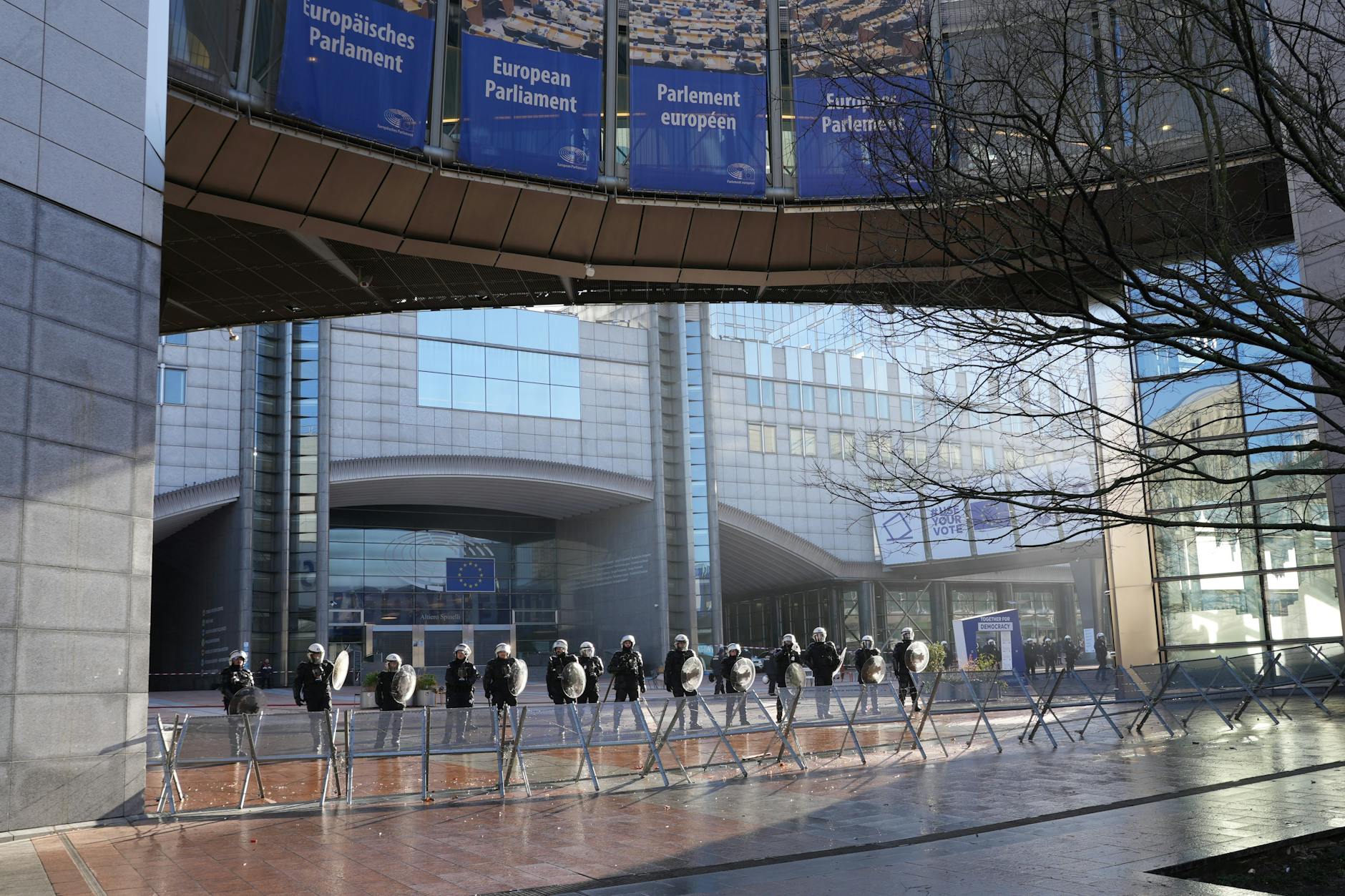
The European Parliament’s visitor centre is one of Brussels’ best free attractions. This immersive, multimedia experience takes visitors through the history of European integration, explains how the EU institutions work, and explores the Parliament’s role. Interactive exhibits and multimedia guides in all 24 official EU languages make it surprisingly engaging. The nearby House of European History (also free) complements it perfectly.
Hours: Monday 1pm–6pm, Tuesday–Friday 9am–6pm, weekends 10am–6pm. Free entry. Allow 90 minutes.
19. Horta Museum
Victor Horta’s personal home and studio in Saint-Gilles is the finest surviving example of residential Art Nouveau in the world. The museum is intimate (it is a house, not a gallery), and visiting feels like stepping into the mind of a genius. It is a UNESCO World Heritage Site. See our guide to Brussels History & Culture for more on Art Nouveau.
Hours: Tuesday–Friday 2pm–5:30pm, weekends 11am–5:30pm. Closed Monday. Tickets: €14. Small and intimate — go early on weekdays to avoid crowds.
20. Église Notre-Dame du Sablon
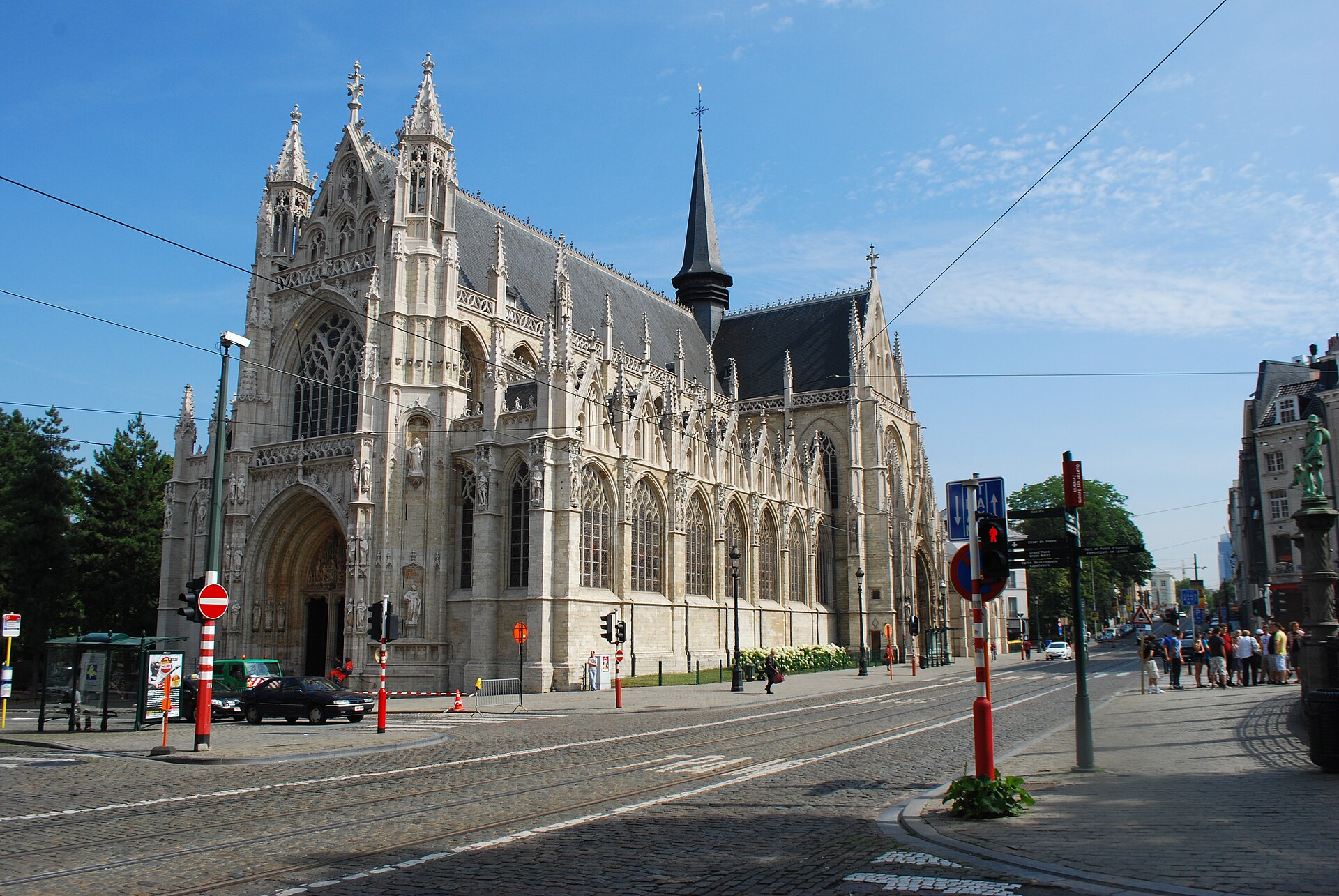
This 15th-century Gothic church in the Sablon district is one of Brussels’ most beautiful religious buildings. The soaring nave, spectacular stained-glass windows (which are illuminated from inside at night, creating an unforgettable sight), and richly decorated chapels make it a highlight of Brussels’ architectural heritage.
21. Parc de Bruxelles (Warandepark)
The formal park between the Royal Palace and the Belgian Parliament was laid out between 1776 and 1783 in a neoclassical style by Gilles-Barnabé Guimard and Joachim Zinner. The symmetrical paths, fountain, bandstand, and mature trees provide a peaceful green retreat in the heart of the city, and the park is an essential part of any walk between the upper and lower town.
22. Halles Saint-Géry
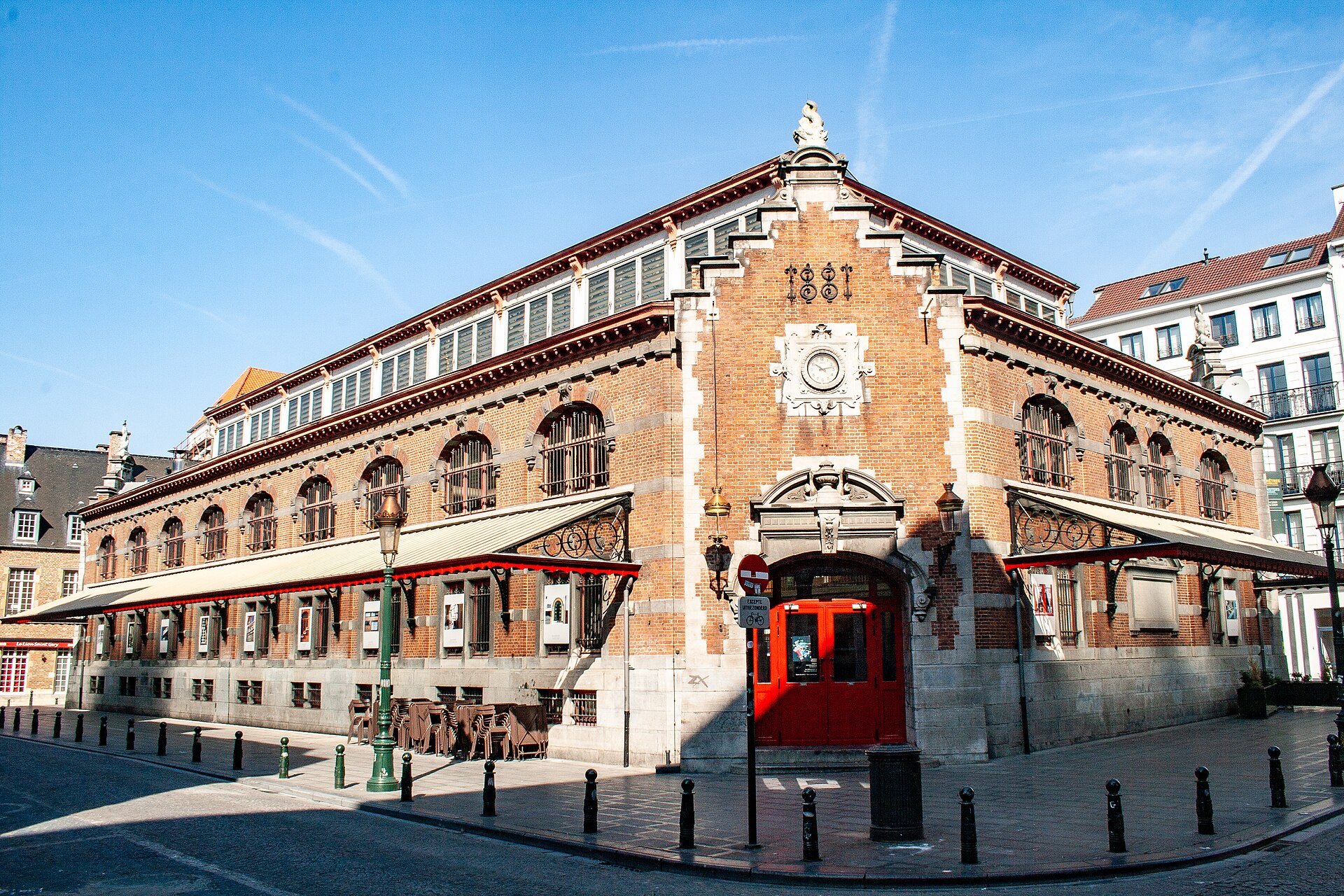
This covered market hall, begun in 1881 and opened in 1882 on Saint-Géry island, by tradition the cradle of Brussels, now serves as a cultural space, bar, and exhibition venue. It sits at the centre of the Saint-Géry district and is a good daytime stop for a drink or to catch whatever exhibition or event is currently showing. The surrounding streets are lined with cafés, bars, and design shops.
23. Train World
Located at the Schaerbeek railway station, Train World is Belgium’s national railway museum and one of Brussels’ most impressive specialist museums. The collection includes beautifully restored historic locomotives, royal carriages, and interactive exhibits tracing the history of Belgian railways from the 1830s to the present. The museum’s scenography was designed by François Schuiten (of comic book fame), giving it a unique visual identity.
Hours: Tuesday–Sunday 10am–5pm. Closed Monday. Tickets: Adults €15, children (6–17) €11.
24. Autoworld
Located in the Parc du Cinquantenaire, Autoworld displays a collection of vintage automobiles — over 250 vehicles spanning the history of the motor car. Belgian-made cars feature prominently, including rare Minervas, Impérias, and FN models. The collection is displayed in the magnificent iron-and-glass hall of the Cinquantenaire, and the setting alone is worth the visit.
Hours: Monday–Friday 10am–5pm, Saturday–Sunday 10am–6pm. Tickets: Adults €18, with €1 off when you book online at least a day ahead.
25. Porte de Hal
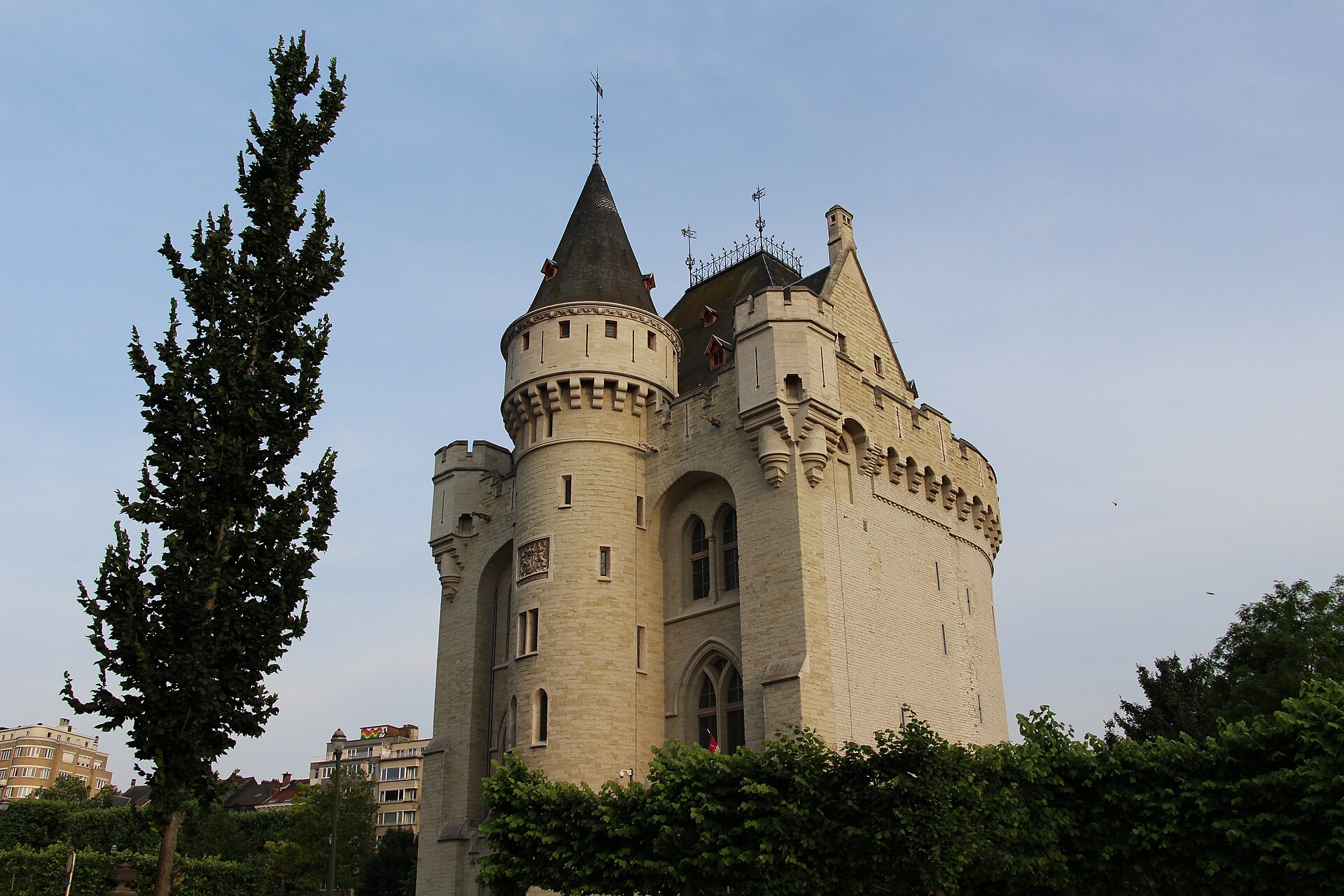
The only surviving gate of Brussels’ 14th-century second city wall, the Porte de Hal is a striking medieval tower that now houses a museum of medieval Brussels. The permanent exhibition covers the city’s medieval history, fortifications, and daily life. The rooftop terrace offers panoramic views across the southern city. It is one of Brussels’ most atmospheric lesser-known attractions and a reminder of the city’s medieval past.
Hours: Monday–Thursday 9:30am–5pm, weekends and public holidays 10am–5pm; closed Fridays. Tickets: Adults €7, free on the first Wednesday of the month from 1pm.
How to See It All: Practical Tips
The Brussels Card
If you plan to visit multiple museums, the Brussels Card (available for 24, 48, or 72 hours) provides free entry to over 40 museums plus discounts on other attractions, restaurants, and shops. For museum-intensive itineraries, the card pays for itself within two to three visits. An optional public transport add-on covers STIB buses, trams, and metro.
Suggested Priorities by Trip Length
With one day, focus on the Grand Place, Manneken Pis, Galeries Royales, the Cathedral, and one museum (Magritte or Comic Strip Centre). With two days, add the Atomium/Mini-Europe, Belgian Beer World, the Sablon, and a second museum. With three or more days, explore the Horta Museum, Parlamentarium, Train World, and neighbourhood walks in Ixelles and the Marolles. For detailed itineraries, see our Brussels Travel Guide.
Money-Saving Tips
Many top attractions are free: the Grand Place, Manneken Pis, churches and cathedrals, the Parlamentarium, and the House of European History. Several museums offer free entry on the first Wednesday afternoon of each month. Parks, markets, and the comic strip murals walking trail cost nothing. Brussels is one of the most rewarding European capitals for budget travellers who know where to look.
A tourist bus circles most of the sights above, and whether that is useful depends almost entirely on how far apart they are — which, in Brussels, is not very far at all. Our guide to the Brussels hop-on hop-off bus maps the route against walking times and says plainly where the bus saves you effort and where pedestrians overtake it.
Related Brussels Guides
Keep planning with these companion guides:
- Best Instagram & Photography Spots in Brussels — the full guide to best instagram & photography spots in brussels
- The Ultimate Guide to Things to Do in Brussels — the full guide to the ultimate guide to things to do in brussels
- Unique Experiences in Brussels — Beyond the Tourist Trail
Frequently Asked Questions
What is the number one tourist attraction in Brussels?
The Grand Place is unanimously considered Brussels’ top attraction. This UNESCO World Heritage square, surrounded by ornate guild houses and the Gothic City Hall, is one of the most beautiful public spaces in Europe. It is free to visit and serves as the natural starting point for exploring the city.
How many days do you need in Brussels?
Two to three days is ideal for seeing the main attractions. One day allows you to cover the city centre highlights (Grand Place, Manneken Pis, Galeries Royales, one museum), while three days lets you explore further-flung attractions like the Atomium, neighbourhood walks, and multiple museums.
Is Brussels worth visiting?
Absolutely. Brussels offers a remarkable concentration of art, architecture, history, and culinary excellence within a compact, walkable centre. The combination of the Grand Place, world-class museums, Art Nouveau architecture, incredible food and beer, and the energy of a major international capital makes it one of Europe’s most rewarding cities.
What is the best free attraction in Brussels?
The Grand Place is free and spectacular, but the Parlamentarium (European Parliament visitor centre) deserves special mention — it is one of the most well-designed free museums in any European capital. The Cathedral of Saints Michael and Gudula, parks, and the Royal Palace (in summer) are also free.
Is the Brussels Card worth it?
It depends on which museums you plan to see. The Brussels Card costs €41 for 24 hours, €53 for 48 hours or €59 for 72 hours and covers entry to over 40 museums, with transport extra. Add up your planned museum admissions before purchasing — for visitors focused on free attractions and outdoor sightseeing, it may not be necessary.
Photo Credits
-
Manneken Pis in its fountain niche: Bruxelles – Manneken Pis by Fred Romero from Paris, France, CC BY 2.0, via Wikimedia Commons.
-
Notre-Dame du Sablon: 20110712 bruxelles004 by Jean Housen, CC BY-SA 3.0, via Wikimedia Commons.
-
The Halles Saint-Gery exterior: 2009-05-10 in Brussels 15 by Szilas, CC BY-SA 4.0, via Wikimedia Commons.
-
Porte de Hal in Brussels: Bruxelles – Porte de Hal (23484048631) by Fred Romero from Paris, France, CC BY 2.0, via Wikimedia Commons.