Why Brussels Deserves a Spot on Your Travel List
Brussels sits at the crossroads of Europe — literally and figuratively. As the de facto capital of the European Union and the heart of Belgium, this compact city packs an extraordinary amount into a small area. You can walk from the medieval splendour of the Grand Place to the gleaming glass towers of the European Quarter in under 30 minutes, passing Art Nouveau facades, quirky comic-strip murals, and the unmistakable aroma of fresh Belgian waffles along the way.
Yet Brussels remains one of Europe’s most underrated destinations. While visitors flock to Paris, Amsterdam, and Barcelona, Brussels offers the same calibre of world-class museums, extraordinary food, and rich history — without the overwhelming crowds or eye-watering prices. This comprehensive Brussels travel guide covers everything you need to plan the perfect trip: when to visit, how to get there, where to stay, what to budget, and dozens of insider tips that will help you experience the city like a local rather than a tourist.
Whether you are using this Brussels travel guide to plan a quick weekend break, a longer cultural immersion, or using Brussels as a base to explore Belgium and beyond, this Brussels travel guide gives you the practical information and honest advice you need to make the most of every moment.
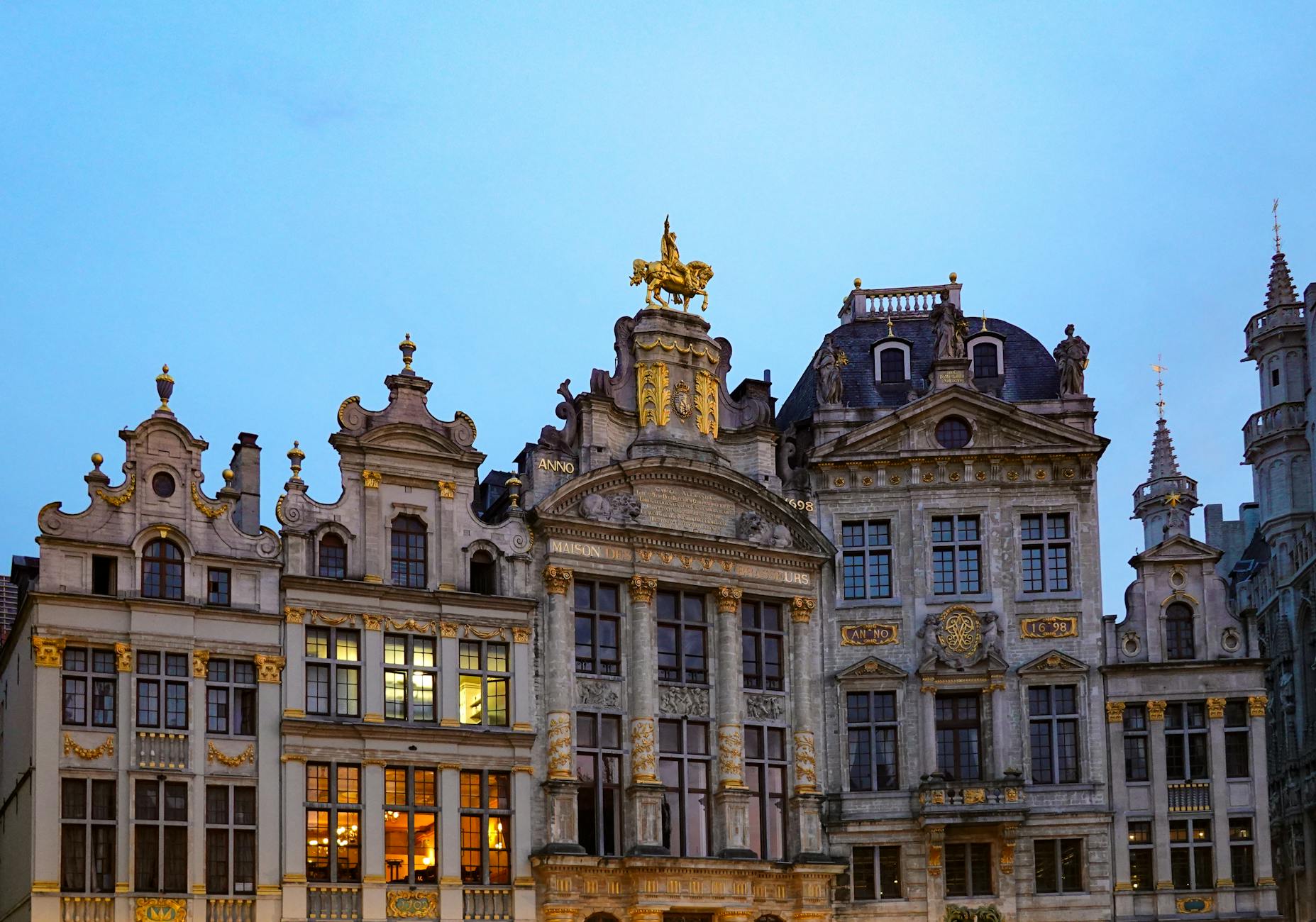
Best Time to Visit Brussels: A Month-by-Month Breakdown
Brussels has a temperate maritime climate, which means mild summers, cool winters, and the ever-present possibility of rain at any time of year. Understanding the seasonal rhythms helps you choose the best window for your interests and budget.
Spring (March–May): The Sweet Spot
Spring is widely considered the best time to visit Brussels. Temperatures climb from around 8°C (46°F) in March to a pleasant 17°C (63°F) by May, and the city’s parks burst into bloom — the Bois de la Cambre and Parc du Cinquantenaire are particularly stunning. The Royal Greenhouses of Laeken, normally closed to the public, open for just three weeks in late April to early May, offering a rare glimpse of King Leopold II’s spectacular glass conservatories. Tourist crowds remain manageable, hotel prices sit below peak levels, and outdoor terrace culture starts to come alive.
Summer (June–August): Festival Season
Summer brings the warmest weather, with average highs around 22°C (72°F) in July — though temperatures occasionally climb above 30°C during heatwaves. This is Brussels’ festival season: the Ommegang historical pageant in July, Brussels Summer Festival for live music, and the famous Flower Carpet on the Grand Place every two years in mid-August (even years; after the 13–16 August 2026 carpet, the next is due in August 2028). The downside is higher accommodation prices (30–40% above winter rates) and more competition for restaurant tables. Book well in advance if visiting in July or August.
Autumn (September–November): Cultural Renaissance
September is arguably the best single month to visit. Summer warmth lingers (averaging 18°C), tourist numbers drop significantly, and the cultural season kicks into high gear with exhibition openings, theatre premieres, and the Brussels Design September festival. October brings beautiful autumn foliage in the Forêt de Soignes and cooler temperatures around 13°C. By November, the city shifts into cozy indoor mode, with shorter days and temperatures around 7°C — but also the start of the magical Christmas markets and Winter Wonders festival.
Winter (December–February): Christmas Markets and Cozy Bars
Brussels winters are cold but rarely extreme, with average temperatures between 1°C and 6°C. Snow is possible but uncommon. The real draw is Winter Wonders (Plaisirs d’Hiver), one of Europe’s finest Christmas markets, which transforms the city centre from late November through early January with an ice rink, light shows, and over 200 chalets selling crafts, food, and mulled wine. January and February are the quietest months for tourism, meaning rock-bottom hotel prices and no queues at museums. The trade-off is short days (sunset around 5pm) and grey skies.
Quick Comparison Table
| Season | Average Temp | Rainfall | Crowds | Hotel Prices | Best For |
|---|---|---|---|---|---|
| Spring (Mar–May) | 8–17°C | Moderate | Low–Medium | €€ | Sightseeing, parks, Royal Greenhouses |
| Summer (Jun–Aug) | 16–22°C | Moderate | High | €€€ | Festivals, outdoor dining, day trips |
| Autumn (Sep–Nov) | 7–18°C | Higher | Low–Medium | €€ | Culture, autumn foliage, fewer crowds |
| Winter (Dec–Feb) | 1–6°C | Moderate | Low (high Dec) | € | Christmas markets, budget travel, cozy bars |
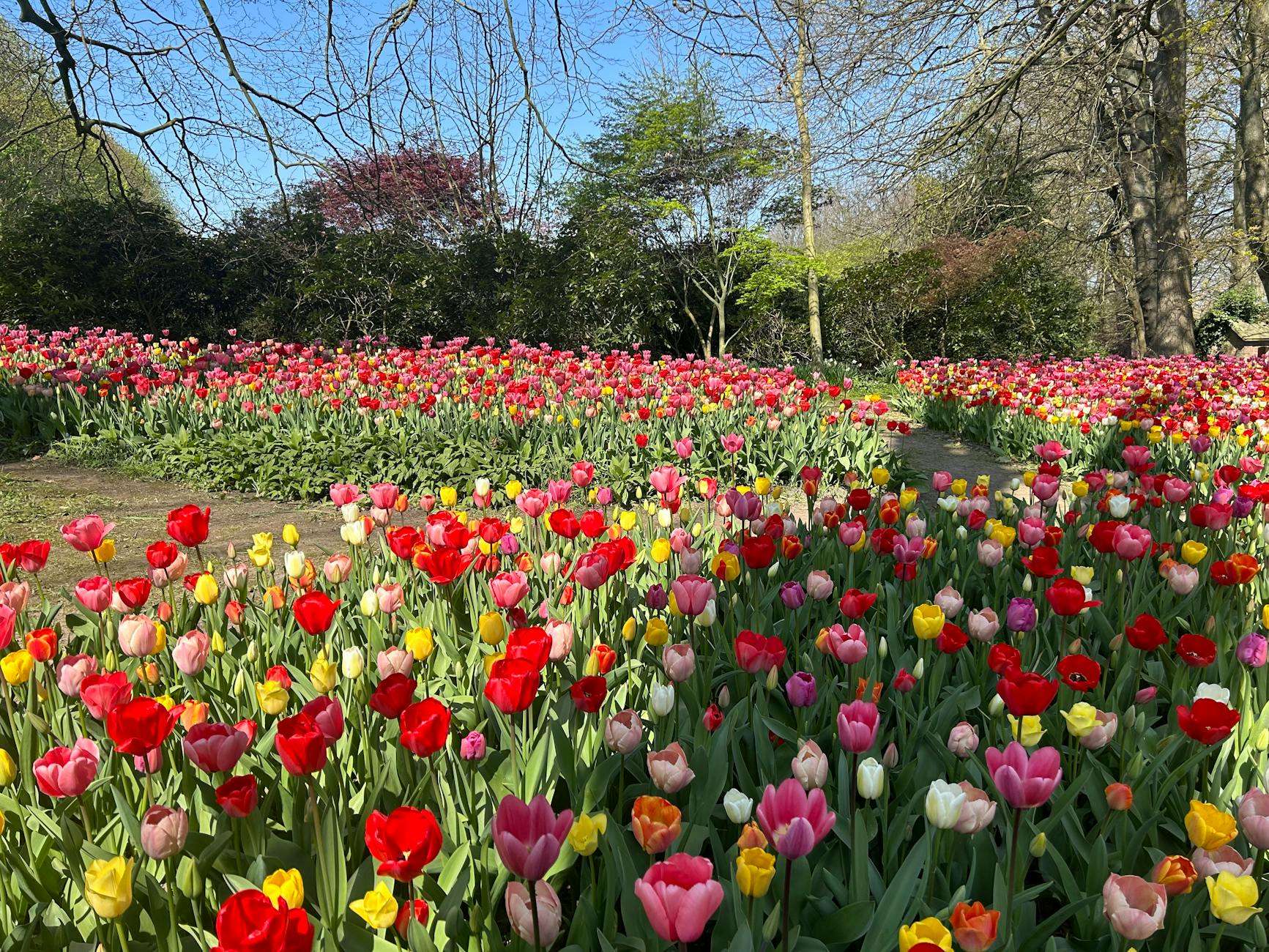
How to Get to Brussels
By Air: Two Airports to Know About
Brussels Airport (BRU/Zaventem) is the main international airport, located 12 kilometres northeast of the city centre. It handles most full-service carriers including Brussels Airlines, Lufthansa, British Airways, and long-haul flights from North America, Africa, and Asia. Getting into the city is straightforward:
- Train: The fastest option. Direct trains to Brussels-Central take about 18 minutes, with six trains an hour from early morning until around midnight. The fare includes the €6.90 Brussels Airport supplement. Follow signs to “Train Station” in the arrivals hall — it is located one level below.
- Bus: STIB bus line 12 connects the airport to Schuman and Luxembourg stations. A ticket costs €7.90 and the journey takes 30–40 minutes depending on traffic.
- Taxi: A metered taxi ride to the city centre averages about €50 and takes 20–35 minutes. Only use taxis from the official rank outside the arrivals hall.
- Ride-sharing: Uber operates in Brussels. Expect similar prices to taxis but check surge pricing during peak hours.
Brussels South Charleroi Airport (CRL) is actually located 46 kilometres south of Brussels and primarily serves budget airlines like Ryanair and Wizz Air. Despite the name, it is not in Brussels. A shuttle bus to Brussels-Midi station takes approximately 55 minutes and costs around €17 one-way (€31 return). Book online in advance for a small discount. Alternatively, take a local bus to Charleroi station and then a train to Brussels, which is cheaper but takes longer.
By Train: The European Hub
Brussels is one of Europe’s best-connected cities by rail. Brussels-Midi (Bruxelles-Midi/Brussel-Zuid) is the international hub:
- Eurostar: London St Pancras to Brussels-Midi in approximately 2 hours. Book early for fares from €44 one-way, subject to availability.
- Eurostar from Paris: Paris Gare du Nord to Brussels-Midi in 1 hour 22 minutes. Early-bird fares from approximately €29.
- ICE: Cologne to Brussels in under 2 hours, Frankfurt in about 3 hours.
- IC Direct: Amsterdam Centraal to Brussels-Midi in approximately 1 hour 50 minutes.
Domestic trains connect Brussels to Bruges (1 hour), Ghent (about 35 minutes), Antwerp (45 minutes), and other Belgian cities at very reasonable prices. Since SNCB’s 2025 fare overhaul every ticket is priced by distance, and no second-class single inside Belgium costs more than about €21. Adults aged 26–64 get 30% off at weekends, and under-26s and over-65s get 40% off at any time; our Belgium by train guide explains the fares and discounts.
By Car
Brussels sits at the junction of several major European motorways, making it easy to reach by car from neighbouring countries. However, driving in Brussels itself is not recommended for tourists — the city has a confusing one-way system, limited parking, and a low-emission zone (LEZ) that bars older vehicles: since 1 January 2026 the minimum is Euro 6 diesel or Euro 3 petrol. Foreign-registered cars (Dutch ones excepted) must be registered for free at lez.brussels, before entering or within five days, and a €350 fine can follow from three months after a first-offence warning. A day pass costs €35. If you do drive, park at a Park & Ride facility on the outskirts and take the metro in.
By Bus
Long-distance coaches operated by FlixBus and BlaBlaBus connect Brussels to dozens of European cities. The main bus terminal is at Brussels-Nord station. While slower than trains, coach travel can be significantly cheaper — FlixBus fares from Paris start at around €10.
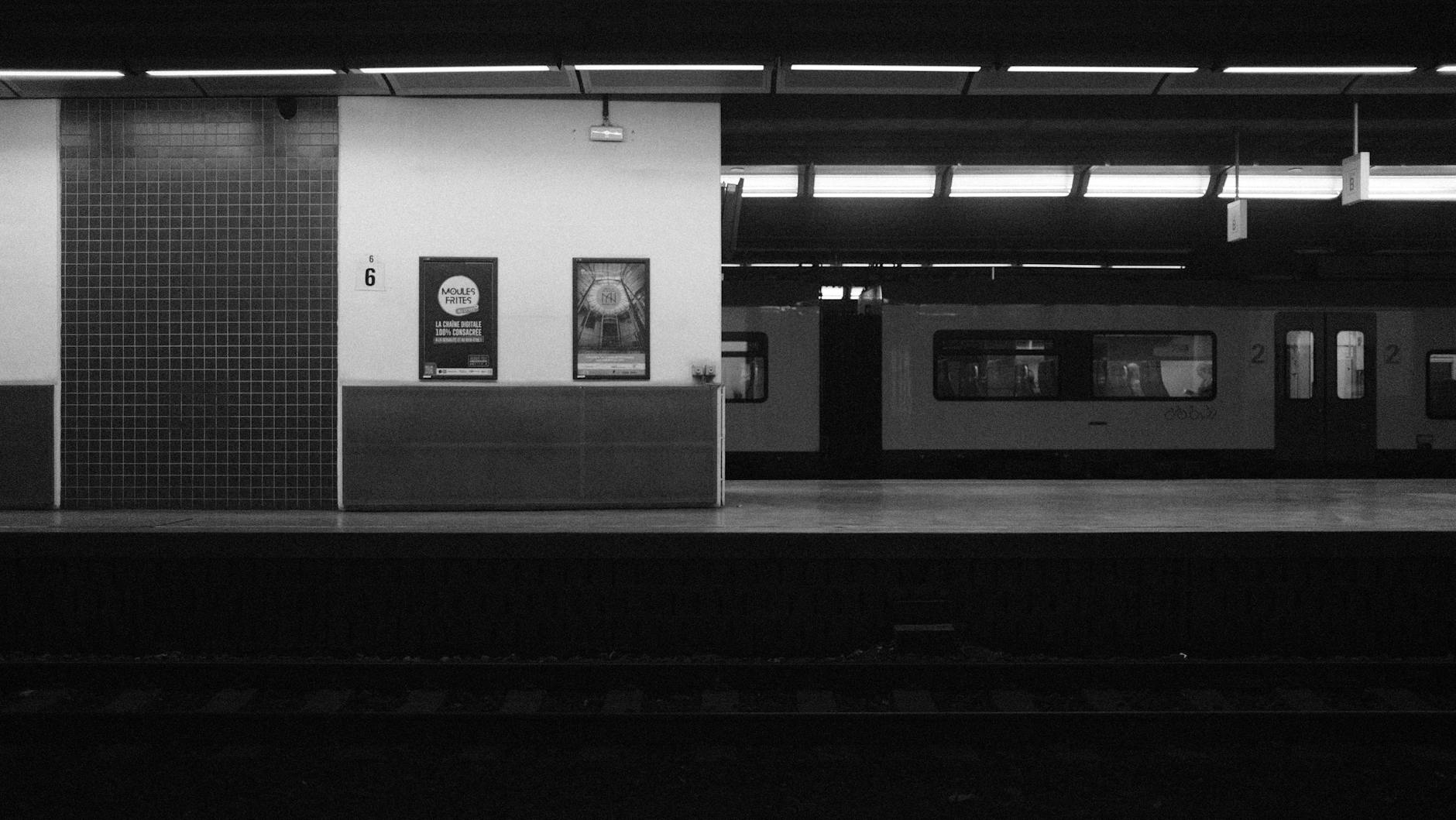
Getting Around Brussels
On Foot
Brussels’ historic centre is remarkably compact and best explored on foot. The Grand Place, Manneken Pis, the Sablon neighbourhood, and most major museums are all within comfortable walking distance of each other. A walk from the Grand Place to the European Parliament takes about 25–30 minutes. Wear comfortable, waterproof shoes — Brussels’ cobblestone streets can be uneven, and rain can arrive without warning.
Public Transport (STIB/MIVB)
Brussels has an efficient public transport network operated by STIB (Société des Transports Intercommunaux de Bruxelles), consisting of metro lines, trams, and buses. Key details:
- Tickets: A single journey costs €2.40 by contactless bank card or phone, or €2.90 on a paper ticket. A paper 1-day ticket costs €9 and offers unlimited travel on all STIB services — excellent value if you plan to make more than three trips.
- Metro: Four lines (1, 2, 5, 6) cover the main tourist areas. Line 1 connects the Atomium to the European Quarter via the city centre. Service runs from approximately 5:30am to midnight.
- Trams: An extensive network that reaches areas the metro does not. Tram 44 to Tervuren and the Africa Museum is a scenic ride through the Forêt de Soignes.
- Buses: Fill the gaps between metro and tram coverage. Night buses (Noctis) run on Friday and Saturday nights along 11 routes from midnight to 3am.
Cycling
Brussels has been investing heavily in cycling infrastructure. Villo! is the city’s bike-sharing scheme. A 24-hour ticket costs €1.50, with the first 30 minutes of each ride free. Electric scooters from Lime, Dott, and Bolt are also widely available. Be aware that Brussels is hillier than it looks — the upper town (around the Royal Palace) sits significantly higher than the lower town (Grand Place area).
Taxis and Ride-Sharing
Brussels taxis are metered with a €2.60 pick-up charge, then €2.30 per kilometre and €0.60 a minute, and an €8 minimum fare. A typical cross-city ride costs €10–15. Uber is available but prices are similar to regular taxis. Always check that the meter is running and the driver uses the official route.
The Brussels Card
The Brussels Card is worth considering if you are a museum enthusiast. Available in 24-hour (€41), 48-hour (€53), and 72-hour (€59) versions, it provides free entry to 49+ museums, discounts at select shops and restaurants, and an optional public transport add-on. The card pays for itself after visiting just three or four major museums in a day.
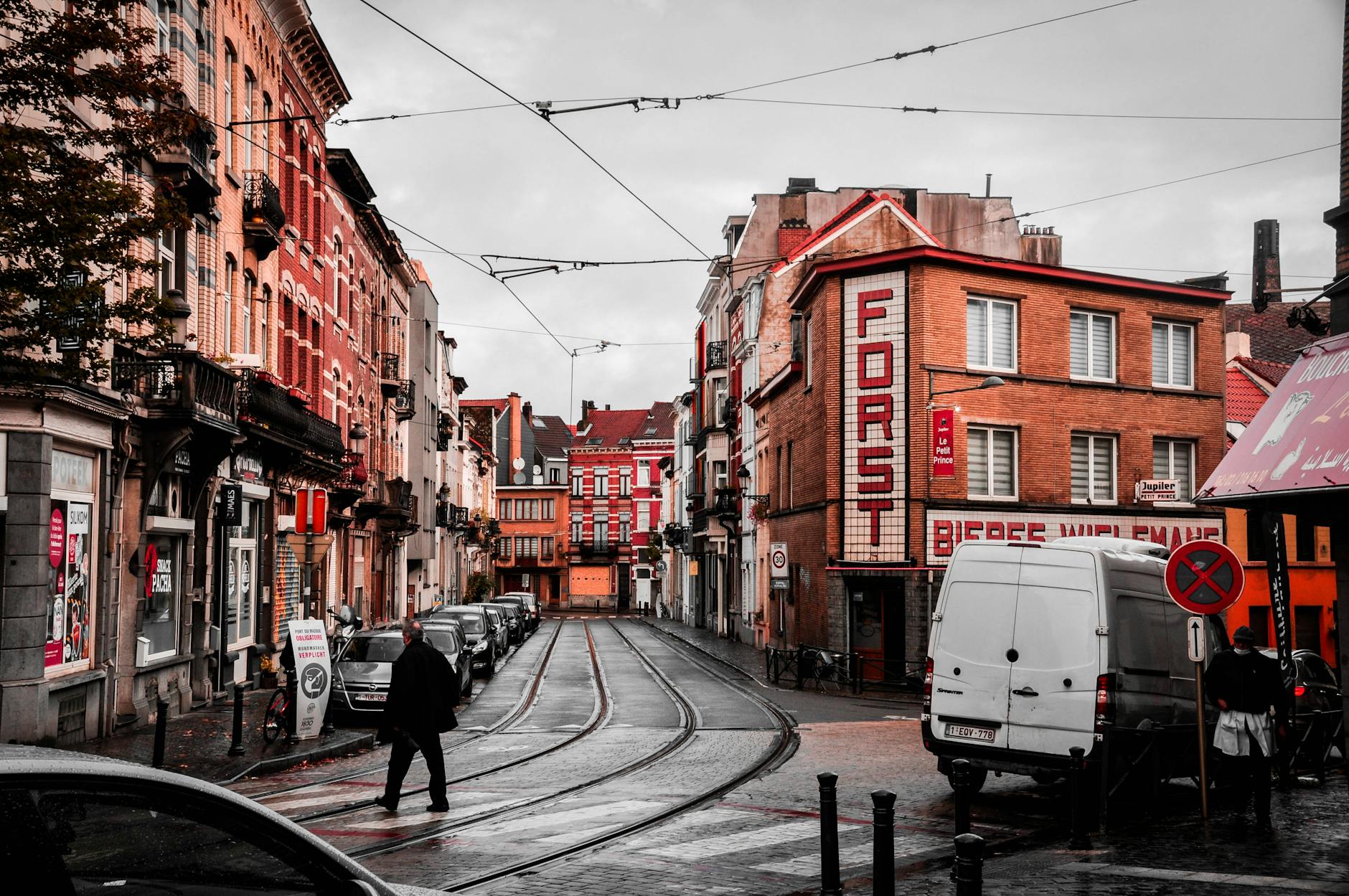
Where to Stay in Brussels: Neighbourhood Guide
Brussels’ accommodation ranges from budget hostels to five-star luxury, with prices that are significantly lower than Paris, London, or Amsterdam. Location matters: staying in the right neighbourhood puts you within walking distance of the things you most want to see. For a detailed breakdown of every district, see our Brussels Neighbourhoods Guide. For full accommodation advice, check our Where to Stay in Brussels guide. Here is a quick overview of the best areas for different types of travellers.
Grand Place / City Centre
The most central location, steps from the Grand Place, Manneken Pis, and major shopping streets. Ideal for first-time visitors who want to see the highlights on foot. Expect to pay €120–200 per night for a mid-range hotel. The area can be noisy at night, especially on weekends.
Sainte-Catherine / Dansaert
Just northwest of the Grand Place, this is Brussels’ trendiest district with excellent seafood restaurants (the old fish market), independent boutiques, and a lively bar scene. A great choice for food lovers and those who want a slightly more local feel. Mid-range hotels run €100–160 per night.
Sablon / Marolles
The Sablon is Brussels’ most elegant neighbourhood, known for antique shops, chocolate boutiques, and upscale restaurants. The adjacent Marolles quarter is grittier and more bohemian, home to the famous Jeu de Balle flea market. Hotels in the Sablon tend to be boutique and pricier (€150–250), while the Marolles offers more affordable options.
European Quarter / Schuman
Dominated by EU institutions, this area empties on weekends but offers good-value hotels during them (many cater to weekday business travellers). The Parc du Cinquantenaire is nearby, and you are well-connected by metro. Expect €80–140 per night at weekends.
Ixelles / Louise
A vibrant, multicultural neighbourhood popular with students, expats, and young professionals. Avenue Louise offers high-end shopping, while the Matongé quarter has fantastic African restaurants. Flagey square buzzes with café culture. Hotels run €90–170, with excellent value for the atmosphere.
Saint-Gilles
An up-and-coming area south of the centre, beloved by artists and creatives. Beautiful Art Nouveau architecture, the outstanding Horta Museum, and Parvis de Saint-Gilles — one of Brussels’ most photogenic squares. Accommodation is a mix of B&Bs and boutique guesthouses, typically €80–130 per night.
Budget Accommodation Tips
Hostels like 2GO4, MEININGER, and Jacques Brel offer dorm beds from €25–35 per night and private rooms from €60–80. Brussels also has a growing number of excellent apart-hotels and apartment rentals that are particularly good value for families or groups staying more than two nights. Booking.com and Airbnb both have strong coverage in Brussels. For the best deals, book 4–6 weeks in advance and travel during January, February, or November.
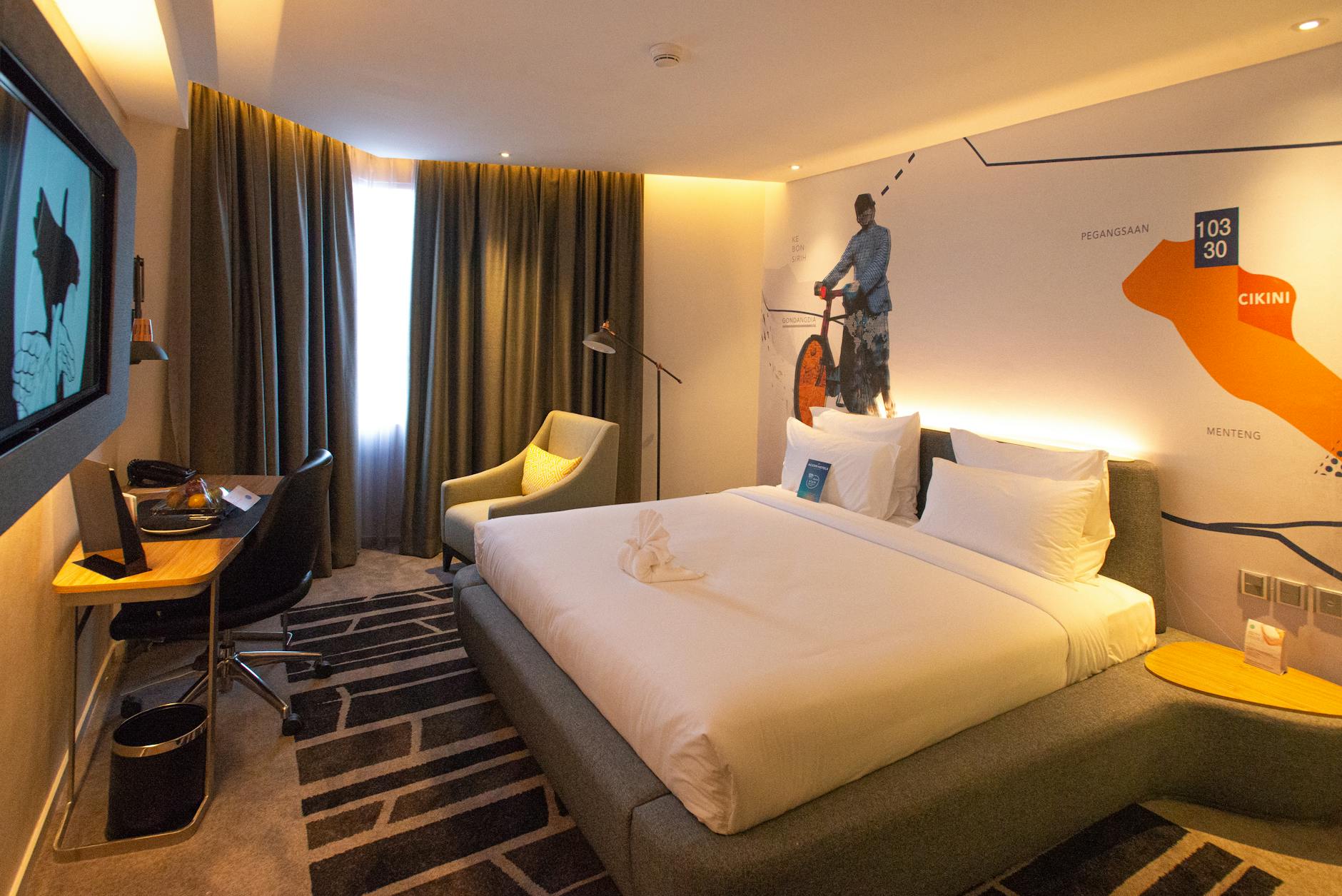
Brussels Travel Budget: What Everything Costs
Brussels is a mid-range European capital — cheaper than London, Paris, and Amsterdam, but more expensive than Eastern European cities. Here is a realistic breakdown of daily costs in 2025/2026.
Budget Traveller (€65–90 per day)
- Accommodation: Hostel dorm bed €25–35, or budget hotel room €50–70
- Food: Supermarket breakfast €3–5, lunch from a friterie or sandwich shop €5–8, budget dinner €12–18
- Transport: contactless STIB, capped at €8.50 a day, or walk everywhere
- Activities: Free walking tour (tip €5–10), free museums on first Sundays, parks and street art
Mid-Range Traveller (€130–200 per day)
- Accommodation: 3-star hotel or apart-hotel €90–150
- Food: Café breakfast €8–12, restaurant lunch (plat du jour) €14–20, dinner with beer €25–40
- Transport: Mix of walking, public transport (€8.50/day contactless cap), and occasional taxi (€10–15)
- Activities: 2–3 museum entries (€8–15 each), guided food tour (€60–80), Brussels Card optional
Luxury Traveller (€350+ per day)
- Accommodation: 4–5 star hotel €200–400+
- Food: Hotel breakfast included or brunch at a top spot €20–30, Michelin-starred lunch €50–80, fine dining dinner €100–200+
- Transport: Private transfers, taxis throughout
- Activities: Private guided tours, exclusive experiences, spa visits
Tipping in Brussels
Belgium does not have a strong tipping culture — service is typically included in restaurant bills. However, rounding up the bill or leaving 5–10% for excellent service is appreciated. Tipping is not expected in cafés, bars, or taxis, though you can round up to the nearest euro.
Money-Saving Tips
Download the STIB app for the cheapest transport tickets. Eat your main meal at lunch, when most restaurants offer a plat du jour (dish of the day) at 30–40% less than dinner prices. Visit museums on the first Sunday of the month for free entry. Fill your water bottle at public drinking fountains — Brussels has excellent tap water. Many churches and cultural buildings are free to enter and architecturally stunning.
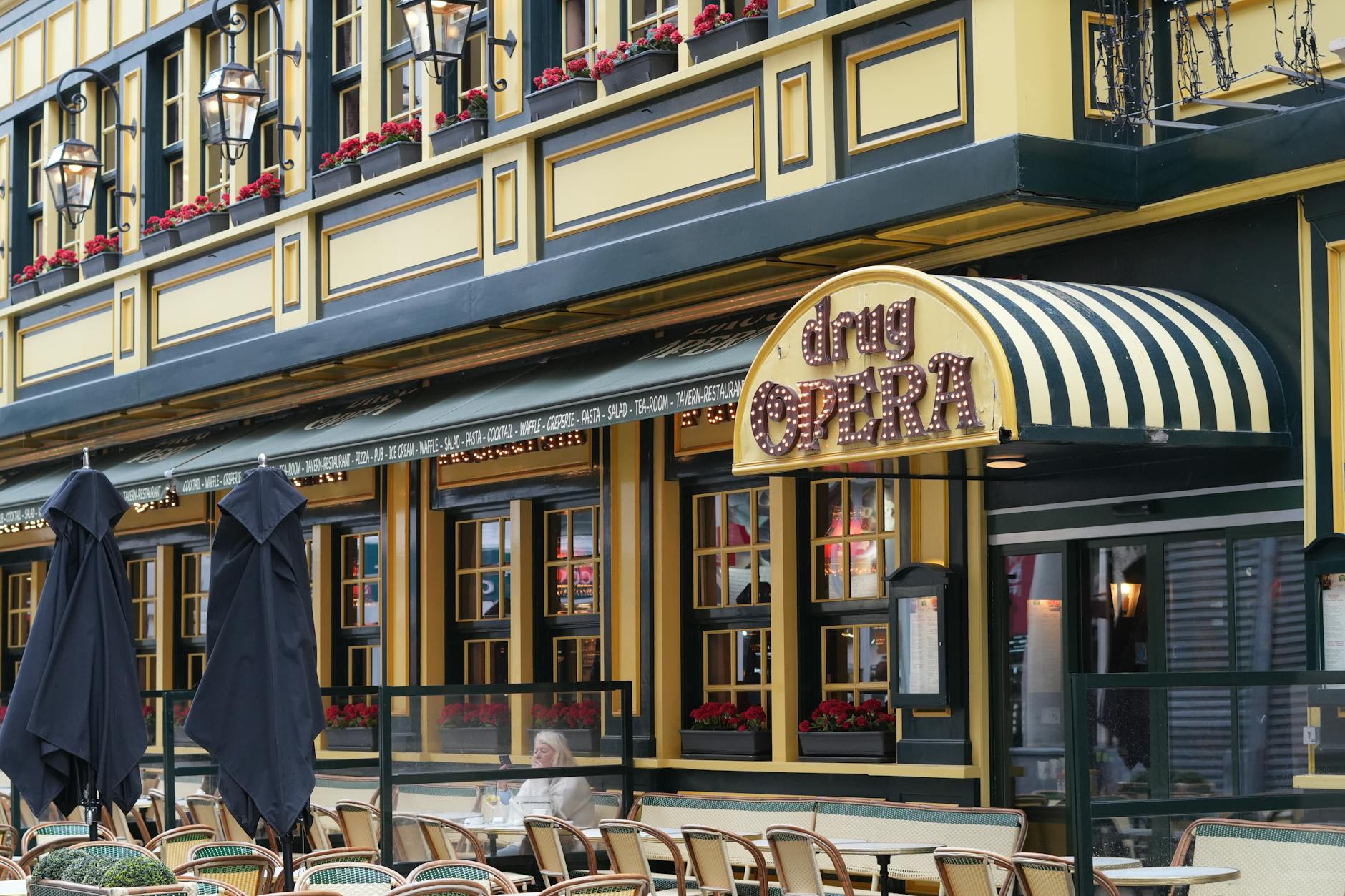
Visa, Entry Requirements, and Travel Documents
Belgium is a member of the Schengen Area, which means entry requirements depend on your nationality.
EU/EEA/Swiss Citizens
If you hold a passport or national ID card from an EU, EEA, or Swiss country, you can enter Belgium freely with no visa required. There is no limit on the length of your stay, and you can work without a permit.
Visa-Exempt Countries
Citizens of around 60 countries — including the United States, Canada, United Kingdom, Australia, New Zealand, Japan, South Korea, and Brazil — can enter Belgium without a visa for stays of up to 90 days within any 180-day period. You will need a passport that is valid for at least three months beyond your planned departure date from the Schengen Area and was issued within the last ten years.
ETIAS (Not Yet Running)
The European Travel Information and Authorisation System (ETIAS) is not running yet and has no start date: the EU says it will announce the date several months before launch, on its official ETIAS site (travel-europe.europa.eu). Once operational, citizens of visa-exempt countries will need to apply for an ETIAS authorisation online before travelling to any Schengen country, including Belgium. The application will be made online, and the fee and validity will be set out on the official ETIAS site once it opens. Separately, the EU’s Entry/Exit System (EES), which registers non-EU travellers at the external Schengen border, has been fully operational at all external borders since 10 April 2026.
Schengen Visa
Travellers from countries that are not visa-exempt must apply for a Schengen short-stay visa (Type C) at the Belgian embassy or consulate in their home country. Applications should be submitted 3–6 months before travel. Required documents typically include a completed application form, passport photos, travel insurance with minimum €30,000 coverage, proof of accommodation, flight itinerary, and evidence of sufficient financial means (approximately €95 per day).
Travel Insurance
While not mandatory for visa-exempt travellers, travel insurance is strongly recommended. Belgium has an excellent healthcare system, but medical treatment for non-EU visitors can be expensive without insurance. EU citizens should carry a European Health Insurance Card (EHIC) or its replacement, the Global Health Insurance Card (GHIC). Non-EU visitors should purchase comprehensive travel insurance that includes at least €30,000 in medical coverage, emergency repatriation, trip cancellation, and baggage protection.
Customs and Duty-Free
If arriving from outside the EU, you can bring in up to 200 cigarettes, 1 litre of spirits, and goods up to a value of €300 (€430 if arriving by air) without paying customs duty. There are no customs checks between EU countries. If carrying more than €10,000 in cash, you must declare it at customs.
Health, Safety, and Practical Information
Is Brussels Safe?
Brussels is generally a safe city for tourists, with most visits being completely trouble-free. The primary safety concern is petty theft — pickpocketing in crowded tourist areas and on public transport. Exercise particular caution around the Grand Place, Manneken Pis, Gare du Midi, Gare du Nord, and the Rue Neuve shopping street. Keep valuables in a zipped inner pocket or crossbody bag, avoid displaying expensive jewellery or electronics unnecessarily, and remain alert in metro stations.
The area around Gare du Midi can feel uncomfortable, particularly late at night. Arrive knowing your onward route rather than lingering outside the station. The neighbourhoods of Molenbeek, Anneessens, and parts of Schaerbeek should be navigated with awareness after dark, though they are generally safe during the day.
Common Scams to Avoid
- Petition/charity scam: Groups approach tourists asking for signatures on petitions, then demand money. Politely decline and walk away.
- Friendship bracelet scam: Someone ties a bracelet on your wrist and demands payment. Keep your hands in your pockets if approached.
- Taxi overcharging: Always insist on the meter and verify the route on your phone. The fare from Gare du Midi to the Grand Place should not exceed €10–12.
- Shell game: The three-cup trick is occasionally set up near tourist areas. The game is always rigged — walk past.
Emergency Numbers
- General emergency: 112 (works across all EU countries)
- Police: 101
- Fire/ambulance: 100
- Tourist police: Located at Rue du Marché au Charbon 30 (near the Grand Place)
Healthcare
Belgium has one of Europe’s best healthcare systems. Pharmacies (look for the green cross sign) are widely available and pharmacists can advise on minor ailments and sell medications. For non-emergency medical care, the Brussels-based English-speaking doctors network can help locate English-speaking GPs. Hospital emergency departments (urgences/spoedgevallen) are open 24/7 — the main hospitals are Erasme (Anderlecht), Saint-Luc (Woluwe), and Brugmann (Laeken).
Internet and Connectivity
Free WiFi is available across Brussels through the wifi.brussels network, which covers public squares, major roads, all STIB metro stations, and many museums. Simply connect and register once — your device will be recognised automatically on subsequent visits. EU residents benefit from free roaming under EU regulations. Non-EU visitors can purchase a Belgian prepaid SIM card from Proximus, Orange, or BASE for approximately €10–15, which includes data valid across the EU. Most cafés, restaurants, and hotels also offer free WiFi.
Language
Brussels is officially bilingual: French and Dutch. In practice, approximately 85% of Brussels residents speak French as their primary language, and you will find French far more useful in daily interactions. However, all official signage is in both languages, which can be confusing — Brussels-Central is also Brussel-Centraal, and street names appear in both French and Flemish. English is widely spoken, especially in tourist areas, hotels, and restaurants. Learning a few French phrases (bonjour, merci, s’il vous plaît, l’addition) will be warmly appreciated.
Electricity and Plugs
Belgium uses Type E plugs (two round pins with a grounding hole) and runs on 230V, 50Hz. UK and US travellers will need a plug adapter. These are available at Brussels Airport, electronics stores, and many hotels (ask at reception).
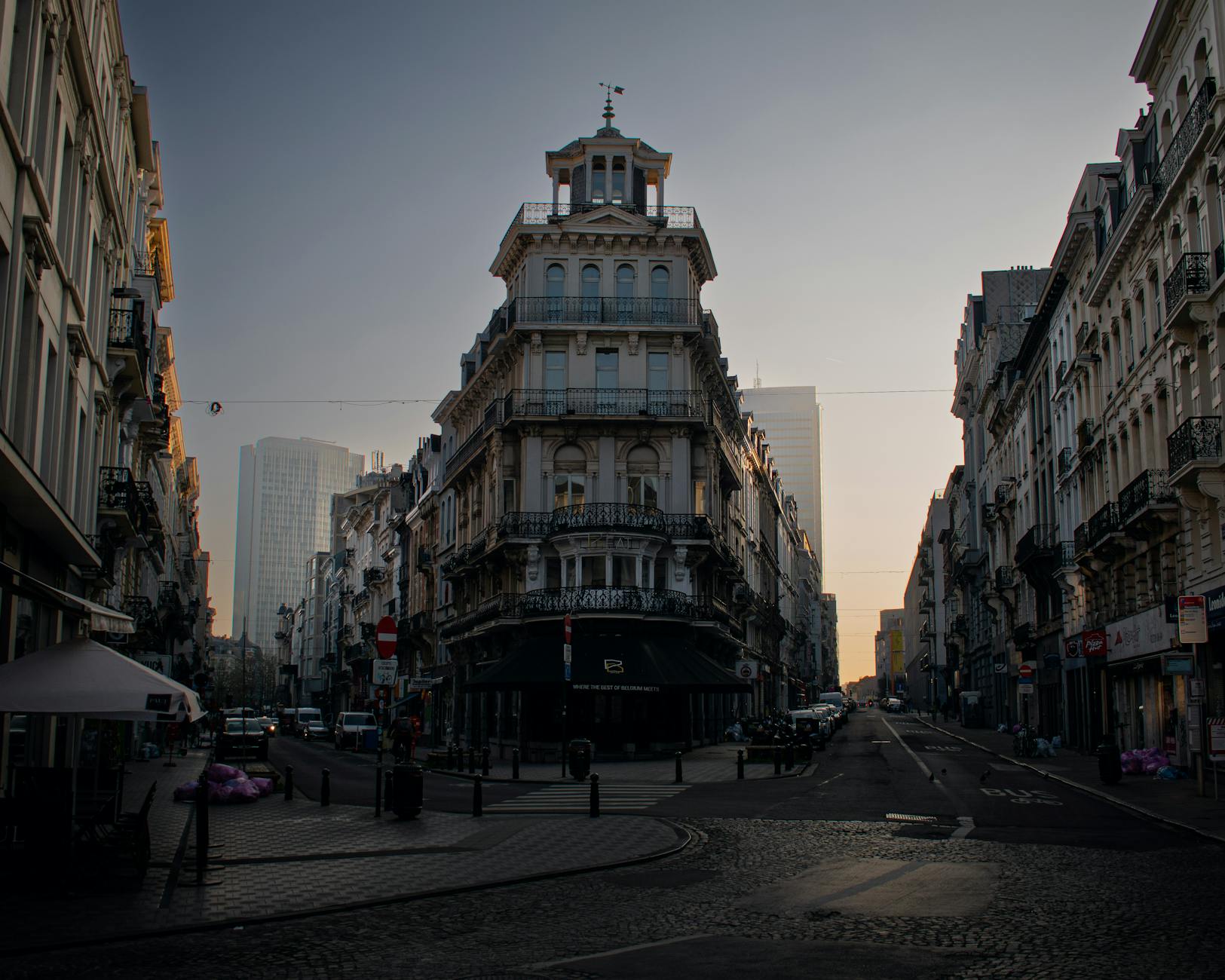
What to Pack for Brussels
The golden rule for Brussels is layers and waterproofing. The maritime climate means weather can change rapidly — you might experience sunshine, wind, and rain all in the same afternoon.
Year-Round Essentials
- Compact umbrella or packable rain jacket — non-negotiable in any season
- Comfortable waterproof walking shoes — cobblestones are everywhere and puddles form quickly
- Layers — a light jumper or cardigan you can add or remove as the temperature shifts
- Small crossbody bag — keeps valuables secure and accessible
- Universal power adapter — if coming from outside continental Europe
- Reusable water bottle — Brussels tap water is excellent and free refill points are available
Spring/Autumn Additions
A medium-weight jacket or fleece, a scarf for cooler mornings and evenings, and a mix of long-sleeve and short-sleeve tops. Temperatures can swing 10°C between morning and afternoon.
Summer Additions
Light, breathable clothing for daytime (shorts, dresses, t-shirts), plus a light jacket or cardigan for evenings when temperatures drop to around 14°C. Sunglasses and sunscreen are important — the sun can be strong even when the sky looks overcast.
Winter Additions
A warm, wind-resistant coat is essential. The wind chill in Brussels can make 4°C feel like -4°C. Pack thermal layers, a warm hat, gloves, and a thick scarf. Waterproof boots with good grip are important for wet and occasionally icy pavements.
Brussels Itinerary Suggestions
One Day in Brussels: The Highlights
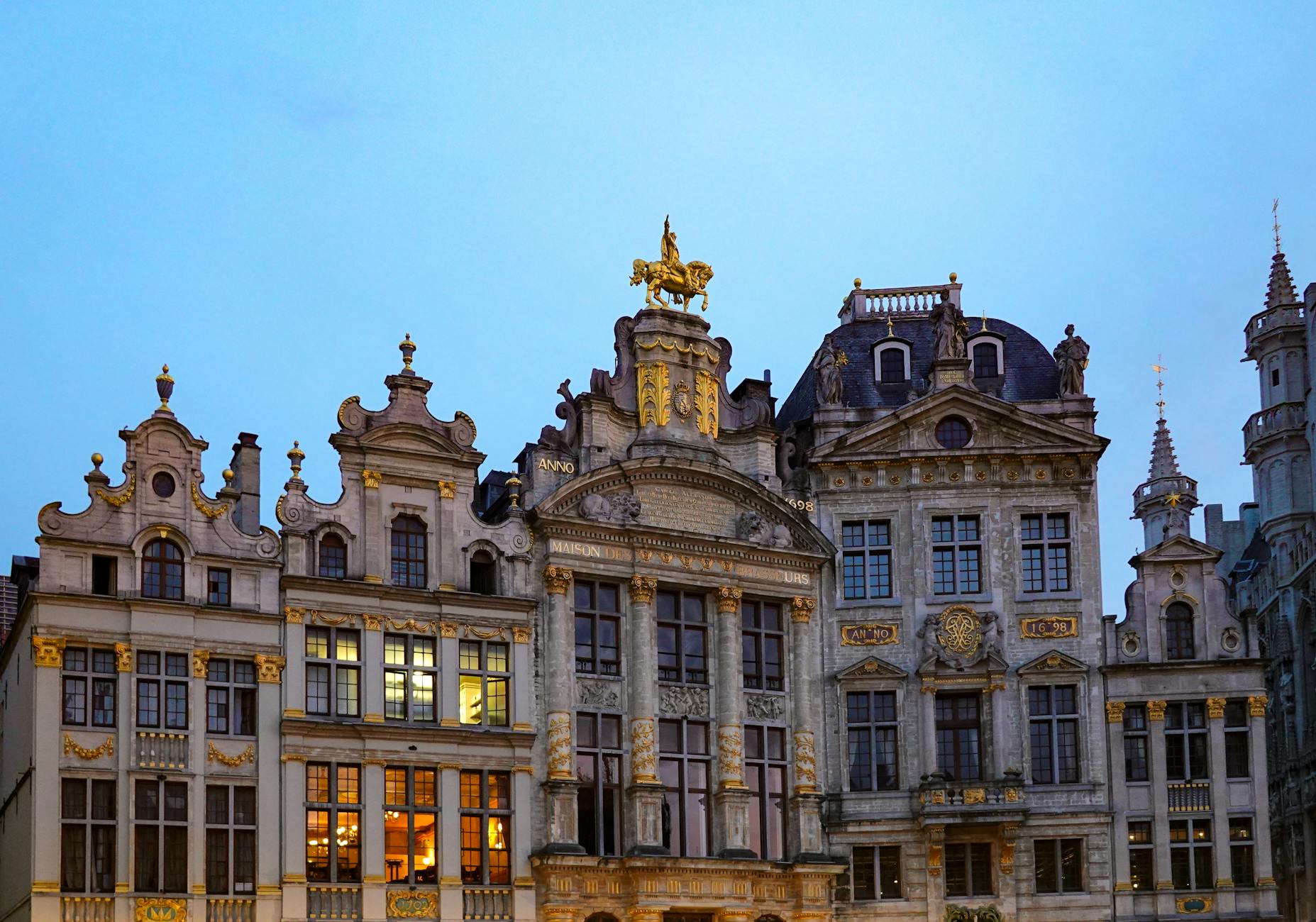
Start at the Grand Place early morning (it is most magical before the crowds arrive) and admire the guild houses and Town Hall. Walk to Manneken Pis, then up through the Galeries Royales Saint-Hubert for a Belgian chocolate tasting. Head to the Sablon for a waffle at Maison Dandoy and visit the Church of Notre-Dame du Sablon. After lunch at a Sainte-Catherine seafood restaurant, take the metro to Schuman to see the European Parliament (free visitor centre), then walk through the Parc du Cinquantenaire. End the day with a Belgian beer at Delirium Café or a traditional Brussels bar. For more ideas, see our Things to Do in Brussels guide.
A Weekend in Brussels (2–3 Days)
Add the Royal Museums of Fine Arts and the Magritte Museum on day two, followed by the Musical Instruments Museum (MIM). Explore the Marolles flea market and Art Nouveau architecture in Saint-Gilles (do not miss the Horta Museum). On day three, visit the Atomium and Mini-Europe, explore Laeken’s green spaces, and end with a food tour through the city centre. See our Brussels Museums Guide for detailed museum planning and our Brussels Food Guide for dining recommendations.
Five Days: Brussels and Day Trips
With five days, spend three in Brussels following the itinerary above, then add two day trips. Bruges (1 hour by train) is a fairy-tale medieval city with canals, Flemish art, and outstanding chocolate shops. Ghent, roughly 35 minutes away by train, offers the stunning Ghent Altarpiece, a vibrant food scene, and a medieval quarter that rivals Bruges with fewer tourists. Other excellent options include Antwerp for fashion and diamonds, the WWI battlefields at Ypres, or the university town of Leuven for beer culture. See our Day Trips from Brussels guide for comprehensive planning information.
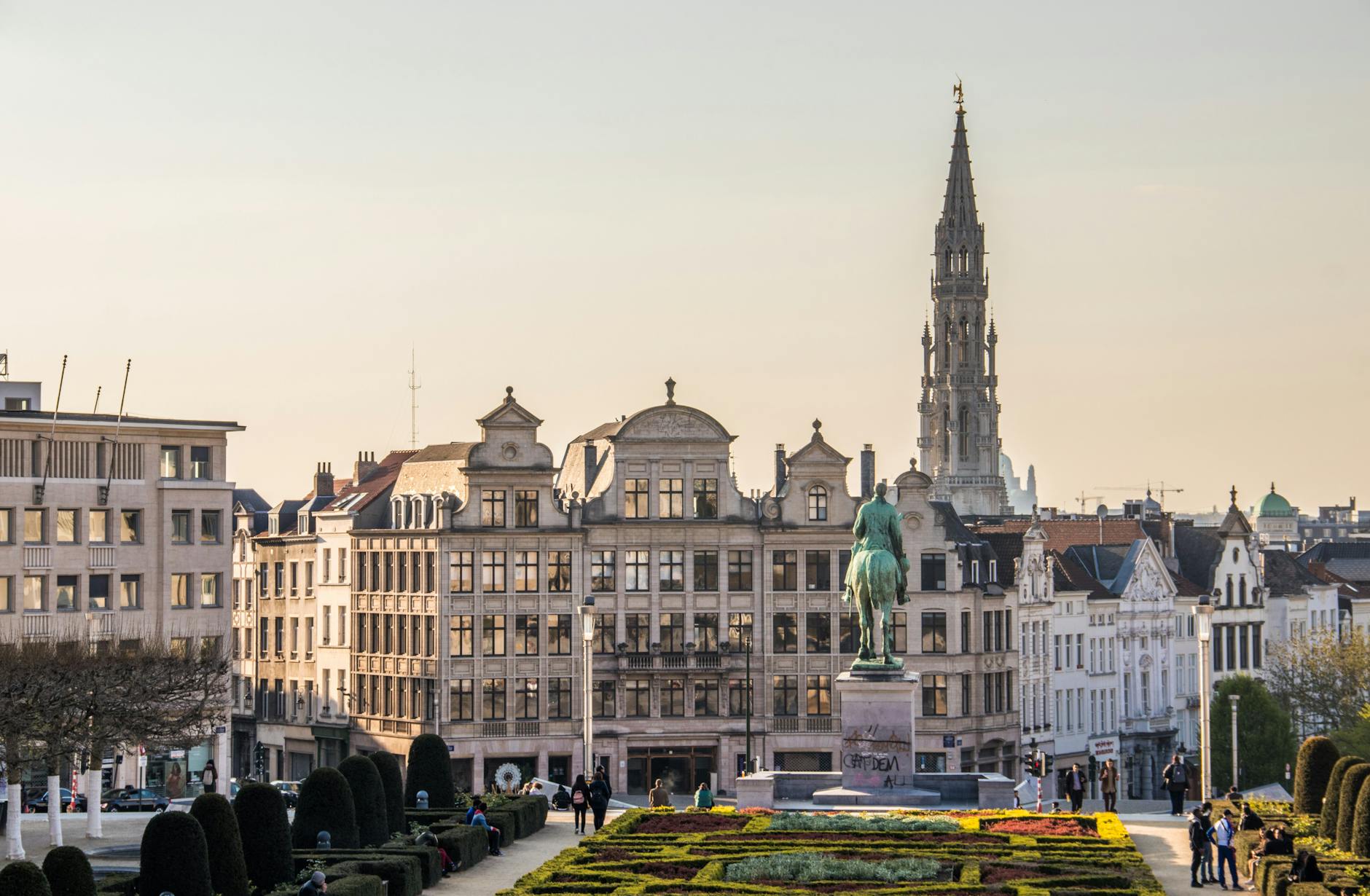
Brussels for Different Travellers
Solo Travellers
Brussels is excellent for solo travel. The compact city centre is walkable and easy to navigate, public transport is straightforward, and the multilingual environment means English speakers will have no communication difficulties. Free walking tours are a great way to meet other travellers. The bar culture — especially the Belgian beer scene — is very welcoming to solo visitors. Hostels like 2GO4 and MEININGER are sociable and well-located. Safety-wise, stick to well-lit areas at night, keep valuables secure, and use the same common-sense precautions you would in any European capital.
Couples
Brussels has a quietly romantic side. Stroll through the Sablon at dusk, share a chocolate tasting at Pierre Marcolini or Laurent Gerbaud, dine at one of the city’s many intimate bistros, and end the evening at a candlelit bar. The Art Nouveau heritage — especially the Horta Museum — makes for a culturally rich date. For a special experience, book dinner at Comme Chez Soi, one of Brussels’ Michelin-starred restaurants.
Families with Children
Brussels is surprisingly family-friendly. The Atomium and Mini-Europe are obvious winners for kids, but do not overlook the Natural Sciences Museum (Europe’s largest dinosaur gallery), the Comic Strip Centre (Tintin and the Smurfs originated in Belgium), and the Autoworld vintage car collection. The Train World museum in Schaerbeek is a hit with transport-obsessed children. Most restaurants are child-friendly, and Belgian frites from a street-side friterie make the perfect kid-approved snack. Parks like the Bois de la Cambre have playgrounds and open spaces. See our Brussels Neighbourhoods Guide for family-friendly area recommendations.
Travellers with Disabilities
Brussels has made significant improvements in accessibility, though challenges remain. The metro system is largely wheelchair-accessible (all stations on lines 2 and 6 have lifts), and newer trams have low-floor boarding. The Grand Place itself is flat and accessible. However, the cobblestone streets in the old town can be difficult for wheelchair users, and many older buildings (including some hotels and restaurants) lack step-free access. The Visit Brussels website has an accessibility section with detailed information about accessible venues and services.
LGBTQ+ Travellers
Belgium was the second country in the world to legalise same-sex marriage (2003), and Brussels is an open and welcoming city for LGBTQ+ travellers. The Rainbow Village around Rue du Marché au Charbon is the heart of the LGBTQ+ scene, with bars like Le Belgica and Chez Maman. Brussels Pride takes place annually in May and is one of Europe’s most vibrant celebrations. Discrimination based on sexual orientation is illegal, and you should feel comfortable being yourself throughout the city.
Essential Brussels Travel Tips
Before You Go
- Book the Royal Greenhouses in advance if visiting in late April or early May — the limited opening window means they fill up fast.
- Download the STIB app for real-time public transport information and the cheapest ticket options.
- Learn the two names for key locations. Brussels-Midi is also Brussel-Zuid. Grand Place is also Grote Markt. This bilingual naming extends to every street, station, and landmark.
- Check if Monday is your museum day — many Brussels museums are closed on Mondays. Plan accordingly.
- Reserve popular restaurants for dinner, especially on Friday and Saturday evenings.
While You Are There
- Start at the Grand Place early — ideally before 9am — to experience it without crowds and in the best light for photography.
- Eat lunch as your main meal — restaurants offer plats du jour and fixed menus at lunch that are 30–40% cheaper than dinner.
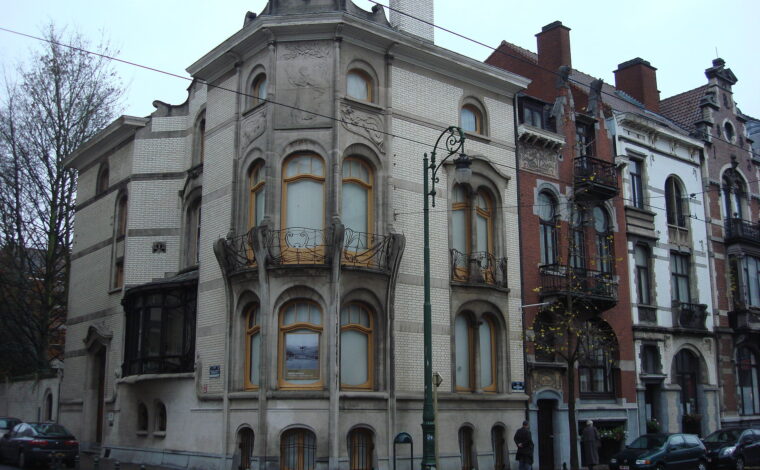
- Look up — Brussels’ architectural heritage is extraordinary, from Art Nouveau facades to comic-strip murals. Some of the best details are above street level.
- Try regional specialties beyond waffles and chocolate: vol-au-vent, stoofvlees/carbonnade flamande (beef stew), croquettes aux crevettes (shrimp croquettes), and waterzooi (creamy chicken or fish stew).
- Avoid tourist-trap restaurants on Rue des Bouchers (the famous “restaurant street” near Grand Place). Locals largely avoid this area — you will find better food and value just a few streets away in Sainte-Catherine or the Sablon.
- Use coin-operated toilets wisely — public toilets in Brussels typically charge €0.50. Carry small change.
Money and Payment
- Belgium uses the Euro (€). ATMs (distributeurs/geldautomaten) are widely available.
- Contactless card payment is accepted almost everywhere, including most market stalls and small shops. However, carry some cash for very small purchases, public toilets, and the occasional market vendor.
- Avoid currency exchange bureaus near tourist areas — they typically offer poor rates. Use your bank’s ATM instead.
Explore Travel Planning in Depth
This guide is the overview. Each link below goes deeper on one part of it:
- Brussels Weather Month by Month — Climate Guide
- How to Get to Brussels — Trains, Flights & Buses Guide
- Brussels Airport Transfer — Train, Taxi & Shuttle Options
- Brussels on a Budget — Money-Saving Tips & Tricks
- How Many Days in Brussels — Trip Length Guide
- 1 Day in Brussels Itinerary — Perfect One-Day Guide
- 2 Days in Brussels Itinerary — Complete Weekend Guide
- 3 Days in Brussels Itinerary — Ultimate Trip Plan
Frequently Asked Questions
How many days do you need in Brussels?
Two to three full days is ideal for a first visit, giving you time to see the main attractions, enjoy the food scene, and explore different neighbourhoods. If you plan to include day trips to Bruges or Ghent, add one or two extra days. Even a single full day allows you to see the highlights if your itinerary is well-planned.
Is Brussels worth visiting, or should I go to Bruges instead?
Both are absolutely worth visiting, and they offer very different experiences. Brussels has more cultural depth — world-class museums, diverse food, vibrant neighbourhoods, and a cosmopolitan energy. Bruges is smaller and more picturesque, ideal for a fairy-tale day trip. The best approach is to base yourself in Brussels and take a day trip to Bruges — you get the best of both worlds.
Is Brussels expensive compared to other European capitals?
Brussels is moderately priced by Western European standards. It is noticeably cheaper than London, Paris, Amsterdam, and Scandinavian capitals, but more expensive than Lisbon, Prague, or Budapest. A comfortable mid-range trip costs approximately €130–200 per person per day including accommodation, food, transport, and activities.
Do I need to speak French or Dutch to visit Brussels?
No. English is widely spoken throughout Brussels, especially in tourist areas, hotels, restaurants, and shops. However, learning basic French greetings (bonjour, merci, excusez-moi) is appreciated and will enrich your experience.
What is the best area to stay in Brussels for first-time visitors?
The Grand Place / City Centre area is the most convenient for first-time visitors, putting you within walking distance of most attractions. Sainte-Catherine is an excellent alternative — slightly quieter, with better restaurants, and still just a 5-minute walk from the Grand Place. See our Where to Stay in Brussels guide for detailed neighbourhood comparisons.
Can I use Brussels as a base to explore Belgium?
Absolutely. Brussels is centrally located and superbly connected by rail. Bruges is 1 hour away, Ghent about 35 minutes, Antwerp 45 minutes, and even Luxembourg City is reachable in about 3 hours. Domestic train tickets are affordable, making Brussels an ideal hub for exploring the entire country.
Most visitors to Brussels see more of Belgium than just the capital, and the country makes that unusually easy — Ghent is about 35 minutes away, Bruges and Namur about an hour, and no train needs booking. Our Belgium travel guide covers the wider country from here: the language regions, what the railway costs after the 2025 fare overhaul, how many days you actually need, and which regions are worth an overnight rather than a day trip.