Brussels: A City Shaped by Centuries of Power, Art, and Revolution
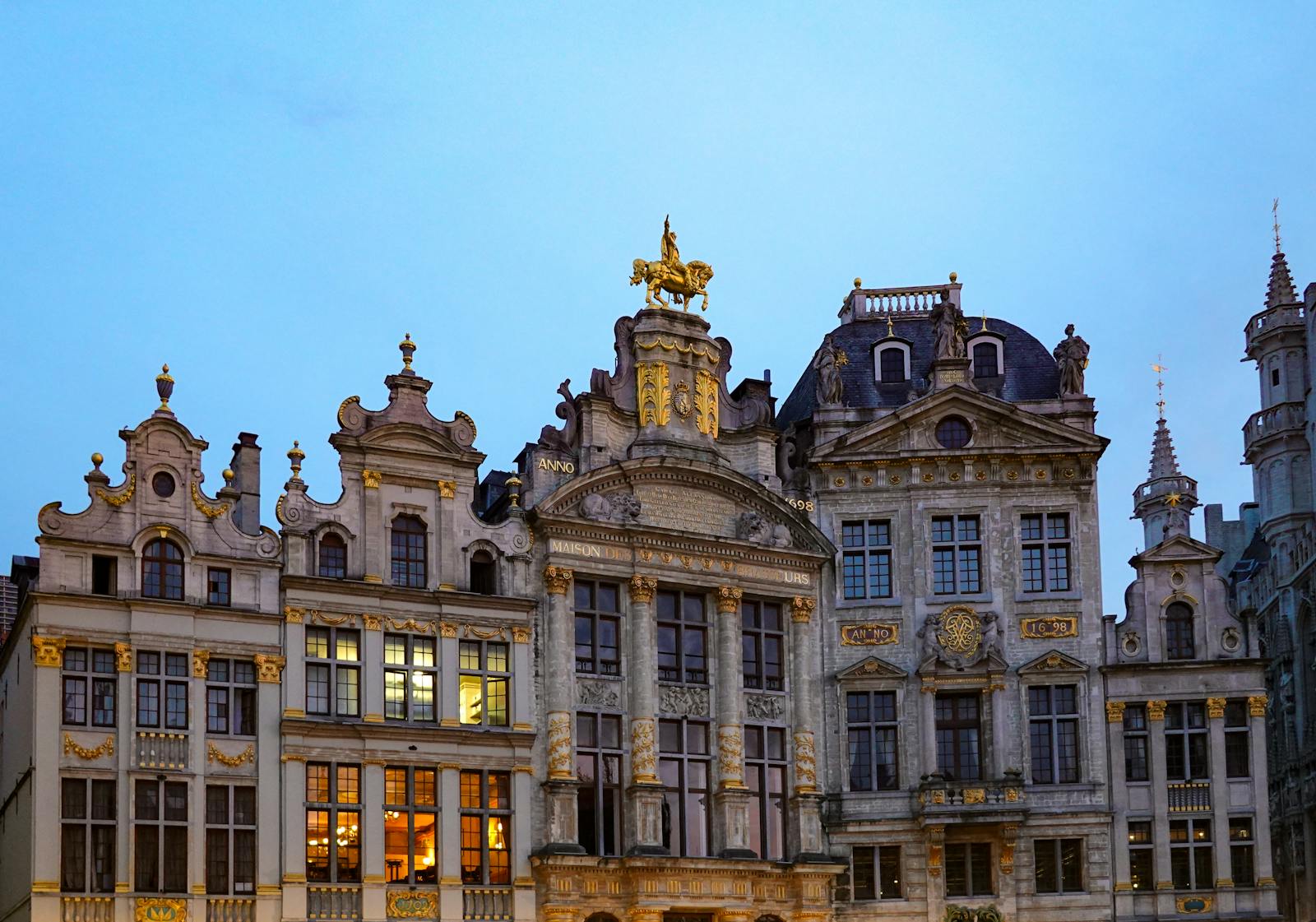
Brussels is a city where every cobblestone tells a story. Walk across the Grand Place and you are standing on ground that has witnessed Burgundian pageants, Spanish bombardments, revolutionary uprisings, and the birth of a united Europe. The guild houses that frame this UNESCO World Heritage square were rebuilt after a devastating 1695 bombardment — a defiant act of reconstruction that captures the Brussels spirit perfectly.
This Brussels history and culture guide traces the city’s extraordinary journey from a marshy settlement on the River Senne to the de facto capital of the European Union. Along the way, we explore the cultural traditions, artistic movements, and defining moments that have made Brussels one of the most fascinating and complex cities in Europe. Whether you are a first-time visitor wanting historical context for what you see, or a returning traveller looking to dig deeper, this guide provides the complete story.
For practical trip planning information, see our Brussels Travel Guide. For neighbourhood-by-neighbourhood exploration, check our Brussels Neighbourhoods Guide.
Ancient Origins: From Marshland to Medieval Market Town (580–1000 CE)
The name Brussels derives from the Old Dutch “Bruocsella” — meaning “settlement in the marsh.” Archaeological evidence suggests habitation on the islands of the River Senne from at least the 6th century, when a small chapel was built on one of the river’s islands, possibly dedicated to Saint Géry (Sint-Goriks).
The traditional founding date of Brussels is 979 CE, when Charles, Duke of Lower Lotharingia, transferred the relics of Saint Gudula to a chapel on the Treurenberg hill (near the present-day Cathedral of Saints Michael and Gudula) and built a fortification on Saint-Géry Island. This castle became the nucleus around which the city grew. The strategic position on the trade route between Bruges and Cologne ensured that Brussels developed rapidly as a commercial centre.
By the 11th century, Brussels had outgrown its island origins. The first city walls were constructed around 1100, enclosing the lower town around the market (the future Grand Place) and the upper town on the Coudenberg hill, where the Dukes of Brabant established their palace. The cloth trade and tapestry weaving drove economic growth, and Brussels’ tapestries would eventually become the most sought-after luxury goods in Europe.
The Burgundian Golden Age (1430–1482)
Brussels’ first great era of prosperity began in 1430, when it became part of the Duchy of Burgundy under Philip the Good. The Burgundian court transformed Brussels from a prosperous trading town into one of Europe’s most glamorous capitals. Philip chose Brussels as one of his primary residences, and the city became a centre of art, music, and courtly culture.
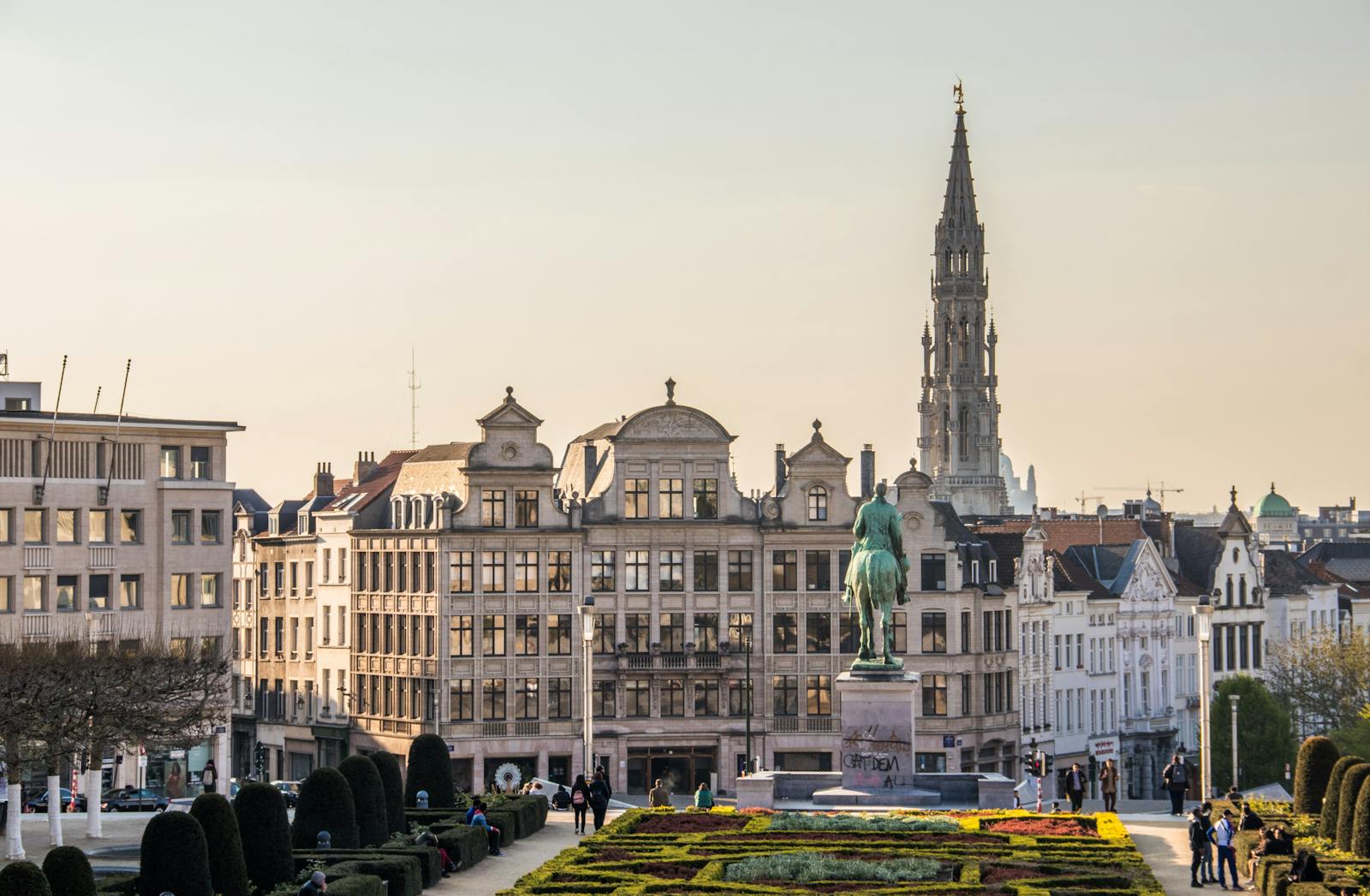
This was the era that gave Brussels its architectural crown jewel: the Hôtel de Ville (City Hall) on the Grand Place, begun in 1401 and completed with its famous 96-metre tower in 1455. The building is a masterpiece of Brabant Gothic architecture, and its soaring tower — topped by a gilt statue of the Archangel Michael — remains the most recognisable landmark in Brussels today.
The Burgundian court attracted painters, musicians, and intellectuals from across Europe. Rogier van der Weyden served as the city’s official painter, and his works — now displayed in the Royal Museums of Fine Arts — represent the pinnacle of Flemish Primitive art. The tradition of Brussels tapestry weaving reached new heights during this period, with workshops producing elaborate narrative tapestries for courts across Europe.
The Burgundian period also established the Ommegang, a grand civic procession that continues to this day. Originally a religious procession honouring the miraculous statue of Our Lady, it evolved into a spectacular parade of guilds, nobles, and civic organisations. The modern Ommegang, held annually in July on the Grand Place, recreates the famous 1549 entry of Emperor Charles V and is recognised by UNESCO as Intangible Cultural Heritage.
Habsburg Rule and the Spanish Netherlands (1482–1713)
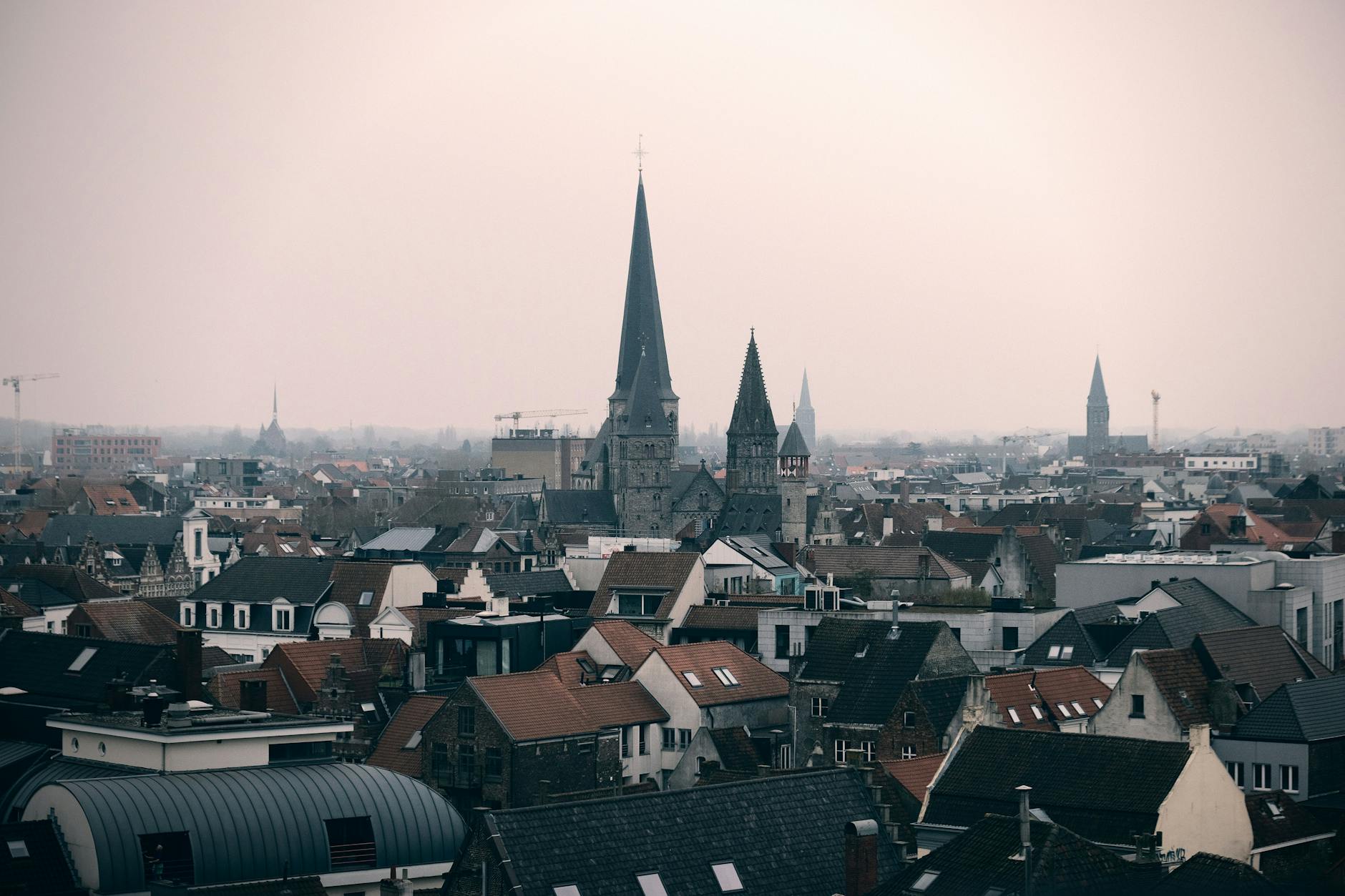
When the last Burgundian duke, Charles the Bold, died in battle in 1477, his daughter Mary married Maximilian of Austria, bringing the Low Countries — including Brussels — into the Habsburg orbit. Their grandson, Charles V, born in the nearby city of Ghent in 1500, would become the most powerful ruler in European history, presiding over an empire that stretched from the Americas to the Philippines.
Charles V held a deep affection for Brussels and the Low Countries. He built the magnificent Coudenberg Palace on the hill above the city, making it one of the grandest royal residences in Europe. It was here, in 1555, that Charles made the extraordinary decision to abdicate, passing his Spanish and Netherlandish territories to his son Philip II in an emotional ceremony witnessed by the assembled nobility.
The Dutch Revolt and the Bombardment of 1695
Philip II’s rigid Catholicism and centralising policies provoked resistance in the predominantly Protestant northern provinces. In 1568, the execution of the Counts of Egmont and Hoorn on the Grand Place — commemorated by a statue in the nearby Petit Sablon — helped spark the Eighty Years’ War. The northern provinces eventually broke away to form the Dutch Republic, while Brussels and the southern Netherlands remained under Spanish control.
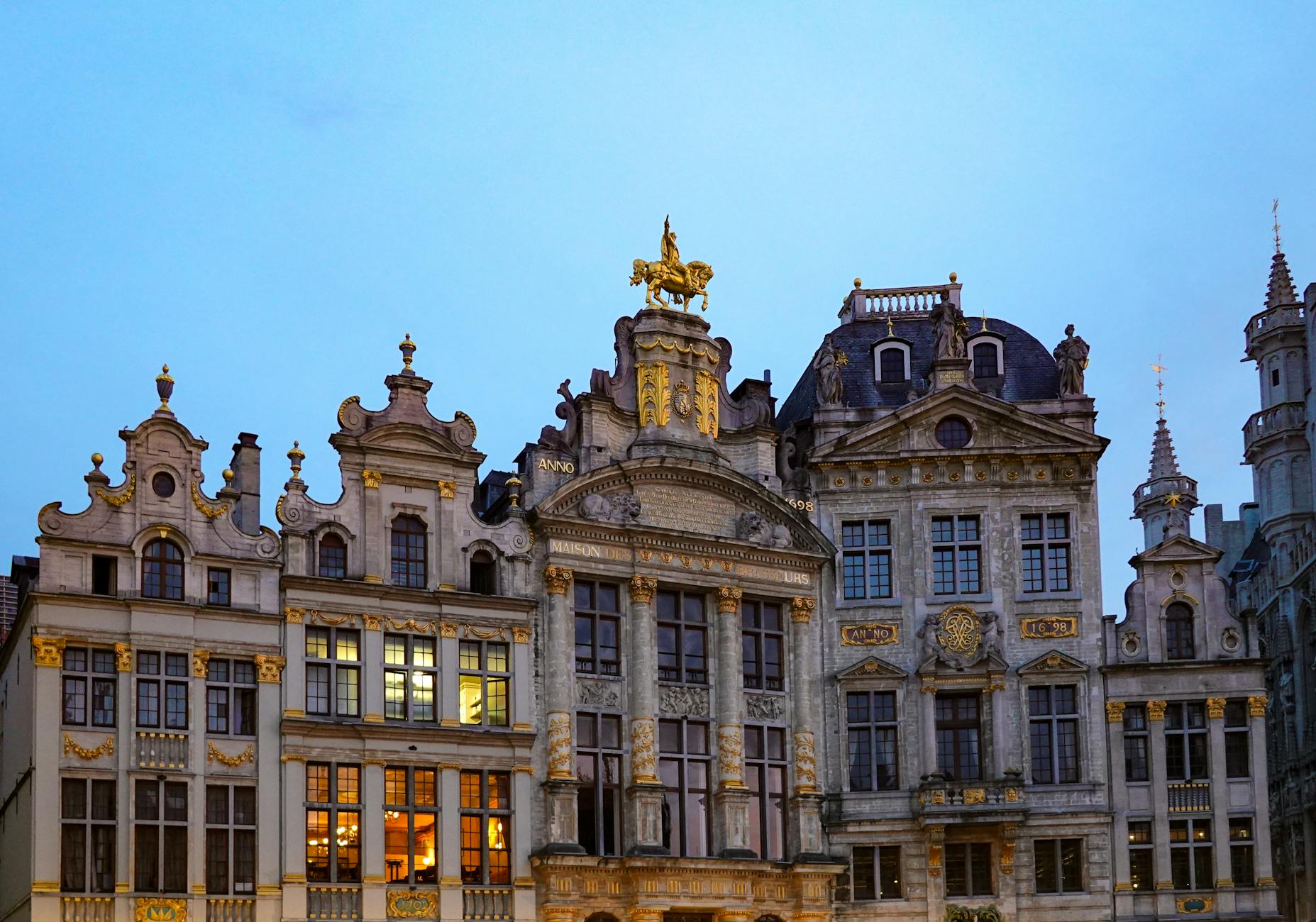
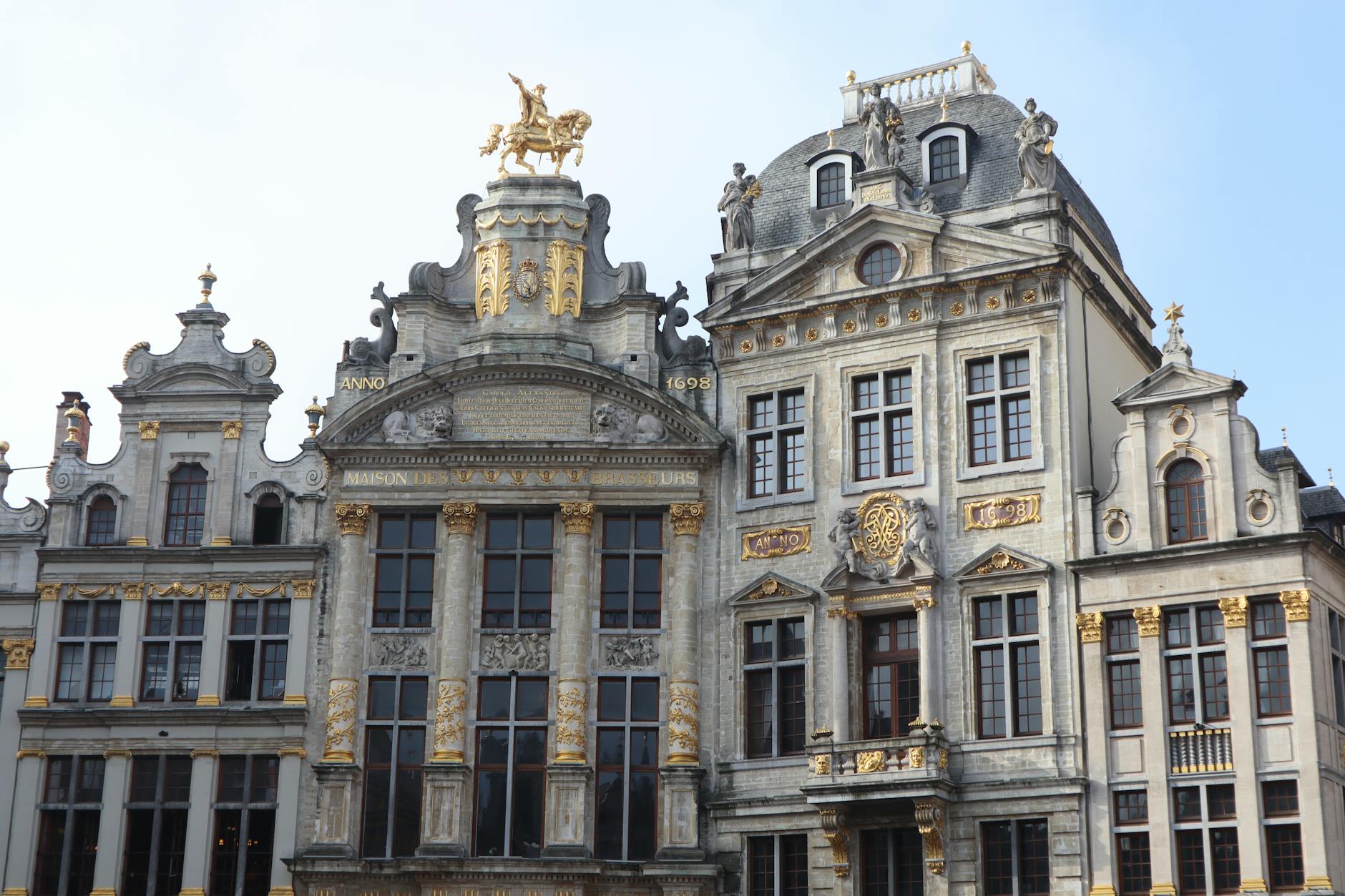
The most devastating moment in Brussels’ history came in August 1695, when French forces under Marshal de Villeroy bombarded the city centre for 36 hours. The Grand Place was almost completely destroyed — only the Hôtel de Ville and a few fragments survived. In a remarkable display of civic pride, the guilds rebuilt the square within four years, creating the stunning Baroque facades we see today. Each guild house features elaborate decoration reflecting the trade it represented: the Brewers’ House, the Haberdashers’ House, the Boatmen’s House, and others. This rebuilt Grand Place was inscribed as a UNESCO World Heritage Site in 1998.
Austrian Rule (1713–1794)
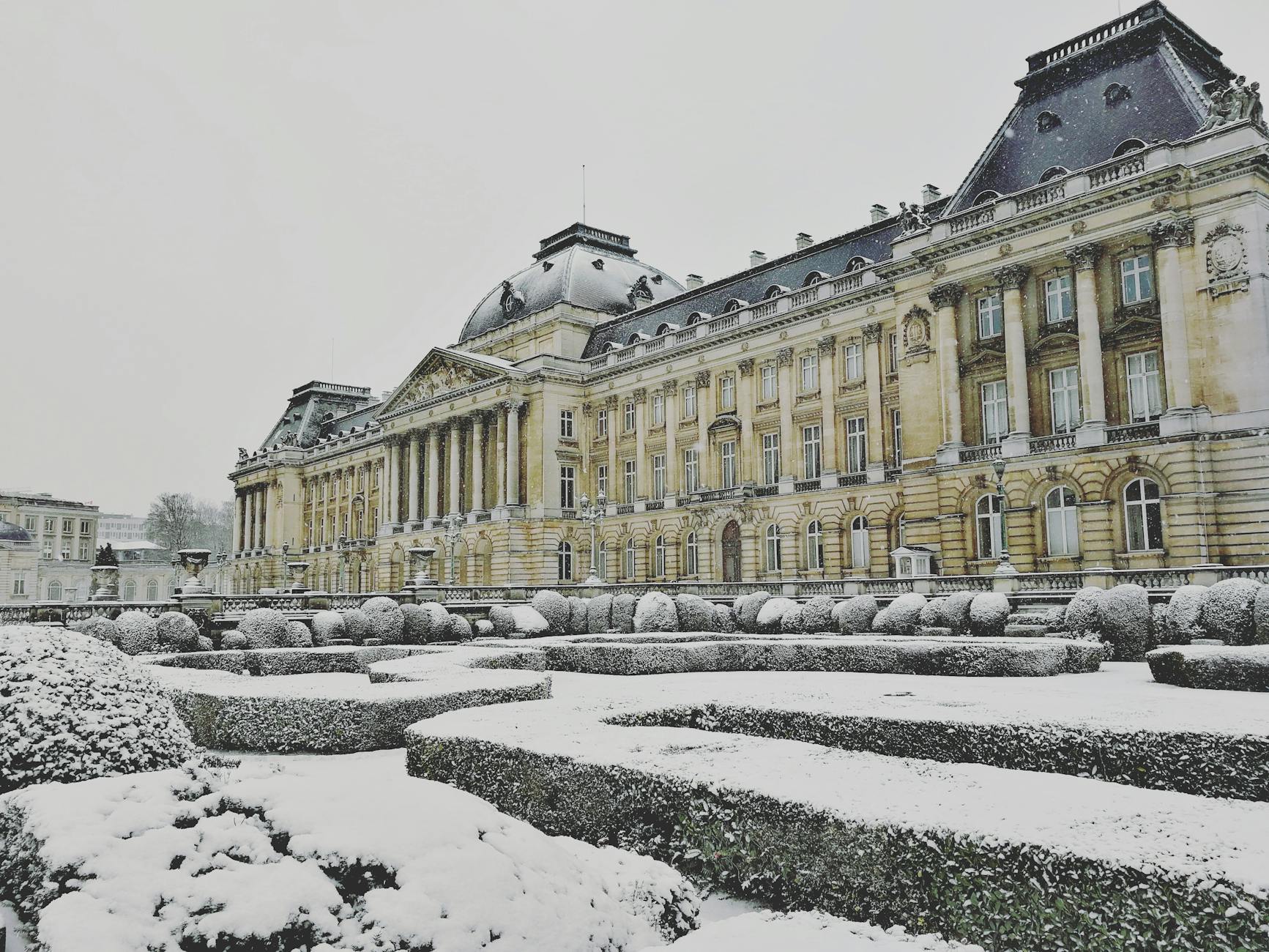
Following the War of the Spanish Succession, the southern Netherlands passed from Spain to the Austrian branch of the Habsburgs. Under Austrian rule, Brussels experienced a period of relative calm and cultural refinement. Charles of Lorraine, the popular governor-general from 1744 to 1780, transformed the upper town with neoclassical architecture, creating the Place Royale and the Parc de Bruxelles — both of which survive largely unchanged today. The Royal Palace stands on the site of the old Coudenberg Palace, which had been destroyed by fire in 1731.
Revolution, Independence, and the Birth of Belgium (1789–1831)
The French Revolutionary Wars brought dramatic change to Brussels. In 1794, French forces occupied the city, and the southern Netherlands were annexed to France. The French period (1794–1815) brought both destruction and modernisation: monasteries and churches were closed and their art confiscated, but the River Senne’s most polluted sections were covered, and the foundations of modern urban planning were laid.
After Napoleon’s defeat at Waterloo — fought just 20 kilometres south of Brussels in June 1815 — the Congress of Vienna united the northern and southern Netherlands under King William I of the House of Orange. This forced union was deeply unpopular in Brussels, where the largely French-speaking, Catholic population resented rule by a Dutch-speaking, Protestant monarch.
The Belgian Revolution of 1830
On the evening of 25 August 1830, the audience at the Théâtre de la Monnaie (the opera house near the Grand Place) was watching a performance of Daniel Auber’s La Muette de Portici, an opera about a Neapolitan uprising against Spanish rule. When the tenor sang the aria “Amour sacré de la patrie” (Sacred love of the fatherland), the audience erupted. Theatregoers spilled into the streets, joined by workers and citizens, and the Belgian Revolution had begun.
After several days of street fighting — centred on the Parc de Bruxelles, where bullet holes can still be seen in some buildings — Dutch forces withdrew. A provisional government declared independence on 4 October 1830, and the European powers recognised the new Kingdom of Belgium at the London Conference of 1830–1831. Leopold I of Saxe-Coburg was chosen as the first King of the Belgians, taking his oath on 21 July 1831 — a date now celebrated as Belgian National Day.
The Place des Martyrs, a neoclassical square in the lower town, serves as the burial ground for those who died in the revolution. The Congress Column on Place du Congrès, topped by a statue of Leopold I, commemorates the constitution that established Belgium as a constitutional monarchy with one of the most liberal constitutions in 19th-century Europe.
The Belle Époque and Art Nouveau (1880–1914)
The late 19th and early 20th centuries were a golden age for Brussels. Belgium’s rapid industrialisation — fuelled in part by colonial exploitation of the Congo under Leopold II — generated enormous wealth that transformed the city.
Leopold II used these resources to commission grand public works: the Parc du Cinquantenaire and its triumphal arch (built for Belgium’s 50th anniversary in 1880), the Royal Greenhouses of Laeken (a vast complex of glass conservatories), and wide boulevards that gave Brussels a Haussmann-style grandeur. The Palais de Justice, designed by Joseph Poelaert and completed in 1883, was the largest building constructed in the 19th century — its dome still dominates the Brussels skyline.
Victor Horta and the Art Nouveau Revolution
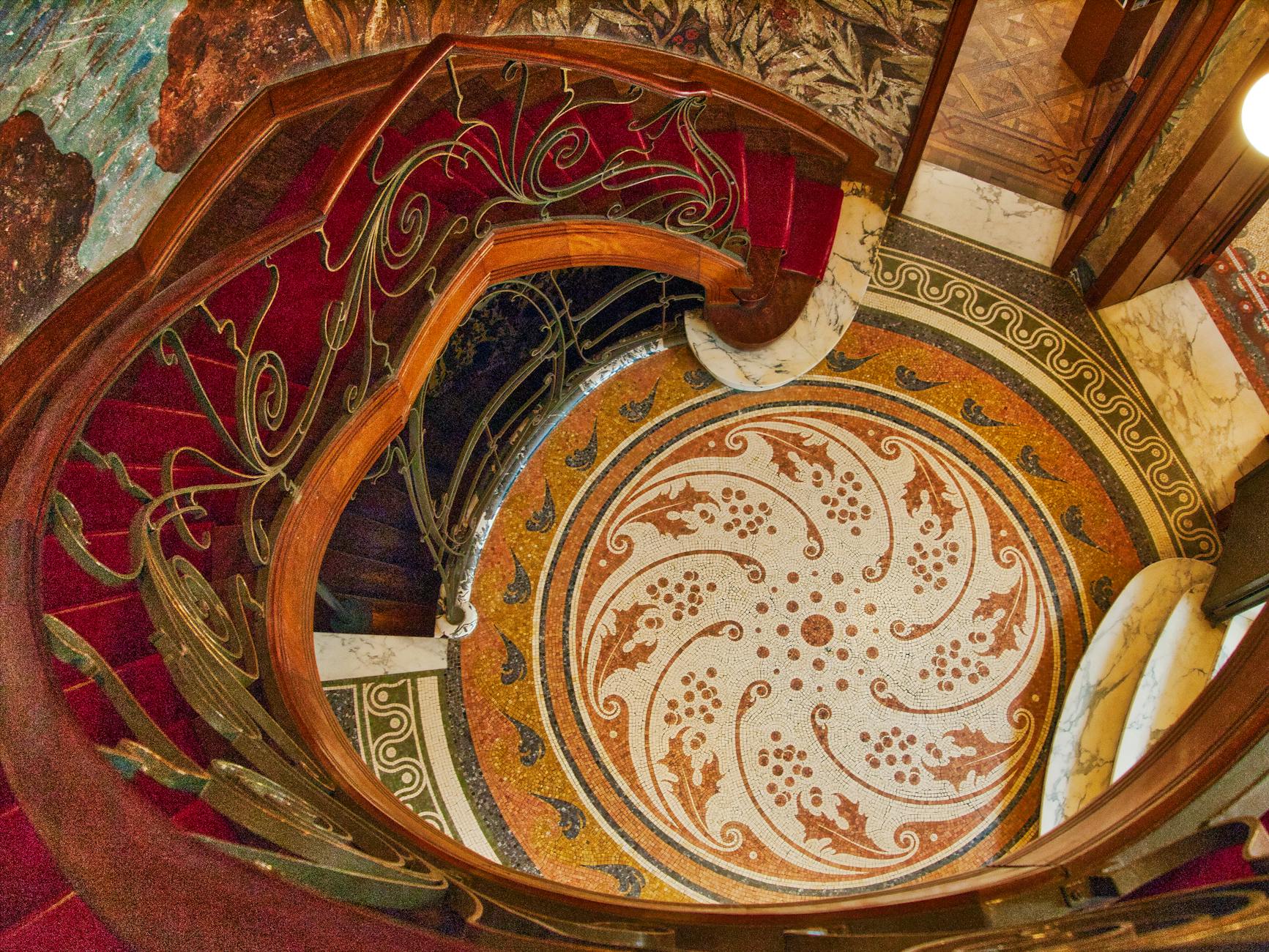
Brussels’ most distinctive architectural contribution to world culture emerged in the 1890s, when architect Victor Horta pioneered the Art Nouveau style. Horta’s revolutionary approach — using exposed iron, flowing organic lines, and unprecedented integration of structure and decoration — changed architecture forever.
Four of Horta’s Brussels townhouses are collectively inscribed as a UNESCO World Heritage Site: the Hôtel Tassel (1893, widely considered the first Art Nouveau building), the Hôtel Solvay (1894), the Hôtel van Eetvelde (1895), and the Maison & Atelier Horta (now the Horta Museum in Saint-Gilles). Brussels has hundreds of Art Nouveau buildings scattered across its neighbourhoods — particularly in Ixelles, Saint-Gilles, Schaerbeek, and Etterbeek — making it one of the world’s great Art Nouveau cities.
Beyond Horta, architects Paul Hankar, Gustave Strauven, and Paul Cauchie left their mark on the cityscape. The Cauchie House near the Parc du Cinquantenaire, with its stunning sgraffito facade, is one of the city’s most photographed buildings. For museum enthusiasts, our Brussels Museums Guide covers the Horta Museum and other art collections in detail.
Two World Wars and Reconstruction (1914–1958)
Belgium’s neutrality did not protect it from German invasion in August 1914. Brussels was occupied for over four years during World War I. While the city suffered less physical damage than the frontline regions of Flanders — where the brutal battles of Ypres and Passchendaele took place — the occupation was harsh. The execution of British nurse Edith Cavell in Brussels in 1915, for helping Allied soldiers escape, became an international cause célèbre. Her memorial stands near the Place du Grand Sablon.
World War II and the Holocaust
German forces occupied Brussels again from May 1940 to September 1944. The Dossin Barracks in nearby Mechelen served as the transit camp from which over 25,000 Jews and Roma were deported to Auschwitz. The Fort of Breendonk, also near Brussels, was used as a Nazi concentration camp. Today, both sites serve as powerful memorials and museums.
Brussels was liberated by British forces on 3 September 1944. The Battle of the Bulge, Germany’s last major offensive, took place in the Ardennes region of Belgium in December 1944 and January 1945, but Brussels itself was not directly threatened.
Expo 58 and the Atomium
Brussels’ post-war renaissance was symbolised by the 1958 World’s Fair (Expo 58), held on the Heysel plateau in the north of the city. The fair’s most enduring legacy is the Atomium — a 102-metre tall structure representing an iron crystal magnified 165 billion times, designed by André Waterkeyn. Originally intended as a temporary installation, the Atomium became so beloved that it was preserved and is now one of Belgium’s most iconic landmarks, attracting over 600,000 visitors annually. For visiting information, see our Things to Do in Brussels guide.
Brussels as Capital of Europe (1958–Present)
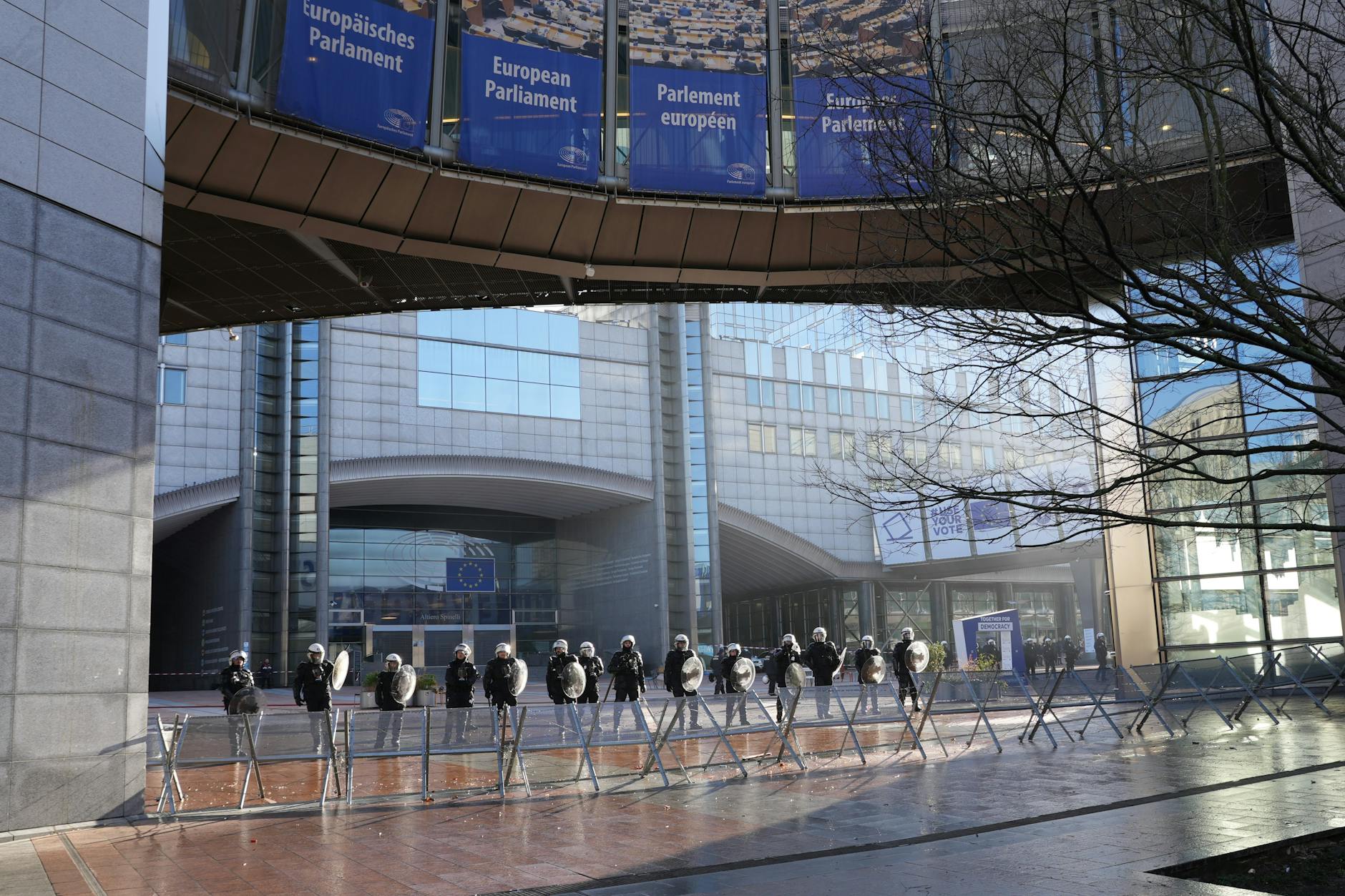
The same year as Expo 58, Brussels began its transformation into the de facto capital of Europe. The European Economic Community (EEC), established by the 1957 Treaty of Rome, chose Brussels as the seat of its executive body, the European Commission. Over the following decades, the European Quarter around Schuman grew from a residential neighbourhood into a vast complex of institutional buildings.
Today, Brussels hosts the European Commission, the Council of the European Union, and part of the European Parliament (which splits its time between Brussels and Strasbourg). NATO has been headquartered in Brussels since 1967. These institutions have made Brussels one of the most internationally diverse cities in the world, with over 180 nationalities represented and an expatriate community that makes up roughly one-third of the population.
The Parlamentarium, the European Parliament’s visitor centre, offers a free and fascinating introduction to the EU’s history and workings. The House of European History, also free, provides broader context about European integration and identity. Both are located in the European Quarter and are easily accessible by metro (Schuman station).
Brussels’ Living Cultural Heritage
Language and Identity
Brussels is officially bilingual — French and Dutch — reflecting Belgium’s complex linguistic landscape. In practice, approximately 85% of Brussels residents speak French as their primary language, though the city also has significant communities speaking Arabic, Spanish, English, and dozens of other languages. The linguistic tension between French-speaking Wallonia and Dutch-speaking Flanders has been a defining feature of Belgian politics since independence, and Brussels sits at the geographical and political centre of this divide.
The Brussels dialect (Brusseleer or Marols) — a charming mixture of French and Brabantian Dutch — is now spoken by a small minority but survives in folk traditions, puppet theatre, and the vocabulary of the Marolles neighbourhood. Phrases like “dikke ansen” (nonsense) and characters like the Manneken Pis embody the irreverent, self-deprecating humour that Brussels residents call “zwanze.”
Comic Strip Capital of the World
Belgium has produced more comic strip artists per square kilometre than any other country. Hergé’s Tintin, Peyo’s Smurfs, Morris’s Lucky Luke, and Franquin’s Gaston Lagaffe are all Belgian creations. Brussels celebrates this heritage through the Belgian Comic Strip Centre (housed in a stunning Horta-designed former department store), over 60 comic-strip murals painted on building walls across the city, and dozens of specialist comic shops.
The Brussels Comic Book Route is a self-guided walking trail connecting the major murals — an excellent way to explore the city while discovering both the comics and the neighbourhoods they inhabit. New murals are added regularly, ensuring the trail keeps evolving.
Festivals and Traditions
Brussels maintains a rich calendar of cultural events rooted in centuries of tradition:
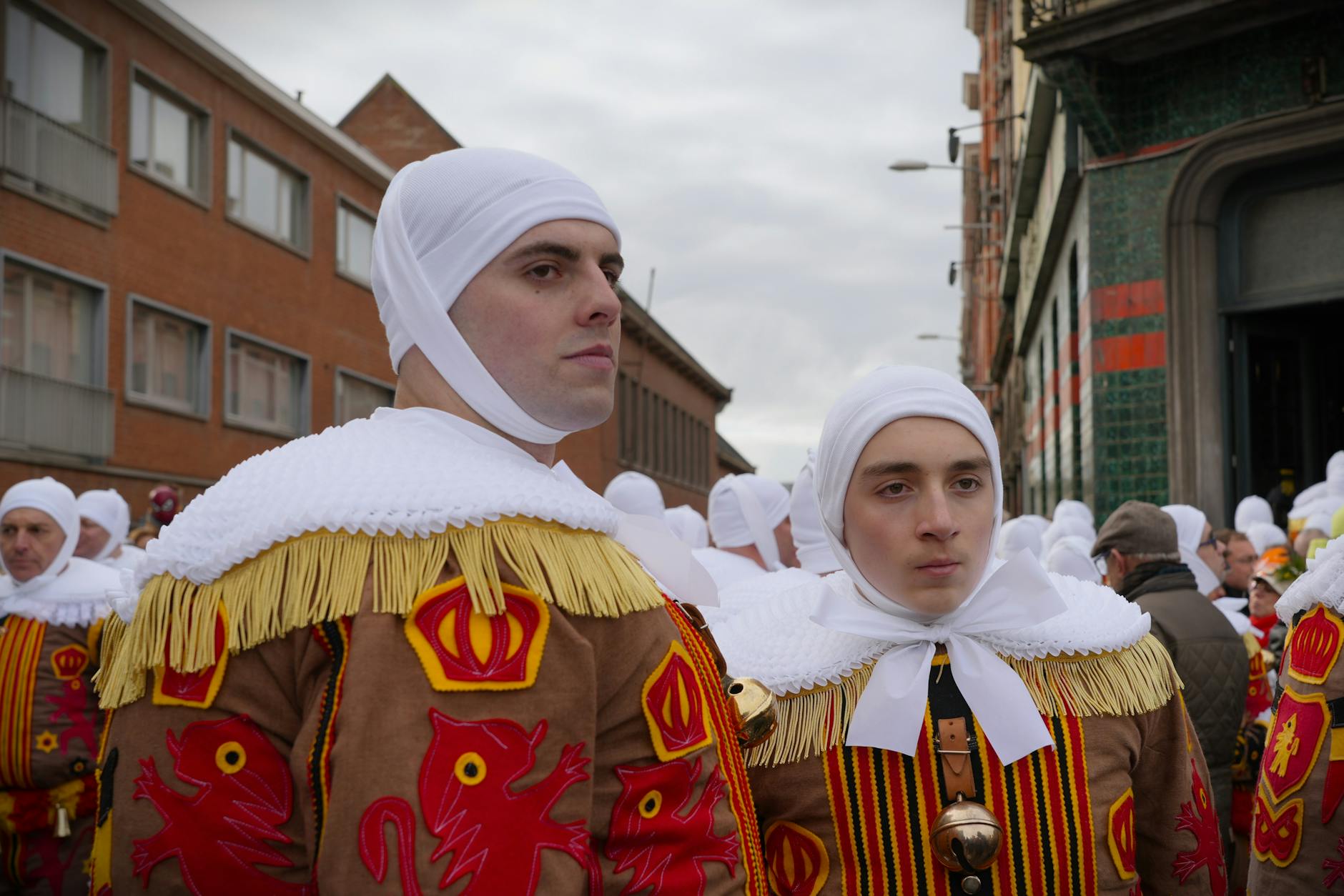
- Ommegang (July): A UNESCO-recognised historical pageant recreating the 1549 entry of Emperor Charles V into Brussels. Approximately 1,400 participants in period costume parade through the streets to the Grand Place. One of Europe’s most spectacular historical events.
- Meyboom (9 August): Dating to 1213, this is one of Brussels’ oldest traditions. A “May tree” (actually a beech) is paraded through the streets and planted at the corner of Rue du Marais and Rue des Sables, accompanied by processional giants, music, and celebrations. If the tree is not planted before 5pm, Brussels supposedly loses the right to hold the festival.
- Flower Carpet (August, even years): Every two years, a design of begonias, dahlias, grass and bark covering about 1,680 square metres is laid out on the Grand Place as a vast floral carpet. The 2026 edition has taken place; the next is in August 2028. Best viewed from the balcony of the Hôtel de Ville.
- Winter Wonders (November–January): Brussels’ Christmas market transforms the city centre with an ice rink, light shows, a Ferris wheel, and over 200 chalets. One of Europe’s finest winter festivals.
- Brussels Summer Festival (August): A 10-day music festival featuring international and Belgian artists performing at venues across the city centre.
- Iris Festival (May): Named after the Brussels-Capital Region’s official flower, this festival opens normally closed buildings and gardens to the public — a unique chance to see interiors that are otherwise inaccessible.
The Culinary Heritage
Brussels’ food culture is as historically layered as its architecture. Belgian cuisine draws on both French culinary refinement and Flemish hearty traditions, producing a food culture that is among the richest in Europe.
Traditional Brussels Dishes
Several dishes have deep roots in Brussels and Belgian culinary history. Moules-frites (mussels with chips) is perhaps the most iconic, traditionally served in an enamelled pot with a generous portion of twice-fried Belgian frites. Waterzooi — a creamy stew originally made with fish from the Senne river, now more commonly prepared with chicken — dates to the medieval period. Vol-au-vent (chicken in a creamy mushroom sauce served in a puff pastry case) appears on nearly every traditional restaurant menu. Stoofvlees or carbonnade flamande (beef stewed in Belgian beer) is pure Flemish comfort food.
Stoemp — mashed potatoes mixed with vegetables (carrots, leeks, or spinach) — is quintessential Brussels home cooking, often served with sausage or meatballs. Croquettes aux crevettes (deep-fried shrimp croquettes with a creamy béchamel filling) are a beloved starter. For a comprehensive food guide, see our Brussels Food Guide.
Beer, Chocolate, and Waffles
Belgium’s beer culture is inscribed on UNESCO’s Intangible Cultural Heritage list. Brussels is home to unique beer traditions, including lambic — a spontaneously fermented beer brewed exclusively in the Senne valley using wild yeasts from the air. Gueuze, a blend of young and old lambics, and kriek (lambic with sour cherries) are distinctly Brussels beverages. The Cantillon Brewery, operating since 1900 in the Anderlecht neighbourhood, offers tours and tastings of traditional lambic production.
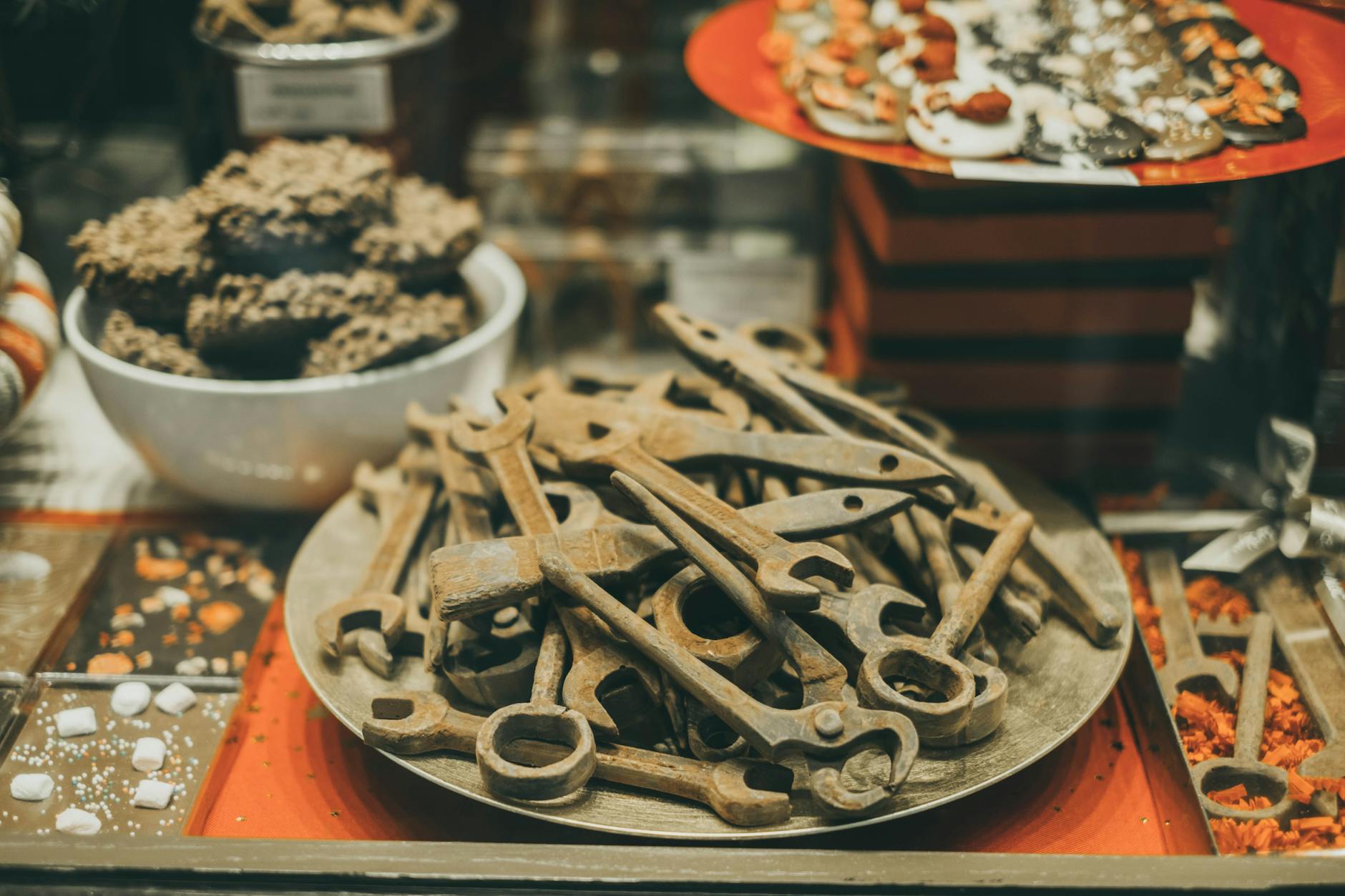
Belgian chocolate-making evolved from the cocoa brought back from the colonies. Brussels houses some of the world’s finest chocolatiers — Pierre Marcolini, Laurent Gerbaud, Mary (established 1919 and holding a Royal Warrant), and Neuhaus (which invented the praline in 1912). The Sablon neighbourhood is particularly dense with chocolate boutiques.
The Belgian waffle tradition includes two distinct styles: the Brussels waffle (light, crispy, rectangular, traditionally served with powdered sugar) and the Liège waffle (denser, sweeter, with chunks of pearl sugar). Both are deeply ingrained in the city’s street food culture.
Where to Experience Brussels’ History and Culture
Must-Visit Historical Sites
- Grand Place: The UNESCO World Heritage square is Brussels’ unmissable centrepiece. Visit early morning for the best light and fewest crowds. The Hôtel de Ville offers guided tours of its interior.
- Cathedral of Saints Michael and Gudula: This 13th-century Gothic cathedral has witnessed coronations, royal weddings, and state funerals. The stained glass windows are magnificent. Free entry.
- Place Royale and the Coudenberg: The neoclassical square sits atop the ruins of the Burgundian-Habsburg palace. The archaeological site beneath the square (Coudenberg Palace) can be visited — a fascinating underground journey through 900 years of history.
- Royal Museums of Fine Arts: Four museums in one complex, covering Old Masters (Bruegel, Rubens, van der Weyden), Modern Art, Fin-de-Siècle, and the dedicated Magritte Museum.
- BELvue Museum: Located next to the Royal Palace, this museum tells the story of Belgium from 1830 to the present through seven themes, including democracy, prosperity, migration, and language.
- Parlamentarium and House of European History: Both free, these museums in the European Quarter explain the EU’s history and functioning. The Parlamentarium includes a 360-degree cinema experience.
- Horta Museum: Victor Horta’s personal home and studio in Saint-Gilles — the finest surviving example of residential Art Nouveau in the world.
Hidden Historical Gems
- Place des Martyrs: A serene neoclassical square that most tourists miss, containing the crypt of those who died in the 1830 revolution.
- Halles Saint-Géry: A covered market built on the island where Brussels was founded. Now a cultural and exhibition space.
- Porte de Hal: The only surviving gate of the 14th-century second city wall, now a museum of medieval Brussels.
- La Fonderie: A museum of Brussels industry and labour history, located in a former brass foundry in Molenbeek.
- Église Notre-Dame de la Chapelle: The oldest church in Brussels (12th century), where Pieter Bruegel the Elder is buried.
Explore History & Culture in Depth
This guide is the overview. Each link below goes deeper on one part of it:
- History of Brussels — 1,400 Years from Medieval Town to EU Capital
- Belgian Traditions & Customs — Etiquette Every Visitor Should Know
- Famous Belgians from Brussels — Icons of Cinema, Art, Music & Science
Frequently Asked Questions
What is Brussels most historically famous for?
Brussels is most famous for its Grand Place (a UNESCO World Heritage Site rebuilt in stunning Baroque style after the 1695 bombardment), the Belgian Revolution of 1830 that created an independent Belgium, its pioneering Art Nouveau architecture by Victor Horta, and its modern role as the de facto capital of the European Union.
Why is Brussels the capital of the EU?
Brussels became the seat of EU institutions largely by default and strategic compromise. Belgium offered to host the European institutions in 1958, and Brussels’ central location — between the founding members France, Germany, the Netherlands, Luxembourg, and Italy — made it a practical choice. The city’s international character, existing diplomatic infrastructure, and willingness to invest in institutional buildings cemented its position over time.
What language was historically spoken in Brussels?
Brussels was historically a Dutch-speaking (Brabantian) city. The shift toward French began during the French occupation (1794–1815) and accelerated throughout the 19th century, when French became associated with social advancement. Today, Brussels is officially bilingual (French/Dutch), with French spoken by approximately 85% of residents, though the city is increasingly multilingual.
What is zwanze and why does it matter?
Zwanze is the distinctive Brussels sense of humour — irreverent, self-deprecating, and often absurdist. It is embodied in traditions like the Manneken Pis (a tiny bronze fountain of a urinating boy, inexplicably one of the world’s most famous statues), the deliberately understated Belgian approach to their own achievements, and a cultural refusal to take anything too seriously. Understanding zwanze helps visitors appreciate why Brussels often hides its brilliance behind a modest, slightly eccentric exterior.
Is Brussels worth visiting for history lovers?
Absolutely. Brussels offers an extraordinary concentration of historical layers within a compact, walkable area: medieval churches and guild houses, Baroque grandeur, neoclassical squares, Art Nouveau masterpieces, World War memorials, and the institutions shaping Europe’s future. Few cities offer this range of historical depth in such close proximity.