Brussels After Dark: Your Essential Guide to Bars, Clubs, and Live Music
Brussels by night is a revelation. Behind its stately facades and institutional image lies one of Europe’s most underrated nightlife scenes — a city where art deco cocktail bars sit next to underground techno clubs, where jazz has echoed through vaulted cellars since the 1930s, and where the party runs until dawn with no legal closing time. The absence of alcohol sale restrictions and maximum opening hours gives Brussels nightlife a freedom that few European capitals can match.
This comprehensive Brussels nightlife guide covers every dimension of the city’s after-dark scene: from the best neighbourhoods for bar-hopping and the most iconic clubs, to the jazz heritage, live music venues, craft beer bars, and practical tips for making the most of your evenings. Whether you are looking for a sophisticated cocktail in an Art Deco gem, a world-class techno night in a converted cinema, or a quiet beer in a centuries-old café, Brussels delivers.
For information on getting around the city at night, see our Brussels Transportation Guide. For daytime activities, visit our Things to Do in Brussels guide.
The Best Nightlife Neighbourhoods
Saint-Géry and Sainte-Catherine: The Epicentre
The area around Place Saint-Géry and its extension towards Sainte-Catherine is ground zero for Brussels nightlife. This compact, walkable district packs an extraordinary density of bars, clubs, and late-night restaurants into a few cobblestoned streets surrounding the former covered market hall, Halles Saint-Géry.
The Halles themselves function as a bar and exhibition space, and the surrounding streets — Rue du Pont de la Carpe, Rue de la Bourse, Rue Auguste Orts — are lined with venues ranging from casual student bars to upscale cocktail lounges. The atmosphere is youthful and energetic, particularly on Thursday, Friday, and Saturday nights, when the terraces overflow and the streets take on a festival-like buzz.
What makes Saint-Géry special is the variety. Within a hundred metres you can move from a craft beer bar to a rum cocktail specialist, from a vinyl bar spinning funk and soul to a basement hosting live electronic music. The crowd is mixed — students, young professionals, expats, and tourists all converge here, creating the kind of cosmopolitan energy that defines Brussels at its best.
Nearby Sainte-Catherine extends the nightlife zone with its seafood restaurant terraces and more relaxed bars along the old canal basins. This area tends to be slightly more laid-back than Saint-Géry, making it a good choice for early-evening drinks before the party starts.
Ixelles: Sophisticated and Diverse
The commune of Ixelles, south of the city centre, offers a different nightlife personality — more grown-up, more diverse, and spread across several distinct pockets. The area around Place du Châtelain hosts a popular Wednesday evening market that transitions into an apéro scene, and the surrounding streets have some of Brussels’ best wine bars and bistro-bars. Place Flagey, the refurbished Art Deco broadcasting building, anchors another nightlife cluster with its café-bar, weekend food market, and proximity to the vibrant student-heavy area near the ULB university campus.
The Matongé district, centred on the Chaussée de Wavre near Porte de Namur, offers an Afro-European nightlife experience unlike anything else in Europe. Bars and clubs playing Afrobeats, Congolese rumba, and contemporary African music fill the streets, particularly on weekends. The energy is infectious, and the area provides a window into Brussels’ deep connections with Central Africa.
Ixelles is also home to some of Brussels’ most important clubs, including the legendary Fuse and the spectacular Spirito, housed in a converted Anglican church. For exploring what this neighbourhood offers during the day, see our Brussels Neighbourhoods Guide.
The Marolles: Alternative and Authentic
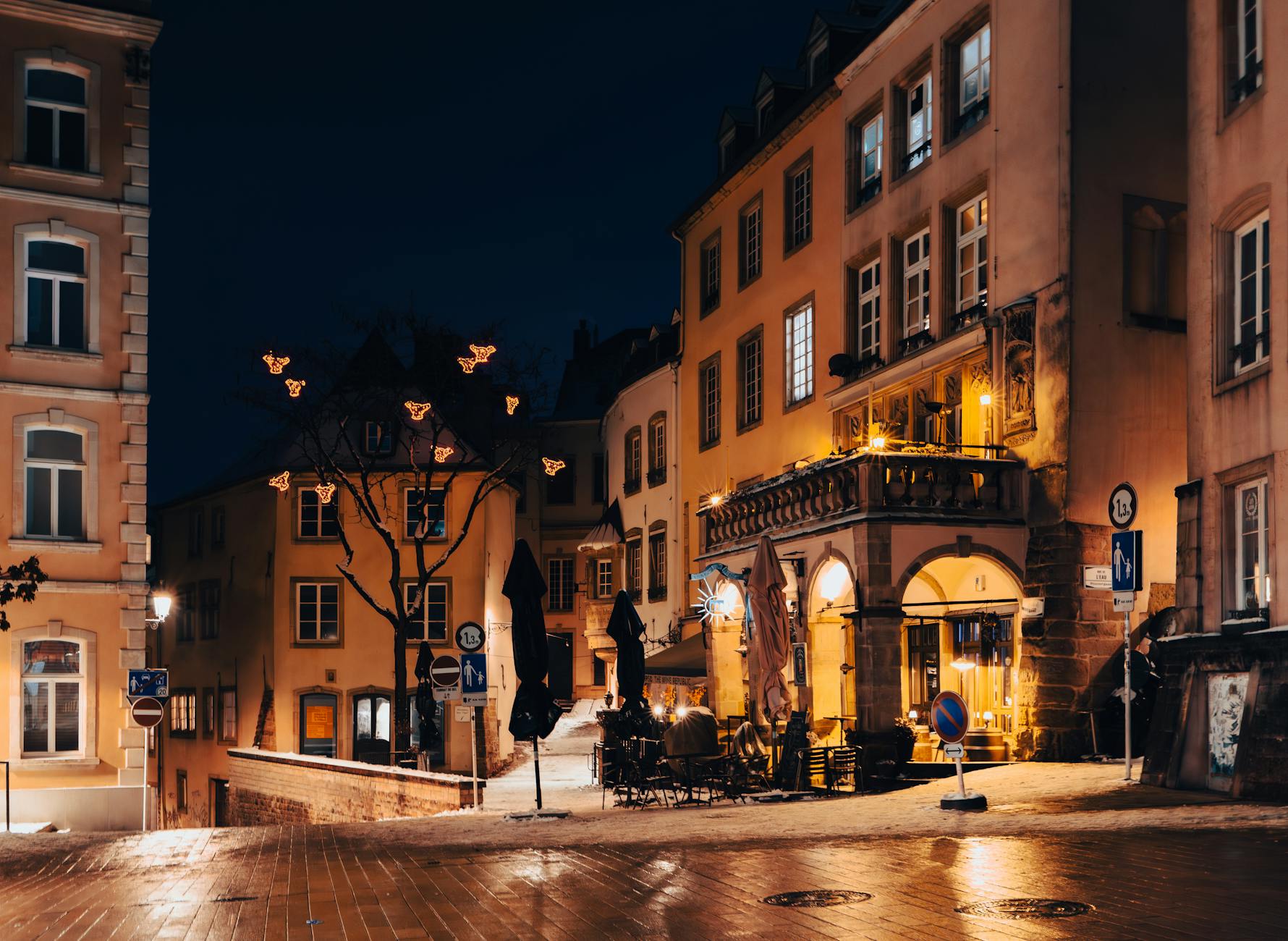
The Marolles, Brussels’ historic working-class quarter, offers a grittier, more alternative nightlife scene. Bars here tend to be unpretentious neighbourhood joints with character — peeling walls, mismatched furniture, and a fiercely loyal local clientele. Rue Haute and its side streets harbour hidden gems where you can drink Belgian beer at local prices while the rest of the city pays tourist premiums.
The neighbourhood’s authentic character extends to its music venues. Several small bars host live music, from blues and rock to experimental sounds, in intimate settings that feel more like house parties than concert halls. The proximity to the flea market area means there are also quirky vintage-themed bars worth seeking out.
Grand Place and Surroundings: Classic and Tourist-Friendly
The streets immediately around the Grand Place cater largely to visitors but contain some genuinely historic and atmospheric bars. The Delirium Village — a complex of interconnected bars centred on the Delirium Café at Impasse de la Fidélité — claims to offer over 2,000 different beers and is a pilgrimage site for beer lovers, though expect crowds and tourist prices. The surrounding streets also house the famous Jeanneke Pis, the female counterpart to the Manneken Pis, located at the entrance to the Delirium complex.
For a more refined experience near the Grand Place, seek out the established café culture — traditional brown cafés (bruine kroegen) like À la Mort Subite, which has been serving its house lambic beers since 1928 in an unchanged Art Deco interior. These historic cafés offer a glimpse of old Brussels that no modern bar can replicate.
Iconic Bars and Cocktail Lounges
L’Archiduc: Art Deco Legend
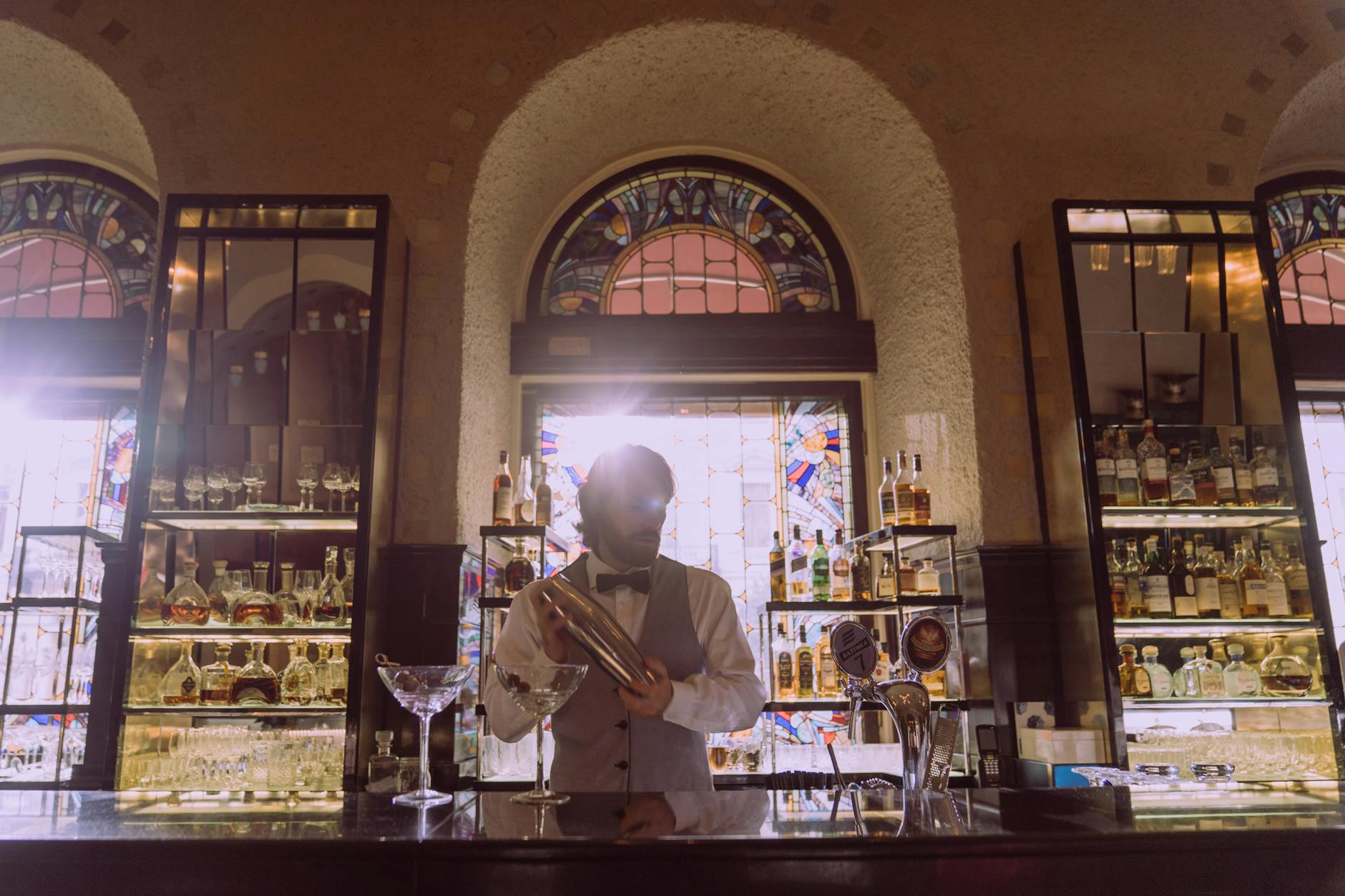
L’Archiduc (Rue Antoine Dansaert 6) is Brussels’ most legendary cocktail bar and one of its greatest cultural treasures. This Art Deco jewel has been operating since 1937, and its curved mahogany bar, streamlined interior, and intimate balcony have hosted jazz legends including Nat King Cole. The bar continues to present live jazz on Saturday afternoons and selected evenings, and its cocktails — particularly the classic Martini — are impeccably made. L’Archiduc is sophisticated without being pretentious, and an evening here is one of Brussels’ essential experiences.
À la Mort Subite: A Brussels Institution
À la Mort Subite (Rue Montagne aux Herbes Potagères 7) is perhaps Brussels’ most atmospheric traditional café. Named after a dice game (“Sudden Death”) played by its patrons, this café has barely changed since the 1920s. The long wooden tables, Art Deco mirrors, and uniformed waiters create a time-capsule atmosphere, and the house lambic and gueuze beers — brewed exclusively for the café — are outstanding. This is the place to experience old Brussels café culture at its most authentic.
Craft Cocktail and Contemporary Bars
Brussels’ cocktail scene has exploded in recent years, with a wave of sophisticated bars raising the standard across the city. Noteworthy establishments include speakeasy-style venues hidden behind unmarked doors, rooftop terraces with panoramic city views, and innovative bars where mixologists push the boundaries of Belgian flavours — incorporating local ingredients like Belgian jenever (juniper spirit), lambic beer, and even speculoos into their creations.
The Dansaert district and the streets around the Bourse are particularly rich in contemporary cocktail bars, many occupying beautifully restored historic buildings. The contrast between centuries-old architecture and cutting-edge mixology is quintessentially Brussels.
The Club Scene
Fuse: Belgium’s Techno Temple
Fuse (Rue Blaes 208) is not just Brussels’ most important nightclub — it is one of Europe’s most significant techno institutions. Founded in 1994 in a former cinema in the Marolles, Fuse was a pioneer in bringing international techno culture to Belgium and has maintained its position as the country’s premier electronic music venue for three decades.
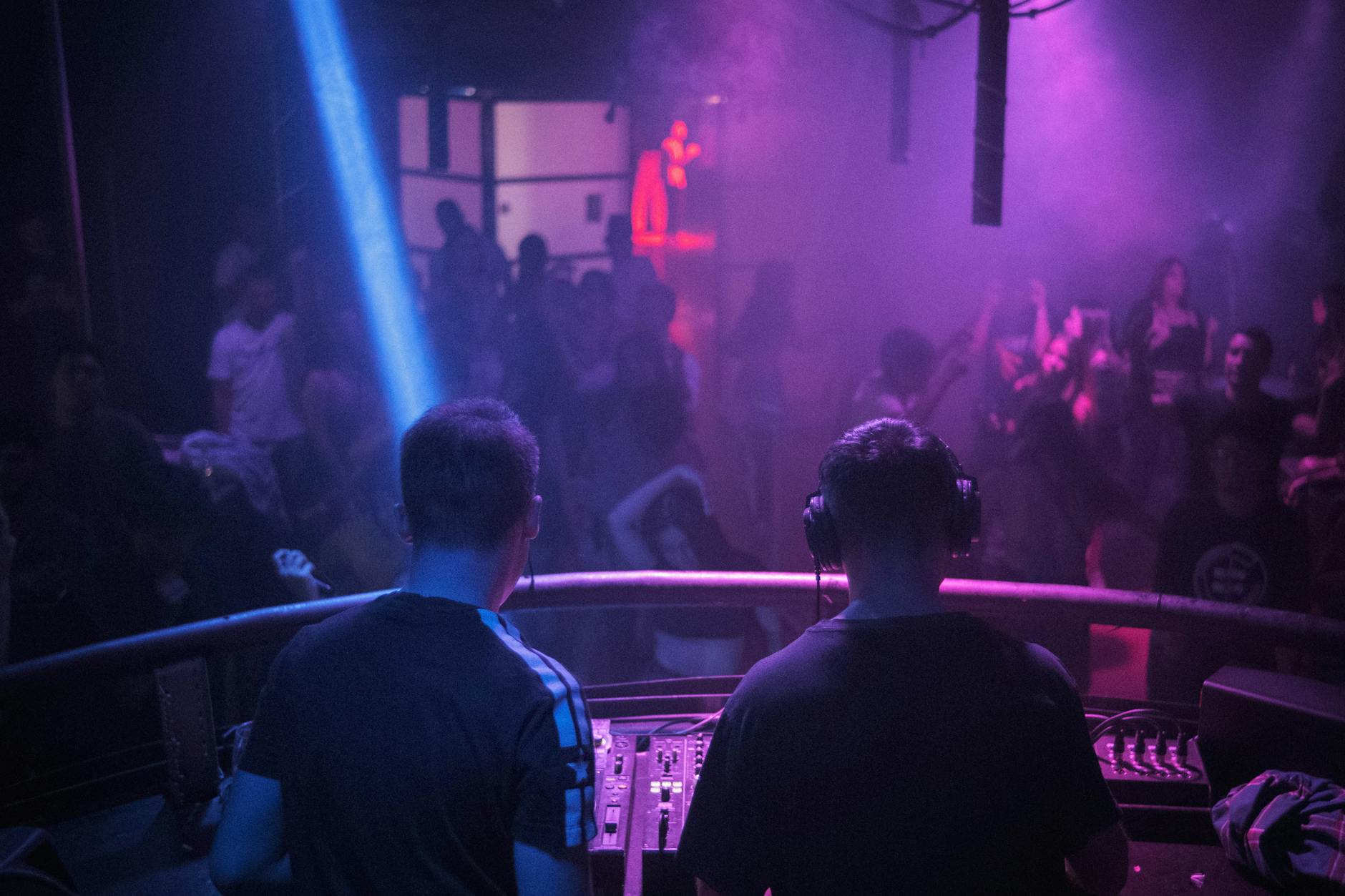
The club’s 1,200-capacity main room features industrial aesthetics, a 360-degree bar at its centre, and a sound system that ranks among the best in Europe. Fuse’s programming balances renowned international DJs with resident selectors who maintain the club’s distinctive sound. The club has been credited by publications like Mixmag with transforming Brussels into a genuine techno destination. Nights typically run from midnight until 7am or later on weekends.
C-12: Art Meets Nightlife
C-12, located in the tunnels beneath Brussels Central station, is one of the city’s most distinctive venues. This underground space combines club nights with art installations, gallery exhibitions, and multimedia events, creating an experience that blurs the line between nightclub and cultural institution. Programming ranges from house and techno to experimental electronic music and live performances. The raw, industrial setting — exposed concrete, atmospheric lighting — adds to the sense that you have discovered something genuinely underground.
Spirito: Clubbing in a Church
Spirito (Rue de Stassart 18, Ixelles) occupies a deconsecrated 19th-century Anglican church, and the setting is as spectacular as it sounds. Stained-glass windows, soaring arches, original columns, and glittering chandeliers create a backdrop for a night out that is unlike anything else in Brussels — or indeed in most cities. The club caters to an upscale, fashion-conscious crowd, with table service, champagne, and a dress code. Music leans toward commercial house, hip-hop, and R&B, with occasional special events featuring bigger names.
Bloody Louis: Hip-Hop and R&B
Bloody Louis (Rue de la Fourche) is Brussels’ premier venue for hip-hop and R&B, with red-carpet aesthetics and a consistently packed dance floor. The club has hosted major international artists and maintains a high-energy atmosphere that makes it one of the most popular weekend destinations for a younger crowd. Advance ticket purchase is advisable, as the club frequently reaches capacity.
Other Notable Clubs
Brussels’ club scene extends well beyond these headline venues. Bonnefooi in Saint-Géry hosts eclectic DJ nights in an intimate setting. La Machine, housed in a restored industrial space, programs over 170 music events annually, spanning electronic, rock, and jazz. Café Central in the heart of Saint-Géry has been a fixture for years, offering punk concerts, live electronic sets, and DJ nights until the early hours.
Jazz: Brussels’ Musical Soul
Belgium has a rich jazz tradition — the country has produced world-class musicians including Toots Thielemans, Philip Catherine, and Jacques Pelzer — and Brussels is its beating heart. The city’s jazz scene is remarkably vibrant, with venues ranging from intimate cellar bars to purpose-built concert halls.
The Music Village
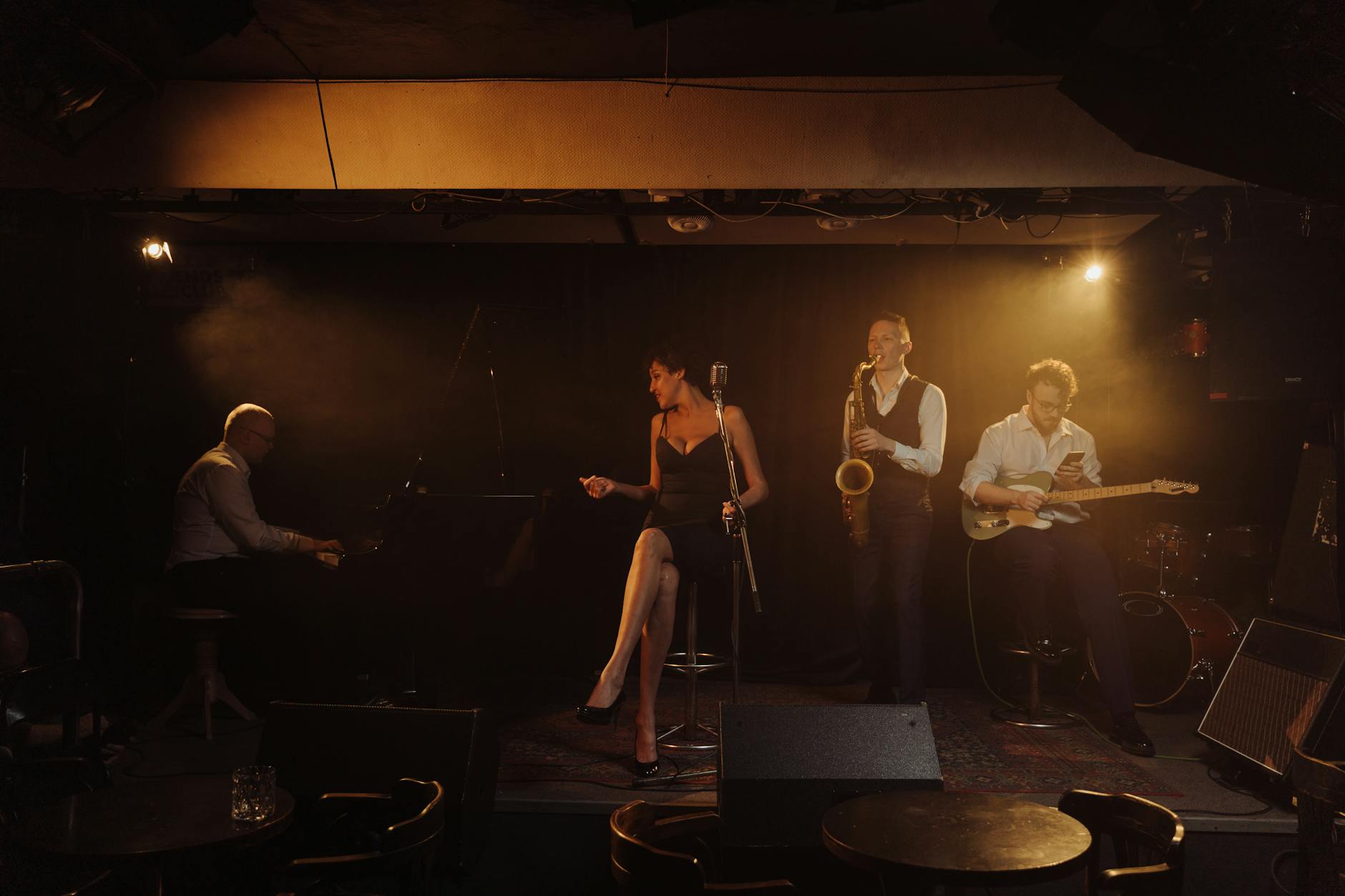
The Music Village (Rue des Pierres 50), located just steps from the Grand Place, is Brussels’ most prominent jazz venue. Modelled on the great New York jazz clubs, this atmospheric cellar space — set in a 17th-century building — presents live jazz six days a week. Programming spans traditional jazz, swing, Latin, and fusion, with both Belgian and international artists. The venue also serves dinner, making it possible to combine a meal with a concert for a complete evening out.
The Sounds Jazz Club
Established in 1986, The Sounds Jazz Club (Rue de la Tulipe 28, Ixelles) is one of Brussels’ most respected live jazz venues. Hosting over 160 concerts annually, the club showcases the full spectrum of jazz — from classic standards to contemporary improvisation — through regular concerts, jam sessions, and artist residencies. The intimate setting and excellent acoustics make every performance feel personal.
Jazz Station
Jazz Station (Chaussée de Louvain 193a, Saint-Josse) occupies a beautifully restored former train station, and its architecture adds enormously to the experience. This community-oriented venue functions as a genuine living centre for jazz in Brussels, hosting concerts, workshops, rehearsals, and jams. The programming is adventurous, embracing everything from traditional jazz to avant-garde improvisation, and the atmosphere is welcoming and unpretentious. The excellent acoustics of the converted station building are a bonus.
L’Archiduc and Beyond
Beyond the dedicated jazz clubs, live jazz permeates Brussels’ bar culture. L’Archiduc’s Saturday afternoon jazz sessions are a beloved institution, and several other bars — including Roskam (Rue de Flandre), which blends old-café charm with an eclectic music programme — host regular live performances in settings that feel uniquely Brussels.
Belgian Beer Culture After Dark
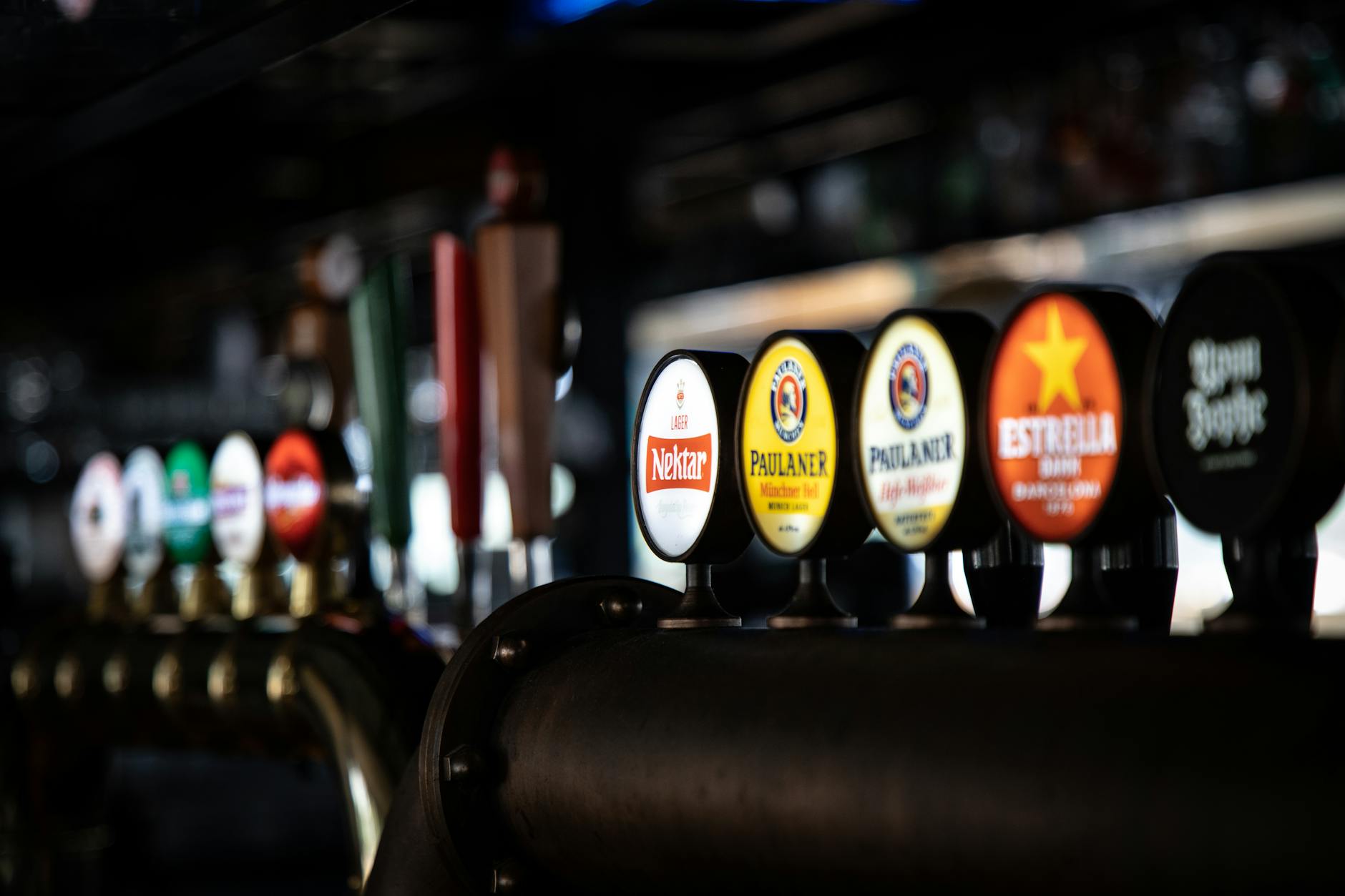
No Brussels nightlife guide would be complete without addressing the city’s extraordinary beer culture. Belgium’s brewing tradition — inscribed on UNESCO’s Intangible Cultural Heritage list — is best experienced in the bars and cafés that treat beer with the same reverence that wine bars bring to wine.
Essential Beer Bars
Delirium Café (Impasse de la Fidélité 4a) holds a Guinness World Record for the most beers available — over 2,000 at last count. While it is undeniably touristy, the selection is genuinely extraordinary, and the connected Delirium Village complex includes bars specialising in absinthe, tequila, and local jenever. Go for the spectacle and the beer list, but manage your expectations regarding atmosphere.
Moeder Lambic Fontainas (Place Fontainas 8) is a more discerning beer lover’s paradise, offering approximately 40 rotating draught beers and hundreds of bottles, with a strong emphasis on Belgian craft breweries and lambic producers. The staff are knowledgeable and passionate, and the terrace on Place Fontainas is one of the city’s best spots for an early evening beer. Their original location, Moeder Lambic Original in Saint-Gilles, offers a more local neighbourhood feel.
Poechenellekelder (Rue du Chêne 5) is a quirky puppet-themed bar directly opposite the Manneken Pis, with a cellar bar that stocks an excellent selection of Belgian beers. Despite its tourist-friendly location, it maintains a genuine Brussels character. Bier Circus (Rue de l’Enseignement 57) is a lesser-known gem near Place de la Liberté, with a focused selection of Belgian craft beers and food pairings in a relaxed setting.
Lambic and Traditional Café Culture
For a uniquely Brussels beer experience, seek out bars that specialise in lambic — the spontaneously fermented beer unique to the Senne valley. À la Mort Subite serves its own house lambics, and several other traditional cafés stock lambic, gueuze, faro, and kriek from producers like Cantillon, Drie Fonteinen, and Tilquin. Drinking a lambic in a century-old Brussels café is one of the city’s most authentic cultural experiences — far removed from the tourist beer bars but infinitely more rewarding. For more on Brussels’ beer heritage, see our Brussels Food Guide.
Live Music Beyond Jazz
Ancienne Belgique (AB)
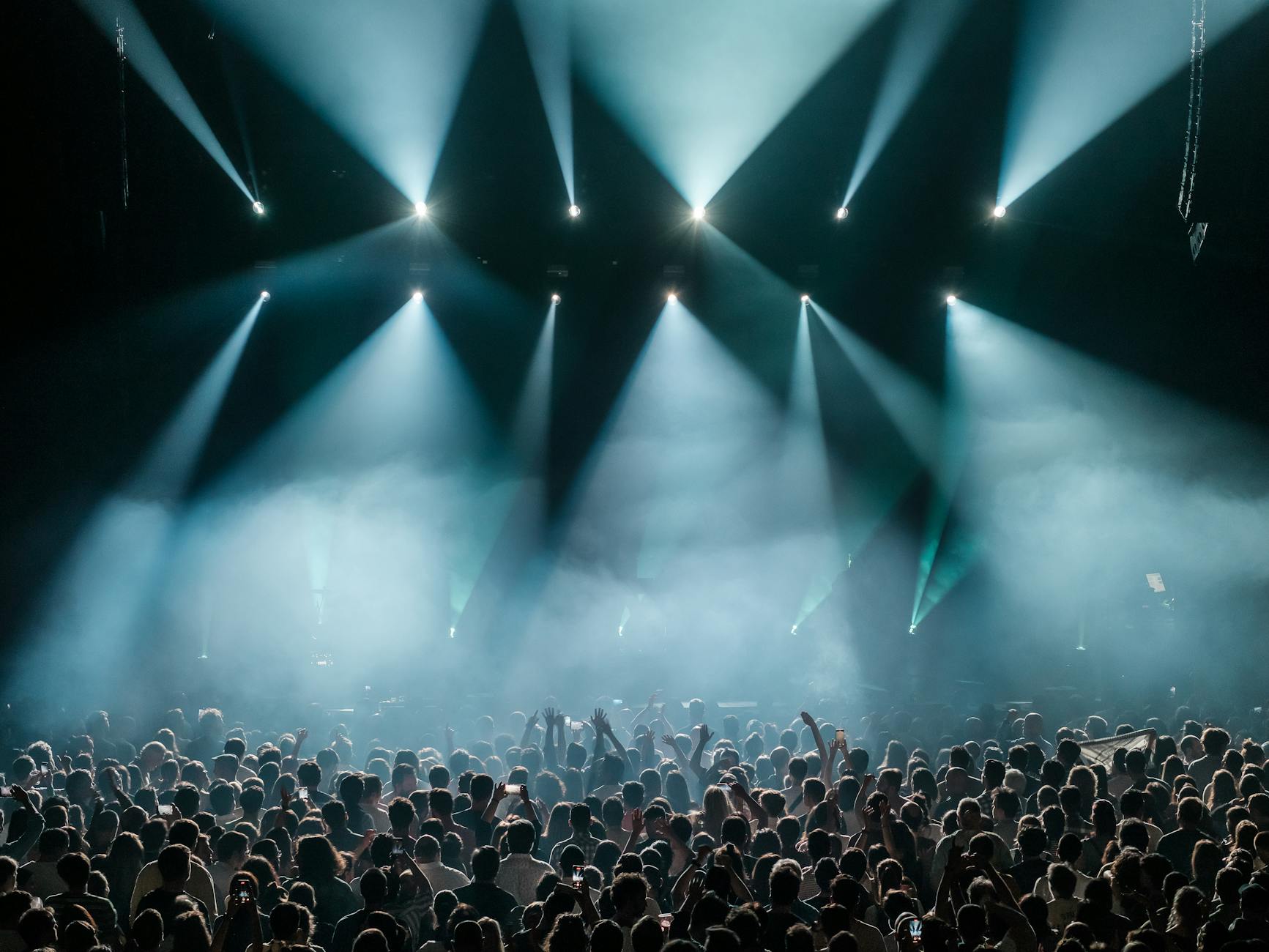
The Ancienne Belgique (Boulevard Anspach 110) is Brussels’ premier concert venue and one of the most respected live music halls in Europe. AB programs approximately 300 concerts per year across two halls — the main hall (capacity 2,000) and the smaller Club (capacity 300) — covering rock, pop, indie, electronic, hip-hop, world music, and everything in between. The venue has hosted everyone from Radiohead and Nick Cave to Stromae and Angèle. Sound quality is excellent, and the intimate scale means there are no bad seats. Check the programme in advance, as popular shows sell out quickly.
Botanique
Botanique (Rue Royale 236) is a cultural centre housed in the beautiful former greenhouses of the Brussels Botanic Garden. The venue operates several performance spaces of different sizes and programs an eclectic mix of concerts, club nights, and cultural events. Its annual Les Nuits Botanique festival — typically held in May — is a multi-day music festival that has become one of Brussels’ most important cultural events, showcasing emerging and established artists from Belgium and beyond.
Cirque Royal and Forest National
For larger-scale concerts, the Cirque Royal (Rue de l’Enseignement 81) is a beautiful 19th-century circular hall (capacity approximately 2,000) that hosts pop, rock, and classical performances in a stunning setting. Forest National (Avenue Victor Rousseau 208, Forest) is Brussels’ largest indoor concert venue (capacity approximately 8,000), hosting major touring acts and arena-scale shows. Both venues are easily accessible by public transport.
Smaller and Alternative Venues
Brussels’ live music ecosystem thrives in its smaller venues, which provide platforms for emerging artists and niche genres. Recyclart, located beneath the Chapelle station railway arches, programs experimental music, hip-hop, and community events in a distinctly alternative setting. Magasin 4 in the canal district is a DIY punk and underground music venue with a loyal following. Le Botanique’s Witloof Bar hosts free or low-cost acoustic sessions and DJ sets in a relaxed atmosphere.
Late-Night Dining
Brussels is one of the better European cities for late-night eating. Several options keep hungry nightlife explorers fed into the small hours.
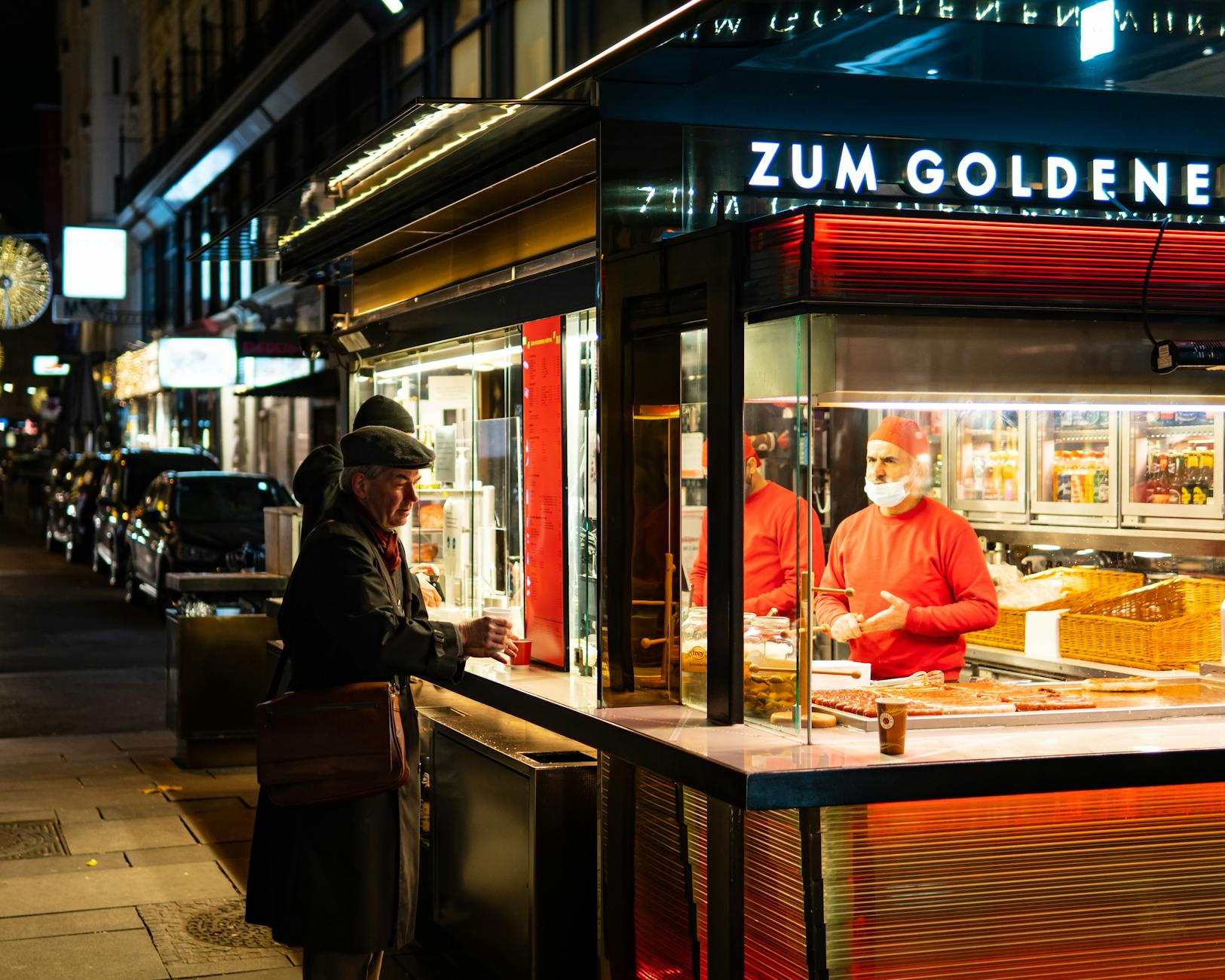
The friteries (chip shops) scattered throughout the city centre — particularly the famous Fritland near the Bourse and Maison Antoine on Place Jourdan — serve Belgian frites until late. These are the traditional Brussels late-night snack, and the queues at 2am testify to their enduring appeal.
Pitta (döner kebab) shops are ubiquitous in nightlife areas, particularly around Saint-Géry and the Grand Place. For sit-down late-night dining, several restaurants in the Sainte-Catherine area stay open until midnight or later, particularly the seafood restaurants on Quai aux Briques. Some Asian restaurants in the Ixelles area and along Chaussée de Wavre also maintain late hours.
Practical Nightlife Tips
When to Go Out
Brussels nightlife follows a later schedule than many visitors expect. Bars begin filling up around 9pm to 10pm, but the real energy arrives after 11pm. Clubs rarely get going before midnight and peak between 1am and 4am. Weekend nights (Friday and Saturday) are the busiest, but Thursday is also a popular going-out night, particularly among the student and young professional crowd. Sunday afternoon drinks — particularly at terraces in Saint-Géry and the Sablon — are a beloved Brussels tradition.
Getting Home Safely
The Brussels metro, tram, and bus network runs until approximately midnight on weekdays and 1am on Fridays and Saturdays. After that, the Noctis night bus network operates on 11 routes from the city centre to the suburbs, running every 30 minutes from midnight to 3am on Friday and Saturday nights. Taxis are readily available in nightlife districts, and ride-sharing apps like Uber and Bolt operate in Brussels. For detailed transport information, see our Brussels Transportation Guide.
Costs and Tipping
Brussels nightlife is generally more affordable than London, Paris, or Amsterdam. A beer in a bar typically costs €3.50 to €6, cocktails €10 to €15, and club entry ranges from free (for some bar-clubs) to €10–20 for major venues with international DJs. Tipping is not expected in bars — service is included in Belgian prices — but rounding up or leaving small change is appreciated. Table service in upscale venues like Spirito will be significantly more expensive, with champagne and bottle service available at premium prices.
Dress Code and Door Policies
Most Brussels bars and clubs have relaxed dress codes. Smart-casual is appropriate for the vast majority of venues. Exceptions include upscale clubs like Spirito and Bloody Louis, where a more fashion-conscious approach is advisable — trainers and sportswear may not be admitted. Most clubs do not operate strict door policies beyond age verification (18+), though some premium events may have guest lists or limited capacity.
Safety
Brussels is generally safe for nightlife, but standard common-sense precautions apply. Stick to well-lit and populated areas when walking at night, be aware of your surroundings in busy nightlife districts (pickpockets can operate in crowded areas), and use official taxis or ride-sharing apps rather than unlicensed vehicles. The city centre nightlife zones — Saint-Géry, Grand Place surroundings, and Ixelles — are well-patrolled and busy enough to feel safe. For general safety advice, see our Brussels Travel Guide.
Explore Nightlife in Depth
This guide is the overview. Each link below goes deeper on one part of it:
- Best Bars in Brussels — From Classic Beer Halls to Craft Cocktails
- Brussels Comedy Shows — English & French Stand-Up Guide
- Brussels Theatre & Performing Arts — La Monnaie, BOZAR, Dance & Opera
- Brussels Cinema & Film — Cinematek, Art House & Festival Guide
- Brussels LGBTQ+ Nightlife — Rue du Marché au Charbon, La Démence & Pride
Frequently Asked Questions
What time does nightlife start in Brussels?
Bars in Brussels begin filling up from 9pm to 10pm, with the atmosphere peaking after 11pm. Clubs rarely get going before midnight and reach peak energy between 1am and 4am. There is no legal closing time in Brussels, and many clubs stay open until 6am or later on weekends.
What is the best area for nightlife in Brussels?
Saint-Géry and Sainte-Catherine form the epicentre of Brussels nightlife, with the highest concentration of bars and clubs in a compact, walkable area. Ixelles offers more sophisticated options with cocktail bars, wine bars, and major clubs like Fuse and Spirito. The Marolles provides a more alternative, local scene.
Is Brussels nightlife expensive?
Brussels nightlife is generally more affordable than London, Paris, or Amsterdam. Beer typically costs €3.50–6 in bars, cocktails €10–15, and club entry €10–20. Table service and premium venues will be more expensive. Tipping is not expected as service is included in Belgian prices.
What is the legal drinking age in Brussels?
The legal drinking age in Belgium is 16 for beer and wine, and 18 for spirits. Most clubs require guests to be at least 18 years old for entry, regardless of what they intend to drink. ID may be checked at the door.
Are there any jazz clubs in Brussels?
Brussels has an excellent jazz scene. The Music Village near the Grand Place offers live jazz six nights a week. The Sounds Jazz Club in Ixelles hosts over 160 concerts annually. Jazz Station, in a restored former train station, is a beloved community venue. L’Archiduc, an Art Deco cocktail bar operating since 1937, has hosted legends including Nat King Cole and continues to present live jazz.
What is the best club for techno music in Brussels?
Fuse, founded in 1994 in a former cinema in the Marolles, is Belgium’s premier techno venue and one of Europe’s most respected electronic music clubs. C-12, located in the tunnels beneath Brussels Central station, offers a more underground experience combining techno and art installations.