Brussels’ Best Parks and Outdoor Adventures
Brussels is one of Europe’s greenest capitals. Over half of the Brussels-Capital Region is covered by green space, from formal palace gardens and landscaped parks to ancient beech forests and wild nature reserves. Whether you want to jog through a royal estate, cycle along a 60-kilometre green loop, picnic beside a lake, or walk through a UNESCO-listed forest, Brussels has outdoor experiences that rival any European city.
This guide covers the best parks, gardens, cycling routes, running paths, and outdoor activities in Brussels — from city-centre green spaces you can visit between museum trips to full-day nature excursions on the city’s doorstep. For all the top attractions, see our Top 25 Tourist Attractions in Brussels. For budget-friendly options, see our Free Things to Do in Brussels.
The Best Parks in Brussels
Bois de la Cambre
Brussels’ most beloved park is the Bois de la Cambre — a vast, English-style landscape park at the southern edge of the city that serves as the gateway to the even larger Forêt de Soignes beyond. Designed in 1861 by Édouard Keilig, the park features winding paths through mature woodland, open meadows, a large artificial lake with a small island (home to the Robinson Island café-bar, reached by ferry), and an atmosphere that feels more country estate than city park.
The Bois de la Cambre is where Brusselaars come to run, cycle, walk dogs, have picnics, play frisbee, and escape the urban noise. On weekends, parts of the park are closed to traffic, making it even more peaceful. The park connects directly to the Forêt de Soignes, meaning you can start a walk in the city and end up in ancient forest without crossing a single road. For hidden spots in the area, see our Brussels Hidden Gems Guide.
Access: Tram 8 from Louise. Free entry. Open daily.
Parc du Cinquantenaire
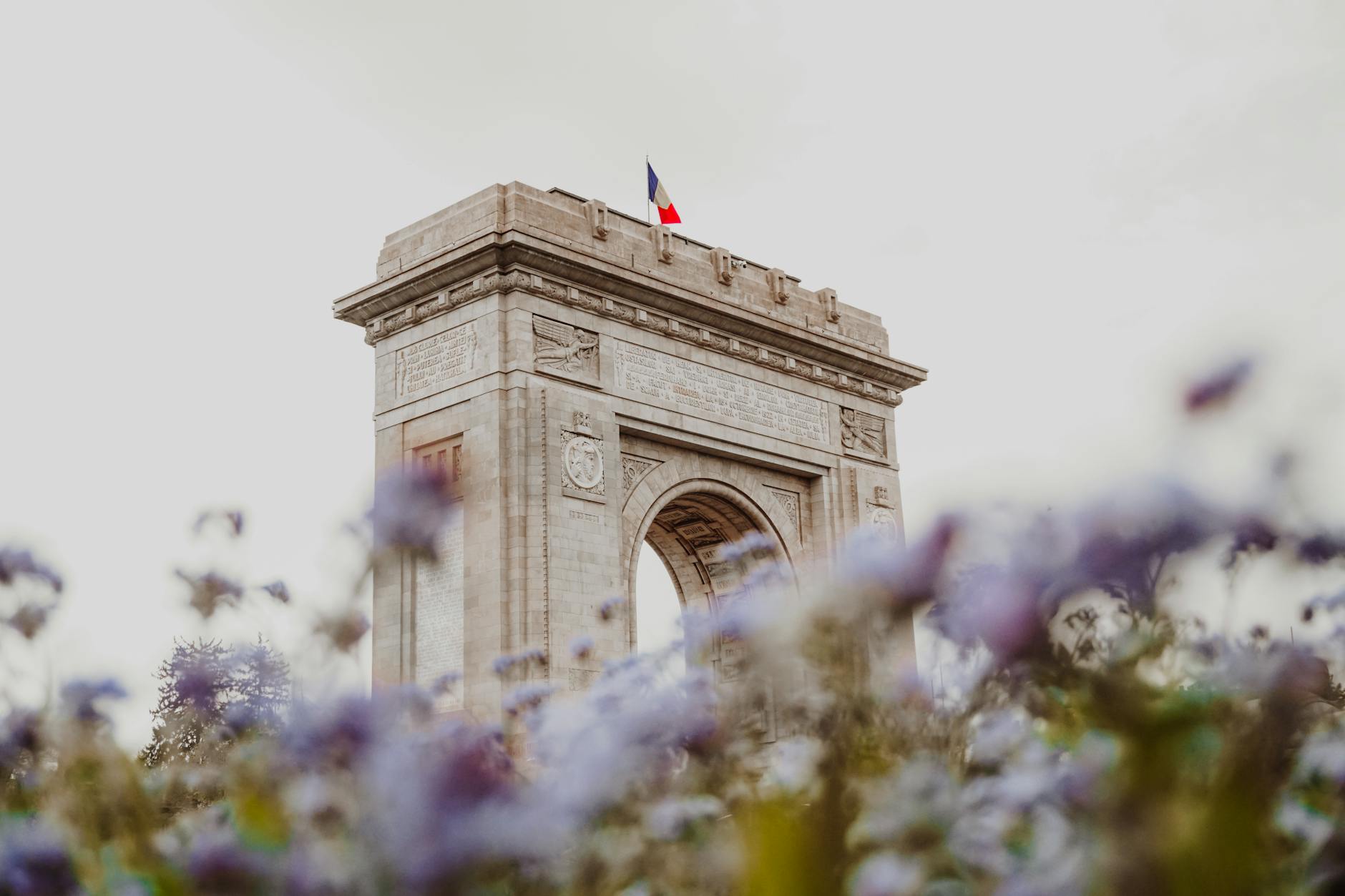
Built for Belgium’s 50th anniversary celebrations, the Parc du Cinquantenaire combines grand architecture with generous green space. The monumental triumphal arch dominates the park, and the surrounding lawns are large enough for serious games of football, frisbee, or just stretching out in the sun. The park is a popular jogging circuit — a full loop around the outer path is approximately 1.5 kilometres — and the combination of the arch, colonnades, and tree-lined avenues makes it one of the most photogenic running routes in Europe.
The park houses three museums (Military History, Autoworld, and the Art & History Museum), and the rooftop terrace accessible through the military museum offers panoramic views across the city. On summer evenings, locals bring blankets and picnics, and the atmosphere is relaxed and social.
Access: Metro Schuman or Mérode. Free entry. Open daily.
Parc de Bruxelles (Warandepark)
Situated between the Royal Palace and the Belgian Parliament, Brussels Park is designed in the formal French geometric style with symmetrical paths, a central fountain, clipped hedges, and mature plane trees. The park played a pivotal role in the 1830 Belgian Revolution — the trees and surrounding buildings still bear marks from the fighting. Today it is a peaceful retreat in the heart of the city, popular with office workers during lunch breaks and joggers in the early morning.
The park is compact enough to walk through in 15 minutes but pleasant enough to linger in for an hour. The Kiosk café operates in summer, and the park regularly hosts open-air events, concerts, and installations. Its position between the upper and lower town makes it a natural connector between the major cultural attractions.
Parc Josaphat
Schaerbeek’s Parc Josaphat is a genuine locals’ park with an English landscape design featuring rolling hills, a stream, mature trees, bridges, a bandstand, and generous open spaces. The park is less manicured than the city-centre parks, which gives it a relaxed, natural character. Families, joggers, dog-walkers, and picnickers use it throughout the year, and the surrounding streets feature some of Brussels’ finest Art Deco residential architecture.
Access: Tram 7 or 25. Free entry. Open daily.
Parc Duden
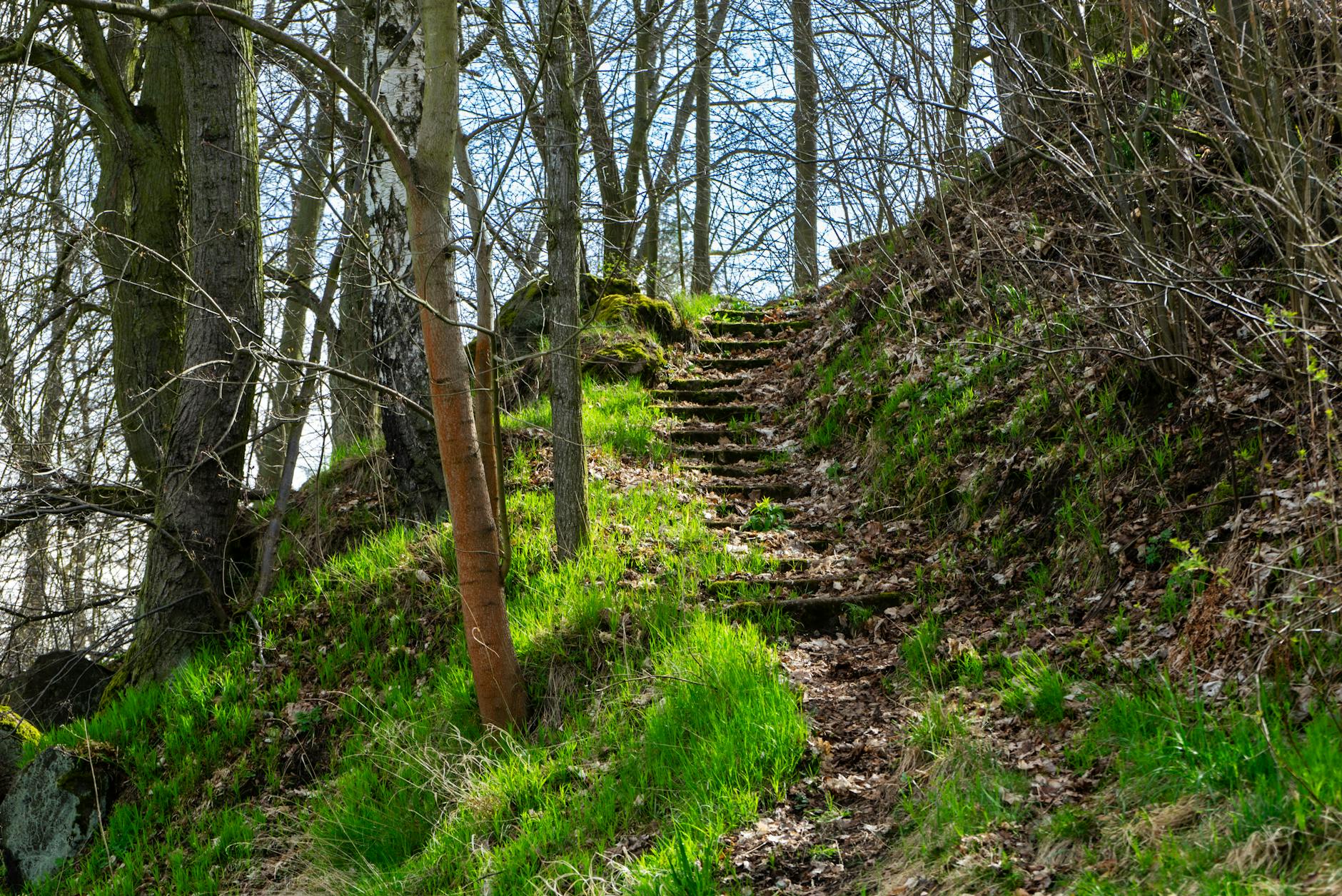
This steep, wooded hillside park in the Forest municipality is Brussels’ most nature-like park experience. Dense woodland, dramatic elevation changes, winding paths, and panoramic viewpoints over the Brussels basin make it feel more like a hiking trail than a city park. Parc Duden is a favourite with runners looking for hill training and walkers seeking genuine tranquillity. It connects to the Parc de Forest at its base, creating a continuous green corridor.
Access: Tram 4 to Altitude 100; check stib-mivb.be for works on the line before you travel. Free entry. Open daily.
Gardens and Green Spaces
Mont des Arts Gardens
The terraced gardens of the Mont des Arts offer the best panoramic view in the city centre — sweeping from the Grand Place area across to the Basilica of Koekelberg. The gardens are beautifully maintained with geometric flowerbeds and a central fountain, and they serve as a natural connector between the lower town and the upper town museum district. The clocktower carillon plays tunes on the hour. This is one of the most photographed viewpoints in Brussels and is completely free.
Petit Sablon Garden
Behind the Grand Sablon square, this enclosed garden features 48 bronze statuettes representing medieval guilds on its surrounding fence pillars, a central monument to the Counts of Egmont and Hoorn, and well-maintained flower beds. It is small but beautiful — a peaceful five-minute rest stop during a day of sightseeing, with benches surrounded by history and craft.
Parc d’Egmont
Hidden behind the buildings of Boulevard de Waterloo, the Parc d’Egmont is one of Brussels’ most secretive green spaces. This formal garden — once the grounds of the Egmont Palace — features sculpted hedges, classical statues, a fountain, and a remarkably peaceful atmosphere considering its location between the city’s busiest shopping street and the Sablon. A small replica of the Peter Pan statue from London’s Kensington Gardens adds a whimsical touch. The park is easy to miss — its entrances are discreet — which is part of its charm.
Le Botanique Gardens
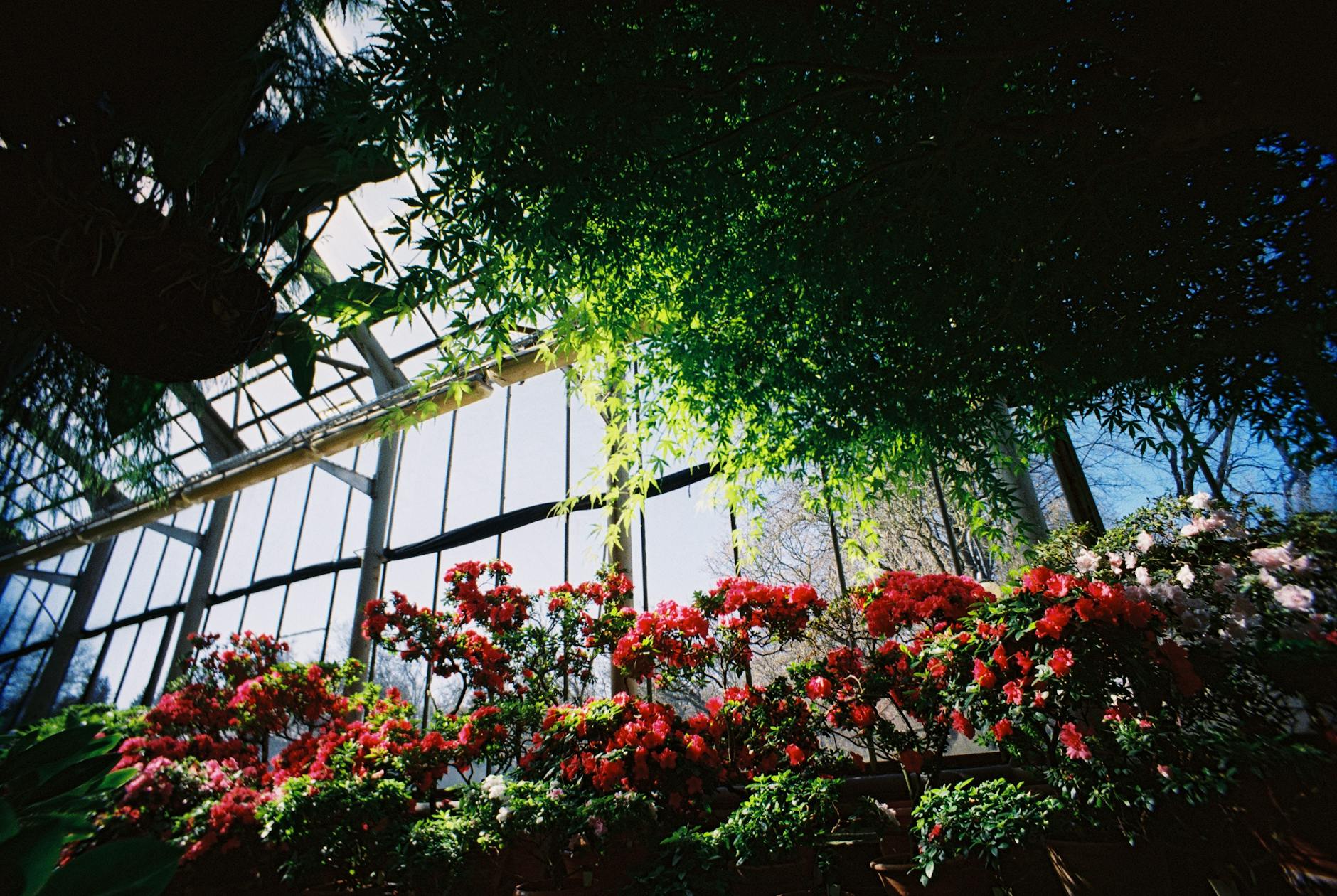
The former botanical garden near Rogier retains its beautiful 19th-century glasshouses and landscaped grounds, now operated as a cultural centre and concert venue. The gardens are free to enter and provide welcome green space in an otherwise commercial part of the city. The terrace café overlooking the gardens is a popular spot for locals.
Cycling in Brussels
The Promenade Verte (Green Walk)
Brussels’ most ambitious outdoor infrastructure is the Promenade Verte — a 60-kilometre circular route that loops around the entire Brussels-Capital Region, connecting parks, green spaces, forests, and nature reserves into one continuous trail. The route is divided into seven sections, each following a different character: some pass through dense woodland, others follow canal paths, and several traverse residential neighbourhoods with parks and gardens.
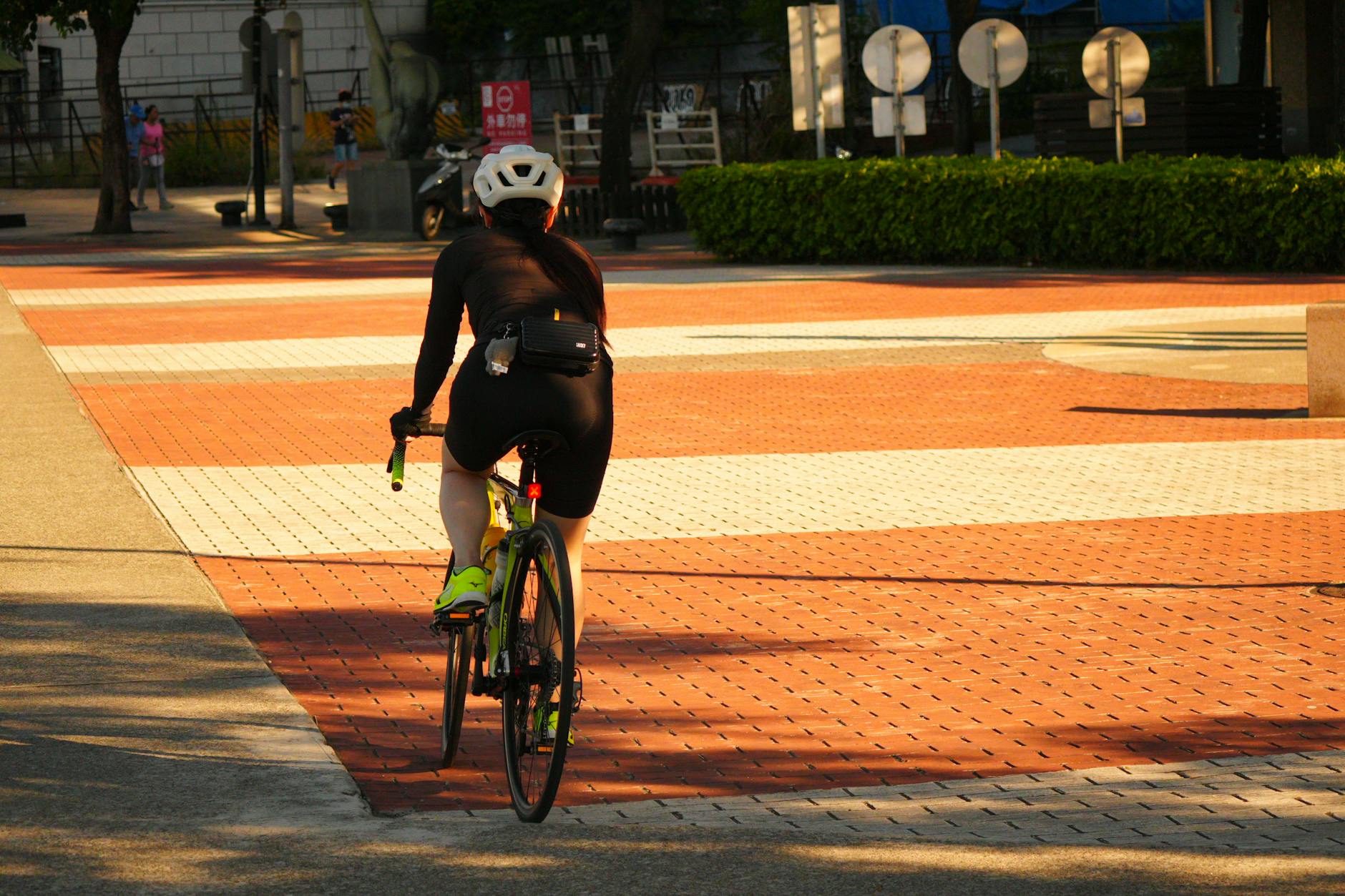
The Promenade Verte is well-signposted and accessible to both cyclists and walkers. Doing the entire loop is a full-day cycling adventure (approximately 4–6 hours depending on pace and stops), but individual sections can be tackled independently. The route provides a remarkable perspective on Brussels — revealing just how green and varied the city is beyond its tourist centre.
Villo! Bike Sharing
Brussels’ public bike-sharing system, Villo!, has over 350 stations across the city with approximately 5,000 bicycles available. A day pass costs just €1.60, and the first 30 minutes of each trip are free — meaning you can use Villo! for short hops between attractions at minimal cost by docking and re-docking every 30 minutes. The system covers the entire city centre and extends into surrounding municipalities. For more transport options, see our Brussels Getting Around Guide.
Canal Cycling Path
The towpath along the Brussels-Charleroi Canal provides a flat, traffic-free cycling route that runs through the evolving Canal district — past the Kanal Centre Pompidou, former industrial buildings being converted into creative spaces, and the waterfront areas where Brussels’ urban renewal is most visible. The path extends south beyond the city limits, connecting to longer cycling routes through Wallonia.
Running in Brussels
Best Running Routes
Brussels offers excellent running terrain for all abilities. The most popular routes include the Parc du Cinquantenaire loop (1.5 km, flat, well-lit), the Bois de la Cambre trails (variable distances, 3–10 km, mixed terrain), the canal towpath (flat, any distance), and the Promenade Verte sections (rolling terrain, scenic). For hill training, Parc Duden and the Forêt de Soignes offer challenging gradients.
The Brussels 20K — one of Europe’s oldest city running events, held annually in May — takes participants on a scenic route through the city’s parks, past major landmarks, and through the European Quarter. The event draws over 40,000 runners and is a major annual highlight. Parkrun events are also held weekly in several Brussels parks.
The Ixelles Ponds Circuit
The two connected ponds in Ixelles — surrounded by mature trees, elegant Art Deco apartments, and the Place Flagey — provide a popular short running circuit of approximately 1.5 kilometres. The flat terrain and scenic water views make it a favourite with local joggers, and the proximity to Café Belga and the Flagey area means you can easily combine a run with a post-exercise coffee or beer.

The Forêt de Soignes — Brussels’ Ancient Forest
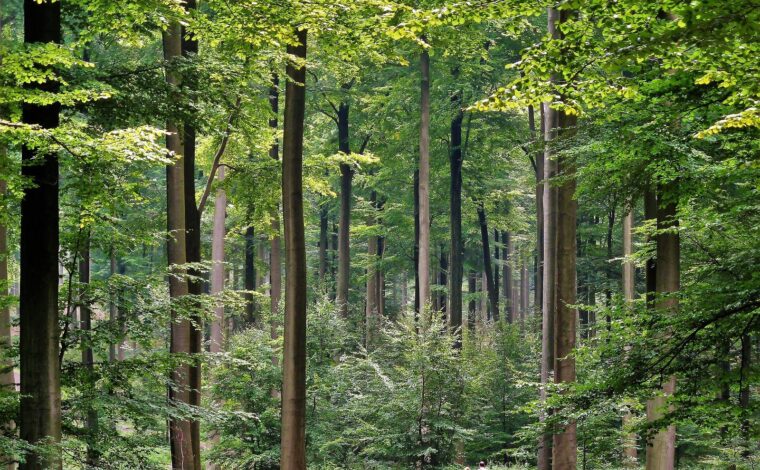
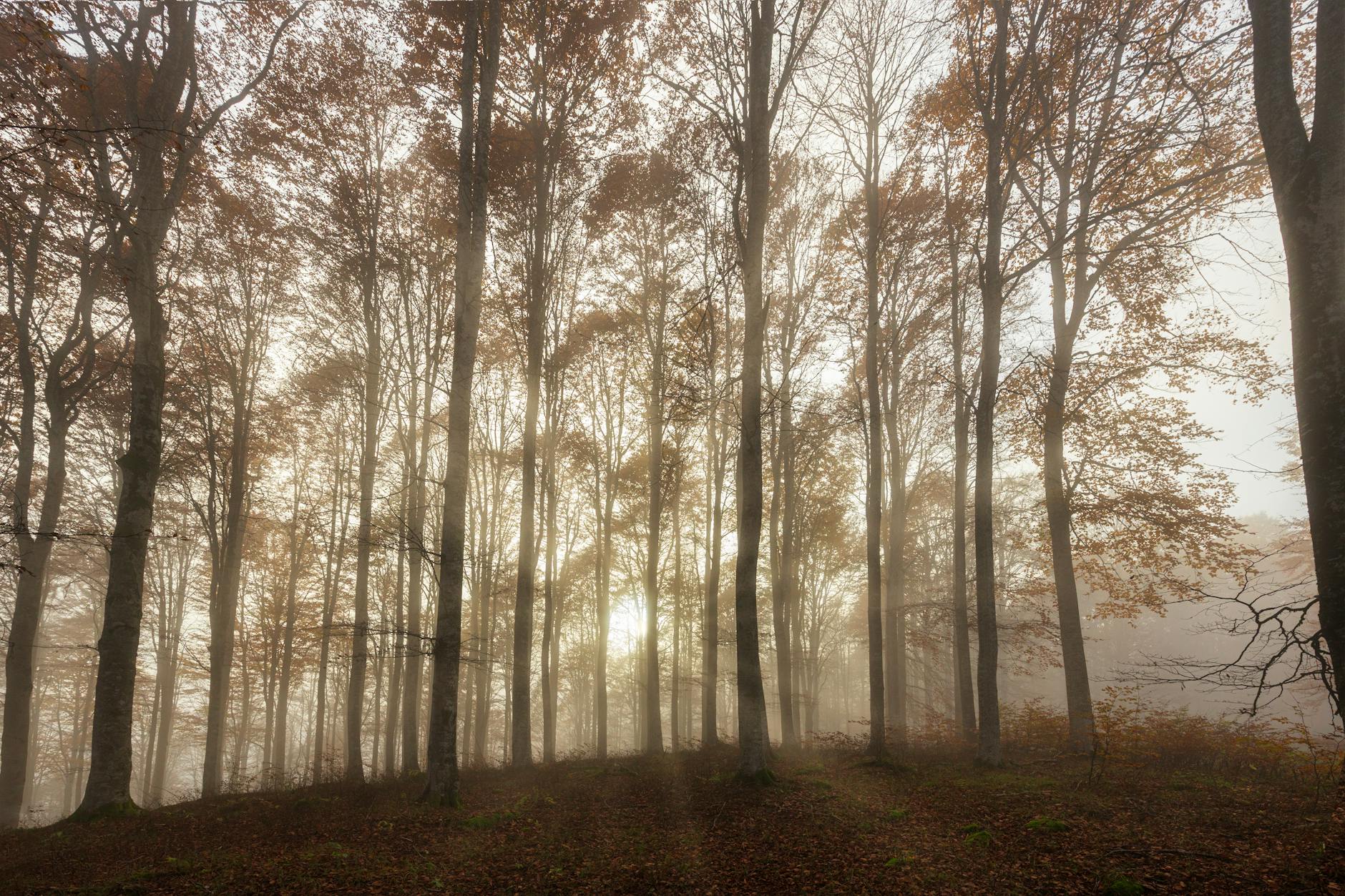
On the southeastern edge of the Brussels-Capital Region lies one of Europe’s most remarkable urban forests. The Forêt de Soignes (Sonian Forest) is a 4,421-hectare beech forest that has existed continuously since the last Ice Age. Parts of the forest — particularly the Cathedral Beech section with its towering, column-like trees — are inscribed on the UNESCO World Heritage List as part of the “Ancient and Primeval Beech Forests of the Carpathians and Other Regions of Europe.”
The forest is accessible directly from the Bois de la Cambre and is crisscrossed by walking trails, jogging paths, cycling routes, and equestrian paths. The atmosphere inside the forest — particularly in the Cathedral Beech section where the tall, straight trunks filter light like the pillars of a Gothic church — is genuinely awe-inspiring. The forest supports significant biodiversity, including wild boar, foxes, and over 100 species of birds.
For a half-day excursion, walk or cycle from the Bois de la Cambre into the Forêt de Soignes via the Drève de Lorraine. The transition from manicured park to ancient forest happens gradually and is one of Brussels’ most remarkable outdoor experiences.
Access: Tram 8 to Bois de la Cambre, then walk south. Also accessible from Groenendaal or Tervuren stations. Free entry. Open daily.
Outdoor Activities by Season
Spring (March–May)
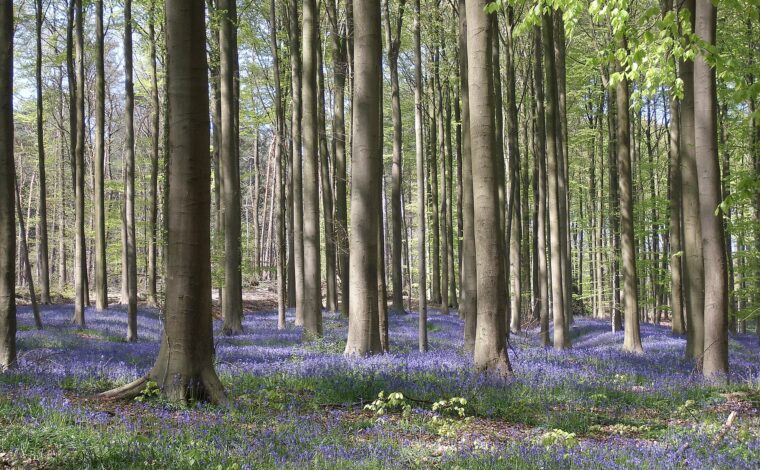
Spring is Brussels’ most spectacular outdoor season. The Royal Greenhouses of Laeken open to the public for approximately three weeks (usually late April to mid-May), offering a once-a-year chance to explore the extraordinary glass pavilions of King Leopold II. The parks burst with cherry blossoms, daffodils, and tulips. The Bois de la Cambre and Forêt de Soignes are carpeted with bluebells in late April and early May — a sight worth planning a trip around. Temperatures are comfortable for walking and cycling (12–18°C), and the days grow noticeably longer.
Summer (June–August)
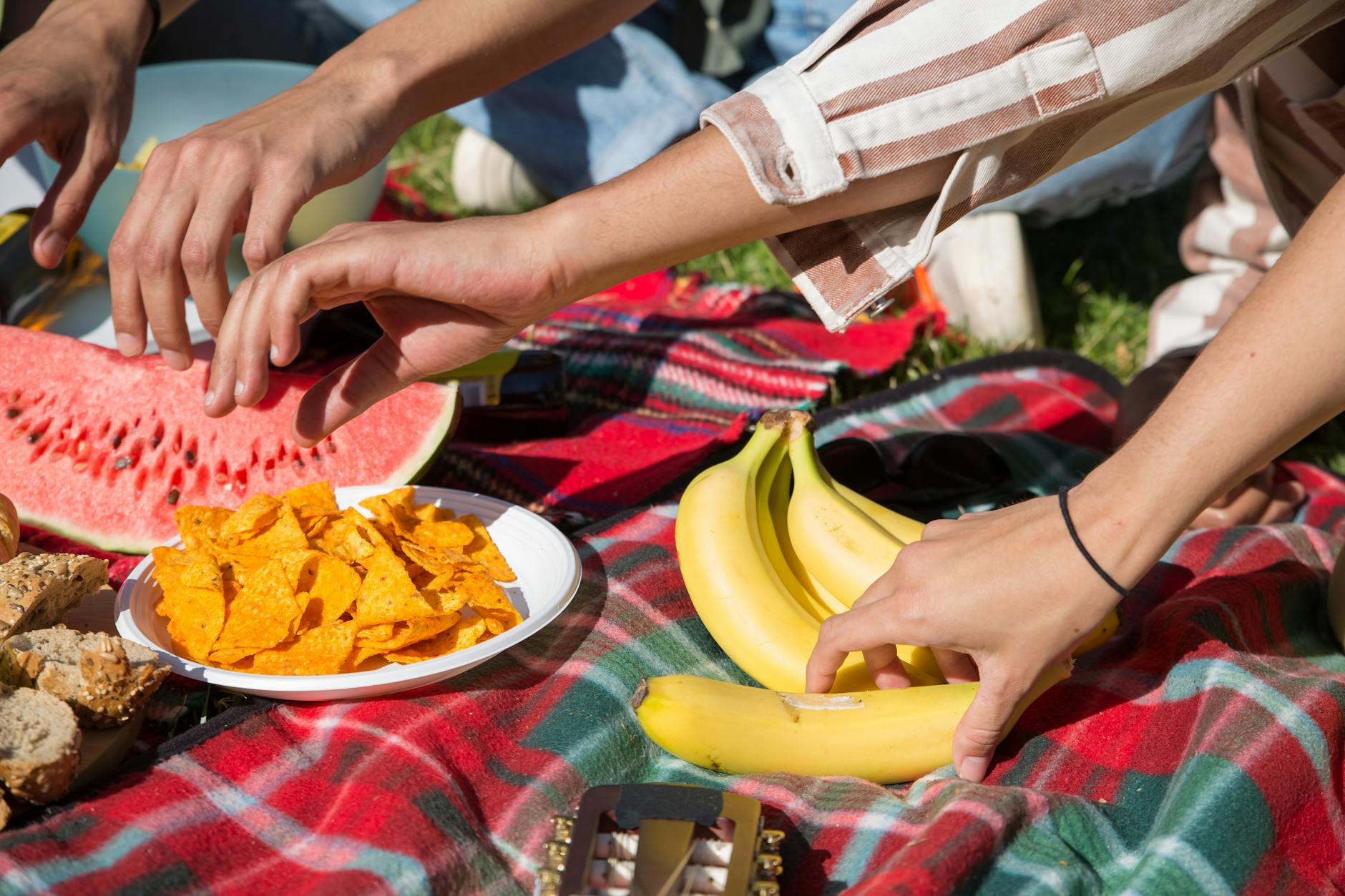
Brussels’ parks come alive in summer. Brussels les Bains (Brussels Beach) transforms the canal banks into an urban beach with sand, palm trees, sports, and live music from mid-July to mid-August. Outdoor cinema screenings, concerts, and festivals take place in parks across the city. The Bois de la Cambre becomes a social hub for picnics, barbecues, and open-air sports. Long summer evenings — with sunset after 10pm in late June — are perfect for extended park visits and sunset drinks at lakeside or rooftop venues.
Autumn (September–November)
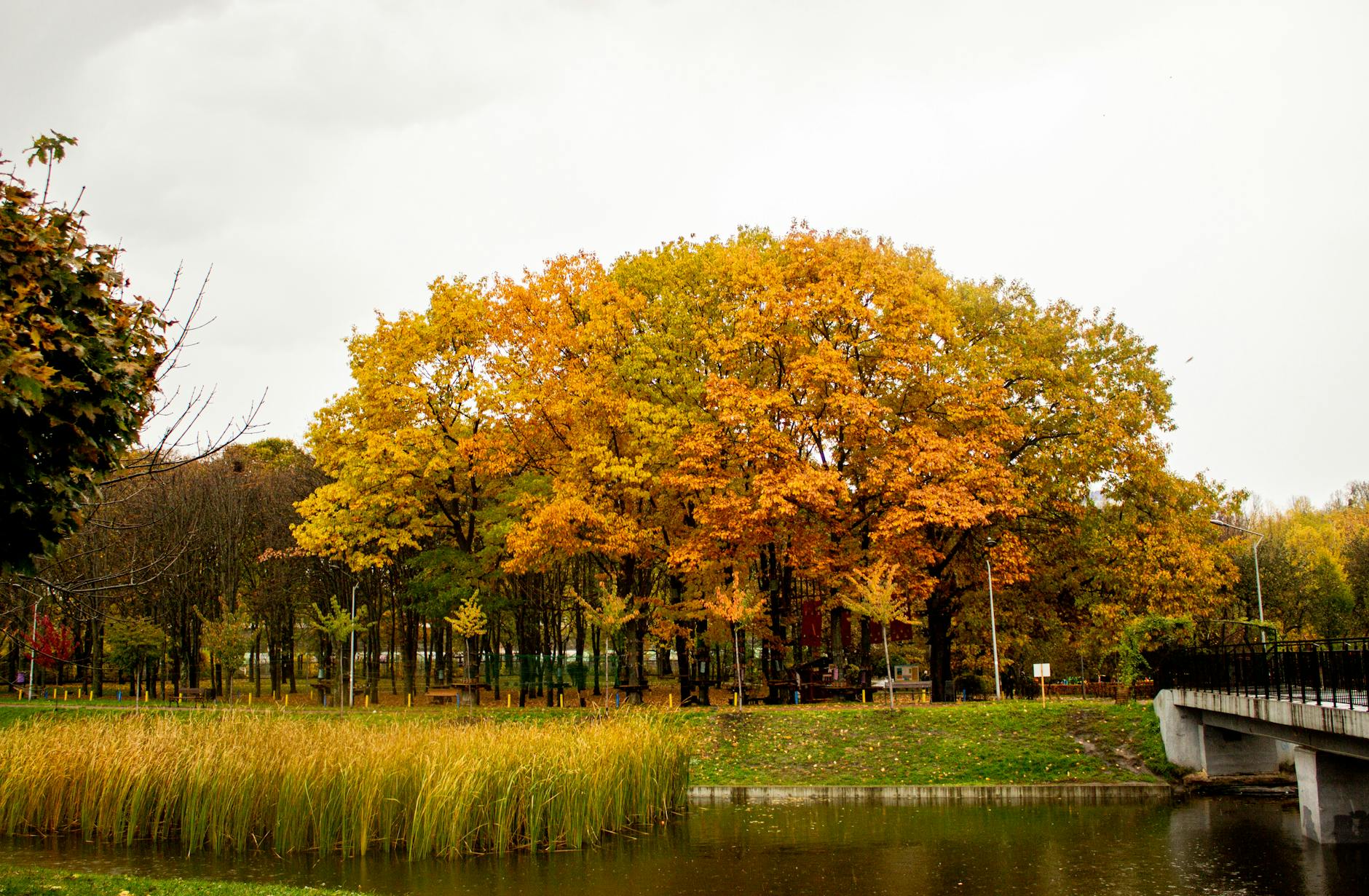
The Forêt de Soignes and Parc Duden are spectacular in autumn when the beech and oak trees turn golden and amber. The light in the Cathedral Beech forest during October is some of the most beautiful in the Brussels region. Markets featuring seasonal produce, mushrooms, and Belgian comfort food complement the outdoor walks. Temperatures remain comfortable for walking (8–15°C) through October, and the crowds thin significantly after the summer season.
Winter (December–February)
While Brussels’ outdoor scene slows in winter, the Christmas market on the Grand Place and Boulevard Anspach creates a festive atmosphere. The parks are quieter and often beautiful on frosty mornings. The Forêt de Soignes occasionally receives snow, transforming the beech forest into a winter wonderland. Indoor markets, museum visits, and warm café stops complement shorter winter walks.
Practical Tips for Outdoor Brussels
What to Wear
Brussels weather is unpredictable — rain is possible in any season. Layered clothing and a light waterproof jacket are essential year-round. Comfortable walking shoes with good grip are important, as many park paths are unpaved and Brussels’ cobblestone streets can be uneven. In summer, sun protection is advisable during midday hours.
Water and Facilities
Public drinking water fountains are available in most major parks. Toilets are less common — use museum or café facilities when available. Most parks have benches but limited shade in open areas, so bring your own blanket for picnics. The Bois de la Cambre and Forêt de Soignes have limited facilities inside, so carry water and snacks.
Safety
Brussels’ parks are generally safe during daylight hours. As with any city, it is advisable to avoid isolated areas of larger parks after dark. The Bois de la Cambre and Forêt de Soignes are best enjoyed during daylight. Cycling on shared paths requires courtesy — Belgian law gives priority to pedestrians.
Of everything on this list, the Forêt de Soignes deserves more than an hour squeezed into a busy day. It covers more than 4,000 hectares of cathedral beeches, parts of it are UNESCO-listed, and it’s reachable by tram 44, by train to Groenendaal or by metro to Rouge-Cloître. Our Sonian Forest guide covers the best gateways, the walks worth doing and when the forest looks its best.
Related Brussels Guides
Keep planning with these companion guides:
- The Ultimate Guide to Things to Do in Brussels — the full guide to the ultimate guide to things to do in brussels
- Top 25 Tourist Attractions in Brussels You Can’t Miss — the full guide to top 25 tourist attractions in brussels you can’t miss
- 15 Best Free Things to Do in Brussels — the full guide to 15 best free things to do in brussels
Frequently Asked Questions
What is the best park in Brussels?
The Bois de la Cambre is generally considered Brussels’ best park — a vast English-style landscape with a lake, woodland, meadows, and a direct connection to the Forêt de Soignes. For city-centre parks, the Parc du Cinquantenaire offers the best combination of green space, architecture, and museums. For nature and tranquillity, Parc Duden is a favourite with locals.
Can you cycle in Brussels?
Yes, Brussels has extensive cycling infrastructure including the 60-kilometre Promenade Verte loop, canal towpaths, and dedicated cycling lanes in many parts of the city. The Villo! bike-sharing system provides affordable short-term bicycle rental with over 350 stations. Parks like the Bois de la Cambre and the Forêt de Soignes have dedicated cycling paths.
Is the Forêt de Soignes worth visiting?
Absolutely. The Forêt de Soignes is a UNESCO World Heritage Site and one of Europe’s most remarkable urban forests, with ancient beech trees that have stood for centuries. The Cathedral Beech section is particularly impressive. It is free to enter and accessible directly from the Bois de la Cambre park.
Are Brussels parks free?
Yes, all public parks in Brussels are free to enter, including the Bois de la Cambre, Parc du Cinquantenaire, Parc de Bruxelles, Parc Josaphat, Parc Duden, and the Forêt de Soignes. Some museums within parks charge admission, but the green spaces themselves are always free.