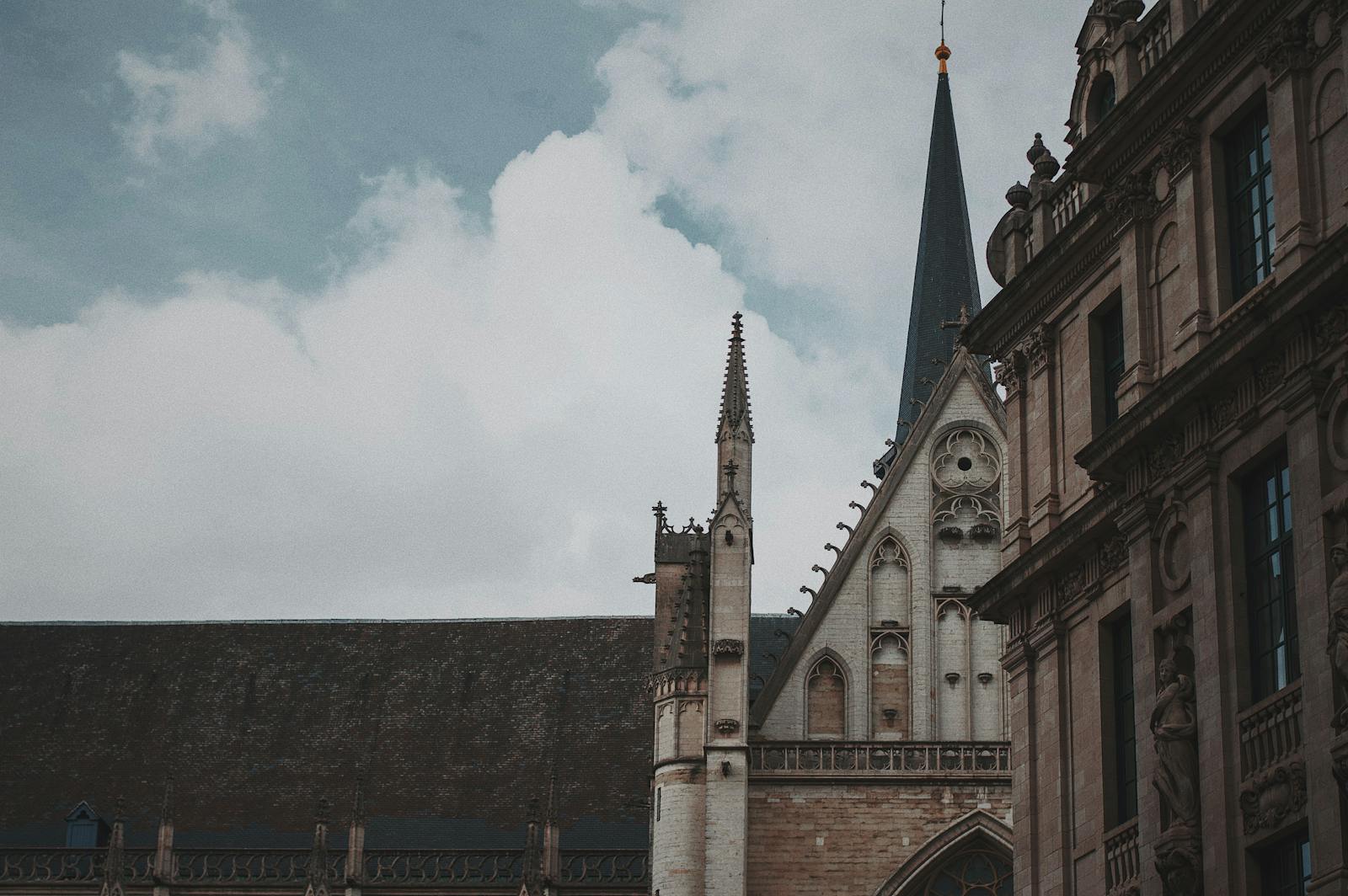
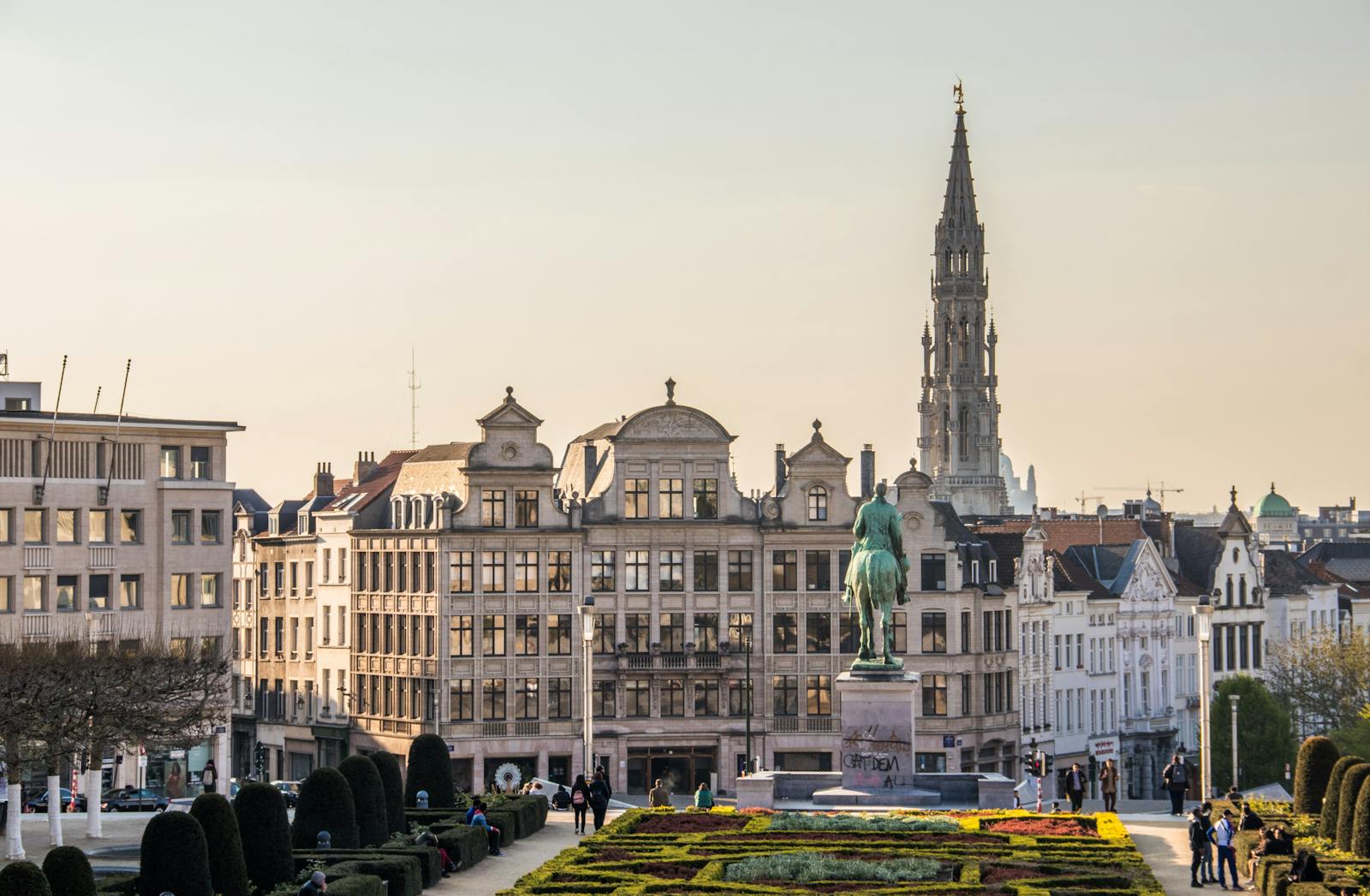
Brussels hosts three UNESCO World Heritage Sites — the Grand Place, four Major Town Houses of Victor Horta, and the Stoclet Palace. Two are visit-friendly with strong tourist infrastructure; one is glimpsed only from the street. This Brussels UNESCO sites guide for 2026 covers what each site is, how to visit (or how to view), why UNESCO inscribed it, and how to combine all three into a single comprehensive heritage day.
Brussels UNESCO Sites: Quick Summary
| Site | Year Listed | Type | Access |
|---|---|---|---|
| Grand Place | 1998 | Urban square | Always open, free |
| 4 Victor Horta Town Houses | 2000 | Art Nouveau buildings | 1 fully open (Horta Museum); 3 limited or facade only |
| Stoclet Palace | 2009 | Art Nouveau mansion | Closed to public; view from street |
Brussels UNESCO Sites: La Grand-Place
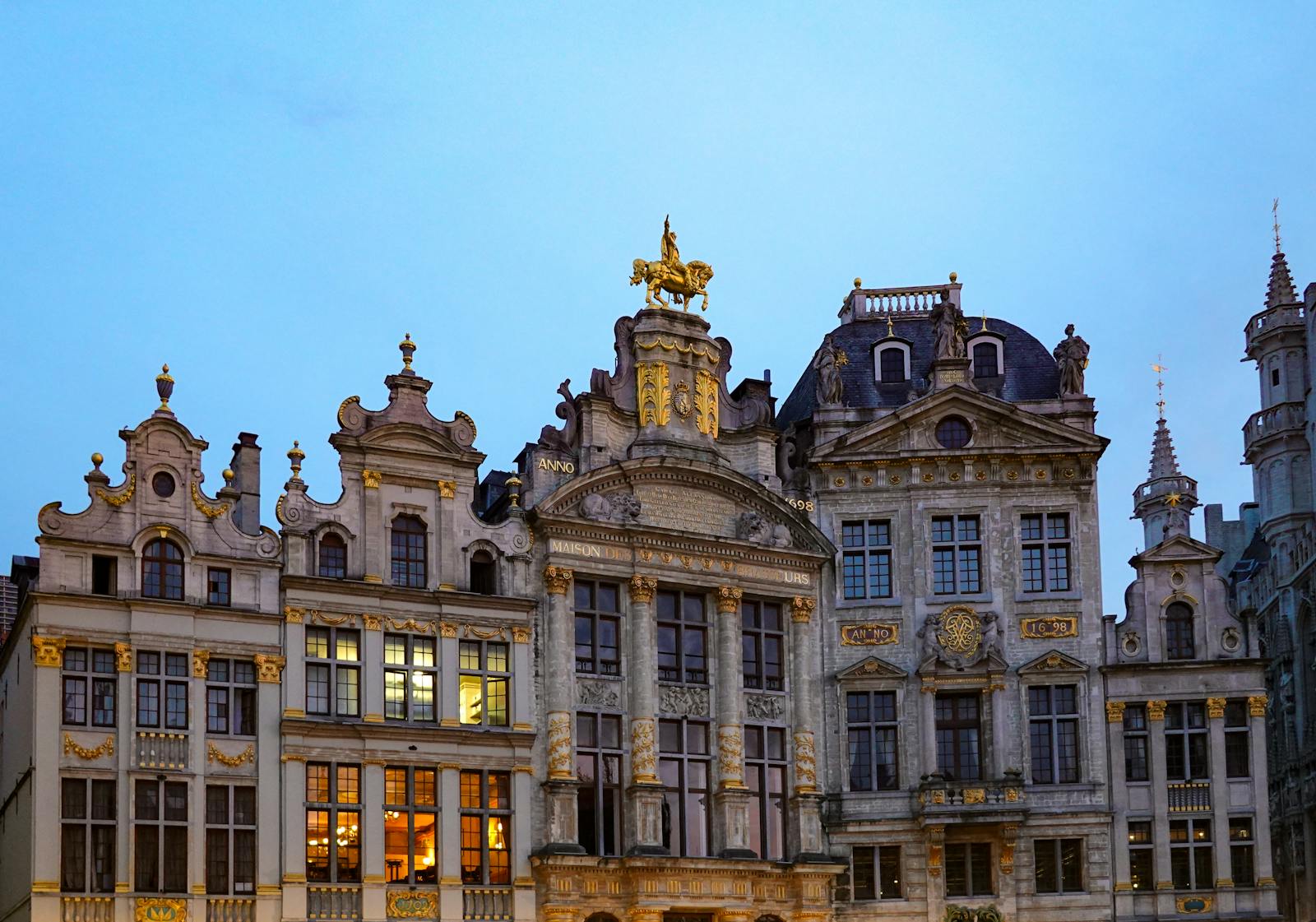
The Grand Place is Brussels’ iconic central square and the most accessible of the three Brussels UNESCO sites — always open, always free, the heart of Brussels tourist experience.
UNESCO inscription
UNESCO inscribed the Grand Place in 1998, describing it as “an outstanding example of the eclectic and highly successful blending of architectural and artistic styles” and noting that the square “illustrates in an exceptional way the evolution and achievements of a highly successful mercantile city of northern Europe at the height of its prosperity.” The cobblestone square dates back to the 12th century but most of the surrounding buildings date from the 1698-1700 reconstruction after the French bombardment of 1695.
What you see today
- Town Hall (Hôtel de Ville): The only pre-bombardment building to substantially survive. 1402-1455 Brabantine Gothic. 96-metre tower with Saint Michael statue at top.
- Maison du Roi (Bread House): Houses the Museum of the City of Brussels. €8 entry; covers Grand Place history.
- Guild Houses: 35 individual buildings, each rebuilt by a separate Brussels trade guild between 1698-1700. Names include “The She-Wolf” (archers), “The Ship” (boatmen), “The Star” (the smallest), “The Swan” (butchers).
- Brussels City Museum: Inside Maison du Roi. Allow 90 minutes; €8.
- Manneken Pis museum: Brussels’ famous statue’s “wardrobe” (he has 1,000+ costumes). €5; open Tuesday-Sunday 10:00-17:00.
When to visit
The Grand Place rewards specific timing:
- Morning (07:00-08:30): Empty, atmospheric, best for solo photographers.
- Late afternoon golden hour (60 min before sunset): Warm light on Baroque facades.
- Evening 18:00-22:00: The buildings are floodlit; particularly stunning in autumn/winter.
- August Flower Carpet (biennial, even-numbered years): 1,800 m² of begonias cover the square for 4 days mid-August. The most photogenic moment in the Brussels tourist calendar.
- December Christmas market: Winter Wonders transforms the square late November to early January.
Brussels UNESCO Sites: Victor Horta Town Houses
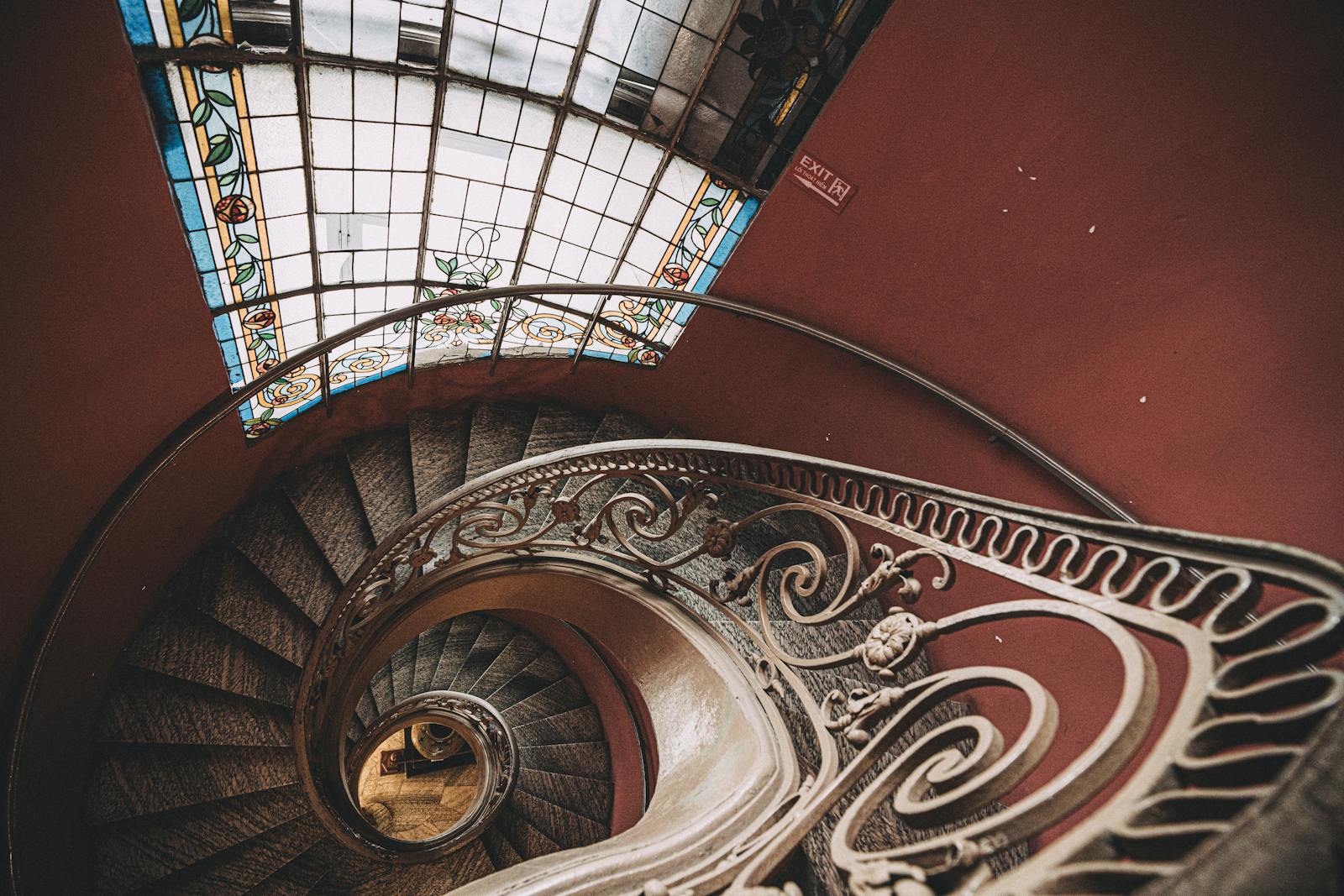
The second Brussels UNESCO site (inscribed 2000) consists of four town houses designed by Victor Horta — the architect who invented Art Nouveau in Brussels. UNESCO recognises them as “outstanding examples of Art Nouveau” and “works of human creative genius, representing the highest expression of the influential Art Nouveau style in art and architecture.”
The four houses
- Hôtel Tassel (1893-94) — Rue Paul-Émile Janson 6, Ixelles. The world’s first true Art Nouveau building. Private residence — facade only.
- Hôtel Solvay (1894-1900) — Avenue Louise 224, Ixelles. Horta’s most lavish residential work. Limited guided tours; pre-book months ahead via hotelsolvay.com.
- Hôtel van Eetvelde (1895-1901) — Avenue Palmerston 2-4, Brussels. Famous for its octagonal glass-roofed salon. Private residence — facade only.
- Maison & Atelier Horta (1898-1901) — Rue Américaine 25, Saint-Gilles. Now the Horta Museum. The only Horta house with full interior access. Open Tuesday-Sunday 14:00-17:30. €12 admission.
Visiting strategy
The Horta Museum is the centerpiece — Horta’s own home and studio, preserved as he designed it. Beyond that, the other three Horta houses are best visited via facade walks. The annual BANAD Festival (March-April) opens many private Art Nouveau houses for one weekend — your single best chance to see private interiors.
For more on the wider Brussels Art Nouveau context, see our Art Nouveau architecture Brussels guide.
Brussels UNESCO Sites: Stoclet Palace
The third Brussels UNESCO site (inscribed 2009) is the most enigmatic — the Stoclet Palace at Avenue de Tervueren 281, in Brussels’ Woluwe-Saint-Pierre commune. UNESCO describes it as “a private mansion built by architect Josef Hoffmann between 1905 and 1911 for banker and art lover Adolphe Stoclet.”
What’s special
- Vienna Secession masterpiece: Designed by Austrian architect Josef Hoffmann; one of the purest examples of Vienna Secession style outside Austria.
- Gustav Klimt mosaics: The interior contains a series of mosaic panels by Gustav Klimt (1911) — the “Stoclet Frieze” including the famous “Expectation” and “Fulfillment” mosaics.
- Total artwork: The building was conceived as a “total work of art” (Gesamtkunstwerk) — every detail from architecture to furniture, lighting, and decorative arts unified.
- Original commission: €100,000 in 1905 — equivalent to many millions today.
The visiting reality
The Stoclet Palace remains privately owned by the Stoclet family descendants and is not open to the public. The best you can do is view the exterior from Avenue de Tervueren — the wrought-iron gates allow a partial view of the facade. Photography is permitted from the street.
Occasional special access events happen sporadically; check the visit.brussels website for any opportunity. The site has been the subject of preservation debates since UNESCO listing.
How to visit (the exterior)
- Address: Avenue de Tervueren 281, 1150 Bruxelles (Woluwe-Saint-Pierre).
- Getting there: Tram 7 to Tervueren stop (15 minutes from Square Marie-Louise); or Bus 36.
- Best viewing time: Daytime; the building is set back from the street, partially hidden by trees and gates.
- What to look for: Cubic geometry, marble facing, gilded metalwork at corners.
Brussels UNESCO Sites: One-Day Combined Tour
A focused day touring all three Brussels UNESCO sites — including the only one with public interior access — is genuinely feasible:
- 09:30 — Start: Brussels-Central station. Walk to Grand Place.
- 10:00 — Grand Place (1 hour). Walk the square, visit Brussels City Museum (Maison du Roi).
- 11:30 — Walk to the Horta Museum (via tram, 25 min). Or take a quick lunch break in Sablon.
- 13:00 — Lunch in Saint-Gilles near the Horta Museum.
- 14:00 — Horta Museum (Rue Américaine 25). 90 min visit. The only Horta house with full interior access.
- 16:00 — Optional walk to Hôtel Tassel facade (Rue Paul-Émile Janson, 15 min walk).
- 16:30 — Travel to Stoclet Palace (Tram 7 from Avenue Louise to Tervueren area; 40 min).
- 17:15 — Stoclet Palace exterior viewing (15 minutes from the street).
- 17:45 — Return to central Brussels (Tram 7).
- 19:00 — Dinner at Sablon or Pentagon.
Brussels UNESCO Sites: Worldwide UNESCO Context
Belgium has 16 UNESCO World Heritage Sites (15 cultural, 1 natural). Brussels’ three are part of Belgium’s broader UNESCO collection:
- Flemish Béguinages: A serial property of 13 béguinages across Flanders.
- Belfries of Belgium and France: 32 medieval belfries including the iconic Bruges Belfry.
- Plantin-Moretus House, Workshop and Museum Complex (Antwerp).
- Notre Dame Cathedral in Tournai.
- Neolithic Flint Mines at Spiennes (Mons).
- The Four Lifts on the Canal du Centre.
- Notable historic centres: Bruges historic centre; Mons; Brussels’ three sites.
- Belgian colonial architecture: Brussels and Antwerp contain several Le Corbusier-influenced works of architecture.
- Natural heritage: Ancient and Primeval Beech Forests of the Carpathians (Belgian section).
Brussels UNESCO Sites: Practical Tips
Practical considerations for the Brussels UNESCO sites visitor:
- Plan around Horta Museum closing: Closed Mondays; open 14:00-17:30 Tuesday-Sunday. Plan your visit to start at 14:00 to maximise interior time.
- Hôtel Solvay tours sell out months ahead. If interior access matters, book 3-4 months in advance via hotelsolvay.com.
- Stoclet Palace is genuinely closed. Don’t waste a trip to Woluwe-Saint-Pierre expecting entry — view from street only.
- BANAD Festival (March-April): Brussels Art Nouveau and Art Deco festival opens many private houses for one weekend. Best Hong Solvay alternative.
- Brussels Card includes Horta Museum and Brussels City Museum (Maison du Roi).
- Photography: Free at Grand Place exterior, Horta Museum (no flash), and Stoclet Palace exterior (from street). Hôtel Solvay limited.
- Accessibility: Grand Place mostly cobblestone (challenging for wheelchairs); Horta Museum has step access only; Stoclet Palace street viewing is accessible.
Brussels UNESCO Sites: Quick Reference
| Site | Year | Cost | Time |
|---|---|---|---|
| Grand Place + Museum of City of Brussels | 1998 | Square free; museum €8 | 90 min |
| Horta Museum | 2000 | €12 | 90 min |
| Hôtel Solvay tour (book months ahead) | 2000 | €20+ | 60-90 min |
| Hôtel Tassel / van Eetvelde (facade) | 2000 | Free | 15 min each |
| Stoclet Palace (exterior) | 2009 | Free | 15 min |
Related Brussels Guides
Keep planning with these companion guides:
- Brussels History and Culture — From Medieval Origins to Capital of Europe
- History of Brussels — 1,400 Years from Medieval Town to EU Capital
- Brussels European Union Capital — Visit the EU Institutions
- Royal Palace Brussels Guide — Summer Opening, Tickets & History
Useful Resources
- UNESCO World Heritage List — Brussels entries
- visit.brussels UNESCO heritage
- Horta Museum (official)
Frequently Asked Questions
How many UNESCO sites are in Brussels?
Three: the Grand Place (inscribed 1998), the four Major Town Houses of architect Victor Horta (2000), and the Stoclet Palace (2009).
Can I visit all the Brussels UNESCO sites?
Grand Place is always open and free. Of the four Horta Houses, only the Horta Museum has full interior access (€12, Tue-Sun 14:00-17:30). Hôtel Solvay offers limited pre-booked tours. The Stoclet Palace is closed to the public — viewing from the street only.
What’s the best Brussels UNESCO site to visit?
The Grand Place — free, always open, the heart of Brussels’ tourist experience. The Horta Museum (one of the 4 Horta Houses) is the only Horta site with full public access.
Why is the Stoclet Palace closed to the public?
It remains privately owned by descendants of the original commissioner (banker Adolphe Stoclet). The family has not opened it to public visits despite UNESCO listing in 2009.
What’s the most photographed Brussels UNESCO site?
The Grand Place — particularly during golden hour and during the biennial Flower Carpet (August, even-numbered years).
Are Belgian UNESCO sites in Brussels different from elsewhere?
Brussels’ three are distinct from Belgium’s broader UNESCO collection. Other Belgian UNESCO sites include the Bruges historic centre, the Flemish Béguinages serial property, the Belfries of Belgium and France serial property (32 belfries), and others.
Final Thoughts
Brussels UNESCO sites are accessible enough to cover meaningfully in a single day — start with the Grand Place, do the Horta Museum interior, and end with a Stoclet Palace street viewing for a full UNESCO trifecta. For more, see our Grand Place Brussels guide and Art Nouveau architecture Brussels.