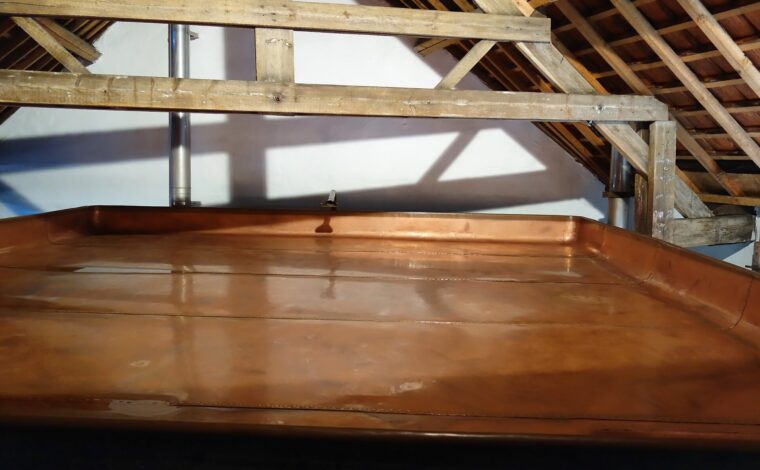
The first thing a good guide will tell you in Brussels is that the beer you are about to drink was not, strictly speaking, made by anyone. It was made by the air. Lambic is fermented by wild yeasts that live in the Senne valley and drift in through a deliberately leaky roof, which is why it cannot be brewed convincingly anywhere else on earth and why a Brussels beer tour is one of the few guided experiences in this city that genuinely tells you something you could not have worked out alone.
This page is about the bookable products — guided tasting walks, brewery visits, museum tickets and the tours worth paying a guide for. It is not a list of bars; if you want to know where to drink rather than what to book, our guide to craft beer bars in Brussels covers the venues. Prices were checked in September 2026; treat them as the right order of magnitude, because tasting tours reprice with the beer they pour.
What Beer Costs in Brussels: The At-a-Glance Table
| Experience | Typical price | Length | Worth it? |
|---|---|---|---|
| Cantillon self-guided visit | €9 (3 beers included) | 60–75 min | Yes — the best €9 in the city |
| House of Belgian Brewers, Grand-Place | €5 (beer included) | 30–40 min | Yes, as a cheap half-hour |
| Brasserie de la Senne guided visit | From ~€20 (4 tastings) | 90 min | Yes, if you can get on one |
| Guided beer walking tour, 3–4 beers | €45–70 | 3 hrs | Only if the beers are named |
| Premium beer tour with food | €75–110 | 3.5–4 hrs | As a substitute for dinner |
| Full-day Trappist/abbey coach trip | €90–150 | 8–10 hrs | Rarely — see below |
| Drinking in a good bar unaided | €4.50–8 a glass | As long as you like | Always |
The Short Verdict
Brussels is the rare city where the cheapest beer experience is also the best one. Nine euros gets you into Cantillon, the last traditional lambic brewery inside the city, with three beers and the run of a working nineteenth-century plant. No €80 tour improves on that, and several are simply that visit with a guide talking over it.
Book a paid guided tour if you want the drinking organised for you, if you want someone to explain the difference between a gueuze and a kriek while you taste them side by side, or if you are a group who would otherwise spend two hours arguing about where to go next. Do not book one on the assumption that a guide unlocks access — with one or two exceptions, everything on a Brussels beer tour is a place you could walk into yourself.
The Breweries You Can Actually Visit
Cantillon, Anderlecht
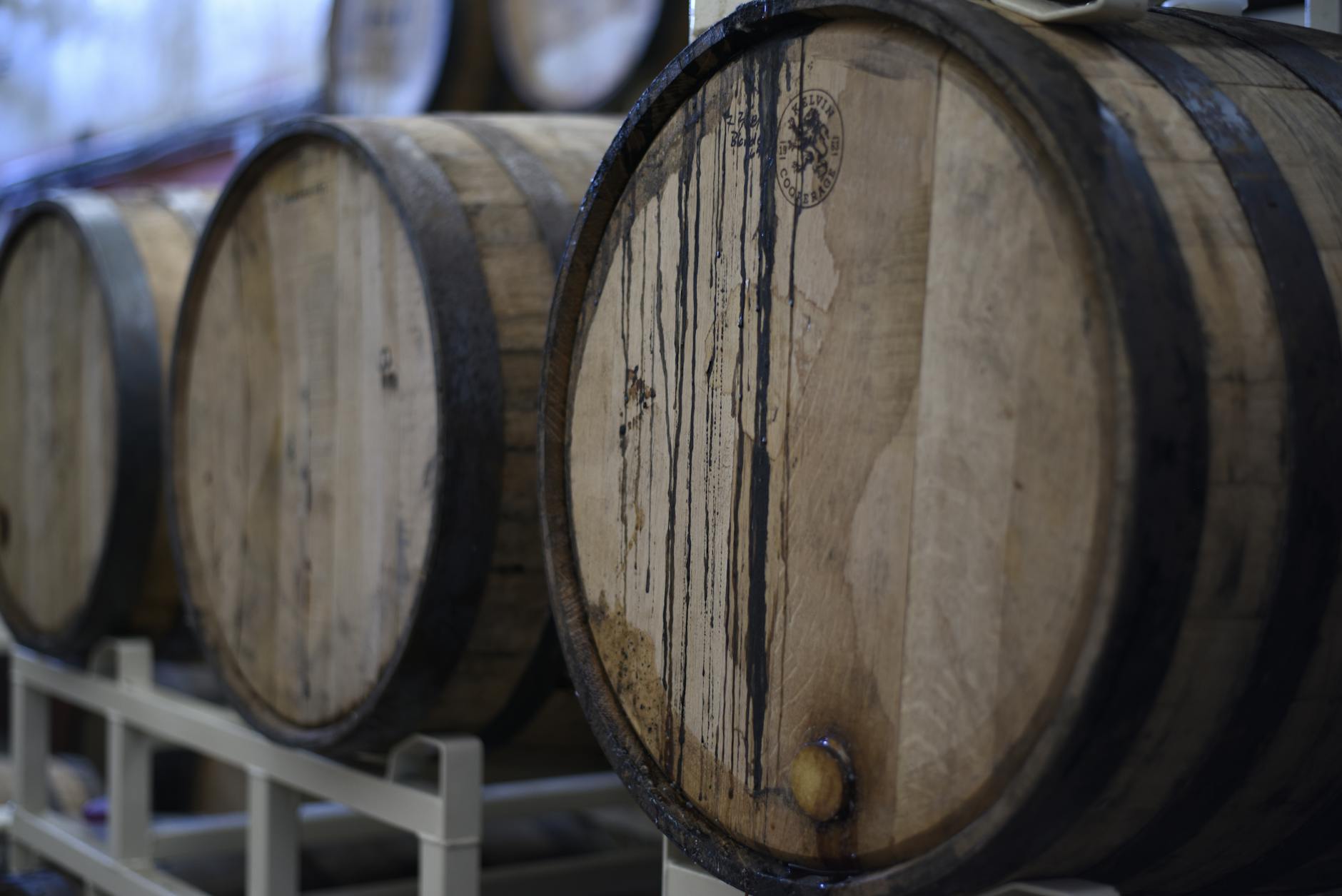
The one that matters. Cantillon has been making lambic in the same building since 1900, and the visit is deliberately unpolished: you walk through the brewhouse, the cooling tun room with its open louvres, and the barrel cellar, reading signs, at your own pace, with three beers at the end. It costs €9. Guided tours run on Saturdays only and must be booked ahead; the self-guided visit does not need booking but does need you to check the closed days, because it shuts on Wednesdays and Sundays.
Two warnings. First, this is a working brewery, not an attraction — brewing season runs roughly October to April, and outside it you see the equipment cold. Second, the beer is genuinely sour. If you have never had a straight lambic, order the gueuze first and the kriek second, and do not be the person who spits it out in front of the family that has been making it for four generations.
Brasserie de la Senne, Molenbeek
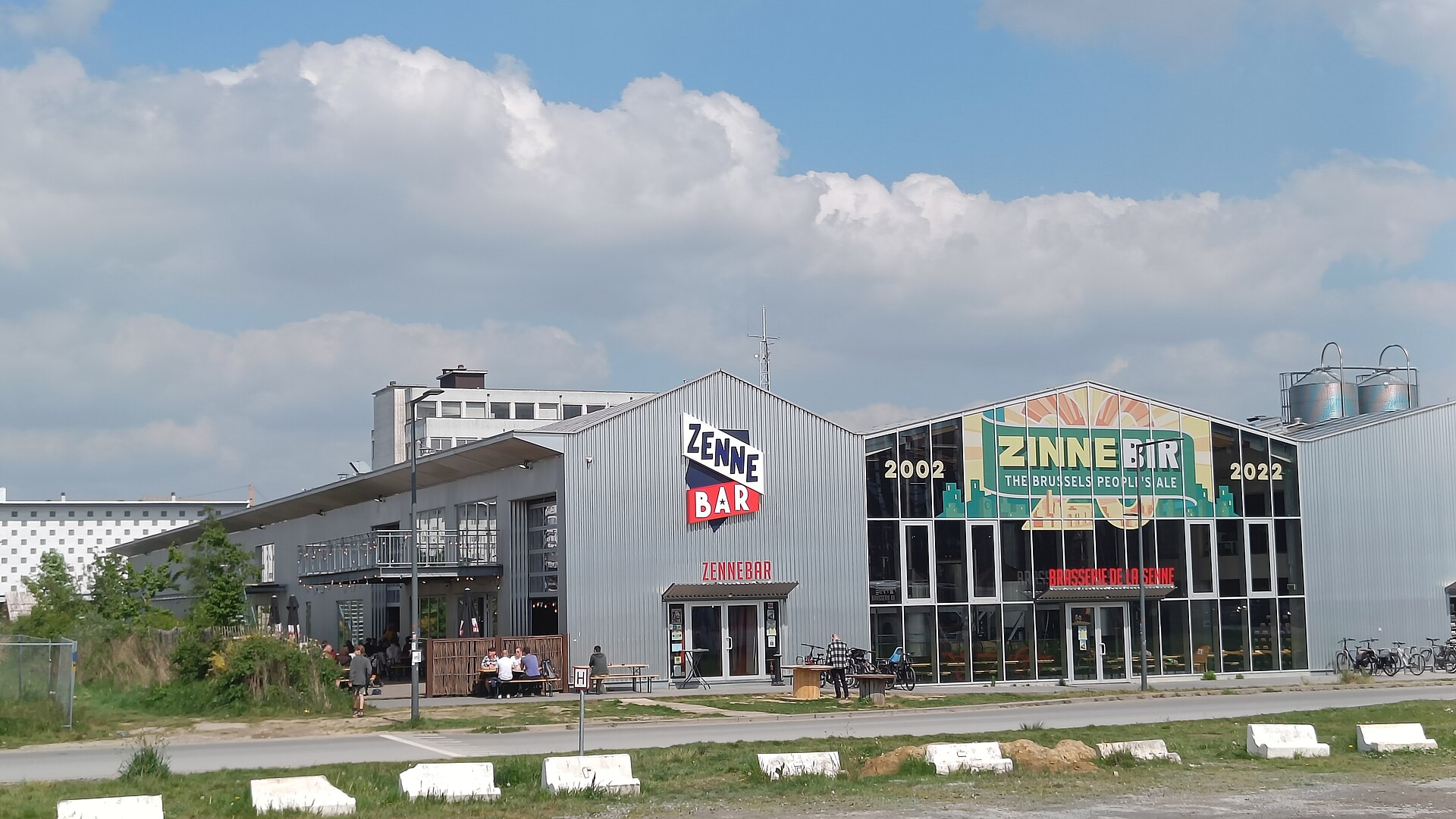
The city’s most respected modern brewery, named after the river that was buried under Brussels in the 1870s, and the makers of Zinnebir and Taras Boulba. Its site on the canal in Molenbeek-Saint-Jean includes the Zennebar taproom, which is open to walk-ins and is one of the better places to drink in the west of the city.
Guided brewery visits with tastings start at around €20 for four beers, but they are organised principally for groups — typically fifteen or more — and are arranged by appointment rather than sold as a daily ticket. Individuals are better off going to the Zennebar and asking, or joining a walking tour that has the visit built in. Check the brewery’s own site for current arrangements before making a special trip.
The newer city breweries
Brussels has had a genuine brewing revival over the last fifteen years, and several of the newer operations run taprooms in their brewhouses — Brussels Beer Project near the Dansaert quarter and En Stoemelings in the north of the city among them. Opening arrangements vary a great deal and some open only at weekends, so check before travelling across town. What you get is a taproom rather than a guided visit, which for most people is the better evening anyway.
The House of Belgian Brewers
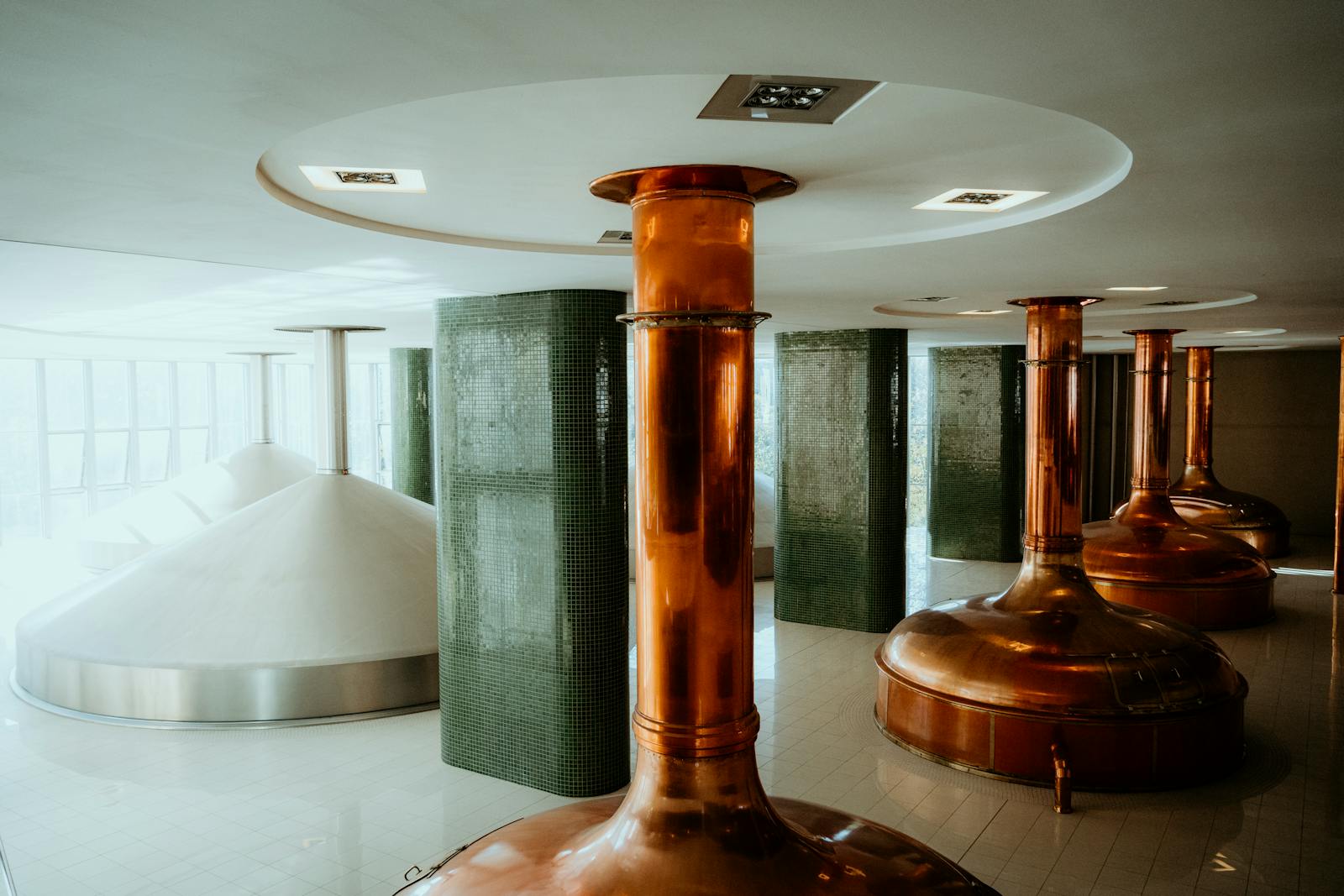
At number 10 on the Grand-Place, in the guildhouse the brewers have occupied since the seventeenth century, sits a small museum that costs €5 and includes a beer at the bar downstairs. It holds eighteenth-century brewing vessels, fermentation tubs, a copper kettle and a collection of antique mugs and carafes, and it takes about half an hour.
It is open 11:00–17:00 Monday and Wednesday to Friday, 12:00–17:00 at weekends, and closed on Tuesdays. Nobody would call it a great museum — it is one room and a cellar — but €5 for a beer and a look inside a Grand-Place guildhouse is difficult to argue with, and it is the only way most visitors will ever get through one of those doors. Our Grand-Place guide covers what else is behind the façades.
What a Guided Beer Tour Actually Gets You
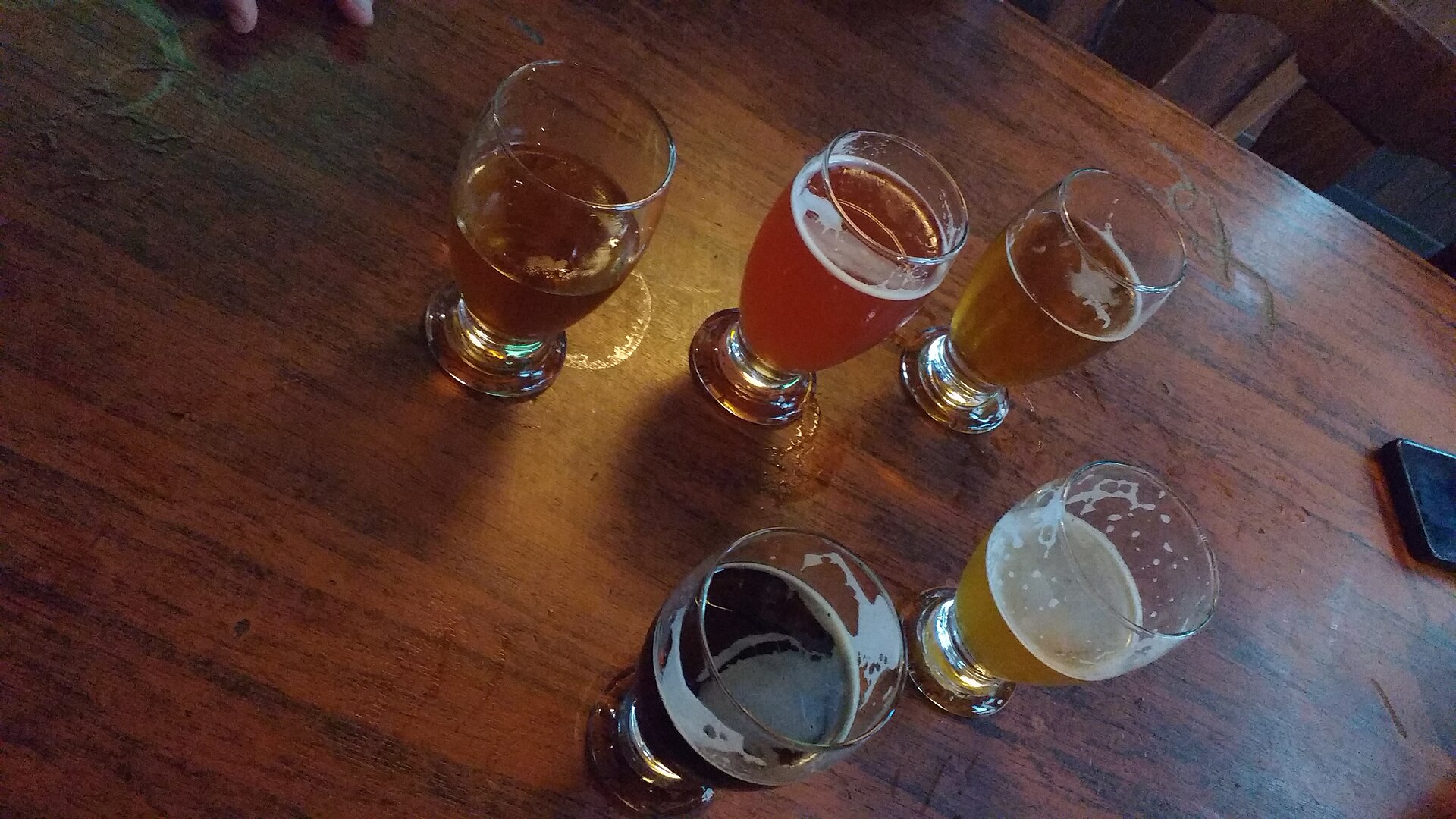
A typical Brussels beer walking tour runs three hours, visits three or four bars, includes four to six beers, and costs €45–70. The good ones are structured as a tasting progression — a witbier, a lambic, a dubbel or tripel, something dark — with the guide explaining what changed between each. The bad ones are a pub crawl with commentary.
The single question that separates them is whether the operator names the beers before you book. An itinerary that says “four Belgian beers” is buying whatever is cheapest on the day; one that says “Cantillon Gueuze, Taras Boulba, Westmalle Tripel and a Rochefort 8” has been designed by someone who cares. Ask before paying.
Small-group specialist tours — lambic-focused walks around Anderlecht and the Payottenland edge, or blind tastings led by a beer sommelier — sit at the top end at €70–110 and are the only tours where a guide is doing something you could not do yourself. If you are going to spend serious money on beer here, spend it on one of those rather than on a longer crawl.
Tours We Would Not Book
- The bus-plus-beer-museum combination. Sold from about €13, which sounds like a bargain until you notice it is a sightseeing bus ticket with a €5 museum stapled to it. Our hop-on hop-off guide explains why the bus half is the weak half.
- Full-day Trappist coach trips. €90–150 for a long day in a minibus. Most Trappist abbeys do not admit visitors to the brewery at all — the beer is sold at a shop or a café outside the walls — so what you are buying is a drive through the Ardennes and a tasting you could have had in Brussels for a tenth of the price.
- Anything centred on the Delirium complex. The alley off Rue des Bouchers holds a genuinely enormous beer list and is a perfectly good stop on a night out, but it is not an insight into Belgian brewing and it does not need a guide. Walk in.
- “Unlimited” tastings. Belgian beer runs from 4% to 12%. A tour selling volume rather than range is selling you a hangover in a country where the local tripel is stronger than most wine.
Beer Tours Beyond Brussels
The Payottenland, immediately south-west of the city, is lambic country — the Senne valley terroir that makes the style possible — and a handful of blenderies and traditional brewers sit within half an hour of Brussels-Midi/Zuid. This is the one direction in which a guided day trip earns its money, because the sites are rural, the opening hours are eccentric and there is a real risk of driving to a locked gate.
Bruges, Ghent, Antwerp and Leuven all have their own beer scenes and their own brewery visits, and all are within an hour by train. If beer is the point of the trip, our day trips from Brussels guide covers the rail logistics; you will almost always do better buying a train ticket and a brewery ticket separately than buying a coach package.
Practical Things Nobody Tells You
- Every beer has its own glass, and bars take this seriously. Order a Duvel and it arrives in a Duvel tulip. This is not affectation; the glassware is designed for the carbonation.
- Measures are small for a reason. A 25cl glass of something at 9% is a full drink. Belgian pours look mean to British and Irish eyes for about a day, until the maths becomes clear.
- Bar staff will steer you. Say what you like — sour, sweet, hoppy, dark — rather than naming a beer. In a good Brussels bar this produces a better result than any menu.
- Bottle shops beat gift shops. Buying beer to take home is cheaper and better at a specialist shop than at a brewery counter; our Brussels beer shops guide names them.
- Getting home. The metro runs to around midnight and the Noctis night buses only on Friday and Saturday nights. Factor a taxi into the cost of an evening tour.
- Eat. A stoemp, a carbonnade, a plate of frites. Our guide to traditional Belgian dishes covers what to order, and most of it was designed to be eaten alongside exactly these beers.
Because it comes up in almost every conversation about beer in this city, Cantillon has a guide of its own: our full Cantillon Brewery visit guide covers the €9 self-guided route against the €13 Saturday tour, the closed days that catch people out, the walk from Brussels-Midi/Zuid, and what the three included tastings actually are.
Related Brussels Guides
- Belgian Beer Guide — the styles explained, from lambic to tripel.
- Craft Beer Bars in Brussels — where to drink, unguided and unbooked.
- Brussels Beer Shops — what to buy and take home.
- Brussels Tours and Experiences — how beer tours compare with everything else on offer.
- Brussels Food Tours — the other consumable tour, and often the better value.
- Best Bars in Brussels — the wider drinking scene, beyond beer.
- Day Trips from Brussels — reaching the Payottenland and the brewing cities by train.
Useful Resources
- Brasserie Cantillon — check the closed days before travelling to Anderlecht, and book ahead for the Saturday guided tour.
- House of Belgian Brewers, Grand-Place 10 — €5, closed Tuesdays, includes a beer.
- Brasserie de la Senne — the Zennebar’s own page for taproom hours and group visit arrangements.
- visit.brussels — the official listings, and the most reliable source on whether a seasonal beer event is running.
- Viator and GetYourGuide — where most guided beer tours are sold; read the itinerary for named beers before booking.
- STIB/MIVB — for getting to Anderlecht and Molenbeek-Saint-Jean, and for the last metro home.
Frequently Asked Questions
Is a Brussels beer tour worth it?
A specialist one, yes — a lambic walk or a guided tasting where the beers are named in advance teaches you something. A generic three-bar crawl at €60 does not, in a city where you can walk into any of those bars yourself and where the single best beer experience, Cantillon, costs €9.
How much does a beer tour in Brussels cost?
Guided walking tours with four to six beers run €45–70; premium tours with food reach €75–110; full-day coach trips to abbey breweries are €90–150. Brewery visits are far cheaper: €9 at Cantillon, around €20 for a de la Senne group visit, €5 at the House of Belgian Brewers.
Can you tour Cantillon without booking?
Yes. The self-guided visit needs no reservation — you pay €9 at the door and walk round — but the brewery closes on Wednesdays and Sundays, and the guided tour runs only on Saturdays and must be booked in advance.
Which Brussels breweries can you actually visit?
Cantillon in Anderlecht takes walk-ins on its open days. Brasserie de la Senne in Molenbeek runs guided visits mainly for groups but keeps the Zennebar taproom open. Several newer breweries — Brussels Beer Project and En Stoemelings among them — run taprooms rather than tours, often at weekends only.
Is the Belgian beer museum on the Grand-Place worth it?
For €5 including a beer, yes, as a half-hour. It is one room and a cellar of eighteenth-century brewing equipment in the brewers’ own guildhouse. Do not expect a modern museum, and note it is closed on Tuesdays.
Should I do a Trappist brewery day trip from Brussels?
Usually not. Most Trappist breweries do not let visitors into the brewhouse, so the day consists of a long drive and a tasting at a café outside the abbey. You can drink the same beers in Brussels the same evening for a fraction of the money.
What beer should I try first in Brussels?
A gueuze, because it is the local style and nowhere else makes it properly. If it is too sour, move to a kriek, then a witbier, then a tripel. That sequence covers the range of Belgian brewing in four glasses.
Photo Credits
A Belgian beer tasting flight: Belgium beers (Délirium Café).003 – Brussel by Fernando Losada Rodríguez, CC BY-SA 4.0, via Wikimedia Commons.
Brasserie de la Senne and the Zennebar: Brasserie de la Senne en Zennebar by Karmakolle, CC BY-SA 4.0, via Wikimedia Commons.
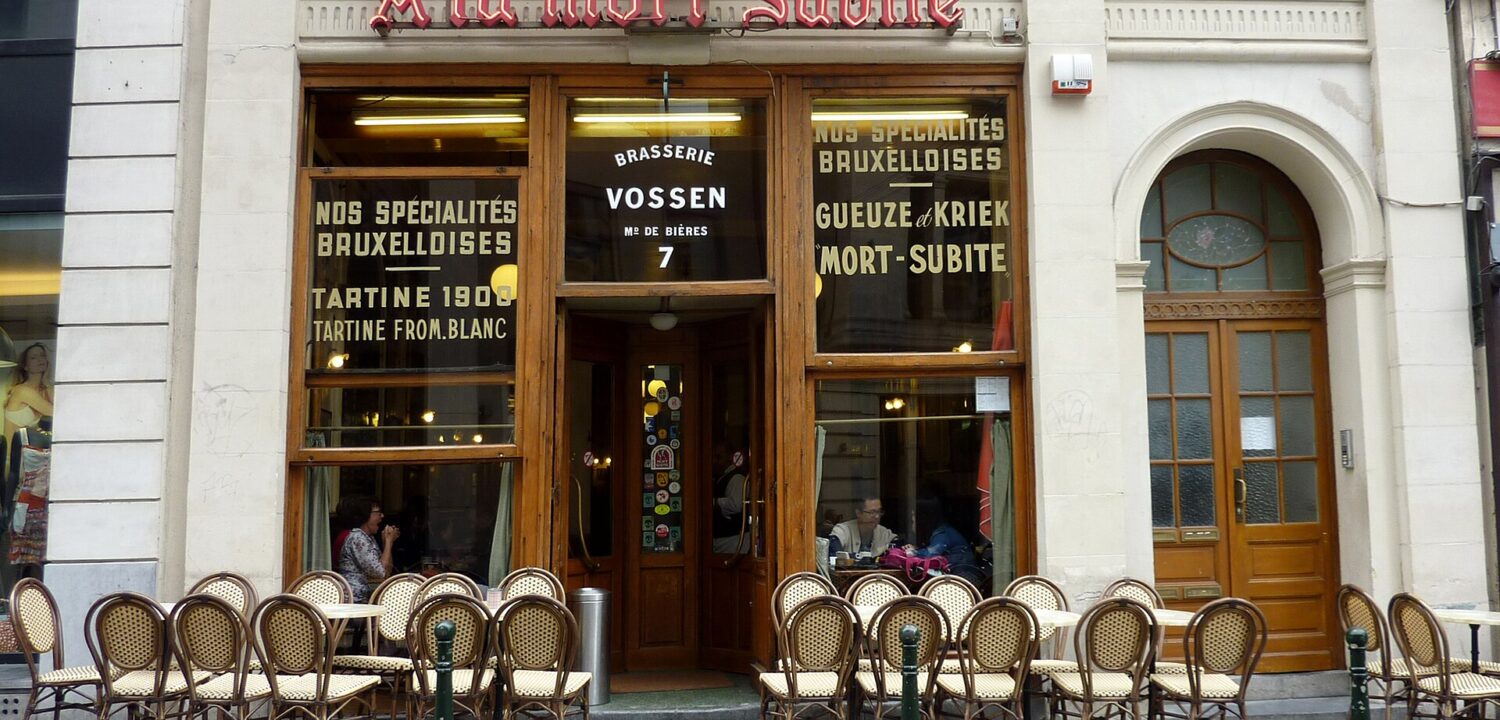
A la Mort Subite in Brussels: 038 – Café La Mort Subite – Bruxelles by Patrick Despoix, CC BY-SA 4.0, via Wikimedia Commons.
Final Thoughts
Beer is the one subject on which Brussels is unambiguously world-class, and it is also the subject on which the city is least interested in performing for visitors. Cantillon does not have a gift shop worth the name. The brewers’ museum is a room. The best bars have sticky tables and a list four pages long, and the person behind the counter will tell you honestly that the beer you just asked for is not very good.
Book one thing with a guide, if you want the styles explained properly by someone who can pour them side by side. Then stop booking. Walk to Anderlecht, pay your nine euros, stand in a room where the roof is deliberately left open to let the weather in, and drink something that could not have been made anywhere else. That is the tour.