Going Beyond the Guidebook in Brussels
Most visitors to Brussels follow the same well-worn circuit: Grand Place, Manneken Pis, a waffle, a chocolate shop, the Atomium. There is nothing wrong with this — these are genuinely world-class attractions. But Brussels reserves its most memorable experiences for those willing to step off the tourist trail into the neighbourhoods, workshops, underground spaces, and cultural pockets where the city’s real character emerges.
This guide covers unique experiences that most guidebooks either miss entirely or mention only in passing. From beer spas and underground river tours to African street markets and Art Nouveau interiors, these are the experiences that transform a good Brussels trip into an unforgettable one. For the essential tourist attractions, see our Top 25 Tourist Attractions in Brussels.
1. Soak in a Belgian Beer Spa
Belgium takes its beer seriously, so it was only a matter of time before someone decided you should bathe in it. The Brussels Beer Spa offers a genuinely unique wellness experience where you soak in a wooden tub filled with warm water, hops, malt, herbs, and yeast — ingredients that are said to nourish the skin and promote relaxation. While soaking, you help yourself to unlimited beer from a self-service tap beside your tub.
The experience lasts around an hour and includes a relaxation period on straw-filled beds in a warm rest area. It sounds gimmicky, but the execution is surprisingly refined — the atmosphere is calm, the setting is atmospheric, and the combination of warm beer-infused water and a quiet self-pour is deeply relaxing. Advance booking is essential as sessions fill quickly.
Location: Rue du Marché aux Herbes 1, near the Grand Place. Price: From around €60 per person. Book well in advance, especially for weekends.
2. Explore the Brussels Sewers (MUSA)
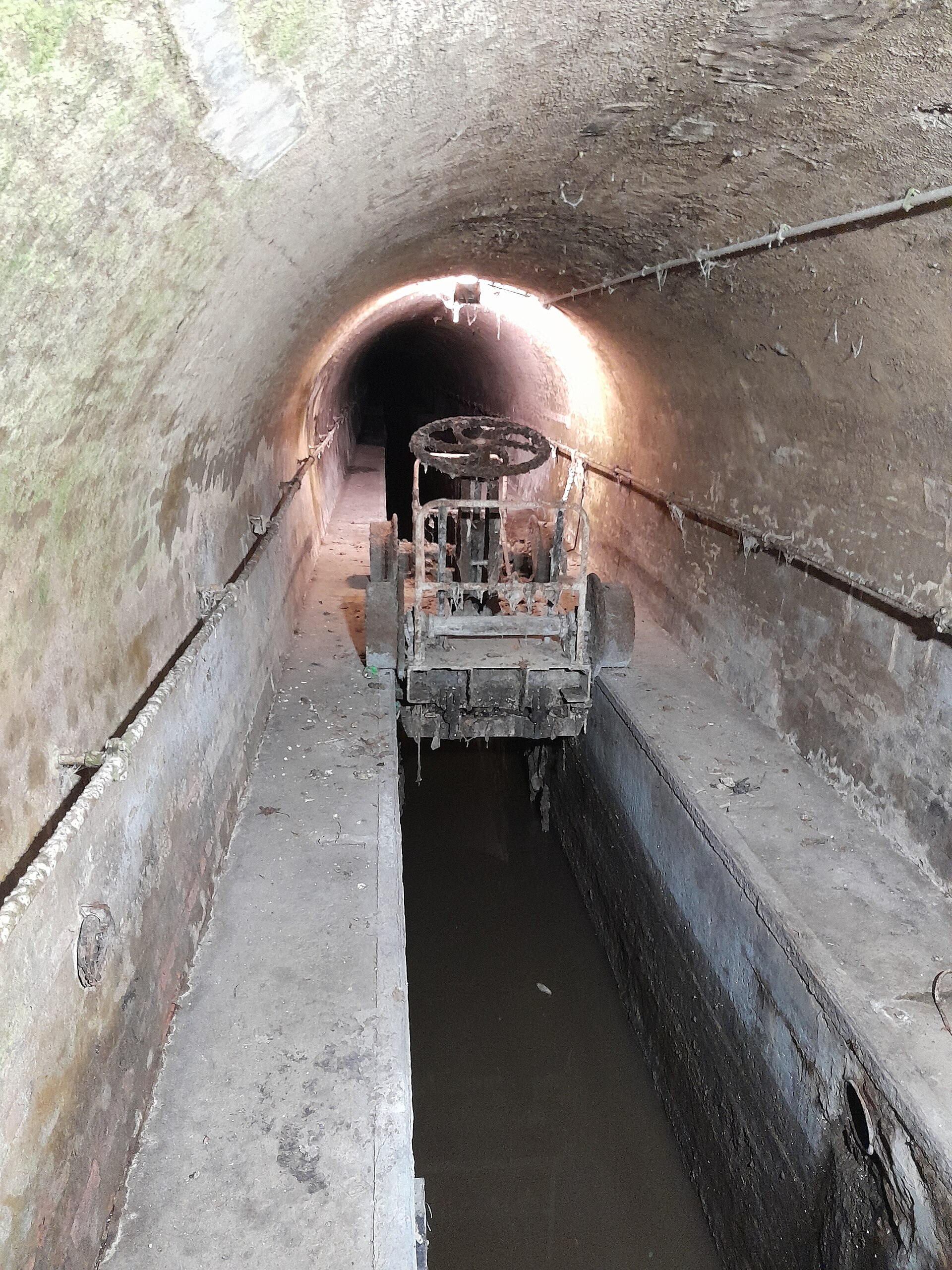
Beneath the surface of Brussels flows the River Senne — the river that gave the city its original reason for existing, now channelled underground since the 1860s. The Brussels Sewer Museum (MUSA) offers guided tours through approximately 300 metres of the city’s subterranean network, walking alongside the covered river and through 19th-century brick tunnels that most Brusselaars have never seen.
The tour explains how the decision to cover the Senne in the 1860s and 1870s transformed Brussels — eliminating cholera epidemics but also destroying much of the medieval city centre. It is a fascinating piece of urban history told from a perspective you will not find in any surface-level museum. The tunnels are well-maintained and the experience is more interesting than unpleasant, though comfortable shoes are recommended.
Location: Porte de la Paix, near the Porte de Ninove. Hours: Tours by reservation. Tickets: Around €8.
3. Discover Matongé — Brussels’ African Quarter
Just south of the tourist centre, between Porte de Namur and the Ixelles ponds, lies Matongé — a vibrant neighbourhood that feels worlds away from the grand squares and Gothic churches of central Brussels. Named after a market district in Kinshasa, Matongé is the heart of Brussels’ Congolese and Central African community, and its main street, Chaussée de Wavre, pulses with colourful fabric shops, African hairdressers, music blasting from open doorways, and restaurants serving Congolese, Cameroonian, and Senegalese cuisine.
Matongé tells a complex story about Belgium’s colonial history and the multicultural reality of modern Brussels. The neighbourhood is not a sanitised tourist experience — it is a living, working community — and that is precisely what makes it fascinating. Stop at one of the restaurants for mafé (peanut stew), grilled fish with attieke (cassava couscous), or fried plantains. The experience offers a perspective on Brussels that most visitors never encounter. For neighbourhood exploration, see our Brussels Neighbourhoods Guide.
4. Visit the Royal Greenhouses of Laeken
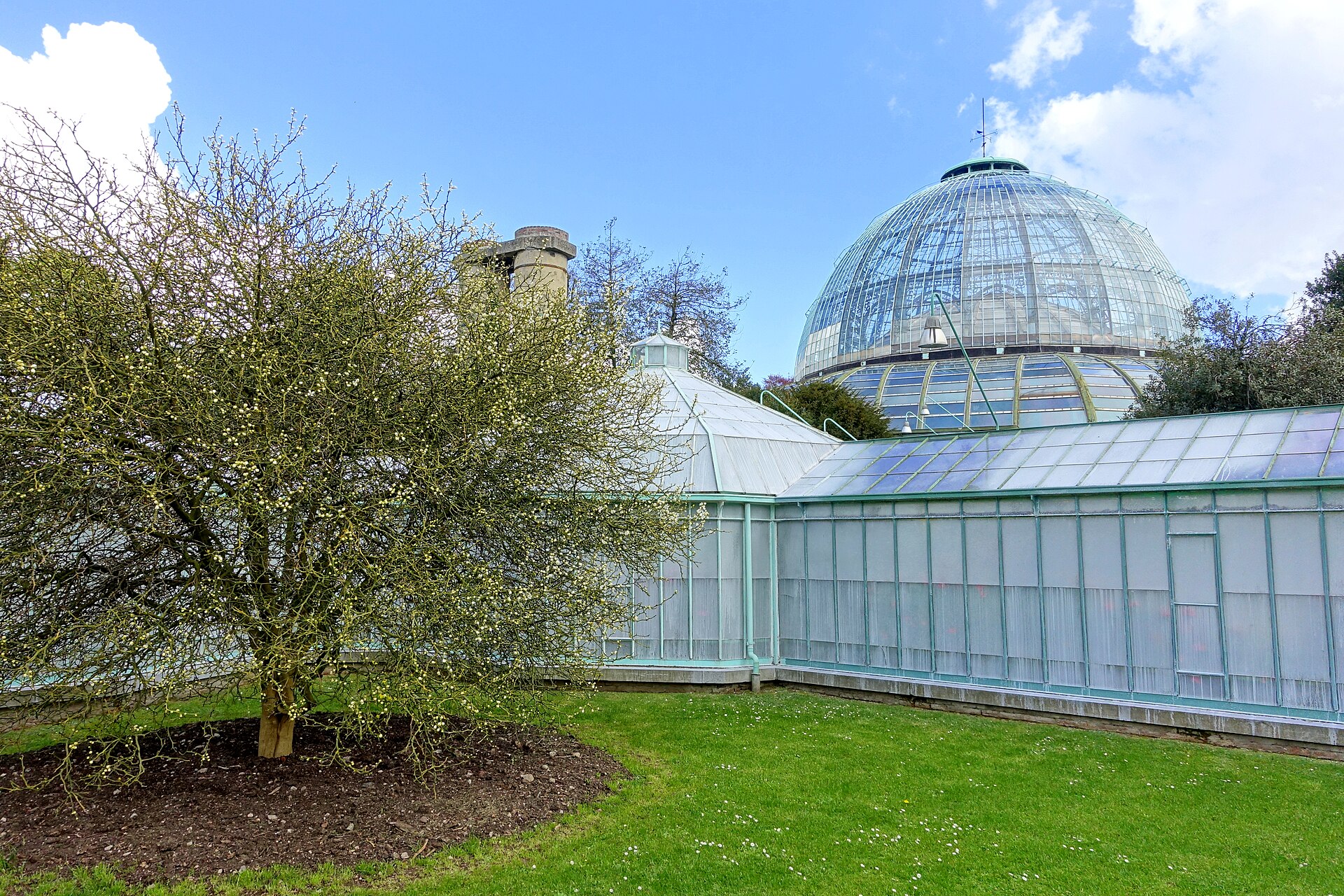
The Royal Greenhouses of Laeken are among the most extraordinary horticultural structures in the world — and they are only open to the public for approximately three weeks each year, typically in late April to mid-May. Built between 1874 and 1895 for King Leopold II, the complex comprises a series of interconnected glass-and-iron pavilions housing tropical and subtropical plant collections, including palm trees, camellias, azaleas, geraniums, and rare orchids.
The architecture is as remarkable as the plants. The soaring Winter Garden dome, the long corridors of curved glass, and the intimate orangeries create an experience that blends botanical garden, architectural masterpiece, and royal history. Visiting during the brief opening window is one of Brussels’ most exclusive and memorable experiences. Check the Belgian Royal Palace website for exact opening dates each year, and arrive early — queues can be substantial during peak weekends.
Access: Avenue du Parc Royal, Laeken. Tickets: Around €2.50. Open only during the annual spring opening period.
5. Drink at a Monastery — Café Trappistes
Belgium produces six of the world’s fourteen recognised Trappist beers — beers brewed within the walls of a Trappist monastery under the supervision of monks. While you cannot visit the monastery breweries themselves (they are closed to the public), Brussels has several bars dedicated entirely to Trappist and abbey beers where you can taste these exceptional brews in the correct glassware at proper serving temperatures.
The experience of working through a Trappist tasting — from the accessible blonde of Chimay White to the complex dark notes of Rochefort 10 or the famously rare Westvleteren 12 — is a unique education in Belgian brewing tradition. Knowledgeable staff guide you through the flavour profiles and the monastic history behind each beer. This is beer culture at its most refined and is a world away from generic pub tourism. For a full beer guide, see our Brussels Food & Drink Guide.
6. Take a Street Art Walk in the Canals District
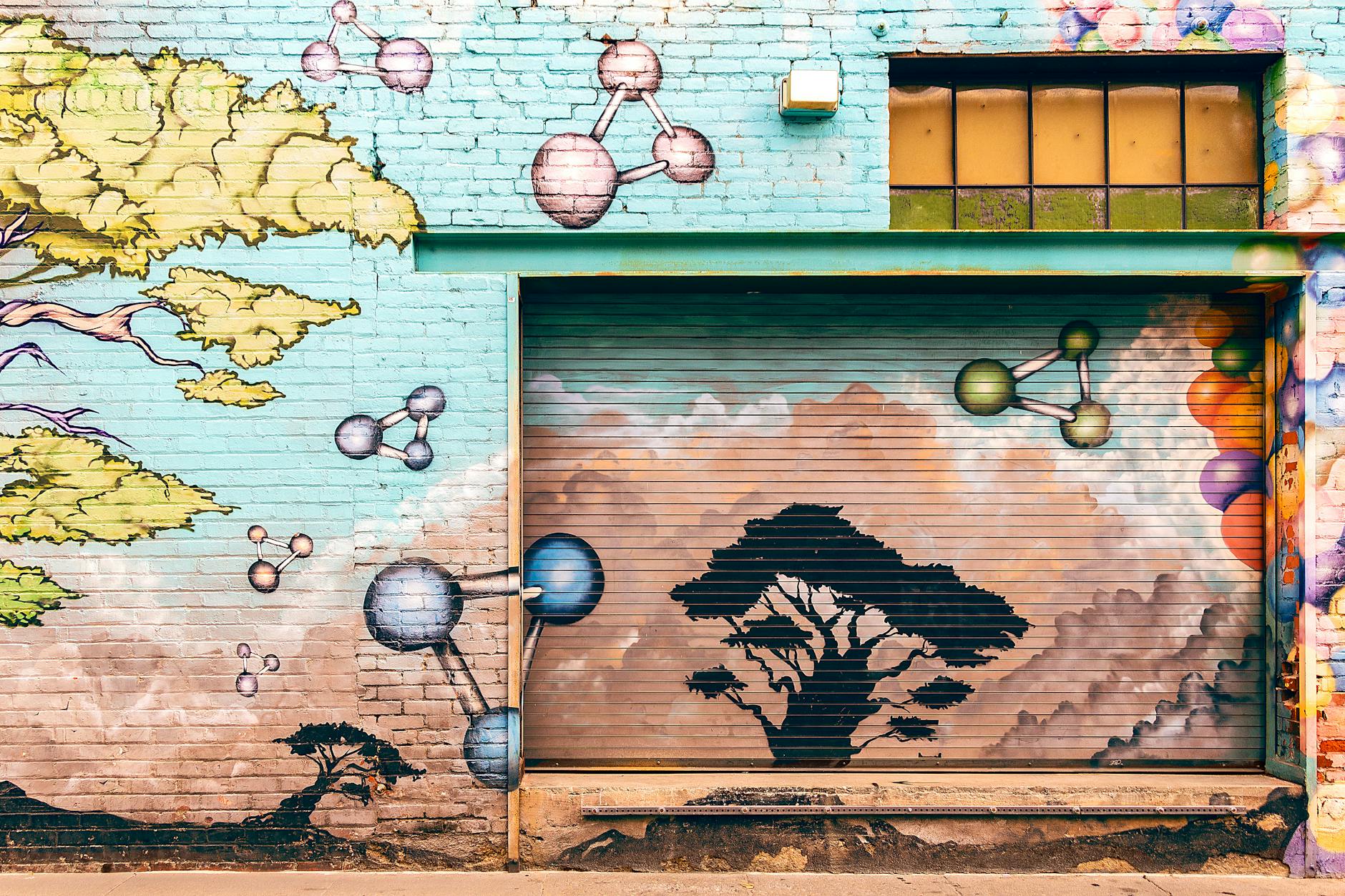
While the official Comic Strip Trail gets most of the attention, Brussels has a thriving contemporary street art scene concentrated in the Canal district — the area around the Brussels Canal running through Molenbeek, the Docks area, and the rapidly evolving Quai des Charbonnages. Here, the murals are not vintage comic characters but large-scale contemporary works by Belgian and international artists, often exploring themes of identity, migration, and urban transformation.
The Canal district is Brussels’ most rapidly changing area — former industrial buildings are being converted into creative studios, co-working spaces, and cultural venues. The Recyclart arts space, the Kanal Centre Pompidou (a major contemporary art museum opening in a former Citroën garage), and the Bains::Connective performance space all operate in this zone. Walking through the district gives you a sense of Brussels as a living, evolving city rather than a museum piece.
7. Cook a Belgian Meal at a Local Workshop
Several Brussels cooking schools offer hands-on workshops where you learn to prepare classic Belgian dishes under the guidance of local chefs. Classes typically cover dishes like carbonade flamande (Flemish beef stew braised in Belgian beer), croquettes aux crevettes (deep-fried shrimp croquettes), waterzooi (a creamy chicken or fish stew from Ghent), and — of course — Belgian waffles and chocolate truffles.
What makes these workshops special is not just the cooking but the cultural context. Good instructors explain why beer is used instead of wine in the stew (the answer involves Belgium’s brewing tradition and the historical scarcity of local vineyards), why Belgian chocolate has a distinctive texture (the process pioneered by Jean Neuhaus), and how regional differences between Flemish and Walloon cuisines reflect Belgium’s linguistic divide. You eat what you cook, and the recipes travel home with you.
Tip: Book at least a week in advance. Most workshops run 3–4 hours and include all ingredients and drinks. Prices range from €70 to €120 per person.
8. Wander Through the Maison Cauchie
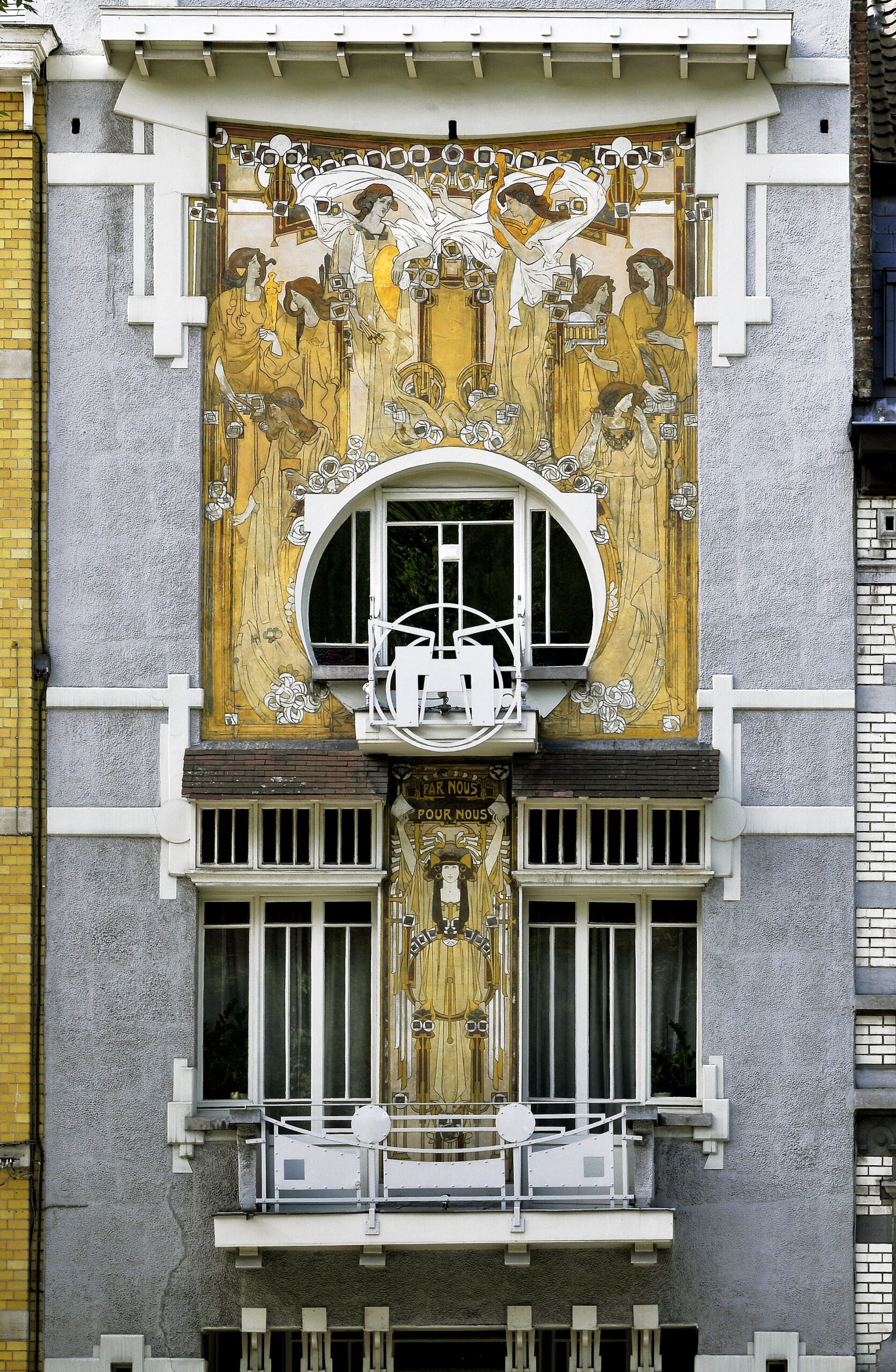
While the Horta Museum is the most famous Art Nouveau house museum in Brussels, the Maison Cauchie in Etterbeek is an extraordinary alternative that receives a fraction of the visitors. Built in 1905 by architect and artist Paul Cauchie as his own home and studio, the house is famous for its remarkable sgraffito facade — a technique where layers of coloured plaster are incised to reveal contrasting colours beneath, creating elaborate figurative murals.
The interior is equally stunning, with original mosaic floors, stained-glass windows, painted friezes, and furniture designed by Cauchie himself. The house is open only on the first weekend of each month, which adds to its exclusivity. For Art Nouveau enthusiasts, this is one of Brussels’ most rewarding visits — a total work of art that has been beautifully preserved and is far less crowded than the Horta Museum. See our Brussels History & Culture Guide for more Art Nouveau sites.
Hours: First weekend of the month only, 10am–1pm and 2pm–5:30pm. Tickets: €7. Location: Rue des Francs 5, Etterbeek.
9. Browse the Vintage Markets of Saint-Gilles
Saint-Gilles — the neighbourhood surrounding the Horta Museum — has become one of Brussels’ most creative and culturally vibrant districts, and its vintage scene is thriving. Beyond the well-known Marolles flea market, Saint-Gilles hosts regular pop-up vintage fairs, second-hand design sales, and neighbourhood brocantes (yard sales) where entire streets sell furniture, clothing, vinyl records, and curiosities from their homes.
The Parvis de Saint-Gilles — the main square — is surrounded by independent cafés, bookshops, and neighbourhood bars that feel genuinely local. On market days, the atmosphere is lively without being touristy. The surrounding streets are lined with Art Nouveau and Art Deco buildings, and the neighbourhood’s multicultural character (Portuguese, Moroccan, Italian, and increasingly young creative residents) gives it a distinctive energy that the tourist centre lacks.
10. Visit the Coudenberg Palace Archaeological Site
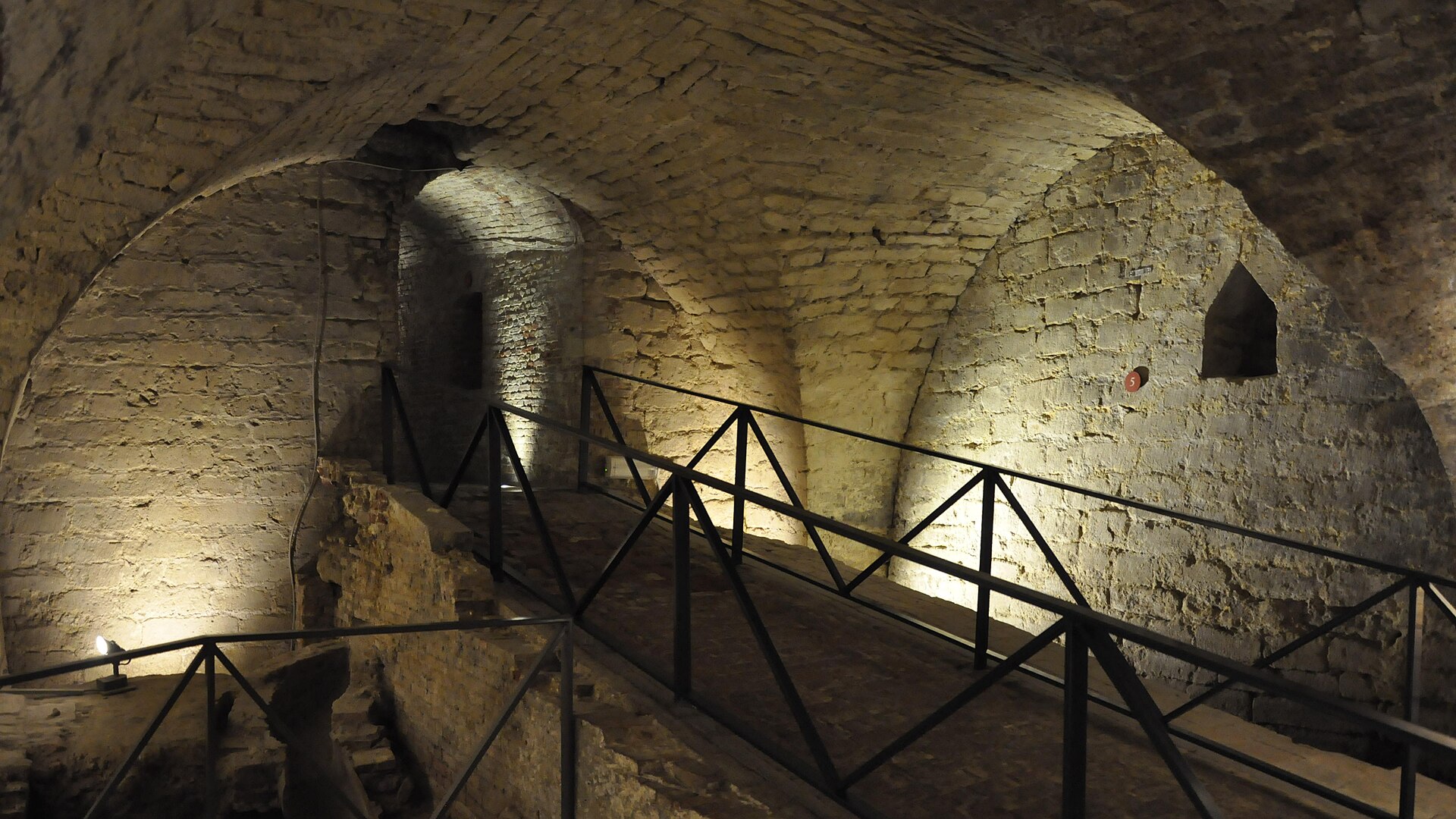
Beneath the elegant Place Royale lies one of Brussels’ most extraordinary hidden attractions — the archaeological remains of the Coudenberg Palace, where the Dukes of Burgundy and the Habsburg emperors held court for centuries. The palace was destroyed by fire in 1731 and subsequently buried beneath the construction of the current neoclassical square, preserving medieval streets, the Great Hall, a chapel, and parts of the residential quarters underground.
Walking through the subterranean ruins is like descending into Brussels’ buried past — you literally walk through the streets that Charles V knew. The experience is enhanced by excellent audio guides and subtle lighting that reveals the scale of what was once one of the most important palaces in Europe. Access is through the BELvue Museum, and the combined ticket covers both the museum and the archaeological site.
Tickets: €10 (combined with BELvue Museum). Allow 90 minutes for both.
11. Join a Brussels Greeter — Free Local Walking Tours
The Brussels Greeters programme connects visitors with volunteer residents who offer free, personalised walking tours of their favourite parts of the city. Unlike commercial walking tours that follow fixed routes and hit the same landmarks, Greeter walks are tailored to your interests — you might explore a Greeter’s favourite neighbourhood, visit their preferred market, or discover hidden courtyards and passages that no guidebook covers.
Greeters are not professional guides but passionate locals who simply love sharing their city. The conversations are informal and personal, and you often discover Brussels through stories, anecdotes, and recommendations that no professional tour would include. Book at least a week in advance through the Visit Brussels website. The walks are free, though tips are appreciated.
12. Experience Brussels Beach (Bruxelles les Bains)
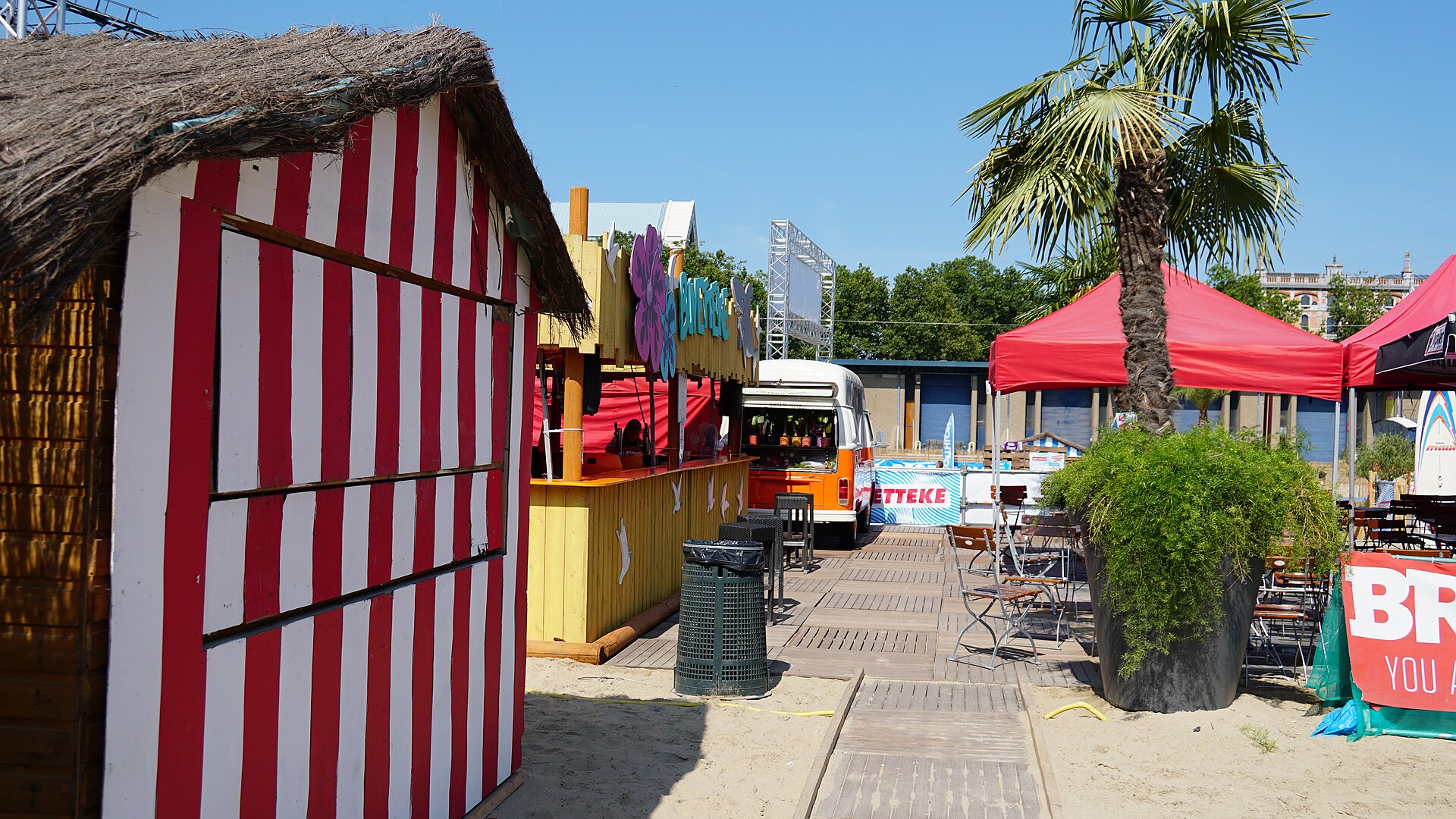
Every summer from mid-July to mid-August, the banks of the Brussels Canal transform into an urban beach. Brussels les Bains (Brussels Beach) brings sand, palm trees, deckchairs, beach bars, sports courts (volleyball, petanque, frisbee), live music stages, and food stalls to the Canal district, creating a surprisingly festive summer atmosphere in this otherwise industrial part of the city.
The event is free to enter (food and drinks are not free, naturally), and it draws a mix of locals and visitors who come to relax by the water, watch the sunset, catch a DJ set or live band, and enjoy the relaxed summer energy. It is particularly popular on warm Friday and Saturday evenings. The event also serves as an informal introduction to the Canal district’s rapidly changing cultural landscape.
When: Mid-July to mid-August (exact dates vary annually). Free entry. Location: Along the Brussels Canal near the Quai des Péniches.
13. Taste Lambic Beer at Its Source
Lambic is one of the world’s rarest and most ancient beer styles — a spontaneously fermented beer produced exclusively in the Senne Valley in and around Brussels, where wild yeast and bacteria in the local air ferment the wort naturally. The result is a tart, complex, and deeply characterful beer that cannot be replicated anywhere else on earth.
Several lambic producers operate in the Brussels region. Cantillon Brewery, located in Anderlecht just southwest of the city centre, is one of the last traditional lambic breweries in the world and offers tours that explain the remarkable spontaneous fermentation process. The tour includes tastings of gueuze (a blend of young and old lambics), kriek (lambic aged with sour cherries), and other seasonal variations. This is a pilgrimage for beer enthusiasts and a fascinating cultural experience even for casual drinkers.
Location: Cantillon Brewery, Rue Gheude 56, Anderlecht. Hours: Tuesday–Saturday. Tickets: Around €9 (including tastings). Best visited October–April during brewing season.
14. Explore the Halles Saint-Géry After Dark
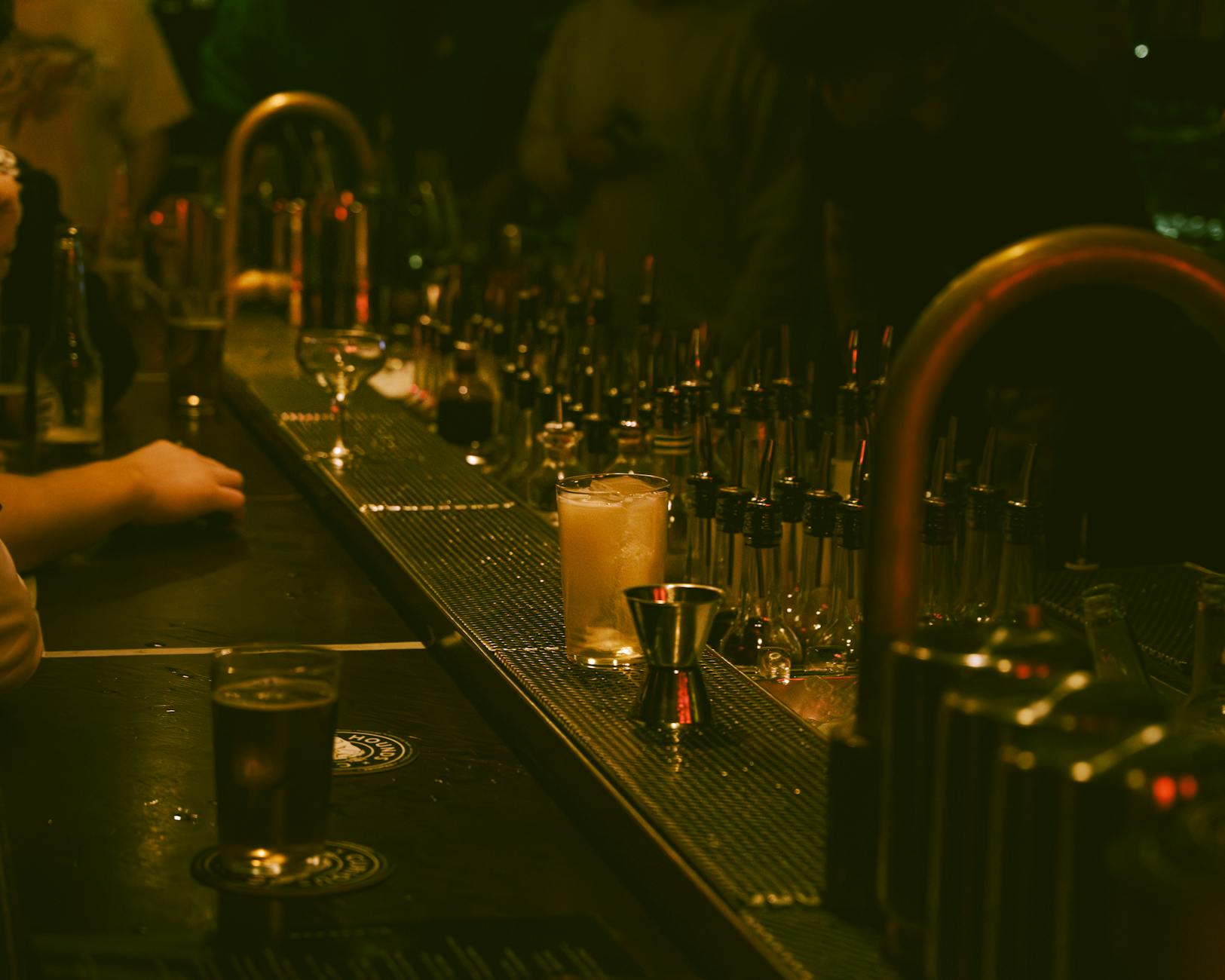
The covered market hall of Halles Saint-Géry sits on the site where Brussels was founded over a thousand years ago. During the day it is a quiet cultural space and café, but as evening falls the surrounding Saint-Géry district transforms into one of Brussels’ most vibrant nightlife areas. The streets around the Halles — Rue de la Bourse, Rue des Chartreux, Rue du Pont de la Carpe — fill with a mix of cocktail bars, craft beer pubs, jazz clubs, and late-night cafés.
What makes Saint-Géry special is its mix of old Brussels atmosphere and creative energy. Art Deco interiors sit alongside contemporary design bars. Vintage record shops neighbour craft cocktail lounges. The area attracts a diverse crowd of students, creative professionals, and international residents who give the neighbourhood an authentic energy that more tourist-oriented areas lack. For a full nightlife guide, see our Brussels Nightlife Guide.
15. Watch the Sunset from the Palais de Justice Steps
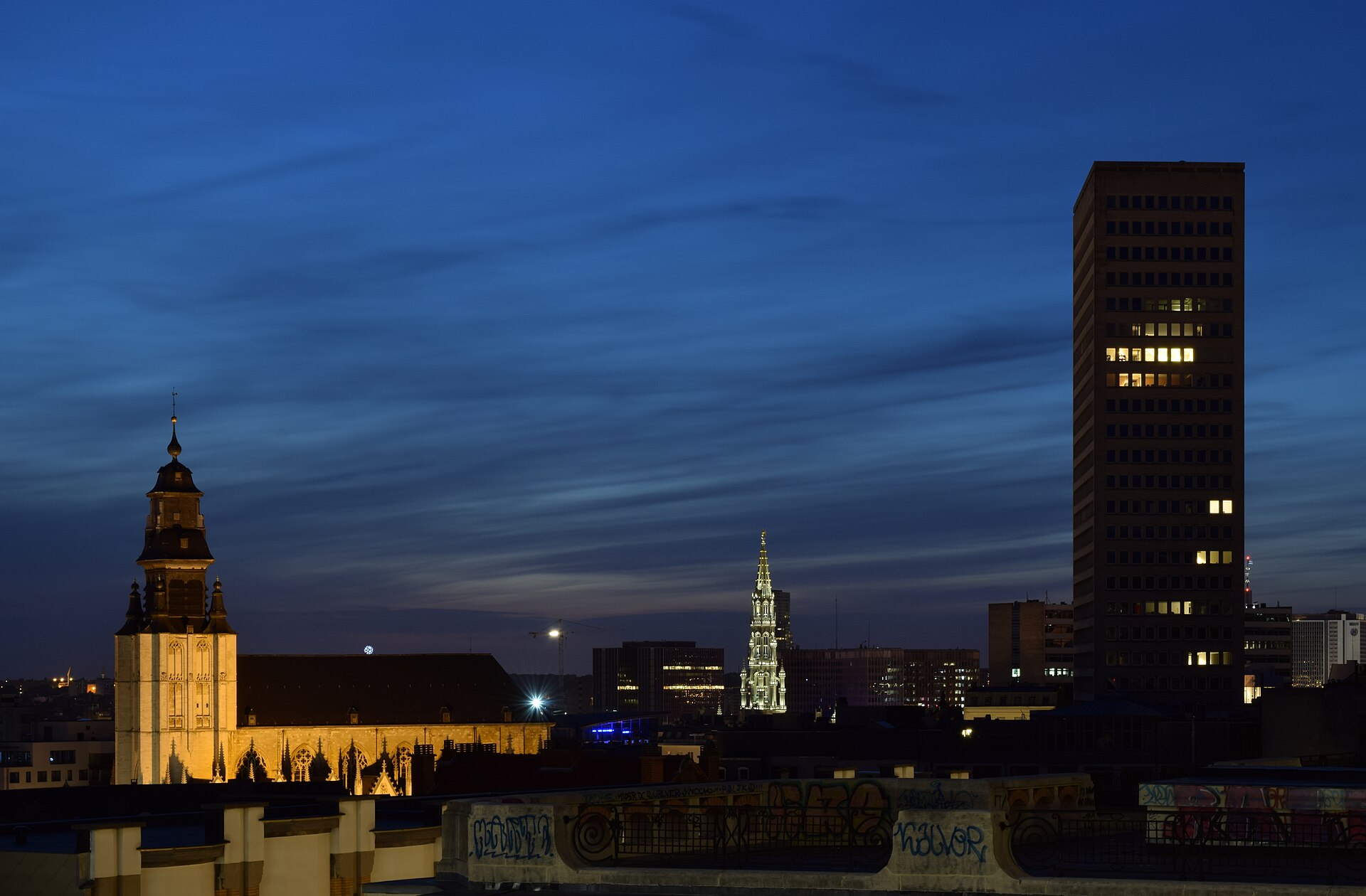
The Palais de Justice in Brussels is one of the largest court buildings in the world — so enormous that it dominates the Brussels skyline and is visible from almost every elevated vantage point in the city. The western-facing steps and esplanade of the Palais de Justice, at the edge of the Marolles neighbourhood, offer one of Brussels’ most spectacular free sunset viewpoints.
From here you look out over the lower city towards the distant suburbs, with the setting sun painting the Brussels rooftops in golden light. On clear evenings, the view extends far beyond the city. The nearby panoramic elevator connects the upper town (Place Poelaert) to the Marolles neighbourhood below, providing another free viewpoint and a convenient way to descend into the Marolles for dinner. This is a beloved local ritual that most tourists never discover.
Planning Your Unique Brussels Itinerary
The experiences in this guide range from free (street art walks, neighbourhood exploration, sunset viewpoints) to moderately priced (beer spa, cooking workshops, brewery tours). Most can be combined with the mainstream attractions — a morning at the Grand Place pairs naturally with an afternoon in Matongé or Saint-Gilles, and the Coudenberg Palace sits directly beneath the Royal Museums complex.
For the best experience, dedicate at least one full day to off-the-beaten-path exploration. The neighbourhoods of Saint-Gilles, Ixelles, and the Canal district each deserve a half-day of wandering. Seasonal experiences like Brussels les Bains and the Royal Greenhouses are time-limited, so check dates before your trip. For help building your itinerary, see our Brussels Travel Guide.
Several of these experiences are sold as guided tours, and the price you pay depends heavily on where you book and whether the operator names what is actually included. For the full breakdown — chocolate workshops, beer walks, bike circuits and the tours we would skip entirely — see our guide to Brussels tours and experiences.
The most genuinely unrepeatable of these costs nine euros and sits on an unremarkable street in Anderlecht. Our Cantillon Brewery visit guide explains how to see the coolship room where wild yeast does the work, when the brewery is actually brewing, and why it closes on Wednesdays and Sundays.
Making your own pralines sits somewhere between a cookery class and a factory tour, and it is one of the few activities here that leaves you with a skill rather than a photograph. Our guide to Belgian chocolate workshops in Brussels prices the formats, names the operators and explains what happens at the marble slab.
Related Brussels Guides
Keep planning with these companion guides:
- The Ultimate Guide to Things to Do in Brussels — the full guide to the ultimate guide to things to do in brussels
- Top 25 Tourist Attractions in Brussels You Can’t Miss — the full guide to top 25 tourist attractions in brussels you can’t miss
- 15 Best Free Things to Do in Brussels — the full guide to 15 best free things to do in brussels
Frequently Asked Questions
What are the most unusual things to do in Brussels?
The most unusual experiences include soaking in a beer spa, touring the Brussels sewers and underground river, exploring the buried Coudenberg Palace ruins beneath Place Royale, visiting the Maison Cauchie Art Nouveau house (open only on the first weekend of each month), and tasting spontaneously fermented lambic beer at the Cantillon Brewery.
What do locals do in Brussels?
Locals frequent neighbourhoods like Saint-Gilles, Ixelles, and the Canal district rather than the tourist centre. They browse the Marolles flea market, drink beer at neighbourhood cafés, watch the sunset from the Palais de Justice steps, jog in the Bois de la Cambre, and eat in the diverse restaurants of Matongé and Flagey. Brussels residents also take advantage of the city’s rich cultural programme — concerts, exhibitions, and festivals that rarely appear in tourist guides.
Is Brussels worth more than one day?
Absolutely. While you can see the main tourist attractions in a day, the unique experiences that define Brussels — its neighbourhoods, food culture, Art Nouveau architecture, beer heritage, and multicultural character — require at least three to four days to appreciate properly. Budget travellers can stretch their time further thanks to the many free and low-cost experiences available.
Photo Credits
-
A gallery in the Brussels Sewer Museum: Egouts de Bruxelles by Pulcherus, CC0, via Wikimedia Commons.
-
The Royal Greenhouses of Laeken: Greenhouse view – Royal Castle of Laeken – Brussels, Belgium – DSC07170 by Daderot, Public domain, via Wikimedia Commons.
-
The Maison Cauchie facade: Bruselas, fachadas 26 by LBM1948, CC BY-SA 4.0, via Wikimedia Commons.
-
Coudenberg Palace archaeological remains: Brussel Paleis op de Koudenberg 2-7-2014 15-21-22 by Paul Hermans, CC BY-SA 4.0, via Wikimedia Commons.
-
Sand, a striped beach hut and a palm at Bruxelles-les-Bains: Bruxelles les Bains (28250457750) by Miguel Discart, CC BY-SA 2.0, via Wikimedia Commons.
-
Brussels from the Palais de Justice at dusk: View of Brussels (Marolles) from Palais de Justice by Trougnouf, CC BY 4.0, via Wikimedia Commons.