Belgium is roughly 300 kilometres from the North Sea to the Luxembourg border, which means the honest answer to how many days in Belgium you need has almost nothing to do with distance and everything to do with how many towns you are willing to see badly. You could tick off five cities in three days. You would be arriving in each of them at eleven and leaving at five, alongside everyone else doing the same thing, and you would come home with a set of photographs that could have been taken anywhere.
This page sets out what each length of trip actually buys you, region by region and day count by day count, so you can pick a number and know what you are trading. Prices and journey times were checked in September 2026 and written for travel into 2027 — treat the fares as an order of magnitude, since Belgian Railways rebuilt its ticket range in late 2025.
The Short Answer
| Days | What it realistically covers | Verdict |
|---|---|---|
| 2 | Brussels only, or Bruges and Ghent only | A city break, not a country trip |
| 3 | Brussels plus one day trip | Enough to like Belgium |
| 4–5 | Brussels plus Bruges, Ghent and one more | The most common shape, and it works |
| 7 | The above, unhurried, with evenings in Flanders | The sweet spot |
| 10 | Adds the Ardennes or the coast with overnights | A properly rounded trip |
| 14 | Adds Wallonia, Flanders Fields and slow days | More than most people need |
If you want one number: seven days. If you want one number for a first, non-repeat visit on a tight budget: five.
Why the Usual Advice Undercounts
The reason “you can see Belgium in three days” keeps getting written is that the railway makes it technically true. Ghent is thirty minutes from Brussels, Antwerp thirty-five to fifty-five, Bruges and Namur about an hour, all of them at least twice an hour with no reservation. Nothing stops you from doing four cities in four days.
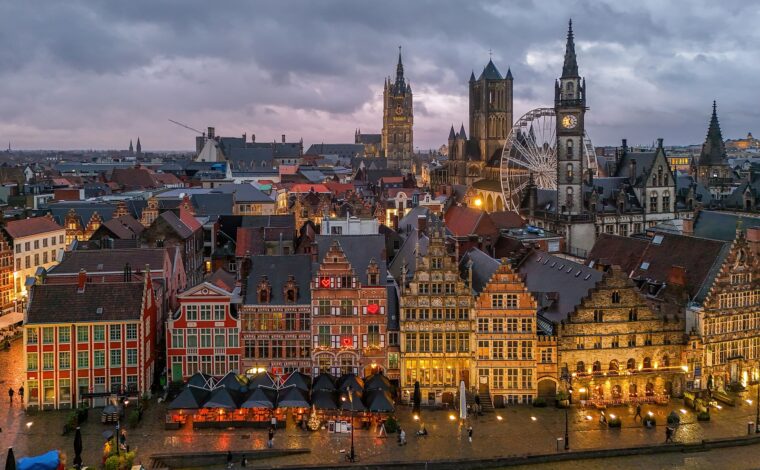
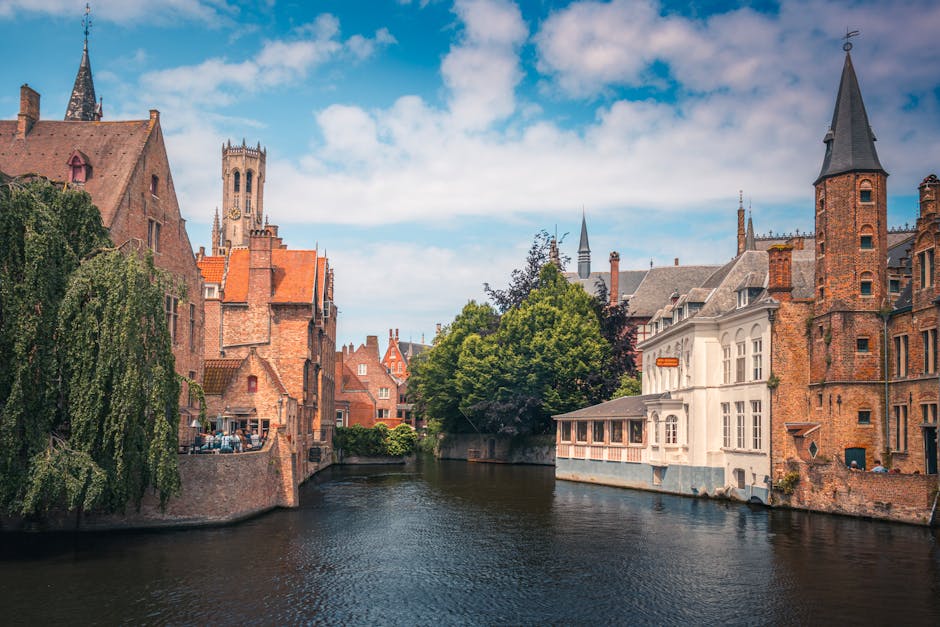
What that structure quietly costs you is the two best hours of the Belgian day. Bruges before ten in the morning is nearly empty and genuinely astonishing; between eleven and four it is a queue. Ghent’s Graslei at dusk, with the guild houses lit and half the city sitting on the stone steps with a beer, is the single most memorable thing in Flanders — and the comfortable trains back to Brussels leave before it gets dark in June. Day trips are structurally incapable of showing you either.
Adding days is not about adding towns. It is about buying back the mornings and the evenings.
Two Days: A City Break
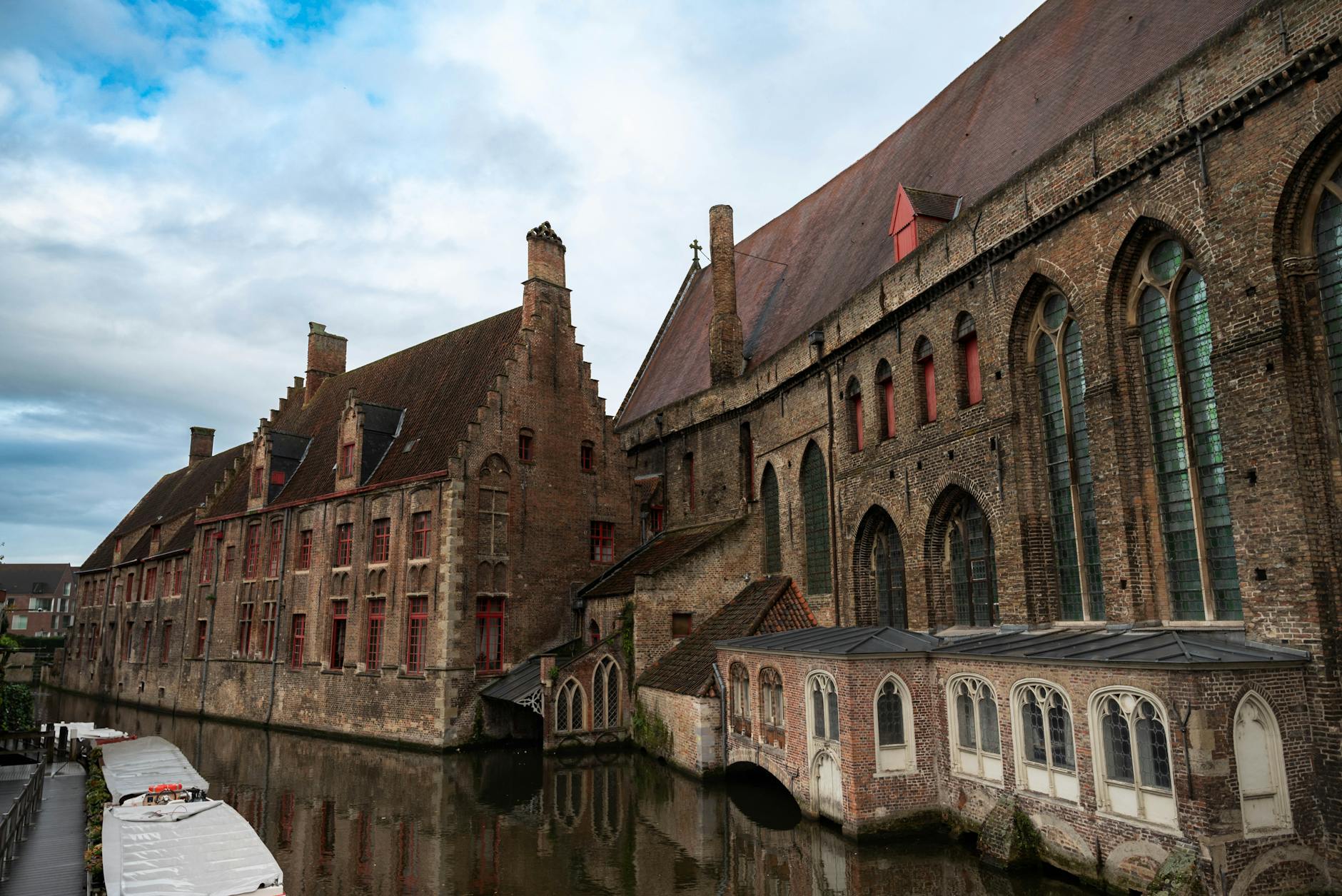
Two days is not a Belgium trip; it is one city with an afternoon somewhere else, and you should plan it as such. Pick either Brussels or the Bruges–Ghent pair and commit.
Brussels alone will fill two days without strain: the Grand-Place and the lower town, the Royal Museums of Fine Arts and the Magritte Museum on the Mont des Arts, the Art Nouveau streets of Ixelles/Elsene and Saint-Gilles/Sint-Gillis, and an evening in Sainte-Catherine. Our two-day Brussels itinerary lays it out.
The alternative is to skip the capital entirely, base in Ghent, and split the two days between Ghent and Bruges. That is a prettier weekend and a less interesting one — you see the postcard Belgium and none of the strange, layered, bilingual country behind it.
What two days cannot do is Wallonia, the coast, the Ardennes or any evening outside your base. Do not try.
Three Days
Three days is the first length at which “Belgium” rather than “a Belgian city” becomes an honest description. The standard shape is two days in Brussels plus one day trip — Ghent or Bruges most often, Antwerp if cities interest you more than canals, Leuven or Mechelen if you want a half-day town and an unhurried evening back in the capital.
This is also the point at which basing in Brussels starts paying for itself. Hotel rates in the capital are lower than in Bruges or Ghent and, unusually, drop at weekends, because the stock is priced for business travellers. See where to stay in Brussels for the districts that make an early train realistic.
Three days is enough to like Belgium. It is not enough to know whether you like Flanders or Wallonia, which is arguably the more interesting question.
Four to Five Days: The Standard Trip
Most people who come to Belgium come for four or five days, and the shape is well established: base in Brussels, two days in the capital, then Bruges, Ghent and one more. It works, it is cheap, and nobody has ever regretted it.
Five days is also the point at which the ticket maths starts to matter. The Belgian Rail Pass, the old ten-journey card, was withdrawn in October 2025 and nothing replaced it, so a five-day trip taking in Bruges, Ghent and Antwerp means roughly eight singles, each priced by distance. Adults aged 26–64 get 30% off at weekends, so put the longest runs on a Saturday or Sunday where you can. Price your actual route on belgiantrain.be before committing — the fare range changed in October 2025 and a great deal of published advice is now wrong.
The honest limitation of five days is that everything is a return trip. You will not see a single Belgian city after dark except the one you are sleeping in.
Seven Days: The Sweet Spot
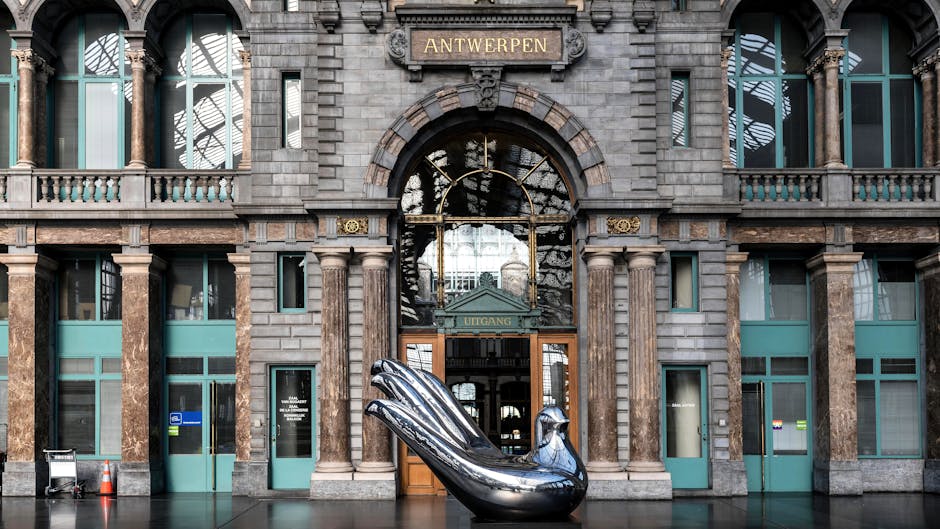
A week is where Belgium stops being a list and starts being a place. The extra two days over the standard trip are not spent on extra towns — they are spent on moving your base once or twice so that you sleep in Ghent and Antwerp rather than commuting to them.
The practical version: three nights in Brussels, two in Ghent with Bruges as an early day trip, two in Antwerp. Two hotel moves, both under an hour, and you get Bruges at eight in the morning and Ghent at ten at night. Our 7-day Belgium itinerary writes that week out day by day.
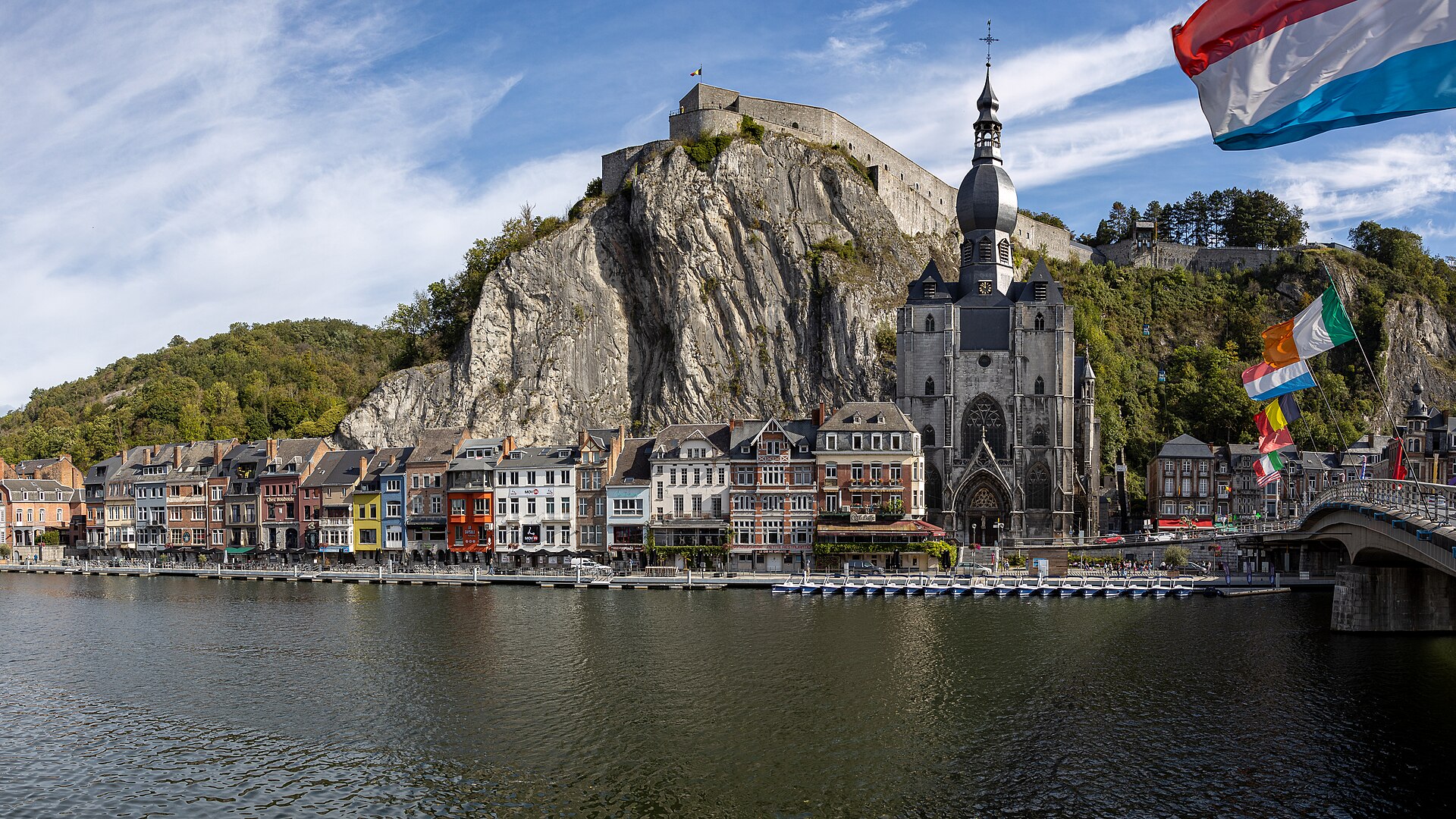
Seven days also creates room for one Walloon day — Namur and the Meuse, or Dinant — which is the first point at which most visitors see the French-speaking half of the country at all.
Ten Days
Ten days is where the Ardennes and the coast become possible rather than theoretical, and both change the character of the trip completely.
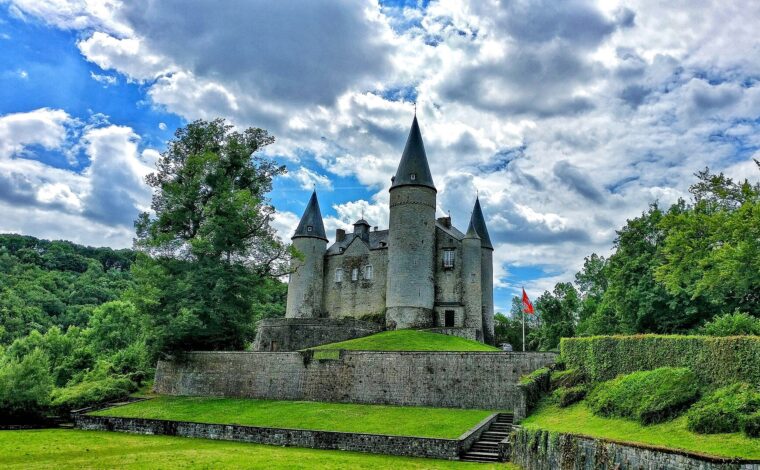
The Ardennes — the forested southeast around Bouillon, Durbuy, Han-sur-Lesse and Bastogne — is the one part of Belgium that genuinely does not work as a day trip. Trains reach the towns but not the valleys, bus frequencies are rural, and the whole point of the region is the landscape between the settlements. Give it two or three nights and hire a car for them.
The coast is the other addition: sixty-five kilometres of North Sea beach, the Kusttram running its full 67-stop length from De Panne to Knokke, and a very Belgian seaside culture of shrimp croquettes, wind and apartment blocks. Two nights in Ostend or De Haan in September is a genuinely good use of the time. Two nights in August is a fight for a parasol.
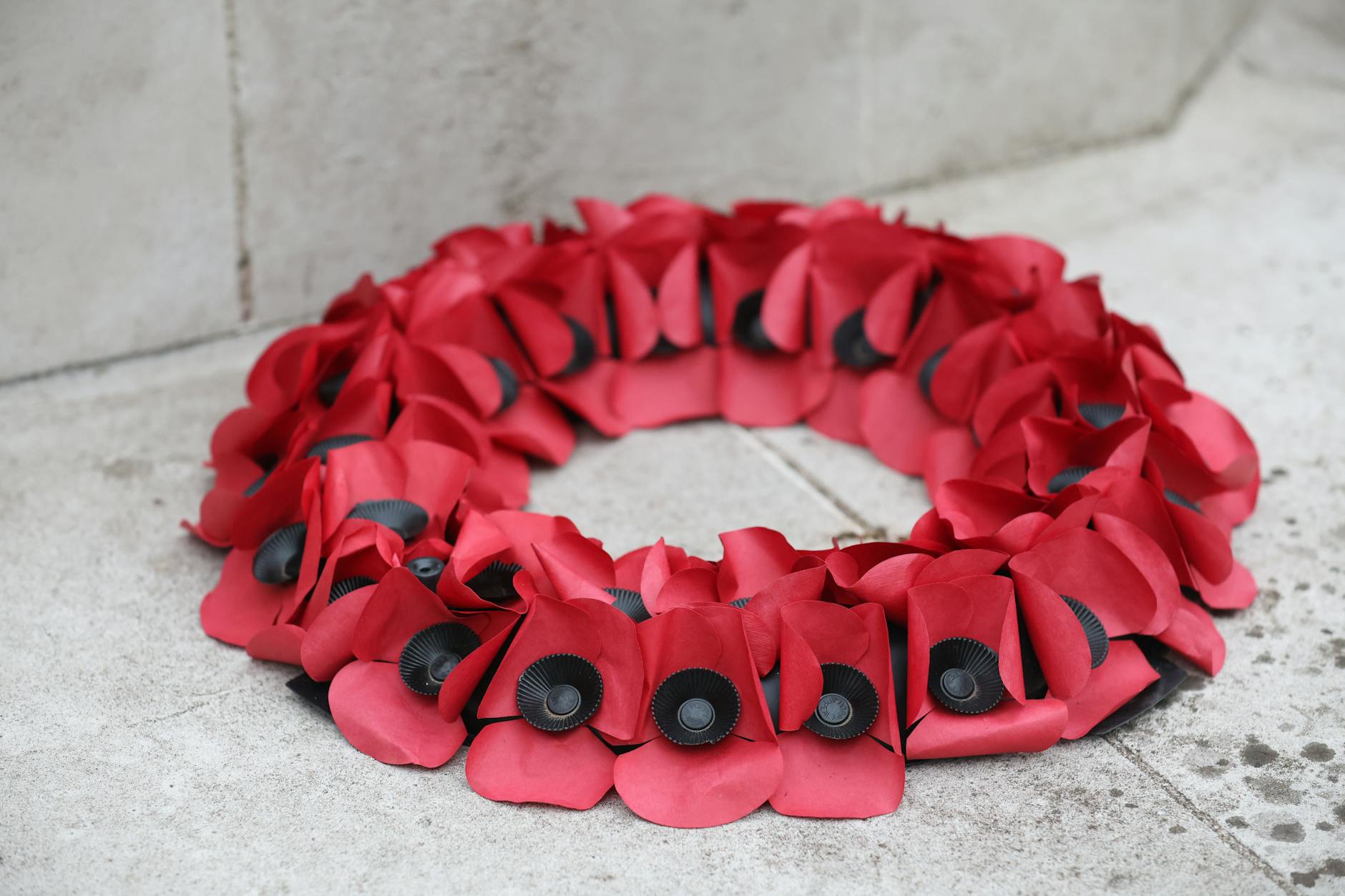
Ten days also lets you do Flanders Fields properly rather than as a punishing single day from Brussels — see our Ypres and Flanders Fields guide for what that day involves.
Fourteen Days
Two weeks is more than Belgium needs unless you are travelling slowly on purpose, which is a perfectly good reason. What it buys: Liège and the east, Tournai and Mons in the far southwest, the Hoge Kempen national park, the abbey breweries, cycling in Flanders, and the luxury of having nothing scheduled on a wet Tuesday.
It also lets you split the country by language rather than by checklist — a week in Flanders and a week in Wallonia — which is how Belgians themselves would describe their country and almost no visitor ever experiences.
How Many Days Each Region Needs
| Region | Minimum | Comfortable | Notes |
|---|---|---|---|
| Brussels | 1 day | 2–3 days | More if museums or Art Nouveau interest you |
| Bruges | Half a day | 1 day + 1 night | The night is what makes it worth it |
| Ghent | 1 day | 1 day + 1 night | Best city in Belgium after dark |
| Antwerp | 1 day | 2 days | Most under-allocated city in the country |
| Leuven or Mechelen | Half a day | 1 day | Either, not both, on a short trip |
| Namur and the Meuse | 1 day | 2 days | Dinant and Namur together need two |
| The Ardennes | 2 days | 3–4 days | Car strongly advised |
| The Belgian coast | 1 day | 2 nights | Shoulder season is much better |
| Flanders Fields | 1 long day | 1 day + 1 night | Stay in Ypres for the Menin Gate |
What Changes the Answer
- Season. December gives you Christmas markets everywhere but darkness by half past four, which removes the evening hour that longer trips exist to capture. June gives you light until ten. The same seven days feel quite different.
- Pace. If you like two museums and a long lunch, add two days to every figure above. If you walk fast and eat quickly, subtract one.
- Children. Hotel moves are the expensive part with children, not distance. Favour the single-base version and add a day rather than adding a move.
- Mobility. Every centre on this list is cobbled and several key sights involve towers with a lot of steps. Build in more slack than you would in a modern city.
- Repeat visits. If you can come back — and Belgium is easy to come back to from anywhere in northwest Europe — five days is plenty. Do Flanders now, Wallonia next time.
- Beer. Only half a joke. If abbey and lambic breweries are a serious interest, add days; they are scattered and several need appointments.
Where Belgium Trips Go Wrong on Timing
- Trying to add the Ardennes to a five-day trip. It does not fit and the attempt ruins two other days.
- Giving Antwerp an afternoon. It is the biggest and most varied city on most itineraries and consistently gets the least time.
- Arriving in Bruges at eleven. The most avoidable error in Belgian travel, on any length of trip.
- Planning around the old Rail Pass. It was withdrawn in October 2025, and guides that still recommend it are out of date.
- Scheduling something for every day. Belgian weather is genuinely unreliable in every month. One free day per week is insurance, not laziness.
- Counting arrival and departure days as full days. A flight landing at two and another leaving at eleven is not two days; it is one.
Combining Belgium With Somewhere Else
Belgium sits in the middle of everything, which tempts people into shortening it. Brussels to Amsterdam is about one hour fifty-seven minutes direct, with around nineteen trains a day from roughly €25. Brussels to Paris is about an hour and a half on Eurostar. London is around two hours. Cologne and Luxembourg City are both easy.
The practical advice: if you are combining, give Belgium a minimum of four days rather than two, and do not try to see both Amsterdam and Paris on the same trip as Bruges and Ghent unless you have a fortnight. Belgium is the country most often reduced to a stopover, and a stopover shows you the queue at the Grand-Place and nothing else. Our guide to getting to Brussels covers the international routes in detail.
If the extra days are going to the coast rather than the Ardennes, it is worth knowing what you are getting. Our Belgian coast guide is deliberately unromantic about the seafront architecture while making the case for the Kusttram, the dune reserves at each end, and De Haan — the one resort a building height limit saved from the towers.
The ten-day threshold above exists largely because of one region. Our Belgian Ardennes guide explains why: the towns are reachable by train in one to two hours, but the valleys, viewpoints and battlefield sites between them are not, and the region only makes sense once you have two or three nights and a car.
If that Walloon day turns into a night, as it often does once people see the Meuse, the place to stay is Namur rather than Dinant. It’s an hour from Brussels, it has the hotels and the evening life that Dinant lacks, and it puts the whole river valley within half an hour by train. Our guide to Namur and the Meuse valley lays out a two-day plan: the citadel and old town first, then a day drifting south along the river.
Related Brussels Guides
- Belgium Travel Guide — the country in full: regions, languages, train fares and costs.
- 7 Days in Belgium — the week written out, day by day, entirely by train.
- How Many Days Do You Need in Brussels? — the same question for the capital alone.
- Day Trips from Brussels — the eleven routes that fit into a single day.
- Best Time to Visit — how the season changes what a given number of days is worth.
- Where to Stay in Brussels — choosing a base that makes early trains realistic.
- Brussels on a Budget — what a longer trip actually costs.
Useful Resources
- belgiantrain.be — timetables, current fares and discounts. The authority after the 2025 fare restructure.
- visitflanders.com — the Flemish tourist board: art cities, cycling and the coast.
- visitwallonia.be — the Walloon board, and the best starting point for the Ardennes and the Meuse.
- museumpassmusees.be — the national museum pass, worth checking if your trip runs long.
- visit.brussels — the capital’s own board, for events and the Brussels Card.
Frequently Asked Questions
How many days do you need in Belgium?
Seven days is the sweet spot for a first trip: it covers Brussels, Bruges, Ghent and Antwerp without rushing, leaves room for one day in Wallonia, and lets you move base so that you see the Flemish cities in the evening rather than only at midday. Five days is the most common length and works well. Three days covers Brussels and one trip out. Ten days or more is needed for the Ardennes or the coast.
Is 3 days enough for Belgium?
It is enough for Brussels plus one day trip, which is a genuine taste of the country but not a rounded picture of it. You will see either Flanders or the capital properly, not both, and Wallonia not at all. If three days is what you have, base in Brussels, pick one day trip rather than two, and go early.
Is 5 days enough for Belgium?
Yes, for the classic trip: two days in Brussels plus Bruges, Ghent and one more city, all as day trips from a single base. It is the most popular shape of Belgian holiday for good reason. The limitation is that everything is a return journey, so you never see a city outside daytime hours except the one you sleep in.
How many days do you need in Bruges and Ghent?
A day each is enough to see the sights, but both cities are transformed outside the middle of the day, so one night in each — or one night in Ghent, using it as a base for an early Bruges morning — is a much better use of the time. Ghent is the better place to sleep: cheaper, livelier, and half an hour from Bruges by train.
Can you see Belgium in a weekend?
You can see one Belgian city in a weekend. Trying for more means arriving everywhere at eleven and leaving at five. Pick Brussels, or pick Ghent and use it as a base for a half-day in Bruges, and accept that the country as a whole needs a longer trip.
How many days do you need for the Ardennes?
Two nights minimum, three or four to do it justice, and ideally with a hire car. The trains reach the main towns but not the river valleys, and rural bus frequencies are low. Trying to fit the Ardennes into a Brussels-based short trip is the most common structural mistake in Belgian itineraries.
Should I add days or add cities?
Days. Belgian cities are close enough that you can always add another one, which is exactly the trap — you end up seeing five towns at the same hour of the same day. Extra days are better spent moving your base so that you get early mornings and late evenings in fewer places.
Photo Credits
-
Dinant on the Meuse: 2021-10-01-Dinant- by Superbass, CC BY-SA 4.0, via Wikimedia Commons.
-
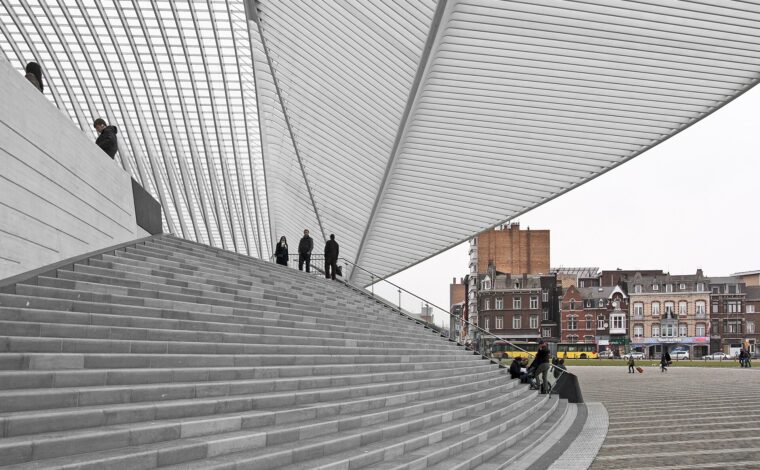
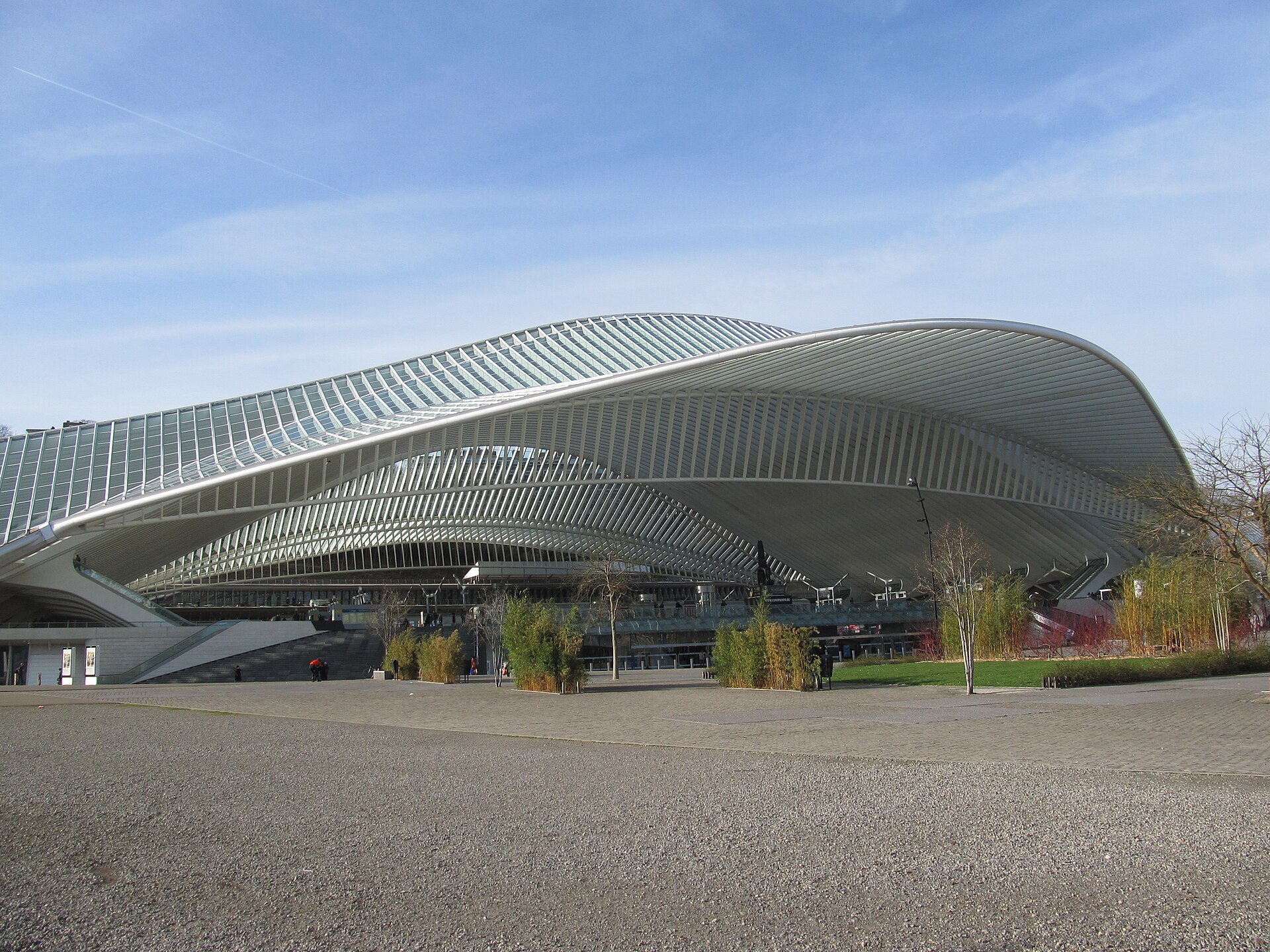
Liège-Guillemins station: Liège-Guillemins train station by Nenea hartia, CC BY-SA 4.0, via Wikimedia Commons.
Final Thoughts
The number that matters is not how many towns you visit but how many hours of each day you spend somewhere at its best. Belgium makes it unusually easy to get the arithmetic wrong, because the trains are so good that adding another city always looks free. It is not free — it is paid for out of the mornings and the evenings, which is where the country actually lives.
Take seven days if you can. Take five if you cannot, and use them on fewer places rather than more. And if you only have a weekend, pick one city, stay in it, and come back — Belgium is close to everywhere and there is no reason this has to be the only trip.